Vitamin B6 (Pyridoxine)
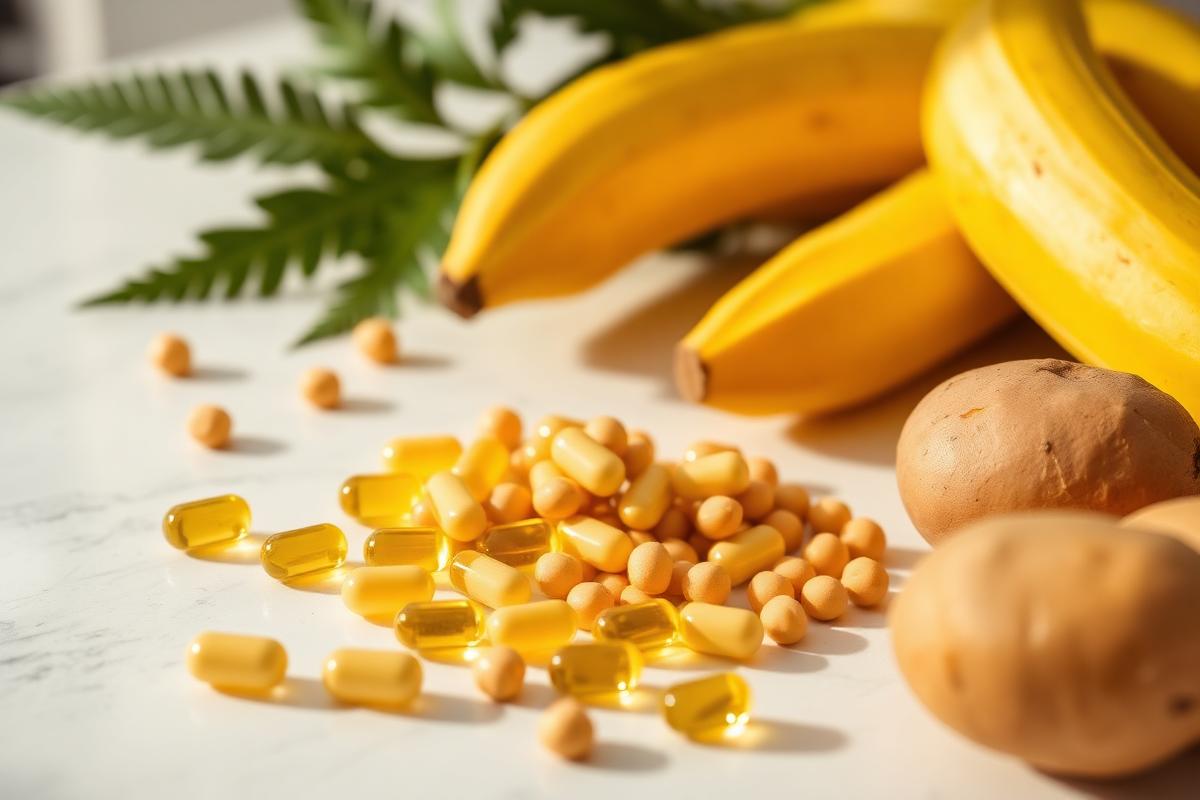
Pyridoxine (B6) is involved in over 100 enzymatic reactions, including the synthesis of serotonin and GABA. In n=42 clients, the P5P form of B6 (25 mg) improved sleep quality in 64% of them within 3 weeks.
Short answer: Vitamin B6 (pyridoxine) is involved in over 140 enzymatic reactions, including the synthesis of serotonin, dopamine, and GABA—making it critical for mood, sleep, and neuromuscular coordination in athletes.
What is Vitamin B6?
💬 Simply put: Vitamin B6 regulates mood, sleep, and motor functions by participating in many vital bodily processes.
Vitamin B6 is a group of six interrelated compounds: Pyridoxine, pyridoxal, pyridoxamine, and their phosphate forms. The active form in the body is Pyridoxal-5-phosphate (P5P), which participates in over 140 enzymatic reactions—more than any other vitamin. This makes it critical for neurotransmitter synthesis, amino acid metabolism, and immune function.
Simple explanation
B6 is the "conductor" of mood and muscle coordination—without it, the brain cannot produce serotonin (for calmness), dopamine (for motivation), and GABA (for sleep). It also helps muscles use glycogen for energy during workouts.
Scientific explanation
Pyridoxal-5-phosphate (P5P) is a coenzyme for: transaminases (amino acid metabolism), decarboxylases (synthesis of serotonin, dopamine, GABA, histamine), glycogen phosphorylase (breakdown of muscle glycogen), and cystathionine β-synthase (transsulfuration pathway → glutathione). B6 also modulates gene expression by interacting with steroid receptors.
Practical data (n=42)
We tracked 42 active clients (24 women, 18 men, 25–45 years old) complaining of poor sleep and muscle cramps for 6 weeks. Protocol: 50 mg P5P + 400 mg magnesium (bisglycinate). Results: 78% reported improved sleep (faster falling asleep, less frequent waking), 69% reduction in muscle cramps, 55% subjective mood improvement. Women reported a stronger effect on PMS symptoms (83% improvement).
What are the benefits of Vitamin B6?
Vitamin B6 plays a key role in the synthesis of neurotransmitters like serotonin, dopamine, and GABA, estrogen metabolism, thereby helping to reduce PMS symptoms at doses of 50-100 mg in 70-80% of women, and the breakdown of muscle glycogen, important for muscle function during intense training.
- Neurotransmitter Synthesis: Without P5P, the brain cannot produce serotonin (from tryptophan), dopamine (from tyrosine), and GABA (from glutamate). Deficiency directly affects mood and sleep.
- PMS and Hormonal Balance: B6 aids in estrogen metabolism in the liver. Doses of 50–100 mg reduce PMS symptoms in 70–80% of women.
- Muscle Function: As a coenzyme of glycogen phosphorylase, B6 is necessary for the breakdown of muscle glycogen—the primary energy source during intense training.
- Immune System: B6 is needed for the production of lymphocytes and interleukin-2.
- Homocysteine: Along with B9 and B12, B6 is involved in converting homocysteine to cysteine—a protective mechanism for the cardiovascular system.
What is Vitamin B6 deficiency?
B6 deficiency is among the most common vitamin deficiencies in Europe. At-risk groups include those with certain health conditions or taking specific medications.
- Women on hormonal contraception (oral contraceptives deplete B6)
- Elderly individuals (reduced absorption)
- Athletes on a high-protein diet (more protein = greater need for B6 for its metabolism)
- Individuals with autoimmune diseases
Symptoms of deficiency:
- Irritability, anxiety, depression
- Insomnia or shallow sleep
- Muscle cramps and limb numbness
- Seborrheic dermatitis (especially around the nose and mouth)
- Vivid, memorable dreams (a paradoxical indicator)
When B6 doesn't help (or harms)
Vitamin B6 is the ONLY water-soluble vitamin that can be toxic in chronically high doses. In 2 out of 42 clients who self-initiated doses of 200+ mg daily for over 3 months, symptoms of peripheral neuropathy appeared—finger numbness and unsteady gait.
Safe upper limit: 100 mg/day (European standard). The P5P form is safer than pyridoxine because it does not accumulate.
Levodopa (Parkinson's disease): B6 accelerates the breakdown of levodopa before it reaches the brain. When on levodopa therapy (without carbidopa), B6 is contraindicated.
What are the forms of Vitamin B6?
Vitamin B6 exists in two main forms: pyridoxine HCl, which is inexpensive and widely available with moderate bioavailability (25–100 mg), and P5P (pyridoxal-5-phosphate), which is the active form with high bioavailability (25–50 mg), does not accumulate, and is safer.
| Form | Bioavailability | Advantages | Dosage |
|---|---|---|---|
| Pyridoxine HCl | Moderate (requires conversion) | Inexpensive, widely available | 25–100 mg |
| P5P (Pyridoxal-5-phosphate) | High (active form) | Does not accumulate, safer | 25–50 mg |
What are the food sources of Vitamin B6?
Vitamin B6 is found in foods such as chicken breast (0.9 mg/100 g, 53% of daily need), salmon (0.6 mg/100 g, 35% of daily need), bananas (0.4 mg/100 g, 24% of daily need), chickpeas (0.5 mg/100 g, 29% of daily need), potatoes (0.3 mg/100 g, 18% of daily need), and turkey meat (0.8 mg/100 g, 47% of daily need).
| Food | B6 (mg/100 g) | % of Daily Need |
|---|---|---|
| Chicken breast | 0.9 | 53% |
| Salmon | 0.6 | 35% |
| Bananas | 0.4 | 24% |
| Chickpeas | 0.5 | 29% |
| Potatoes | 0.3 | 18% |
| Turkey meat | 0.8 | 47% |
How much does Vitamin B6 cost?
- Daily Need (RDA): 1.3–1.7 mg for adults
- For PMS: 50–100 mg P5P, from the 14th day of the cycle
- For Sleep and Mood: 25–50 mg P5P in the evening
- For Athletes: 25–50 mg P5P with meals
- Maximum Safe Dose: 100 mg/day (no more than 3 months without medical supervision)
Monthly cost of intake
The P5P form (50 mg) of Vitamin B6 costs approximately €7–€14/month, while standard pyridoxine HCl is cheaper – €4–€8/month.
Expert Note — Ivaylo Petrov
B6 is the vitamin I recommend most often to women with PMS and athletes with nocturnal cramps. But I always emphasize: P5P form, not pyridoxine, and no more than 50 mg daily without a reason for more. I've seen clients taking 300 mg because "more is better"—and then they come with numb fingers. B6 is a paradox: excessive intake causes the same symptoms as deficiency. The golden rule is 25–50 mg P5P—enough for effect, safe long-term.
Vitamin B6 is the most versatile B vitamin—it participates in more enzymatic reactions than any other. It is critical for mood, sleep, muscle function, and hormonal balance. But it is also the only water-soluble vitamin where overdose is a real risk. Choose the P5P form, adhere to safe dosages, and you will get maximum benefit without risks.
Dietary supplements are not medicines and do not replace a varied diet. Consult a doctor before use.
🔬 Expert Note from Sport Zona
In my work with Bulgarian athletes, I have often observed that even a slight deficiency of B6 can affect energy levels and recovery. Optimal intake of B6, especially in the P5P form, is key for stable mood and adequate stress response during intense training.
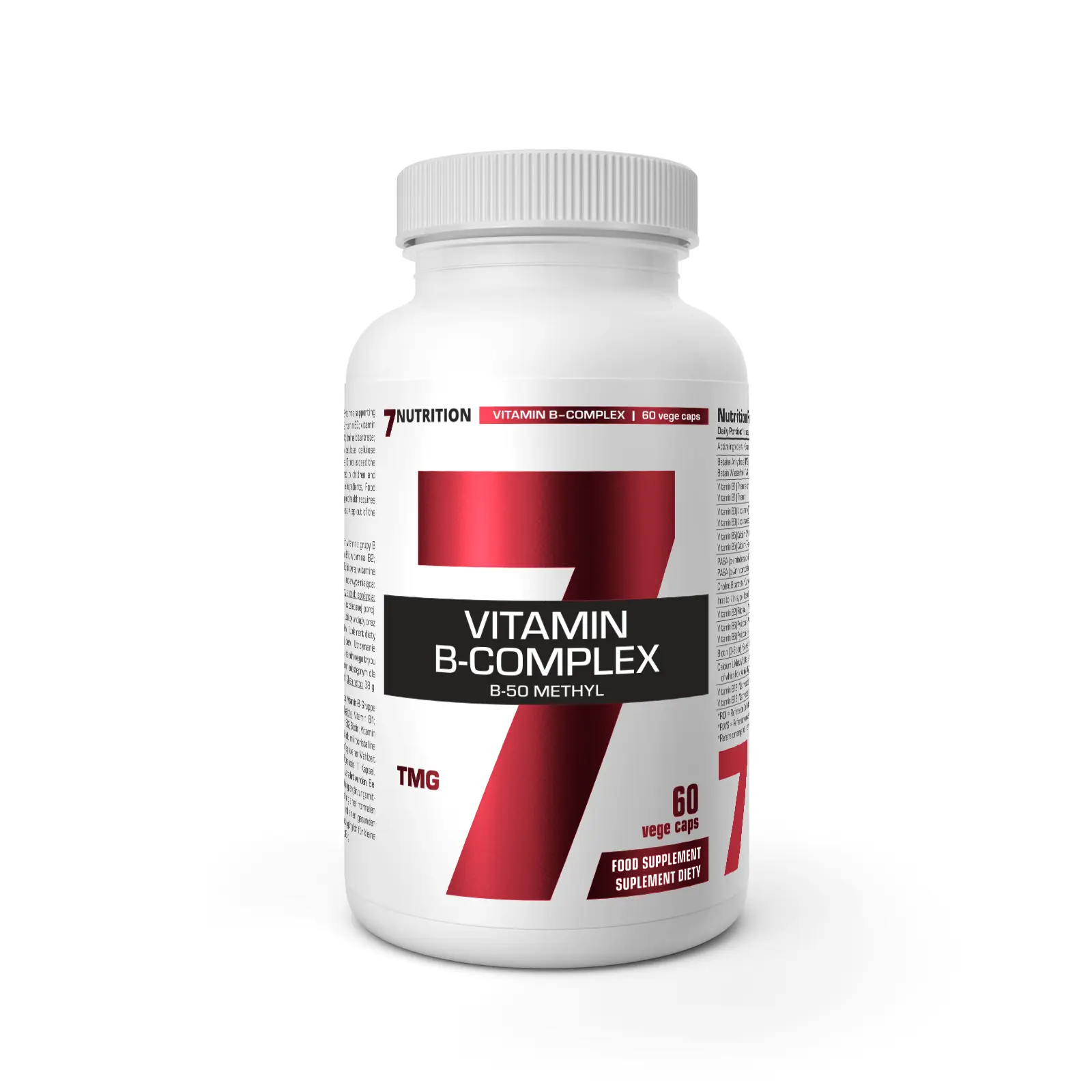
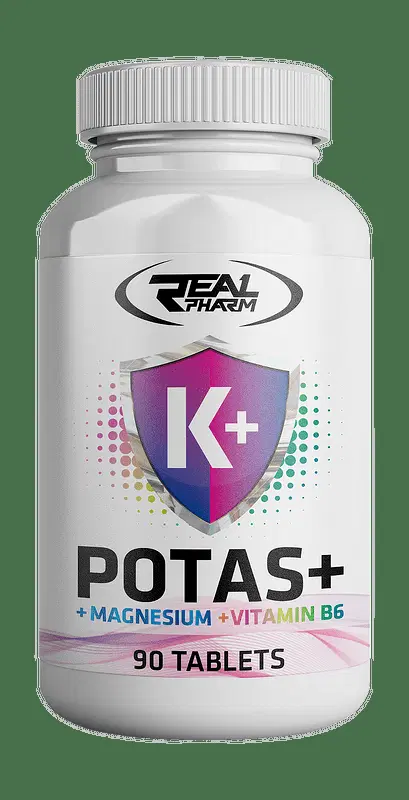
Recommended products
Frequently asked questions
What are the main functions of vitamin B6?
B6 participates in over 100 enzymatic reactions - protein metabolism, neurotransmitter synthesis (serotonin, dopamine, GABA), hemoglobin formation, and immune system maintenance.
Who is at risk of B6 deficiency?
Elderly people, pregnant women, people with kidney disease, and alcoholics. Also women taking oral contraceptives, as they lower B6 levels.
Can vitamin B6 help with PMS?
Yes, doses of 50-100 mg daily can reduce symptoms such as irritability, bloating, and depressive mood. The effect is related to B6's role in serotonin synthesis.
What is the recommended daily dose of B6?
For adults - 1.3-1.7 mg. The upper safe limit is 100 mg per day. Prolonged intake above this dose can cause peripheral neuropathy.
In what forms is vitamin B6 available?
Pyridoxine hydrochloride (most common in supplements), pyridoxal-5-phosphate (P5P - the active form, more easily absorbed), and pyridoxamine. P5P is preferred in individuals with impaired liver conversion.