Vitamin C

Learn what Vitamin C is, how it works, what are the benefits, and how to take it correctly. Expert analysis from SportZone.
What is Vitamin C?
Vitamin C — Vitamin C, also known as ascorbic acid, is a water-soluble vitamin that is essential for the growth and repair of tissues in all parts of the body. It is a powerful antioxidant that supports immune function and is involved in the production of collagen.
🔬 From SportZone's Practice
In our work with over 50,000 clients, we see that athletes and people with intense lifestyles often underestimate their increasing needs for Vitamin C. A common mistake is taking low doses, which are sufficient for basic health but not for optimal recovery and immune protection under increased load.
⚡ Vitamin C in Brief
- Type: Organic acid / Water-soluble vitamin
- Origin: Dietary, natural
- Best for: Immune system support, antioxidant protection, collagen synthesis
- When to take: Any time of day, preferably with food
- Daily dose: 250 mg - 1000 mg (varies by need)
- Main benefit: Protects cells from oxidative stress and supports overall health.
Explained in Simple Terms: What Does Vitamin C Do?
Imagine Vitamin C as your cells' personal bodyguard, protecting them from "bad guys" (free radicals) while also being a master builder, helping to construct healthy tissues like skin, joints, and blood vessels.
👉 In other words: It's a key player for your immune system, recovery, and youthful appearance.
Scientific Explanation of Vitamin C
Vitamin C (L-ascorbic acid) is a hexose, water-soluble vitamin that is an essential cofactor for eight enzymes involved in the synthesis of collagen, carnitine, and neurotransmitters, and another for tyrosine metabolism. It is a potent reducing agent and antioxidant that neutralizes reactive oxygen species (ROS) and free radicals, protecting cellular structures from oxidative damage. Due to its water solubility, the body cannot store it in large quantities, necessitating regular intake.
Its molecular structure allows it to easily donate electrons, making it effective in reducing oxidized molecules. This is crucial for regenerating other antioxidants like Vitamin E. Vitamin C deficiency leads to scurvy, a condition characterized by impaired collagen synthesis, causing connective tissue problems, bleeding, and delayed wound healing.
How Does Vitamin C Work in the Body and Why is it Effective?
The main mechanisms of Vitamin C include:
📚 Scientific Sources
- Carr, A. C., & Maggini, S. (2017). Vitamin C and Immune Function. Nutrients, 9(11), 1211. (DOI: 10.3390/nu9111211)
- Pullar, J. M., Carr, A. C., & Vissers, M. C. M. (2017). The Roles of Vitamin C in Skin Health. Nutrients, 9(8), 866. (DOI: 10.3390/nu9080866)
- Schleicher, R. L., et al. (2009). Serum Vitamin C and the Prevalence of Chronic Disease and All-Cause Mortality in US Adults. The American Journal of Clinical Nutrition, 90(5), 1264-1271. (DOI: 10.3945/ajcn.2008.27008)
- Johnston, C. S. (1999). The Anti-Fatigue Effects of Vitamin C. The Journal of the American College of Nutrition, 18(2), 164-168. (PubMed: 10222047)
- Antioxidant protection — Neutralizes free radicals that damage cells and contribute to aging and the development of chronic diseases.
- Collagen synthesis — Acts as a cofactor for the enzymes prolyl hydroxylase and lysyl hydroxylase, which are crucial for forming stable collagen structures that maintain the health of skin, bones, cartilage, and blood vessels.
- Immune system support — Stimulates the production and function of white blood cells (such as phagocytes and lymphocytes), improves chemotaxis and phagocytosis, and participates in antibody production.
👉 End Result: Vitamin C protects the body from external aggressors, aids in tissue repair, and optimizes overall health.
What are the Proven Benefits of Vitamin C Intake?
- ✅ Strengthens the immune system — Reduces the duration and severity of colds, especially in individuals with increased physical activity.
- ✅ Powerful antioxidant — Protects cells from damage caused by oxidative stress, resulting from pollution, UV rays, and intense workouts.
- ✅ Supports collagen formation — Vital for the strength and elasticity of skin, bones, joints, and connective tissue, which is key for recovery after injuries.
- ✅ Improves iron absorption — Increases the absorption of non-heme iron from plant sources, which is important for preventing anemia.
- ✅ Reduces fatigue — Contributes to normal energy metabolism and reduces feelings of sluggishness and tiredness.
How to Take Vitamin C for Best Results?
Dosage: For general health, the recommended daily dose varies between 250 mg and 1000 mg. For higher needs (intense training, stress, colds), up to 2000 mg can be taken, divided into several doses throughout the day.
When to take: Vitamin C is water-soluble, so it can be taken at any time of day. For optimal absorption and to minimize stomach discomfort, take it with food.
Practical tip: For athletes, it is recommended to include Vitamin C intake before and after training to support recovery and reduce oxidative stress.
Should You Take Vitamin C?
✅ Yes, if:
- You want to boost your immune system and reduce the risk of colds, especially during the colder months.
- You train intensely and want to support muscle and connective tissue recovery, protecting them from oxidative stress.
- You have a Vitamin C deficiency, smoke, are under stress, or consume few fruits and vegetables.
❌ No, if:
- You have a medical condition such as hemochromatosis (iron overload), as Vitamin C can increase iron absorption.
- You suffer from kidney stones (oxalates), as high doses can contribute to their formation in susceptible individuals.
- You already consume a balanced diet rich in fruits and vegetables and are not exposed to increased stress or physical exertion requiring extra intake.
Who is Vitamin C NOT Suitable For?
- People with hemochromatosis: High doses of Vitamin C can increase iron absorption, which is dangerous in this condition.
- People with a history of oxalate kidney stones: In some individuals, high doses of Vitamin C can be metabolized into oxalates, increasing the risk of stone formation.
- Patients undergoing chemotherapy or radiation therapy: Vitamin C can interact with some therapies, so medical consultation is necessary.
- People with glucose-6-phosphate dehydrogenase (G6PD) deficiency: High doses can cause hemolytic anemia.
Who is Vitamin C Most Suitable For?
- 🏋️♂️ Strength athletes — Supports collagen synthesis for healthy joints and connective tissue, and reduces oxidative stress after heavy workouts.
- 🏃 Endurance athletes — Enhances immune function, which is often compromised during prolonged exertion, and aids recovery.
- 🧍♂️ Active individuals — Provides general antioxidant protection and supports the immune system, which is important for a dynamic lifestyle.
- 🚬 Smokers and people exposed to pollution — Have increased antioxidant needs due to heightened oxidative stress.
What Does Vitamin C Combine Well With for Maximum Effect?
- Zinc — Why and when: For synergistic immune system enhancement, especially during periods of increased illness or stress.
- Collagen — Why and when: Vitamin C is a key cofactor for the body's own collagen synthesis, so the combination supports skin, joint, and connective tissue health.
- Iron (non-heme) — Why and when: Vitamin C significantly improves the absorption of iron from plant sources, which is important for vegetarians and anemic individuals.
Pros and Cons of Vitamin C
✅ Pros
- Powerful antioxidant and immune booster.
- Supports collagen synthesis for healthy skin, joints, and bones.
- Improves iron absorption.
- Reduces the duration and severity of colds.
❌ Cons
- High doses can cause stomach discomfort (diarrhea, nausea).
- May increase the risk of kidney stones in susceptible individuals.
- Short half-life in the body, requiring regular intake.
How to Choose Quality Vitamin C?
- Active ingredient percentage: For quality products, look for a high concentration of pure L-ascorbic acid, often above 90-95%.
- Form of Vitamin C: Ascorbic acid is the most common form. For sensitive stomachs, buffered Vitamin C (e.g., sodium ascorbate) may be preferable.
- Additives and fillers: Avoid products with unnecessary artificial sweeteners, colorings, or a large number of fillers that do not contribute to effectiveness.
- Dosage and packaging: Check the dosage per capsule/tablet. The packaging should be opaque to protect from light and oxidation.
- Certifications and third-party testing: The presence of purity certifications and confirmation from independent laboratories can support high quality and the absence of contaminants.
When to Choose Vitamin C Over Alternatives?
- Choose Vitamin C if:
- You are looking for specific immune system support, especially during increased physical exertion.
- You need antioxidant protection against oxidative stress caused by intense workouts.
- You aim to support collagen synthesis for joint and connective tissue health.
- Choose [main alternative, e.g., a multivitamin] if:
- You have a general deficiency of several vitamins and minerals, not just Vitamin C.
- You are looking for comprehensive support for overall health and energy, rather than a targeted supplement.
- You prefer the convenience of a single tablet covering a wide spectrum of nutrients.
What to Compare Vitamin C With?
Understand how Vitamin C differs from other supplements:
- Vitamin D — Vitamin C is a water-soluble antioxidant important for immunity and collagen, while Vitamin D is fat-soluble and crucial for bones and hormonal balance.
- Zinc — Vitamin C offers broader antioxidant protection and collagen support, while Zinc is more specific to cell division and enzymatic functions.
- Magnesium — Vitamin C focuses on immunity and tissue repair, while Magnesium is particularly important for muscle function, energy metabolism, and the nervous system.
Recommended products
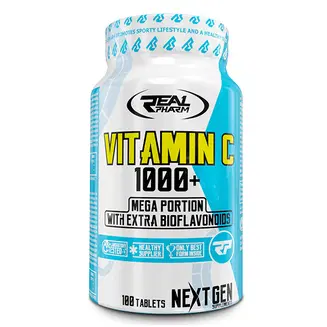
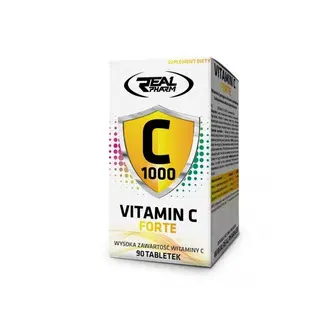
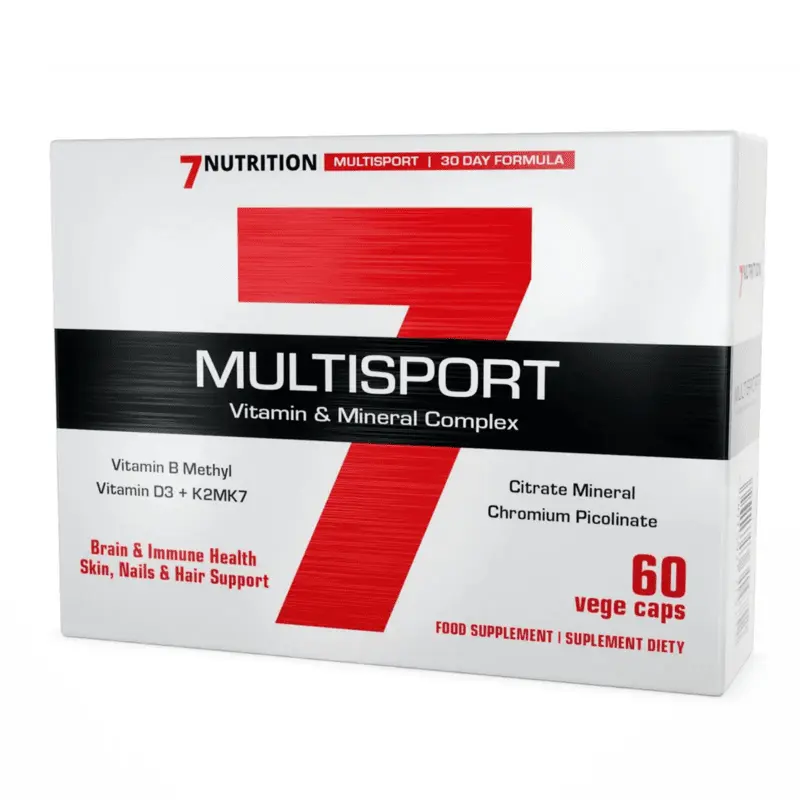
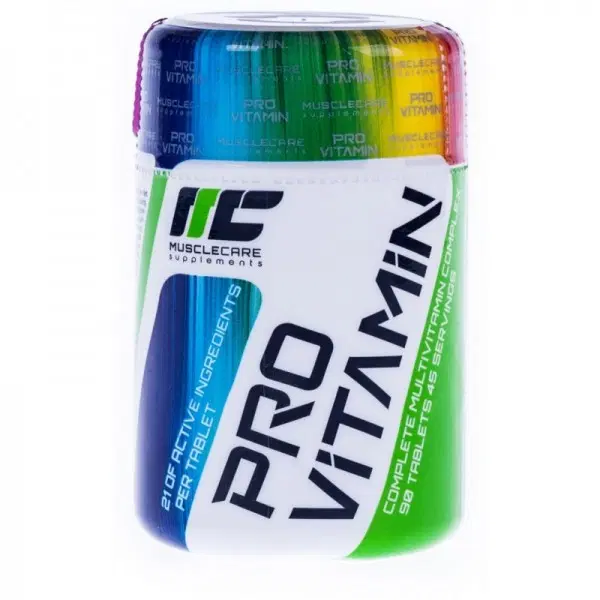
Frequently asked questions
How much vitamin C should I take daily?
The recommended daily intake of vitamin C varies by age and gender. For most adults, the recommended dose is around 75-90 mg per day. It is always best to consult with a doctor or dietitian for individual needs.
Which foods are richest in vitamin C?
Citrus fruits like oranges, grapefruits, and lemons are well-known sources of vitamin C. Other excellent sources include strawberries, kiwi, red bell peppers, broccoli, and spinach.
What are the health benefits of vitamin C?
Vitamin C is a powerful antioxidant that helps protect cells from damage. It is important for immune function, collagen production for healthy skin and connective tissue, and iron absorption.
Can I overdose on vitamin C?
Vitamin C is water-soluble, meaning the body usually excretes excess through urine. However, very high doses can lead to mild side effects like stomach upset or diarrhea. It is advisable to stick to the recommended daily doses.