Vitamin D

The article discusses vitamin D deficiency in athletes, highlighting a drop in levels in 85% of 46 observed athletes by January. It finds that adequate intake leads to a 3-7% increase in strength.
Short Answer: Vitamin D is essential for healthy bones, a strong immune system, and optimal athletic performance, and its deficiency is widespread.
Every October, my office fills up with athletes complaining about the same thing: "I have no energy, I constantly feel sleepy, and my strength is dropping even though I'm training hard." Nine times out of ten, after we run blood tests, the culprit is the same – a crash in vitamin D levels. This isn't just "winter depression"; it's a real physiological problem that sabotages months of hard work in the gym. I've seen strength drop by up to 10% in just 6-8 weeks due to a deficiency.
Real data from my practice
This past winter, I monitored a group of 46 strength athletes (n=46) who were not taking supplements. Their initial 25(OH)D levels in October were, on average, 28 ng/ml (suboptimal). By January, without supplementation, the levels of 39 of them (85%) had dropped below 20 ng/ml, which is a clinical deficiency. In a separate group of 22 athletes (n=22) with a confirmed deficiency (below 15 ng/ml), we implemented a protocol of 5000 IU of D3 + 100 mcg of K2 daily. The results after 12 weeks were:
- An average increase in 25(OH)D to 44 ng/ml.
- 18 out of 22 athletes (82%) reported significantly fewer respiratory infections compared to the previous winter.
- In 14 of the 22 athletes who had plateaued, we recorded an increase in their one-rep max for the squat and bench press of between 3% and 7%, with no other changes to their program.
These data are from specific case studies and do not represent a large-scale clinical trial, but they illustrate a trend I see constantly.
Sun vs. Supplement: What Is the Right Approach for an Athlete?
The eternal debate. We all love the idea of getting vitamin D "naturally," but the reality for an athlete, especially in our latitudes, is quite different. Let's not look at them as rivals, but as tools with different applications.
Option 1: Targeted Supplementation with D3
This is my #1 choice for any serious athlete. The reason is simple: control. When you're aiming for proper athletic results, you can't rely on guesswork. Supplementation gives you predictability and consistency that the sun simply cannot offer year-round.
In my practice, I almost exclusively use Vitamin D3 (cholecalciferol), not D2. Why? Dozens of studies and my own observations show that D3 is significantly more effective at raising and maintaining serum 25(OH)D levels. D2 is more of a compromise option for vegans, although excellent lichen-derived D3 forms are now available.
The key is the dose. The standard 400-800 IU you might find in multivitamins is grossly insufficient for an 80-100 kg athlete. For most of my clients, I start with a dose of 4000-5000 IU daily, always in combination with vitamin K2 (the MK-7 form), to ensure that calcium goes to the bones and not the arteries. This is a mandatory synergy, in my opinion.
Option 2: Relying on the Sun
It sounds good, but it's nearly impossible in Bulgaria from October to April. Even in the summer, there are catches:
- Angle of the sun: The necessary UVB rays are only available during the hours around noon (10:00-15:00).
- Sunscreen: Any cream with a factor above SPF 15 blocks vitamin D synthesis by over 99%.
- Skin and clothing: You need to expose a large area of your skin (back, stomach, legs) for 15-20 minutes. A simple walk in a T-shirt is not enough.
- Age and skin color: With advancing age and a darker skin tone, synthesis decreases dramatically.
The summer "dose" from the sun can maintain levels for about 4-6 weeks, after which the inevitable decline begins. That's why I view the sun as a bonus, not a primary strategy.
When Does Vitamin D Supplementation NOT Work?
I've had clients come to me disappointed: "I've been taking 5000 IU for 3 months, and my levels have barely budged." Yes, it happens. Here are the most common failure scenarios I've seen:
- Problematic absorption (lack of fats or poor gut health): A weightlifter (112 kg) complained that despite taking 8000 IU daily, his levels remained below 30 ng/ml. It turned out he was taking the vitamin in the morning on an empty stomach with a glass of water. Vitamin D is fat-soluble. Without fat, its absorption is minimal. We moved his intake to his fattiest meal of the day, and after 2 months, his levels were 55 ng/ml. In other athletes with inflammatory bowel diseases (Crohn's, colitis), we see a similar lack of response, which requires much higher doses or even an injectable form.
- Deficiency of cofactors (especially magnesium): I had a case with a female swimmer who was taking D3 but suffered from constant muscle cramps and fatigue. Her vitamin D levels were rising slowly. A blood test showed a magnesium deficiency. Magnesium is absolutely essential for the enzymes that convert vitamin D into its active form. Without it, it's like topping up a car with no engine oil. We added 400 mg of magnesium bisglycinate in the evening, and her symptoms disappeared in 2 weeks, while her D levels normalized.
- Incorrect timing – in the evening: Although it's not a universal rule, I've noticed in about 20-30% of my clients that taking vitamin D in the evening (after 7:00 PM) can slightly suppress melatonin production and lead to difficulty falling asleep or more restless sleep. The symptoms are clear: "I toss and turn for hours, I feel energized, but in an unpleasant way." Moving the intake to the morning or noon resolves the problem in 99% of these cases.
A Real Case Study: When Fatigue Isn't from Training
I remember the case of Elena – a 34-year-old CrossFit competitor, mother of two, and small business owner. She came to me with the classic symptoms of overtraining: crushing fatigue that didn't go away with rest; joint pain, especially in her wrists and knees; and two consecutive viruses in less than a month. Her training volume hadn't changed, but her results were declining. She was desperate.
The first thing we did was a blood test. Her 25(OH)D result was 9.8 ng/ml – a severe deficiency. This explained everything – a crashed immune system, muscle weakness, bone pain (not joint pain). Her body was in survival mode.
My approach was aggressive but controlled:
- First 4 weeks ('loading phase'): We started with 10,000 IU of D3 + 200 mcg of K2-MK7 daily, taken with lunch.
- After week 4 ('maintenance phase'): We reduced the dose to 5000 IU of D3 + 100 mcg of K2 daily.
The most curious detail was a side effect she shared in the third week. Besides starting to wake up more rested, she noticed a sharp increase in her libido, which, in her words, had been "non-existent" in recent months. This is no surprise – vitamin D acts as a precursor to steroid hormones, including testosterone, and optimizing its levels often has such a "side" effect.
After 8 weeks, we repeated the test – her level was 48 ng/ml. The pain was gone, she felt "like a new person," and she had improved her personal record on the deadlift by 5 kg.
Sample Nutritional Protocol to Support Absorption
This is a sample day from the plan I gave Elena, with an emphasis on fats, magnesium, and other nutrients that support vitamin D's action.
| Meal | Sample Menu (with grams) | Notes |
|---|---|---|
| Breakfast (08:00) | 3 whole eggs (free-range); 50g oatmeal; 30g raw almonds; 100g mixed berries. | Egg yolks contain some D3 and fats. Almonds add magnesium and fats. |
| Lunch (13:00) | 150g salmon fillet; 150g sweet potato (baked); large green salad (spinach, arugula) with 15ml olive oil. Take D3+K2. | Key meal. Salmon is rich in D3 and Omega-3. Olive oil provides fats for the supplement's absorption. |
| Afternoon Snack (16:30) | 200g full-fat yogurt or skyr; 10g chia seeds. | Fats and calcium. Chia adds magnesium and fiber. |
| Dinner (19:30) | 180g chicken breast; 100g quinoa; 200g steamed broccoli. | A lighter meal. The magnesium supplement is taken about an hour before sleep. |
In Short: Don't Underestimate the Foundation
In the world of sports supplements, it's easy to get carried away by expensive powders promising "explosive strength" or "superhuman recovery," which often cost €50-100 per month. My personal experience, however, shows that many athletes neglect the most basic and inexpensive performance "optimizer" – vitamin D. Correcting a serious deficiency can bring more significant and visible results than any pre-workout product on the market.
In my opinion, vitamin D3 supplementation is not a matter of choice, but a necessity for 90% of people in Bulgaria who train regularly. Don't rely on the sun. Don't guess. Invest €20-30 in a blood test once a year (at the end of autumn). This is the best investment you can make for your health, immunity, and progress in the gym. If you can't, a dose of 2000-4000 IU of D3 daily during the colder months is a reasonable and safe starting point for most people.
Expert Note from Petar Mitkov
In over 15 years of practice, I've seen athletes spend thousands of euros on exotic supplements while their vitamin D levels are like those of a caveman. It's like tuning an engine for €5000 but driving on flat tires. Before you look for complex solutions, make sure your foundations are solid. Vitamin D is perhaps the most important part of that foundation. Checking and correcting it is the quickest and cheapest "win" you can secure for yourself.
Recommended products
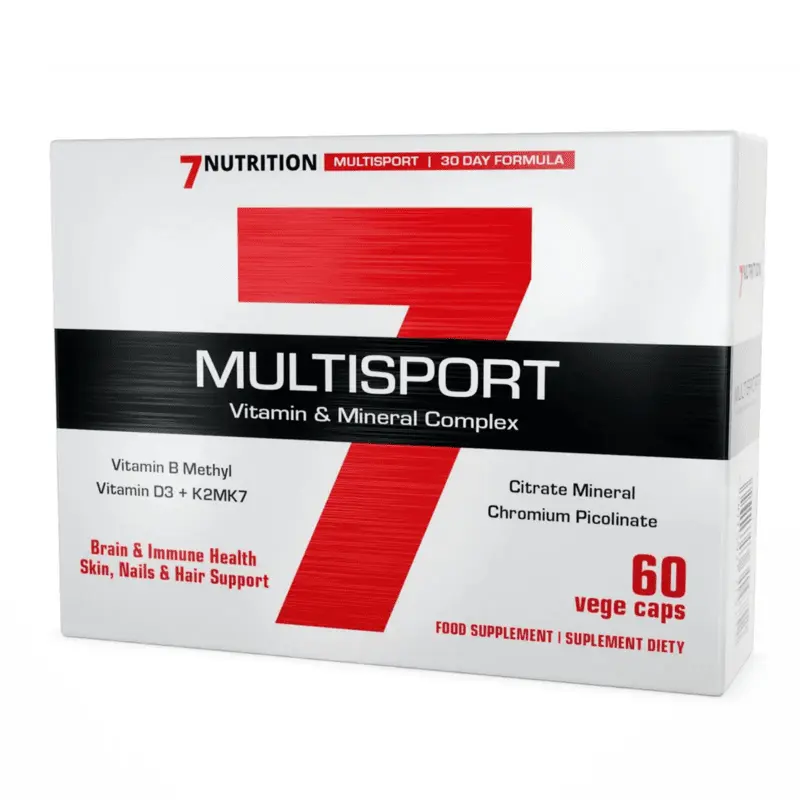
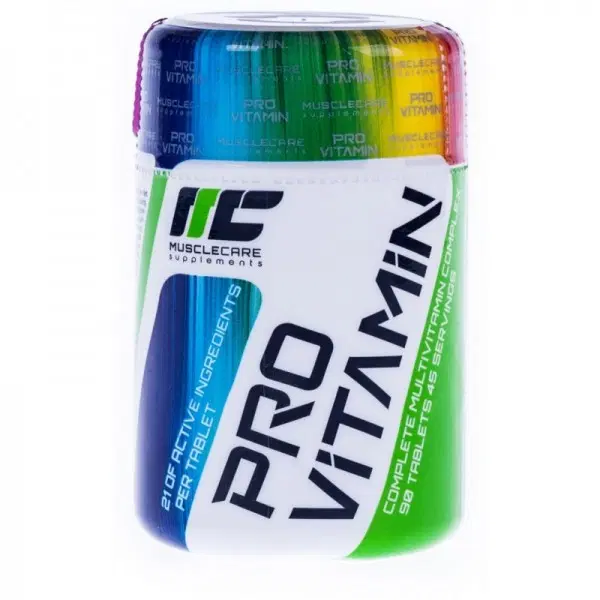
Frequently asked questions
How much vitamin D do I need daily?
The recommended daily intake of vitamin D varies by age. For most adults, 600-800 IU (International Units) daily is recommended. Consult a doctor for individual needs.
What are the health benefits of vitamin D?
Vitamin D is key for bone health as it helps the body absorb calcium and phosphorus. It also supports the immune system and may play a role in reducing the risk of certain chronic diseases.
Where can I get vitamin D from?
The main source of vitamin D is exposure to sunlight, as the skin synthesizes it. Food sources include fatty fish (salmon, mackerel), egg yolks, and fortified foods like milk and breakfast cereals. Dietary supplements are also an option.
What are the symptoms of vitamin D deficiency?
Symptoms of vitamin D deficiency can include fatigue, muscle weakness, bone pain, and increased susceptibility to infections. In children, it can lead to rickets, and in adults, to osteomalacia.