Egg protein
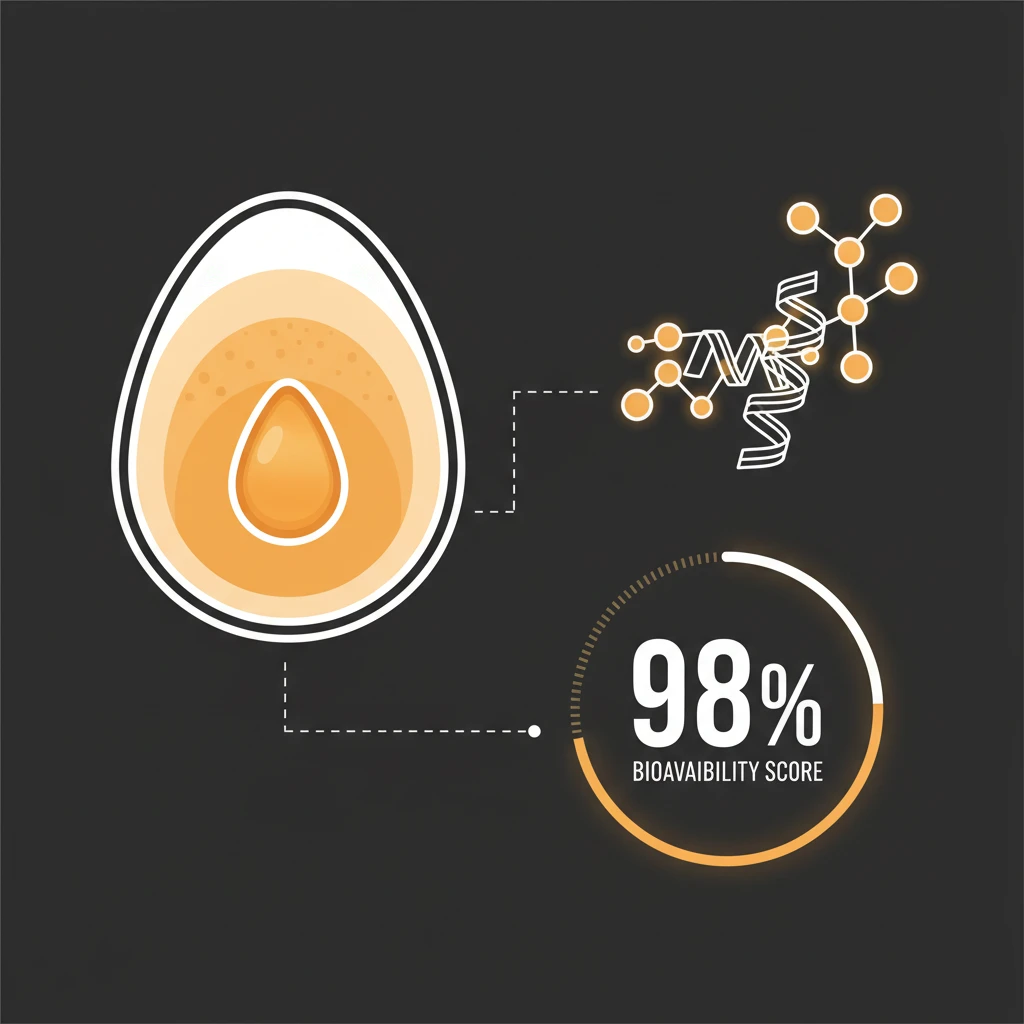
Learn what Egg Protein is, how it works, what its benefits are, and how to take it correctly. Expert analysis from SportZone.
What Exactly is Egg Protein and What are its Main Characteristics?
Egg Protein — Egg protein is a high-quality protein source, primarily derived from egg whites, known for its complete amino acid profile and exceptionally high biological value. It provides all the essential amino acids necessary for muscle growth, recovery, and a range of other vital bodily functions.
🔬 From SportZone's Experience
In our work with over 50,000 clients, we've observed that egg protein is a frequent choice for individuals with lactose intolerance or sensitivity to dairy products. A common mistake is expecting the same rapid absorption profile as whey isolate; egg protein has a more moderate absorption rate.
⚡ Egg Protein in a Nutshell
- Type: Protein
- Origin: Food-based (egg white)
- Best for: Muscle development, post-exercise recovery, maintaining lean body mass, lactose-free diets
- Timing: Post-workout, between meals, before bed
- Daily Dose: 20-30 grams per serving, adjusted for individual needs
- Main Benefit: Offers a complete amino acid profile with high digestibility, free from lactose.
In Simple Terms: What Does Egg Protein Do?
Imagine egg protein as a perfect set of LEGO bricks for your body. Each brick is an amino acid, and egg protein gives you all the necessary types in the right proportions, so you can build or repair everything – from muscles to hormones.
👉 In other words: It's a top-quality building material for your body, especially for muscles, that contains no dairy products.
Scientific Explanation of Egg Protein
Egg protein, also known as egg albumin, is derived from egg whites and is characterized by a complete amino acid profile, meaning it contains all nine essential amino acids (EAAs) in optimal proportions. It has long been a benchmark for biological value (BV=100), against which other protein sources are evaluated, reflecting the efficiency with which the protein can be utilized by the body for its own protein synthesis.
The primary protein fraction is ovalbumin, which accounts for about 54% of the total protein in egg whites. Other significant proteins include ovotransferrin, ovomucoid, and lysozyme. Due to its structure and composition, egg protein is digested at a moderate rate (approximately 3-4 grams per hour), providing a sustained release of amino acids into the bloodstream, making it excellent for maintaining a positive nitrogen balance and stimulating muscle protein synthesis.
How Does Egg Protein Affect the Body and What are the Reasons for its High Effectiveness?
The primary mechanisms of Egg Protein include:
📚 Scientific Sources
- Hoffman, J. R., & Falvo, M. J. (2004). Protein – Its role in strength training. Journal of Sports Science & Medicine, 3(3), 118–138. (PubMed Central)
- Layman, D. K. (2009). Dietary protein and exercise: a systematic review. The American Journal of Clinical Nutrition, 89(5), 1620-1628S. (DOI: 10.3945/ajcn.2008.27191E)
- Lemon, P. W. R. (1995). Do athletes need more dietary protein and amino acids? International Journal of Sport Nutrition, 5(Suppl), S39-S61. (PubMed)
- Phillips, S. M., Chevalier, G. S., & Tang, J. E. (2009). The role of dietary protein in post-exercise muscle protein synthesis. Sports Medicine, 39(8), 651-667. (DOI: 10.2165/00007256-200939080-00003)
- Complete Amino Acid Spectrum — Provides all essential amino acids that the body cannot produce on its own but are vital for tissue building and repair.
- Exceptional Biological Digestibility — Indicates how effectively the body can utilize protein for its own needs, with egg protein being among the most effective.
- Balanced Absorption Rate — Allows for a gradual release of amino acids into the bloodstream over several hours, aiding recovery and preventing muscle tissue breakdown.
👉 End Result: Optimally provides building blocks for muscle development and recovery, maintains a positive nitrogen balance and overall health, without burdening the digestive system with lactose.
What Specific Health and Athletic Benefits Does Regular Egg Protein Intake Offer?
- ✅ Supports Muscle Growth and Recovery — The complete amino acid profile and high biological value provide the necessary building blocks for synthesizing new muscle proteins and repairing damaged muscle fibers after training.
- ✅ Ideal for Individuals with Lactose Intolerance/Allergies — As it's derived from eggs, it is completely dairy-free, making it an excellent alternative to whey protein.
- ✅ Promotes Satiety — Protein is the macronutrient with the highest thermic effect and greatest impact on satiety, which can aid in weight management.
- ✅ Supports Overall Health and Immune System — Amino acids are essential for the production of enzymes, hormones, and antibodies, which are key to proper bodily function.
What is the Best Way to Consume Egg Protein for Optimal Results?
Dosage: Typically 20-30 grams per serving, 1 to 3 times daily, depending on your overall protein needs and training intensity. It's important to calculate your total daily protein intake (usually 1.6-2.2 g/kg of body weight for active individuals).
Timing: Can be consumed at any time of day. Post-workout for rapid recovery, between meals to maintain a positive nitrogen balance, or before bed for sustained amino acid release overnight. Its moderate absorption rate makes it suitable for all these periods.
Practical Tip: Mix one serving with water, milk (if not avoiding dairy), or a plant-based beverage, or add it to smoothies, oatmeal, or baked goods to boost protein content.
Should You Take Egg Protein?
✅ Yes, if:
- You are looking for a high-quality, complete protein that is a benchmark for digestibility, providing optimal conditions for muscle growth and recovery.
- You have lactose intolerance or dairy allergies and need an excellent alternative to whey protein.
- You want to maintain your muscle mass and feel fuller for longer, which is beneficial for weight management.
❌ No, if:
- You have an egg allergy, as the product is derived directly from egg whites.
- You are looking for an extremely fast-absorbing protein for an immediate anabolic peak after training, for which whey protein is more suitable.
- You follow a strict vegan diet, as egg protein is an animal product.
Who is Egg Protein NOT Suitable For?
- Individuals with Egg Allergies: As it is produced from eggs, its consumption will trigger an allergic reaction.
- Vegans and Strict Vegetarians: Egg protein is an animal product and is not compatible with vegan or strict vegetarian diets.
- Individuals Seeking the Fastest Possible Anabolic Response: While high-quality, its absorption rate is moderate, unlike whey hydrolysate, for example.
- Individuals with Certain Kidney Conditions: High protein intake may be contraindicated and should be discussed with a doctor.
For Which Groups of People is Egg Protein Particularly Recommended and Beneficial?
- 🏋️♂️ Strength Athletes — Provides a complete amino acid profile for effective muscle recovery and growth after intense training.
- 🏃 Endurance Athletes — Aids in muscle recovery and can reduce catabolism during long and intense efforts.
- 🧍♂️ Active Individuals — Helps maintain muscle mass, control weight, and provides the necessary protein for an active lifestyle.
- 🥛 Individuals with Lactose Intolerance/Dairy Allergies — Offers an excellent dairy-free alternative to whey protein without compromising on quality.
With Which Other Supplements or Foods Does Egg Protein Combine Best for Maximum Effect?
- Creatine Monohydrate — For maximum increases in strength, power, and muscle volume, as protein provides building blocks, and creatine provides energy.
- Beta-Alanine — To improve endurance and reduce muscle fatigue, allowing for longer and more intense workouts, while protein supports recovery.
- Omega-3 Fatty Acids — To reduce inflammation, improve cardiovascular health, and support overall post-workout recovery.
Pros and Cons of Egg Protein
✅ Pros
- Complete amino acid profile with high biological value (100).
- Lactose and dairy-free, suitable for allergies and intolerances.
- Moderate absorption rate, providing sustained amino acid release.
- High content of sulfur-containing amino acids (methionine), important for detoxification.
❌ Cons
- More expensive than whey protein.
- Potential allergen for individuals with egg allergies.
- Less palatable taste for some users compared to whey.
How to Choose Quality Egg Protein?
- Protein Percentage from the Label: In most cases, look for products with over 80-85% protein per 100 grams. A lower percentage may indicate more fillers.
- Amino Acid Profile: Pay attention to leucine content. In quality products, egg protein typically offers about 8-10% leucine of the total protein content.
- Collagen Indicator (Hydroxyproline): If not explicitly stated as an additive, high hydroxyproline content (over 1-2%) may suggest added collagen, which is cheaper and has a lower amino acid profile.
- Additives: Avoid products with excessive artificial sweeteners, colors, and fillers. Fewer ingredients usually mean a purer product.
- Certifications and Third-Party Testing: The presence of quality certifications or independent laboratory tests can contribute to the product's purity and content.
When to Choose Egg Protein Over Alternatives?
- Choose Egg Protein if:
- You have lactose or dairy intolerance but are looking for a complete protein.
- You seek a protein with a moderate absorption rate, providing sustained amino acid release (slower than whey, faster than casein).
- You want a protein with a high biological index and an excellent amino acid profile, including about 2-2.5 grams of leucine per 25-gram protein serving.
- Choose Whey Protein if:
- You are looking for maximum rapid protein absorption (around 20-30 minutes) post-workout for quick recovery.
- The priority is the highest leucine content (typically 2.5-3 grams per 25 grams of protein) to stimulate muscle synthesis.
- Choose Casein if:
- You need very slow protein absorption (up to 6-8 hours) for prolonged amino acid release, such as before bed.
What to Compare Egg Protein With?
Understand how Egg Protein differs from other supplements:
- Whey Protein — Egg protein is a benchmark for quality and a lactose-free alternative, while whey offers faster absorption and a higher anabolic peak.
- Casein Protein — Egg protein has a moderate absorption rate, while casein is a "slow" protein, providing even more prolonged amino acid release.
- Plant-Based Proteins (Rice, Pea) — Egg protein is complete and more easily digestible, while plant-based proteins often require combinations to achieve a full amino acid profile.
📖 Detailed Comparisons with Egg Protein
- Egg vs. Soy Protein: Biological Power vs. Phytonutrient Protection
- Egg vs. Plant Protein: Biological Benchmark vs. Environmental Health
- Whey vs. Egg Protein: Anabolic Peak vs. Metabolic Stability
- Egg Protein vs. Beta-Alanine: Biological Perfection vs. Acid Control
- Egg White vs. Whole Egg: Pure Protein vs. Complete Metabolic Package
Recommended products

Frequently asked questions
What is the difference between egg protein and whey protein?
Egg protein is a complete protein that contains all the essential amino acids. It is digested more slowly than whey protein, making it a good choice for intake before bed or between meals. Whey protein is digested quickly and is ideal for post-workout intake.
Can egg protein help with weight loss?
Yes, egg protein can aid in weight loss by increasing satiety and reducing appetite. This can lead to a lower overall calorie intake. Also, protein helps preserve muscle mass during a diet.
What are the benefits of egg protein for muscle growth?
Egg protein is an excellent source of amino acids, which are the building blocks of muscles. It provides all the essential amino acids needed for muscle recovery and growth after exercise. Regular intake can contribute to increased muscle mass.
Does egg protein have side effects?
Egg protein is generally well-tolerated and has no serious side effects. Some people may experience mild digestive issues such as bloating or gas. It is important to follow the recommended dosage.