ZMA

Learn what ZMA is, how it works, what its benefits are, and how to take it correctly. Expert analysis from SportZone.
What is ZMA?
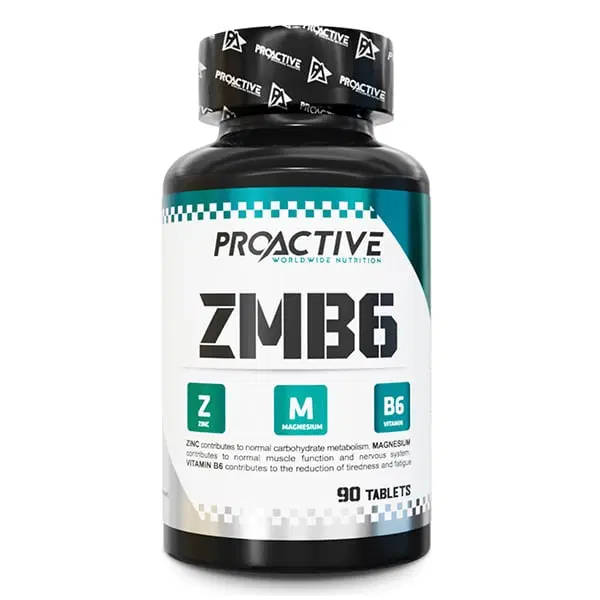
ZMA — ZMA is a popular dietary supplement composed of zinc monomethionine aspartate, magnesium aspartate, and vitamin B6 (pyridoxine). It is designed to aid recovery, improve sleep quality, and optimize key hormone levels in athletes and active individuals.
🔬 From SportZone's experience
In our work with over 50,000 clients, we see that ZMA is one of the most underestimated recovery supplements, especially by people with intense training regimens. A common mistake is skipping the evening dose, even though the benefits for sleep and hormonal balance are most pronounced during the night.
⚡ ZMA in brief
- Type: Mineral and vitamin supplement
- Origin: Synthetic / dietary
- Best for: Nighttime regeneration, restful sleep, endocrine balance
- Timing: Evening, before bed
- Daily dose: 30 mg zinc, 450 mg magnesium, 10-11 mg vitamin B6 (for men); lower doses for women
- Main benefit: Supports natural recovery processes and hormonal regulation.
Explained in simple terms: What does ZMA do?
Imagine your body is like a high-performance machine that works hard all day. ZMA is like a team of specialized mechanics who come in at night while you sleep to repair, restore, and optimize all systems, so you're ready for new challenges in the morning. They focus on the "engine" (muscles), the "electrical system" (nervous system), and the "communication systems" (hormones) to ensure everything runs perfectly.
👉 In other words: ZMA helps your body recover better and function more efficiently while you sleep.
Scientific explanation of ZMA
ZMA is a patented combination of zinc monomethionine aspartate, magnesium aspartate, and pyridoxine hydrochloride (vitamin B6), formulated to optimize the absorption and bioavailability of these key micronutrients. Zinc is an essential trace element involved in over 300 enzymatic reactions, including protein synthesis, cell division, immune function, and carbohydrate metabolism. Magnesium, also an essential mineral, is a cofactor for over 600 enzyme systems that regulate functions such as muscle and nerve function, blood sugar control, blood pressure regulation, and protein, bone, and DNA synthesis. Vitamin B6 is necessary for amino acid metabolism, neurotransmitter synthesis, and energy production, and it also enhances the absorption of zinc and magnesium.
The combination of these elements in aspartate forms is scientifically justified to improve their absorption and passage through cell membranes. Zinc and magnesium deficiencies are common in physically active individuals due to increased losses through sweat and elevated metabolism, which can lead to reduced endurance, muscle cramps, disrupted sleep, and lowered testosterone levels.
How does ZMA work in the body and why is it effective?
The primary mechanism of ZMA involves the synergistic action of its components:
📚 Scientific sources
- Brilla, L. R., & Conte, V. (2000). Effects of zinc-magnesium aspartate (ZMA) supplementation on muscle strength, power, and hormonal profiles in high-performance athletes. Journal of Exercise Physiology Online, 3(4), 26-36.
- Wilborn, C. D., Kerksick, C. M., Campbell, B. I., Taylor, L. W., Marcello, B. M., Rasmussen, C. J., ... & Kreider, R. B. (2004). Effects of zinc magnesium aspartate (ZMA) supplementation on training adaptations and markers of anabolism and catabolism. Journal of the International Society of Sports Nutrition, 1(2), 12.
- Raman, J. T., & Brilla, L. R. (2001). Zinc-magnesium aspartate (ZMA) supplementation and exercise performance. Journal of Strength and Conditioning Research, 15(1), 32-34.
- Optimizing the endocrine system — Zinc is key for testosterone and growth hormone production, while magnesium supports the activity of enzymes involved in steroid hormone synthesis.
- Improving the sleep-wake cycle — Magnesium acts as a natural muscle relaxant and supports the production of gamma-aminobutyric acid (GABA), a neurotransmitter that induces relaxation and deep sleep. Vitamin B6 aids in melatonin synthesis.
- Maintaining neuromuscular conductivity — Magnesium is essential for nerve impulse transmission and muscle contractions, preventing cramps and spasms. Zinc is involved in cellular-level repair.
👉 End effect: ZMA supports natural anabolic processes, improves sleep quality, and accelerates recovery after intense workouts.
What are the proven benefits of taking ZMA?
- ✅ Improved and restorative sleep — Magnesium and Vitamin B6 contribute to deeper, more regenerative sleep, which is crucial for muscle adaptation and overall recovery.
- ✅ Maintaining healthy testosterone levels — Especially in individuals with zinc deficiency, ZMA can help maintain optimal levels of free testosterone and IGF-1, important for muscle growth and strength.
- ✅ Reducing muscle fatigue and cramps — Zinc plays a role in cellular repair and immune function, while magnesium reduces muscle fatigue and cramps after intense workouts.
- ✅ Boosting athletic performance — By maintaining optimal electrolyte and hormone levels, ZMA can enhance athletic performance and reduce fatigue during training.
How to take ZMA for best results?
Dosage: The standard recommended dose for men is 30 mg of zinc, 450 mg of magnesium, and 10-11 mg of vitamin B6. For women, the dose is usually lower – around 20 mg of zinc, 300 mg of magnesium, and 6-7 mg of vitamin B6.
When to take: Take ZMA 30-60 minutes before bedtime on an empty stomach. This is critical, as food, especially calcium-rich food, can interfere with the absorption of zinc and magnesium. Taking it before sleep optimizes the recovery processes that occur during deep sleep.
Practical tip: Avoid taking ZMA simultaneously with dairy products or other supplements containing calcium to ensure maximum absorption.
Should you take ZMA?
✅ Yes, if:
- You engage in intense physical activity and are looking for ways to improve your recovery and sleep quality.
- You suspect you might have a zinc or magnesium deficiency, which is common among athletes and active individuals.
- You want to support natural testosterone and growth hormone production for muscle growth and strength.
❌ No, if:
- You already follow a balanced diet rich in zinc and magnesium and have no symptoms of deficiency or sleep problems.
- You have medical conditions affecting mineral absorption or are taking medications that ZMA might interact with.
- You do not exercise actively or do not need additional support for recovery and hormonal balance.
Who is ZMA NOT suitable for?
- People with allergies to the components: Although rare, allergic reactions to zinc, magnesium, or vitamin B6 are possible.
- Individuals taking certain medications: ZMA can interact with antibiotics (tetracyclines, fluoroquinolones), diuretics, and thyroid medications, reducing their effectiveness or absorption.
- People with kidney disease: High doses of magnesium can be dangerous for individuals with impaired kidney function, as the kidneys are responsible for eliminating excess.
- Pregnant and breastfeeding women: Although zinc, magnesium, and B6 are safe in dietary amounts, supplementation should only be done after consulting a doctor due to a lack of sufficient research on ZMA's safety in these groups.
Who is ZMA best suited for?
- 🏋️♂️ Strength athletes — ZMA supports muscle recovery, increases strength, and optimizes testosterone levels, which is key for hypertrophy and performance.
- 🏃 Endurance athletes — It helps reduce muscle cramps, fatigue, and maintains electrolyte balance, improving endurance and recovery after long workouts.
- 🧍♂️ Active individuals — It supports overall recovery, improves sleep quality, and energy levels, benefiting anyone leading an active lifestyle.
- 🌱 Vegans and vegetarians — These diets are often lower in zinc and magnesium, making ZMA a valuable supplement to prevent deficiencies.
What does ZMA combine well with for maximum effect?
- Creatine — ZMA supports recovery and sleep, while creatine increases strength and muscle mass. Take creatine during the day and ZMA before bed.
- Protein powder (whey/casein) — Protein provides building blocks for muscles, and ZMA optimizes the hormonal environment for growth. Protein can be taken anytime, ZMA in the evening.
- Vitamin D3 — Vitamin D3 is important for hormonal health and immune function, which ZMA also supports. Take them separately, not simultaneously.
Pros and cons of ZMA
✅ Pros
- Improves sleep quality and deep sleep.
- Supports muscle recovery and reduces muscle cramps.
- May optimize testosterone and growth hormone levels.
- Strengthens the immune system and overall health.
❌ Cons
- The effect may not be as pronounced in individuals without zinc or magnesium deficiency.
- Mild side effects like stomach upset are possible in sensitive individuals or if the dose is exceeded.
- Can interact with calcium, requiring separate intake.
How to choose quality ZMA?
- Form of zinc and magnesium: In most cases, look for zinc monomethionine aspartate and magnesium aspartate for optimal bioavailability. Avoid oxides, which have lower absorption.
- Dosage: Check the ratio of zinc, magnesium, and vitamin B6. Typical doses are around 30 mg zinc, 450 mg magnesium, and 10-11 mg vitamin B6.
- Additives and fillers: For quality products, the ingredient list is short. Avoid products with unnecessary fillers, artificial colors, or sweeteners that do not contribute to effectiveness.
- Certifications and third-party testing: The presence of certifications from independent laboratories (e.g., for purity and absence of banned substances) is an indicator of reliability and quality.
When to choose ZMA over alternatives?
- Choose ZMA if:
- You have a diagnosed zinc and/or magnesium deficiency, especially if you are an active individual with increased sweating.
- You are looking for nighttime recovery support and improved sleep quality without relying on sedatives.
- You want to optimize testosterone and IGF-1 levels within physiological norms, especially during intense training.
- Choose individual supplements (zinc, magnesium, B6) if:
- You need very specific dosages of each element that do not fit standard ZMA formulas.
- You want to combine different forms of zinc or magnesium (e.g., magnesium bisglycinate for better absorption).
- You are already taking other multivitamins or supplements that contain some of ZMA's components and want to avoid overdose.
What to compare ZMA with?
Understand how ZMA differs from other supplements:
- Magnesium (standalone) — ZMA offers a synergistic combination with zinc and B6, which enhance absorption and broaden benefits beyond those of pure magnesium, especially for hormonal balance.
- Tribulus Terrestris — ZMA works by supporting fundamental metabolic pathways and mineral balance, whereas Tribulus is more of an herb whose effects on testosterone are more controversial and individual.
- Melatonin — Melatonin is a hormone that directly regulates sleep, while ZMA supports the production of melatonin and other neurotransmitters, leading to deeper, more restorative sleep through more fundamental mechanisms.
Recommended products
Frequently asked questions
What is ZMA and what is it for?
ZMA is a supplement that combines zinc, magnesium, and vitamin B6. It is most commonly taken to support muscle growth, post-workout recovery, and improve sleep quality.
When is the best time to take ZMA?
The most recommended time to take ZMA is in the evening, before bed. This is because magnesium can help with relaxation and improve sleep, and zinc is better absorbed on an empty stomach.
Are there any side effects from taking ZMA?
When taken at recommended doses, ZMA is generally well-tolerated. Some people may experience mild stomach upset, especially if taken with food. It is always a good idea to consult with a doctor before taking it.
Can I take ZMA with other supplements?
Yes, ZMA can be combined with most other supplements, such as protein or creatine. However, avoid taking it at the same time as calcium supplements, as calcium can interfere with zinc absorption.