EAA

Learn what EAA is, how it works, its benefits, and how to take it correctly. Expert analysis from SportZone.
What exactly are EAAs and why are they so important for muscle growth?
EAA, or Essential Amino Acids, are a group of nine amino acids that the human body cannot produce on its own and must obtain through diet or supplements. They are the fundamental building blocks of proteins and are vital for numerous biological processes, including muscle growth, recovery, and hormonal function.⚡ EAAs in brief
- Type: Indispensable amino acids
- Best for: Supporting muscle hypertrophy and regeneration
- Timing: Around workouts (before, during, after)
- Daily dose: 5-10 grams
- Main benefit: Stimulates protein synthesis and reduces fatigue.
Simple explanation
Imagine your body as a house, and your muscles as its walls. EAAs are the bricks used to build these walls. If you don't have enough bricks, you can't build a strong wall or repair a damaged one. Unlike other bricks, these nine are special – your body can't make them itself, so you have to get them from outside. They are absolutely essential for your body to function properly and build muscle.What are EAAs?
Essential Amino Acids (EAAs) are nine amino acids – histidine, isoleucine, leucine, lysine, methionine, phenylalanine, threonine, tryptophan, and valine – which are mandatory for the human organism as it lacks the biochemical pathways for their endogenous synthesis. They are critical for maintaining nitrogen balance, protein synthesis, tissue repair, and optimal metabolic function.How do EAAs work in the body to help improve athletic performance?
The mechanism of action of EAAs lies in their role as the fundamental building blocks of proteins. When we consume EAAs, they are rapidly absorbed into the bloodstream and transported to the cells, where they serve as substrates for protein synthesis (MPS). This process is essential for building and repairing muscle tissue, especially after physical exertion that leads to muscle protein breakdown. The presence of all nine essential amino acids is key, as the lack of even one can significantly limit the effectiveness of protein synthesis, following the "limiting amino acid" principle. In addition to their direct role in protein synthesis, EAAs, and particularly leucine (one of the three BCAAs, which are part of EAAs), act as potent activators of the mTOR pathway (mammalian Target of Rapamycin). mTOR is a central regulator of cell growth, proliferation, motility, survival, protein synthesis, and transcription. mTOR activation by leucine is one of the primary mechanisms by which EAAs stimulate muscle protein synthesis and hypertrophy. This means EAAs not only provide building blocks but also "turn on" the muscle-building machinery. EAAs also contribute to maintaining a positive nitrogen balance in the body. Positive nitrogen balance is a state where nitrogen intake (from protein and amino acids) exceeds nitrogen loss, which is favorable for muscle growth and recovery. Additionally, some EAAs have specific functions – for example, tryptophan is a precursor to serotonin, an important neurotransmitter affecting mood and sleep, while methionine is involved in metabolic processes and detoxification. Overall EAA intake provides a full spectrum of amino acids necessary for optimal bodily function at the cellular level.What are the most significant benefits of EAA supplementation for active athletes and regularly training individuals?
EAA supplementation offers a range of significant benefits, especially for athletes and individuals leading active lifestyles: * Optimized protein synthesis: EAAs deliver all essential amino acids, including leucine, for effective muscle fiber building and repair. They are more effective than BCAAs as they provide the full set of essential amino acids needed for an optimal anabolic response. * Improved recovery: By stimulating protein synthesis, EAAs support faster muscle recovery from micro-tears caused by intense training, reducing pain and fatigue. * Prevention of muscle catabolism: Consuming EAAs, especially during workouts or periods of calorie deficit, can help prevent the breakdown of muscle tissue for energy, preserving lean muscle mass. * Increased training capacity: Some EAAs, like BCAAs, can delay the onset of central fatigue during exercise by competitively inhibiting tryptophan entry into the brain, leading to less serotonin production. * Immune system support: Amino acids are key for the production of antibodies and other components of the immune system, helping to maintain a strong immune response, especially under physical stress. * Enhanced mood and cognitive function: Certain EAAs, such as tryptophan and phenylalanine, are precursors to important neurotransmitters (serotonin, dopamine) that positively influence mood, concentration, and mental performance.When and how is it best to take EAA supplements for maximum benefits?
The optimal dosage and timing for EAA intake depend on individual goals, body weight, and training intensity. General recommendations range from 5 to 15 grams per serving. Dosage: For most people, 10-15 grams of EAAs per serving are effective for stimulating muscle protein synthesis. Lower doses (5-7 grams) may be sufficient for maintaining positive nitrogen balance between meals or for light workouts. Timing: * Pre-workout: Taking EAAs 15-30 minutes before training can prepare muscles for exertion, reduce catabolism, and provide immediate building blocks. * Intra-workout: Dissolving EAAs in water and sipping them during training is an excellent way to maintain hydration, deliver amino acids, and prevent muscle breakdown, especially during long or intense sessions. * Post-workout: Consuming EAAs immediately after training is the classic approach to maximize recovery and stimulate muscle growth, taking advantage of the "anabolic window." * Between meals: Taking EAAs between main meals can help maintain a positive nitrogen balance and prevent muscle catabolism, especially if the intervals between meals are long. * Morning on an empty stomach: For some individuals, taking EAAs on an empty stomach in the morning can halt overnight catabolism and "kick-start" protein synthesis. Combining: EAAs can be effectively combined with other supplements. For example, mixing them with creatine monohydrate can enhance strength and recovery, while combining with glutamine can boost immune function and gut recovery. For optimal muscle growth, EAAs can be taken alongside whey protein, which provides a complete amino acid profile and additional micronutrients. It's important to avoid excessive intake of protein and EAAs simultaneously, as this can strain the digestive system. Consuming EAAs with carbohydrates, especially around workouts, can improve absorption and stimulate an insulin response, which is an anabolic hormone.Are there specific situations or times when I should not take EAA supplements?
While EAAs are generally safe for most healthy individuals, there are certain situations where their intake should be avoided or discussed with a doctor: * Pregnancy and breastfeeding: There is insufficient research on the safety of high doses of EAAs during pregnancy and breastfeeding. It is recommended to avoid their intake without medical approval. * Kidney or liver disease: Individuals with pre-existing kidney or liver problems should be extremely cautious with protein supplements, including EAAs, as high protein intake can strain these organs. Consultation with a doctor is mandatory. * Phenylketonuria (PKU): This is a rare genetic disorder where the body cannot metabolize the amino acid phenylalanine. Since phenylalanine is one of the essential amino acids, EAA supplements are strictly contraindicated for individuals with PKU. * Taking certain medications: Some amino acids can interact with medications. For example, tryptophan can affect antidepressants. Always inform your doctor about all supplements you are taking. * Allergies or sensitivities: Although rare, some individuals may develop allergic reactions or sensitivities to specific amino acids or other ingredients in EAA formulas (e.g., sweeteners, colorings). * Children and adolescents: While EAAs are necessary for growth, supplementation in children and adolescents who eat a balanced diet is usually not necessary and should only occur under medical supervision.Should you take EAAs?
✅ Yes, if:
- You want to optimize muscle growth and recovery, as EAAs provide all the essential amino acids needed for protein synthesis.
- You train intensely and need a fast-absorbing source of amino acids to support post-workout recovery and reduce muscle fatigue.
- You are on a protein-restricted diet or are vegan/vegetarian to ensure adequate intake of all essential amino acids.
❌ No, if:
- You consume sufficient protein through your diet, as additional EAA intake may not provide significant benefits.
- You have kidney or liver disease, where the intake of additional protein or amino acids should be under medical supervision.
- You are pregnant or breastfeeding, as there is a lack of
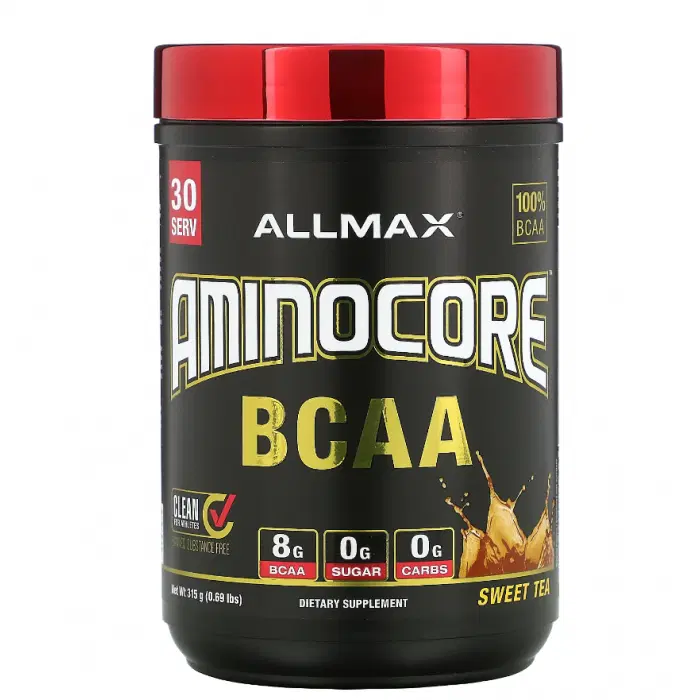
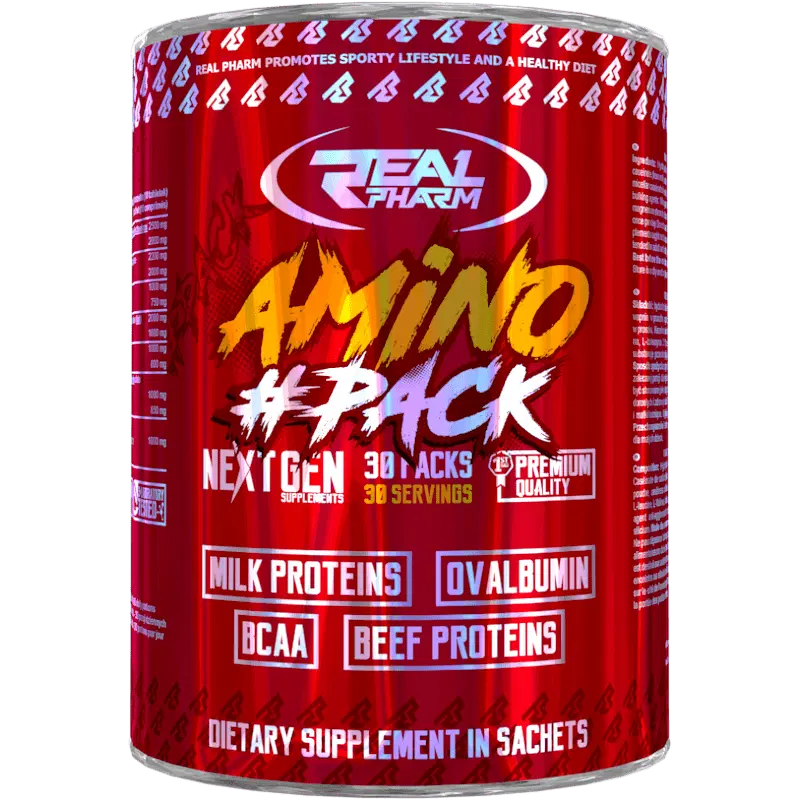
Recommended products
Frequently asked questions
What is the difference between EAA and BCAA?
EAA (Essential Amino Acids) include all nine essential amino acids that the body cannot produce on its own. BCAA (Branched-Chain Amino Acids) are a subset of EAA, consisting of only three amino acids: leucine, isoleucine, and valine. EAA provide a more complete spectrum for muscle recovery and growth.
When is the best time to take EAA?
The best time to take EAA is before, during, or after training to support muscle recovery and reduce muscle fatigue. You can also take them between meals to maintain a positive nitrogen balance.
Can I take EAA if I am not actively training?
Yes, you can take EAA even if you are not actively training. They are important for overall health, immune function, and maintaining muscle mass, especially on diets with limited protein intake. EAA can also be beneficial for older adults to prevent sarcopenia.
Are there any side effects from taking EAA?
Taking EAA at recommended doses is generally safe and does not cause side effects. In rare cases, at very high doses, mild gastrointestinal discomfort such as nausea or diarrhea may occur. Always consult a doctor before starting any supplements, especially if you have existing health conditions.