Carbohydrate drinks

Learn what are Carbohydrate Drinks, how they work, what are their benefits, and how to take them correctly. Expert analysis from SportZone.
What are Carbohydrate Drinks?
Carbohydrate Drinks — Carbohydrate drinks are specialized sports supplements designed to provide the body with easily digestible carbohydrates before, during, and after physical activity. Their main purpose is to maintain energy levels, prevent fatigue, and aid in muscle glycogen recovery.
🔬 From SportZone's Experience
In our work with over 50,000 clients, we see that the most common mistake is incorrect dosing of carbohydrate drinks – either too little, which has no effect, or too much, leading to stomach discomfort. The optimal carbohydrate ratio (usually 2:1 glucose:fructose) and proper dilution are key to effectiveness and tolerance.
⚡ Carbohydrate Drinks in a Nutshell
- Type: Energy supplement / Carbohydrate complex
- Origin: Nutritional (from cereals, fruits, sugars)
- Best for: Maintaining energy during training, post-exercise recovery
- Timing: Before, during, and after training
- Daily dose: Varies from 30 to 90 grams, depending on the intensity and duration of the activity
- Main benefit: Provide a fast and sustained source of energy for muscles, preventing glycogen depletion.
Simple Explanation: What do Carbohydrate Drinks do?
Imagine your muscles are like a car, and carbohydrate drinks are high-octane fuel. When you train hard, your muscles burn this fuel. A carbohydrate drink is like a quick refueling during a race, allowing you to keep going without stopping.
👉 In other words: They give your body quick energy so you can train longer and harder, and help replenish your energy stores afterward.
Scientific Explanation of Carbohydrate Drinks
Carbohydrate drinks are formulated solutions containing one or a combination of carbohydrates with different glycemic indices, such as dextrose, maltodextrin, fructose, isomaltulose, or highly branched cyclic dextrin (HBCD). These carbohydrates are absorbed into the bloodstream at varying rates, providing both immediate and more sustained glucose influx. Glucose is the primary energy substrate for skeletal muscles during physical exertion, and the intake of exogenous carbohydrates prevents the depletion of endogenous muscle and liver glycogen.
In addition to their energy function, carbohydrate drinks often contain electrolytes (sodium, potassium, magnesium), which are vital for maintaining hydration, nerve function, and muscle contractions, especially during prolonged training where their loss through sweat is significant. The osmolality of the drink is also a key factor influencing the rate of gastric emptying and the absorption of fluids and nutrients.
How do Carbohydrate Drinks work in the body and why are they effective?
The main mechanism of Carbohydrate Drinks involves:
📚 Scientific Sources
- Jeukendrup, A. E. (2004). Carbohydrate intake during exercise and performance. Nutrition, 20(7-8), 669-677. (DOI: 10.1016/j.nut.2004.04.004)
- Shi, X. (Ed.). (2020). Carbohydrate Metabolism: A Story of a Few Sugars. Academic Press. (PubMed: PMID: 29505500)
- Burke, L. M., Hawley, J. A., Wong, S. H., & Jeukendrup, A. E. (2011). Carbohydrates for training and competition. Journal of Sports Sciences, 29(sup1), S17-S27. (DOI: 10.1080/02640414.2011.585472)
- Hearris, M. A., Hammond, K. M., Fallowfield, J. L., Pugh, J. N., & Morton, J. P. (2018). Proximal and distal gastrointestinal responses to carbohydrate ingestion during exercise: a systematic review. Sports Medicine, 48(4), 841-862. (DOI: 10.1007/s40279-017-0849-0)
- Rapid replenishment of glycogen stores — Carbohydrates are broken down into glucose, which is transported to the muscles and liver, where it is stored as glycogen.
- Providing a constant energy supply — During training, glucose is oxidized to produce ATP, which powers muscle contraction and prevents fatigue.
- Maintaining blood sugar levels — Prevents a sharp drop in blood sugar (hypoglycemia), which can lead to weakness and reduced concentration.
👉 End result: Improves athletic performance, delays the onset of fatigue, and accelerates recovery after physical exertion.
What are the proven benefits of taking Carbohydrate Drinks?
- ✅ Increased endurance — Allows athletes to maintain a higher training intensity for a longer time, delaying fatigue.
- ✅ Accelerated recovery — Quickly replenishes depleted muscle glycogen stores after training, preparing the body for the next workout.
- ✅ Improved hydration — Often contains electrolytes that help maintain fluid balance and replace minerals lost through sweat.
- ✅ Prevention of catabolism — Reduces the breakdown of muscle tissue for energy, especially during long and exhausting workouts.
How to take Carbohydrate Drinks for best results?
Dosage: For workouts over 60 minutes, consume 30-60 grams of carbohydrates per hour. For recovery, 0.8-1.2 grams of carbohydrates per kilogram of body weight within 2 hours after training.
Timing: Before training (30-60 min) for energy loading, during training to maintain energy levels, and after training for rapid glycogen replenishment.
Practical advice: Experiment with different types of carbohydrates and concentrations to find the optimal one for your body and type of activity.
Should you take Carbohydrate Drinks?
✅ Yes, if:
- You train with high intensity or for long durations — Carbohydrate drinks are essential for maintaining energy and preventing fatigue during activity lasting over 60-90 minutes.
- You want to speed up your recovery — Taking them after training helps quickly replenish muscle glycogen, which is key for the next training day.
- You need a quick and easy energy source during competition — They provide easily digestible carbohydrates that do not burden the digestive system during physical exertion.
❌ No, if:
- You train with low intensity or for short durations — For short workouts (under 60 minutes), the body usually has sufficient glycogen, and additional carbohydrates are not needed.
- You are on a weight loss diet or a low-carbohydrate diet — Additional calorie intake from carbohydrates may hinder your weight reduction goals.
- You experience digestive issues when consuming during training — Some people experience stomach discomfort, which may require alternative energy sources or more careful selection of carbohydrate types.
Who is Carbohydrate Drinks NOT suitable for?
- People with diabetes or insulin resistance — Fast carbohydrates can cause unwanted blood sugar spikes.
- People who do not exercise actively — There is no need for additional fast carbohydrates if you are not expending significant energy.
- Those who want to lose weight and have a sedentary lifestyle — Additional calories will contribute to fat accumulation, not energy.
- Individuals with sensitive stomachs to certain types of sugars — Some ingredients may cause stomach discomfort or bloating.
Who is Carbohydrate Drinks best suited for?
- 🏋️♂️ Strength athletes — Support energy maintenance during heavy workouts and accelerate recovery for faster muscle growth.
- 🏃 Endurance athletes — Absolutely essential for marathon runners, triathletes, and cyclists to maintain glycogen stores and prevent "hitting the wall."
- 🧍♂️ Active individuals — Help maintain energy levels during prolonged physical activities like hiking, mountain biking, or intense group workouts.
- ⚽ Team sport athletes — Footballers, basketball players, and volleyball players need a constant energy supply during matches and training sessions.
What do Carbohydrate Drinks combine well with for maximum effect?
- Protein — For optimal post-workout recovery, the combination of carbohydrates and protein (3:1 or 2:1 ratio) is ideal for glycogen resynthesis and muscle repair.
- Creatine — Carbohydrates can enhance the absorption of creatine into muscle cells by stimulating an insulin response.
- BCAAs/EAAs — Taking amino acids along with carbohydrates during training can reduce muscle breakdown and support recovery.
Pros and Cons of Carbohydrate Drinks
✅ Pros
- Fast and easily digestible energy source.
- Increase endurance and delay fatigue.
- Accelerate glycogen store replenishment.
- Improve hydration (when containing electrolytes).
- Prevent muscle catabolism during long workouts.
❌ Cons
- Can cause stomach discomfort with incorrect concentration or in sensitive individuals.
- Additional calories that may not be desired during weight loss diets.
- Not necessary for short or low-intensity workouts.
How to choose quality Carbohydrate Drinks?
- Type of carbohydrates: For quality products, look for a combination of fast (dextrose, maltodextrin) and slow (isomaltulose, cyclic dextrin) carbohydrates for sustained energy release. Avoid drinks with a predominant amount of fructose unless for specific purposes.
- Electrolytes: In most cases, quality drinks contain essential electrolytes like sodium, potassium, and magnesium to maintain hydration and muscle function during prolonged exertion. Check the label content.
- Additives: Watch out for unnecessary artificial sweeteners, colors, and fillers. In quality products, the ingredient list is short and clear.
- Certifications and third-party testing: To be sure of purity and content, look for products that have been tested by independent laboratories and have quality certifications (e.g., Informed-Sport).
When to choose Carbohydrate Drinks over alternatives?
- Choose Carbohydrate Drinks if...
- You need fast-absorbing energy during a workout or competition lasting over 60-90 minutes. The goal is to consume 30-60 grams of carbohydrates per hour.
- You are looking for effective replenishment of glycogen stores after an intense workout, aiming for 0.8-1.2 grams of carbohydrates per kilogram of body weight in the first 2 hours.
- You have a sensitive stomach and avoid solid food during physical activity.
- Choose [protein shake] if...
- Your main goal is muscle recovery and stimulating protein synthesis, looking for 20-30 grams of protein with at least 2.5 grams of leucine.
- You need a longer feeling of fullness and slower nutrient release.
- Choose [water/electrolyte drink without carbohydrates] if...
- Your workout is short (under 60 minutes) and not high intensity, with the main goal being hydration.
- You only need to replenish electrolytes without added energy.
What to compare Carbohydrate Drinks with?
Understand how Carbohydrate Drinks differ from other supplements:
- Energy Gels — Carbohydrate drinks are better for hydration and easier intake during prolonged efforts, while gels are more concentrated and convenient for a quick energy "boost" without liquid.
- Protein Shakes — Carbohydrate drinks focus on energy and glycogen replenishment, while protein shakes are primarily for muscle recovery and growth; they are often combined for full effect.
- Plain Water — Carbohydrate drinks provide not only hydration but also vital electrolytes and fuel for muscles, which water cannot offer during intense exertion.
⚠️ Important: Dietary supplements are not a substitute for a balanced diet and a healthy lifestyle. The information in this article is for educational purposes and does not constitute medical advice. Consult a doctor before use, especially if you are taking medication, have chronic conditions, or are pregnant/nursing.
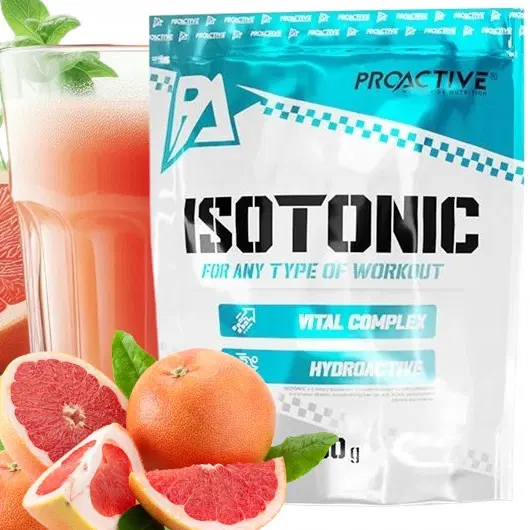
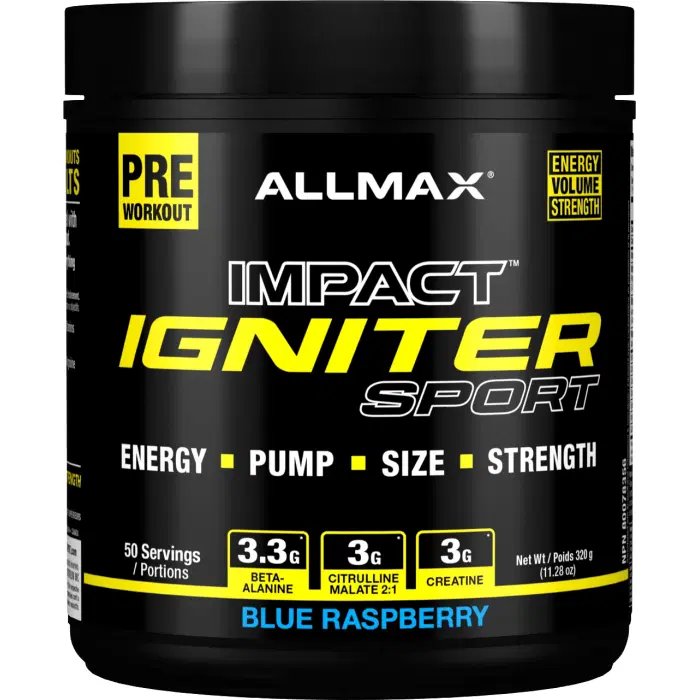
Recommended products
Frequently asked questions
What exactly are carbohydrate drinks and what are they used for?
Carbohydrate drinks are liquid nutritional supplements that provide fast-absorbing carbohydrates. They are primarily used by athletes for rapid replenishment of energy stores during and after prolonged or intense training sessions.
When is the most appropriate time to drink carbohydrate drinks?
The most effective time to consume carbohydrate drinks is during physical activity, especially for durations exceeding 60 minutes, to maintain energy levels. They can also be consumed within 30-60 minutes after training to accelerate recovery.
Are there any side effects from using carbohydrate drinks?
When used correctly and in recommended dosages, side effects are rare. However, some individuals may experience gastrointestinal issues such as bloating or diarrhea, especially if the drink is too concentrated or consumed too quickly.
Can I replace a regular meal with a carbohydrate drink?
Carbohydrate drinks are intended to supplement, not replace, a balanced diet. They provide quick energy but do not contain all the essential nutrients like proteins, fats, vitamins, and minerals that are important for overall health.