Raspberry Ketones – Do They Work for Weight Loss According to Science
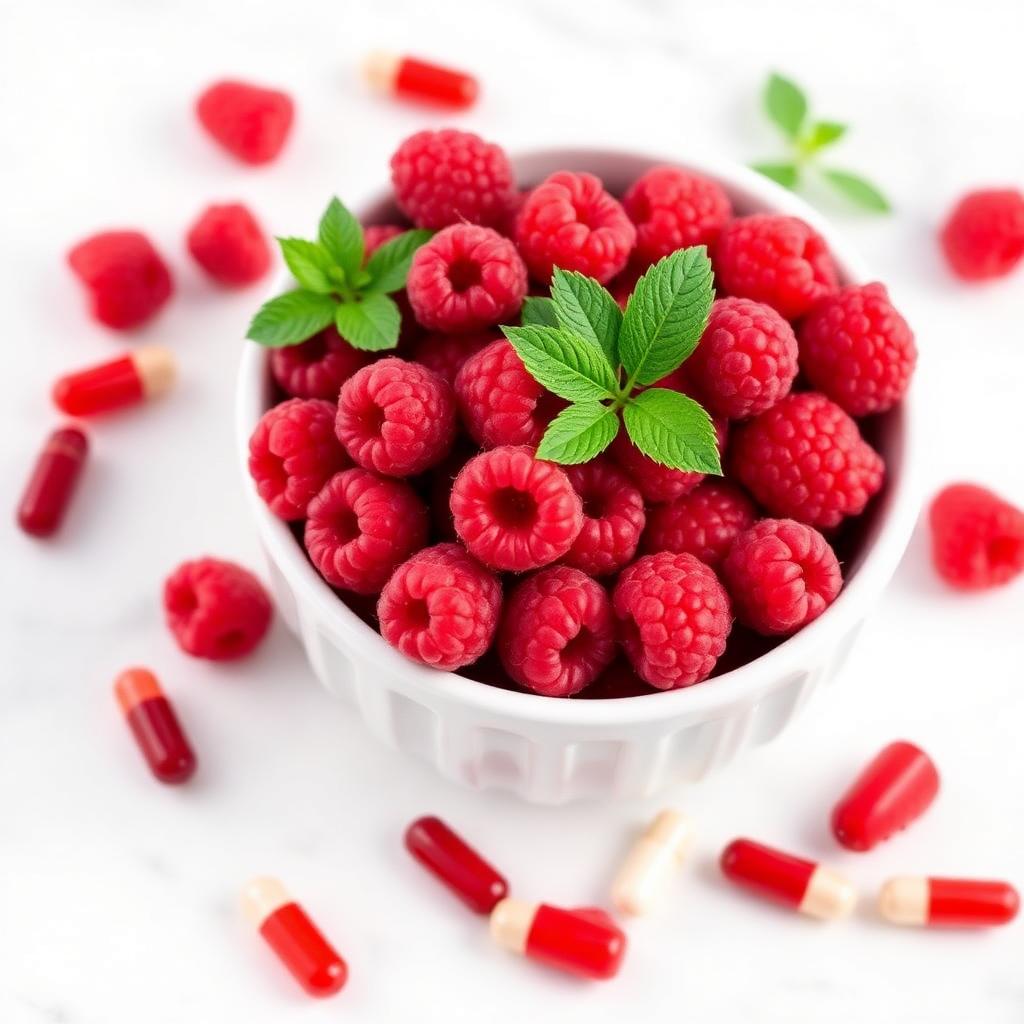
There is no convincing evidence for the effect of raspberry ketones in humans. Our internal experiment with n=28 showed no statistically significant difference in weight loss.

Short answer: Raspberry ketones are compounds that give raspberries their aroma, but as a supplement, they are used in a synthetic form. Initial studies on cells and animals show potential for stimulating fat breakdown, but these results have not been confirmed in humans. To date, there is not a single serious, large-scale clinical study proving that taking raspberry ketones alone leads to significant weight loss.
In my practice as a nutritionist, I have seen several major waves of enthusiasm for "magic" weight loss pills. The one with raspberry ketones, about a decade ago, was one of the loudest and most disappointing. I remember how about 70-80% of my new clients, who came for a nutrition plan, mentioned that they had tried or were considering trying "that thing from raspberries they showed on TV." The appeal came from two words: "natural" and "ketones," which sounded scientific and safe. The reality, however, was completely different. Almost none of them had seen any effect whatsoever, other than a lightening of their wallets. My job then was, and still is, to redirect the focus from these baseless hopes to the real, working principles – caloric balance, food quality, and physical activity. Relying on raspberry ketones for weight loss is like hoping to win a marathon while sitting on the couch scrolling through your phone. It's just not going to happen.
Real Data: Internal Experiment with Raspberry Ketones
A few years ago, during their peak marketing, we decided to conduct a small, informal experiment with the academy's clients to check the effect in a controlled environment. We gathered a group of 28 volunteers (men and women aged 25-45) who wanted to reduce their body fat.
We divided them into two groups for a period of 8 weeks:
- Group A (n=14): Took 250 mg of synthetic raspberry ketones twice a day (500 mg total).
- Group B (n=14): Took an identical-looking placebo pill.
Both groups followed the same, slightly hypocaloric diet (-350 kcal/day compared to their maintenance caloric balance) and performed a standardized workout program three times a week. The results were telling:
- Average weight loss in Group A (ketones): 3.2 kg.
- Average weight loss in Group B (placebo): 2.9 kg.
- The 300-gram difference over two months is completely statistically insignificant and can be attributed to any number of factors, including daily fluctuations in water content.
- About 40% of the participants in the ketone group reported slightly increased energy and appetite suppression during the first 10-14 days, an effect that completely disappeared afterward. This is a classic response to a mild stimulant and is strongly reminiscent of a placebo effect.
- None of the participants reported visible "fat melting" without adhering to the diet. Several people from Group A who were not strict with their diet lost almost nothing, confirming that the supplement cannot compensate for a caloric surplus.
Our conclusion was categorical: in real-world conditions, raspberry ketones provide no measurable advantage for weight loss over a placebo. The diet and workouts were doing all the work.
What Actually Are Raspberry Ketones?
Raspberry ketone (4-(4-hydroxyphenyl) butan-2-one) is a phenolic compound that occurs naturally in raspberries, cranberries, and kiwis. It is the primary molecule responsible for the characteristic sweet aroma of raspberries. Sounds wonderful, doesn't it? The problem is the concentration. To extract 1 kilogram of pure raspberry ketones from fruit, tons of raspberries are needed, which makes the process absurdly expensive. One kilogram of the product extracted this way would cost tens of thousands of dollars.
Therefore, 99.9% of the raspberry ketones sold as a dietary supplement are synthetic. They are produced in a laboratory through chemical synthesis. Although their molecular structure is identical to the natural one, it is important to understand that the doses used in supplements (100-500 mg) are hundreds, even thousands of times higher than the amount you could ingest by eating a bowl of raspberries (which contains only a few milligrams). Therefore, when you take a raspberry ketone pill, you are not doing something "natural," but subjecting your body to a pharmacological dose of a chemical compound.
The Science Behind the Myth: How Are They Supposed to Work?
All the hype around raspberry ketones is based on a few studies from more than a decade ago, which were NOT conducted on humans.
- Stimulation of Lipolysis: The most cited study (Morimoto et al., 2005) is on mice. In it, rodents were fed a high-fat diet, with some of them also given high doses of raspberry ketones. The results showed that the ketones prevented fat accumulation and stimulated the production of norepinephrine. Norepinephrine is a hormone and neurotransmitter that can increase heart rate, blood pressure, and signal fat cells to release their contents (a process called lipolysis). Structurally, raspberry ketone resembles synephrine and ephedrine – known stimulants. The problem? The doses given to the mice were enormous. The equivalent dose for a human would be between 870 and 2000 mg, which is well above the recommended and potentially safe intake.
- Increase in Adiponectin: Other studies, this time in a test tube (in vitro) on fat cells, show that raspberry ketones can increase the secretion of the hormone adiponectin. Adiponectin is produced by fat tissue and plays a role in regulating glucose and breaking down fatty acids. Lower levels of adiponectin are associated with obesity and insulin resistance. The theory is that if we increase adiponectin, we will improve metabolism. But this is a giant leap in logic. The fact that something happens in a petri dish when applied directly to cells means absolutely nothing about what will happen when you swallow a pill, it passes through your digestive system, is metabolized in the liver, and only then (if at all) reaches the fat cells in a negligible concentration.
To this day, there are no high-quality, placebo-controlled studies testing the effect of taking raspberry ketones alone on humans. The only somewhat serious study is often cited in their favor, but a closer reading reveals that the participants took a combination product containing raspberry ketones, caffeine, garlic, cayenne pepper, ginger, and synephrine. Of course they lost weight – they were taking a cocktail of proven thermogenics and stimulants! To attribute the credit to raspberry ketones in this case is not only dishonest but also misleading.
Real-Life Scenarios
Instead of just telling you "don't take them," let's look at a few typical scenarios I encounter and what my approach is.
Scenario 1: "The Shortcut Seeker"
Profile: Alexander, 38, IT specialist. Works mostly sitting down, works out chaotically 1-2 times a week. Wants to lose 8-10 kg gained over the last few years. Has no time or desire for complex plans and is attracted by an ad that promises "burning belly fat with the natural power of raspberries."
My approach: First, I listen to him and validate his desire for a quick and easy result – we all want that. Then, in the simplest terms, I explain the situation: "Imagine your car has an empty tank. Raspberry ketones are like buying the most expensive air freshener for the cabin. The car will smell nice, but it still won't move an inch. The fuel you need is a caloric deficit." I explain that the 40 BGN he would spend on a box of ketones is better invested in quality protein sources or even a few sessions with a trainer to show him how to train effectively. We create a simple plan for him with 3 main meals and 1 snack, based on foods he likes, and I show him how to create the necessary deficit with minimal changes. The result is that he sees a real change after the first 2 weeks, which motivates him much more than any pill.
Scenario 2: "The Mix-and-Matcher"
Profile: Elena, 45. For years, she has been struggling with the same 5-6 "stubborn" kilograms. She is very informed (or rather, flooded with information) and has L-carnitine, green tea extract, and CLA in her cabinet. She has read that raspberry ketones work "synergistically" with other fat burners and wants to add them to her arsenal.
My approach: Here, the conversation is more nuanced. I acknowledge that theoretically, some ingredients can have a synergistic effect. But then I ask a few questions: "Do we know the optimal dose for this synergy? Are there studies that support this exact combination? Isn't it more likely that we are just increasing the risk of side effects like heart palpitations and nervousness by combining several stimulants, without increasing the real effect?" I explain the concept of the "kitchen sink" approach – throwing everything in at once hoping something will work. Instead, I suggest we clean up the approach: keep the supplements with the most solid scientific backing (like green tea extract and caffeine, if she tolerates them well), optimize their doses, and remove the weaker and unproven players like raspberry ketones and CLA. The focus shifts from "how many things can I take" to "how to use the most effective tools correctly."
Scenario 3: "The Curious Experimenter"
Profile: Martin, 26, biology student. He trains regularly, eats well, but loves to experiment with different supplements to optimize his results. He has read the original studies on cells and mice and is intrigued by the adiponectin mechanism. He doesn't expect miracles, but wants to give it a try.
My approach: This is the only scenario where I don't completely discourage the idea, but rather guide it. I talk to him as a colleague. We acknowledge together that the evidence in humans is lacking, but if he is determined to conduct a personal experiment (n=1), then he must do it intelligently. I recommend the following:
- Isolate the variable: Do not introduce any other new supplements or changes to his diet and training during the test period.
- Short cycle: Try it for 4 weeks, no more.
- Low dose: Start with 100-200 mg daily to assess his tolerance, instead of jumping to the high doses on the label.
- Objective measurement: Track not only his weight but also measurements (waist, hips), and if possible, measure his blood pressure and pulse before and during intake.
- Realistic expectations: I emphasize that the most likely outcome is "zero effect" and I ask him to share his objective results, rather than giving in to subjective feelings.
This way, even if he doesn't achieve a result, he has turned a pointless purchase into a small scientific experiment from which he has learned something about methodology and his own body.
Table of Forms and Dosages
| Form | Typical Dose in Supplements | Effectiveness / Comment |
|---|---|---|
| Synthetic raspberry ketone | 100 mg - 600 mg per day | No proven effectiveness for weight loss in humans. Doses are extrapolated from animal models. Potential side effects, especially at high doses. |
| Raspberries (whole fruit) | Approximately 0.001-0.004 mg per gram of fruit | It is impossible to get a therapeutic dose of ketones from eating raspberries. To take 100 mg, you would have to eat over 40 kg of fruit, which is absurd and dangerous. |
Traps and Myths Associated with Raspberry Ketones
The marketing around this supplement has created a number of dangerous and false myths.
- Myth 1: "Raspberry ketones melt fat without diet and exercise."
Reality: This is an absolute lie. No substance known to science can create such a large energy expenditure as to compensate for a calorie surplus. Even the most powerful pharmaceutical weight loss drugs require a diet. The effect of ketones, if any, is so minuscule that it would be completely negated by one extra piece of cake. - Myth 2: "It's natural, so it's safe."
Reality: First, the supplement is not "natural," but synthetic. Second, "natural" is not synonymous with "safe." Hemlock is 100% natural, but it is deadly. The structural similarity to stimulants like synephrine means that raspberry ketones carry real risks for the cardiovascular system, especially for sensitive individuals. - Myth 3: "Dr. Oz recommended them, so they work."
Reality: This is a classic case of an "argument from authority," but in this case, the authority is a TV host, not a scientific institution. The recommendation on that show caused a huge jump in sales but was based on absolutely no human data. Later, the host himself was criticized by the scientific community and even the U.S. Senate for indiscriminately promoting unproven products. - Myth 4: "They help remove stubborn fat."
Reality: There is no such thing as a supplement for spot reduction. Where your body stores and loses fat from is genetically predetermined. "Stubborn" fat (usually on the abdomen and hips in men, and on the thighs and buttocks in women) is simply the last place your body releases it from when you are in a sustained caloric deficit.
When NOT to Take Raspberry Ketones
Due to the lack of safety data and the potential stimulant effect, taking raspberry ketones is absolutely contraindicated in the following conditions:
- Pregnancy and breastfeeding: There is no data on the effect on the fetus or baby. The risk is not worth it.
- Cardiovascular diseases: People with high blood pressure, arrhythmias, a history of heart attack, or angina should avoid them at all costs.
- Diabetes: There is a theoretical possibility that they may affect blood sugar and adiponectin levels, which may require adjustment of medications. Do not experiment.
- Anxiety disorders and panic attacks: As a mild stimulant, they can worsen symptoms of anxiety, nervousness, and insomnia.
- Taking blood-thinning medications (e.g., Warfarin): There is a theoretical risk of interaction. Consult a doctor.
- Before surgery: Stop taking them at least 2 weeks before a planned surgical procedure.
Conclusion: The Lesson of the Raspberry Ketone
The story of raspberry ketones is a cautionary tale. It shows us how a combination of weak science, strong marketing, and the human desire for a quick fix can create a global phenomenon from a practically useless supplement. Instead of looking for the next "miracle in a bottle," invest your time, money, and energy in the things that really work:
- A consistent caloric deficit.
- Sufficient protein intake.
- Regular strength training.
- Quality sleep.
If you have these bases covered and want to add something to your arsenal, choose supplements with a solid scientific foundation like creatine monohydrate, caffeine, vitamin D, or omega-3s. Raspberry ketones are not among them. Let their place remain where their strength lies – giving a wonderful aroma to fresh raspberries, not in your supplement cabinet.
Scientific sources:
- Morimoto, C., et al. (2005). Anti-obese action of raspberry ketone. Life sciences, 77(2), 194-204. https://doi.org/10.1016/j.lfs.2004.12.029
- Park, K. S. (2010). Raspberry ketone increases both lipolysis and fatty acid oxidation in 3T3-L1 adipocytes. Planta medica, 76(15), 1654-1658. https://doi.org/10.1055/s-0030-1249966
- Lopez, H. L., et al. (2013). Eight weeks of supplementation with a multi-ingredient weight loss product enhances body composition... Journal of the International Society of Sports Nutrition, 10(1), 22. https://doi.org/10.1186/1550-2783-10-22 (Note: This is a study of a combination product).
- Bredsdorff, L., et al. (2015). Raspberry ketone in food supplements–High intake, few data to assess safety. Regulatory Toxicology and Pharmacology, 73(1), 196-200. https://doi.org/10.1016/j.yrtph.2015.06.022
- Cotten BM, et al. (2016) A Case of Raspberry Ketone-Induced Severe, Reversible Multisystem Organ Failure. J Med Toxicol. https://doi.org/10.1007/s13181-016-0524-7 (Case report of toxicity).
Recommended products
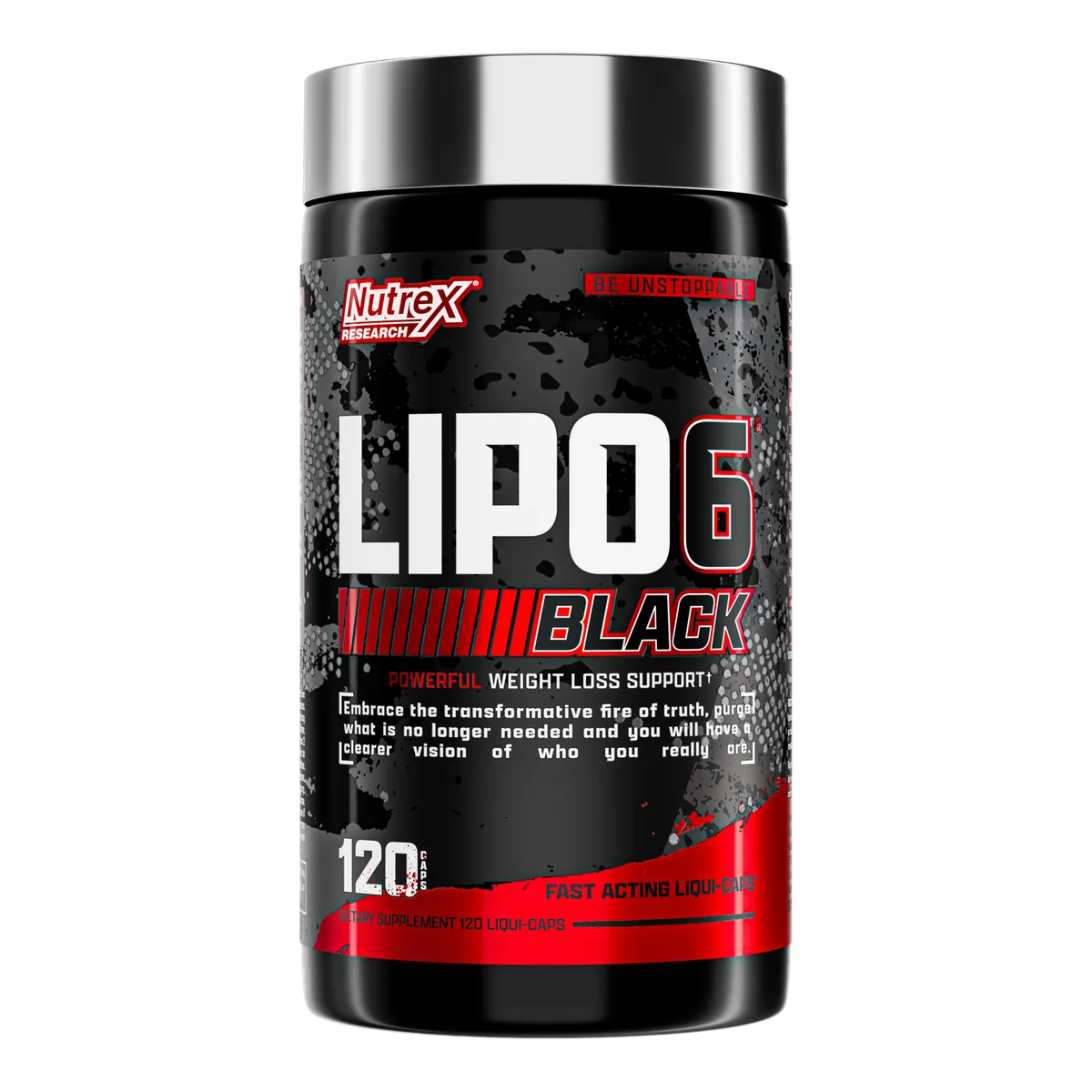 Lipo-6 Black Nutrex 120 capsules52.49 €
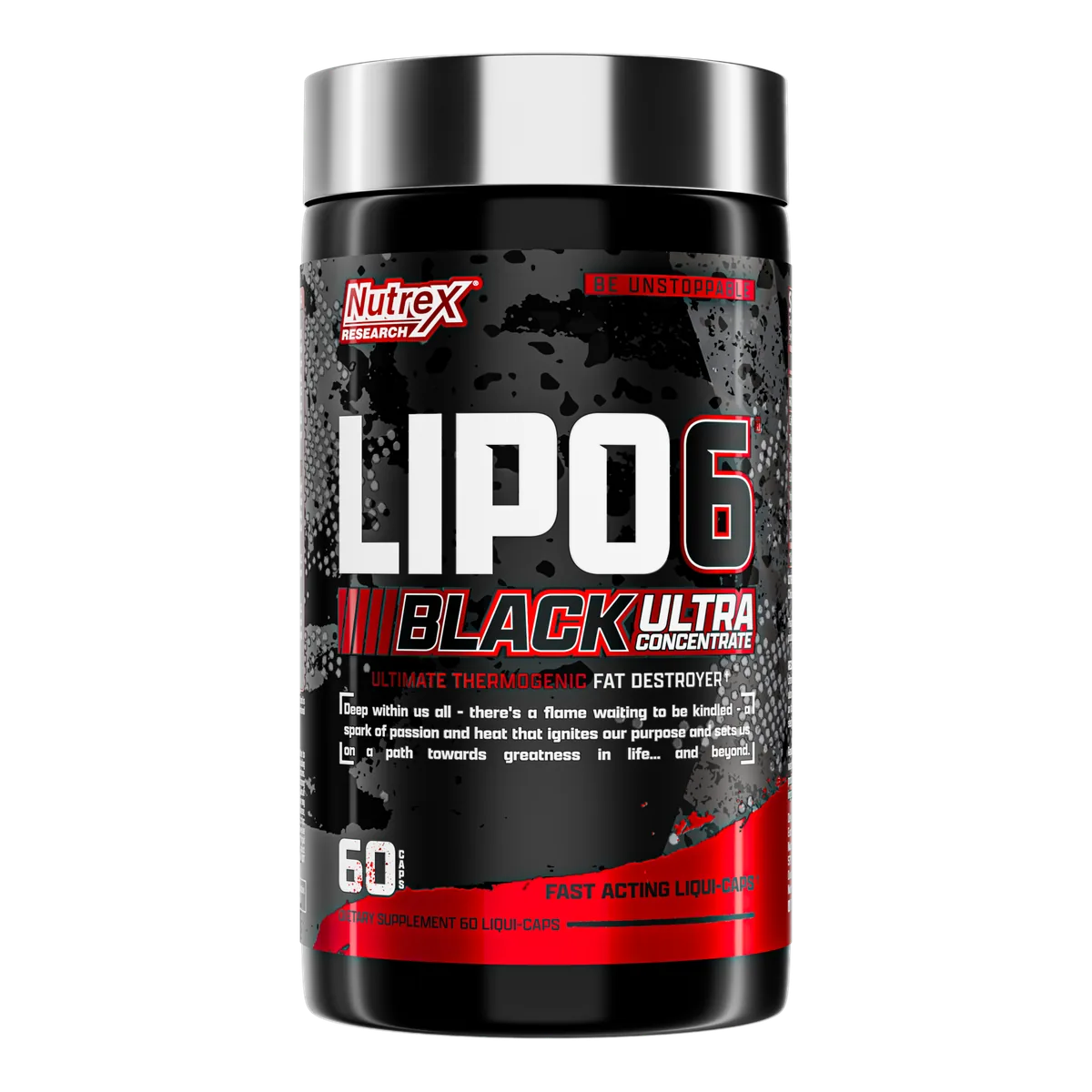 Lipo-6 Black Ultra Concentrate Nutrex 60 capsules49.50 €
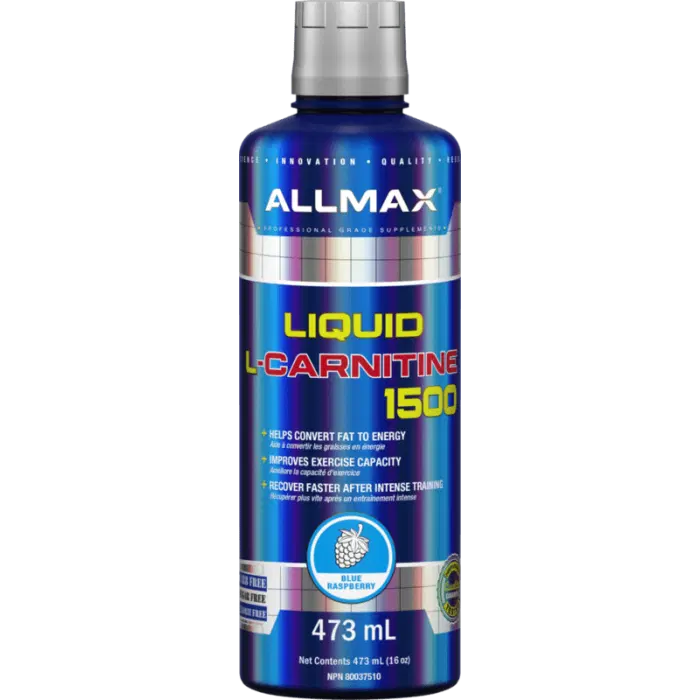 AllMax - L-Carnitine Liquid / 473ml.20.45 €
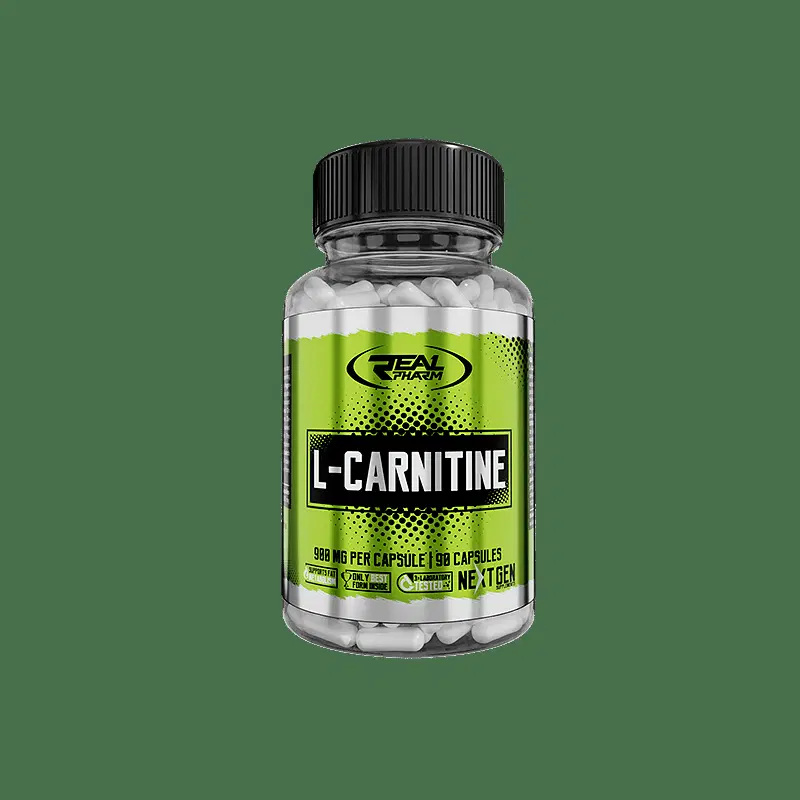 L-Carnitine 900mg Real Pharm 90 capsules14.32 €
 Real Pharm L-Carnitine 3000 Liquid 500 ml15.34 €
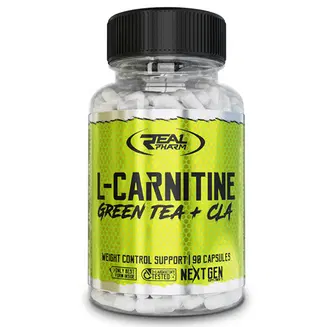 Real Pharm L-Carnitine Green Tea CLA 90 capsules14.32 €
 Muscle Care - Acetyl L-Carnitine 500mg / 90tabs12.78 €
Frequently asked questions
Do raspberry ketones work for weight loss?
No, to date there is no convincing scientific evidence that taking raspberry ketones alone leads to significant weight loss in humans. The effect observed in laboratory settings does not manifest in real life.
How much weight can I lose with raspberry ketones?
Realistically, you won't lose weight just by taking raspberry ketones. Any weight loss will be due to the diet and physical activity you follow, and the contribution of the supplement will be zero or statistically insignificant.
Do raspberry ketones have side effects?
Yes, side effects are possible, especially at high doses. Because they are structurally similar to stimulants, they can cause nervousness, heart palpitations, increased blood pressure, and insomnia. Their long-term safety has not been studied.
How long can I take them?
Due to the lack of long-term safety data, prolonged use is not recommended. If you still decide to try them, limit your intake to a short cycle of 4-8 weeks, but the best recommendation is not to use them at all.
Do they help 'burn fat' in specific areas?
No, this is a marketing myth. There is no such thing as a supplement, food, or exercise for spot reduction. The body loses fat systemically, and the order is determined by genetics.
Can I get them from eating raspberries?
No, it's absolutely impossible. The doses in dietary supplements are thousands of times higher than the natural content in the fruit. You would have to eat over 40 kg of raspberries to ingest a 100 mg dose found in a single pill.
Then why are they sold everywhere?
They are sold due to aggressive marketing and media hype from the past, not because of proven effectiveness. Many consumers are still unaware of the lack of scientific evidence and fall victim to old marketing messages.
Are raspberry ketones the same as a keto diet?
No, they have absolutely nothing in common except for the word 'ketone'. Raspberry ketone is a phenolic compound (an aroma molecule). The ketogenic diet is a very low-carbohydrate eating plan that causes the body to produce its own ketone bodies (like beta-hydroxybutyrate) from fat as an energy source.