Ultra-processed foods
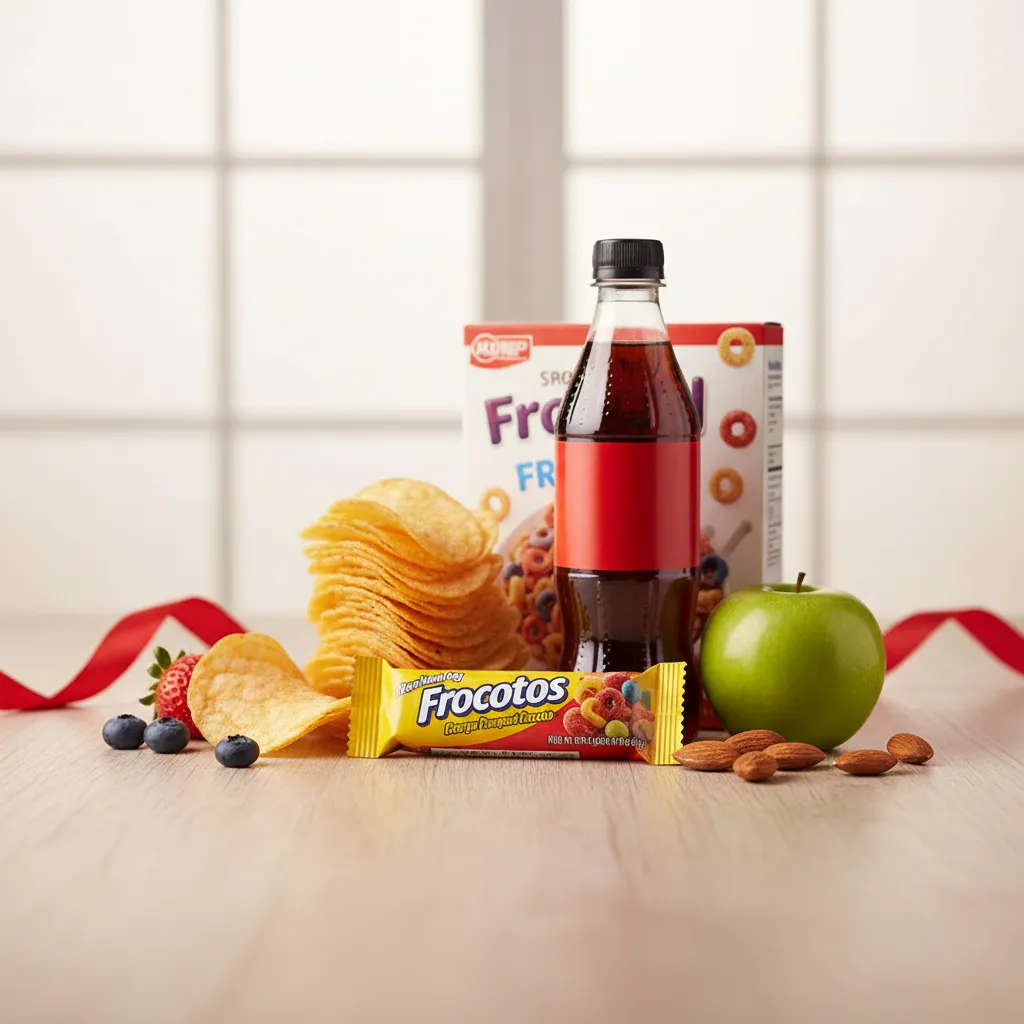
Brief expert definition: What are Ultra-processed foods, how do they work in the body, and how are they applied in sports nutrition.
Short answer: Ultra-processed foods (UPFs) are industrially produced products with additives, low nutritional density, and high caloric intake, which compromise athletes' recovery and energy levels, unlike minimally processed foods. Practical advice: Avoid UPFs to maintain an optimal diet and achieve your training goals.
Ultra-processed foods is an industrially produced food that involves several manufacturing processes and often contains additives.
For broad context, see the complete guide to proper nutrition — a fundamental guide from the expert team at Sport Zona.
What are ultra-processed foods?

Ultra-processed foods are products heavily modified by industrial processes, often including additives that make them more durable and tasty, but less healthy.
📖 Ultra-processed foods
Industrially produced products with complex compositions (hydrogenated fats, high-fructose corn syrup, synthetic additives) aimed at improving taste and shelf life, but with low nutritional value.
Ultra-processed foods (UPFs), also known as hyper-processed foods, represent a broad category of products that have undergone significant industrial processes. They are characterized by the presence of ingredients not typically used in home cooking, such as hydrogenated fats, modified starches, high-fructose corn syrup, and synthetic flavorings, colorings, and preservatives. The purpose of these processes is to enhance the taste, texture, shelf life, and low cost of the products, while often reducing the content of fiber, vitamins, and minerals.
Biochemically, UPFs are often distinguished by a high concentration of refined carbohydrates, saturated and trans fats, and a significant amount of sodium. They stimulate the brain's reward centers, which can lead to overconsumption and the development of dependencies. Unlike minimally processed foods (such as fruits, vegetables, meat), which retain much of their natural nutritional structure, UPFs are formulated to be "hyper-palatable" – meaning tasty and satisfying, but often with low nutritional value.
What is the mechanism of ultra-processed foods?
The mechanism of ultra-processed foods involves a complex impact on the human body at several levels, often negative, leading to advantages such as long shelf life, convenience, low cost, and attractive taste, but also disadvantages such as high glycemic load, low nutritional density, impaired gut microbiome, weight gain, and cardiovascular problems.
- Long shelf life
- Convenient for quick consumption
- Low production cost
- Intense and attractive taste
Disadvantages
- High glycemic load and insulin spikes
- Low nutritional density and deficiencies
- Worsen the gut microbiome
- Contribute to weight gain and cardiovascular problems
The mechanism of ultra-processed foods affects the human body on several levels, often negatively. The high content of rapidly digestible carbohydrates (such as sucrose, high-fructose corn syrup) leads to a sharp rise in blood sugar and subsequent insulin release. This rapid bodily reaction, combined with low fiber content (which slows absorption), can lead to frequent fluctuations in energy levels and increased feelings of hunger after a short period.
Furthermore, added chemicals and emulsifiers can affect the gut microbiome, disrupting the balance of beneficial bacteria. This, in turn, is associated with inflammatory processes and the potential for impaired digestion and nutrient absorption. High sodium levels contribute to fluid retention and increased blood pressure, while trans fats, commonly found in UPFs, are linked to an increased risk of cardiovascular disease. UPFs work by:
- High glycemic load, leading to insulin spikes.
- Distortion of the gut microbiome.
- High content of sodium and unhealthy fats.
- Low nutritional density.
Why are ultra-processed foods important for athletes?
For athletes, ultra-processed foods have a direct and significant impact on athletic performance, recovery, and overall health, as maintaining an appropriate diet is necessary to achieve training goals, and UPFs often contradict these needs.
For example, while an athlete may need 1.6-2.2 grams of protein per kilogram of body weight daily for muscle growth and recovery, UPFs are often low in high-quality protein. Instead, they are abundant in fast sugars, which lead to a short-term energy boost followed by a crash, which is undesirable during prolonged training or competition. For athletes striving for peak performance, it is critical to maintain stable blood sugar and ensure adequate nutrient intake. Excessive consumption of UPFs can lead to increased body fat, inflammation, and impaired recovery, directly affecting strength, endurance, and the ability to adapt to training stress.
What are the related concepts?
Fructose is a common sweetener in ultra-processed foods that can contribute to fatty liver disease and insulin resistance with excessive intake. The Glycemic Index (GI) is a measure indicating how quickly a carbohydrate raises blood sugar, with many ultra-processed foods having a high GI. Maltodextrin is a high-carbohydrate polysaccharide used as a filler and thickener in ultra-processed foods, rapidly digestible and with a high glycemic index. Sucrose is also known as table
Athletes should limit their intake of UPFs to under 10% of their daily caloric intake to maintain good recovery and immune function. The focus should be on whole, unprocessed foods. — Petar Mitkov
Remember: Minimal consumption of ultra-processed foods is key for good health, athletic performance, and avoiding negative metabolic effects.
Expert Note from Sport Zona
From my work with Bulgarian athletes over the years, I always emphasize that avoiding ultra-processed foods is an important factor in optimizing athletic performance and overall health. Their frequent presence in the diet hinders recovery and maintaining proper body weight. Even the best training cannot compensate for a poor diet dominated by highly processed products.
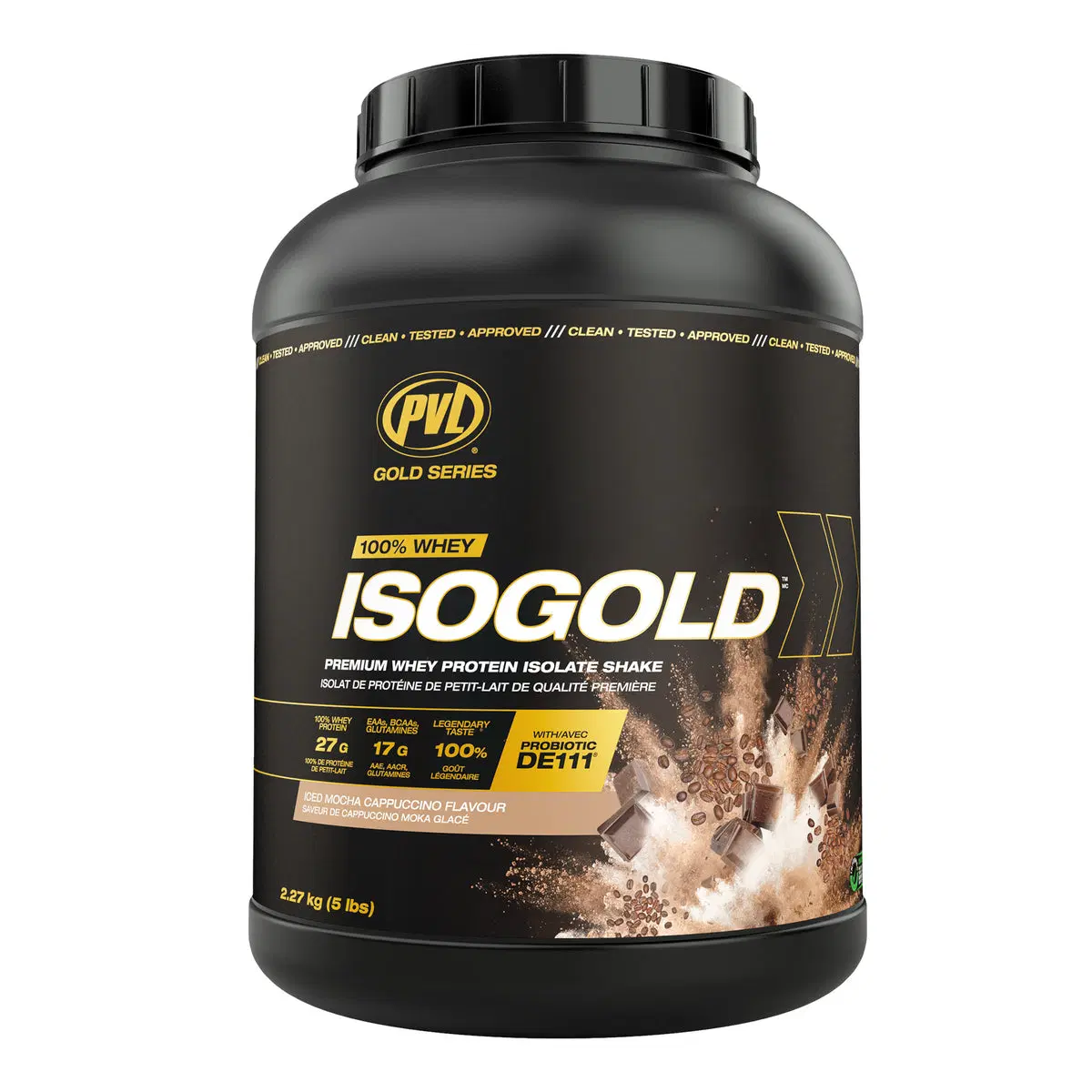
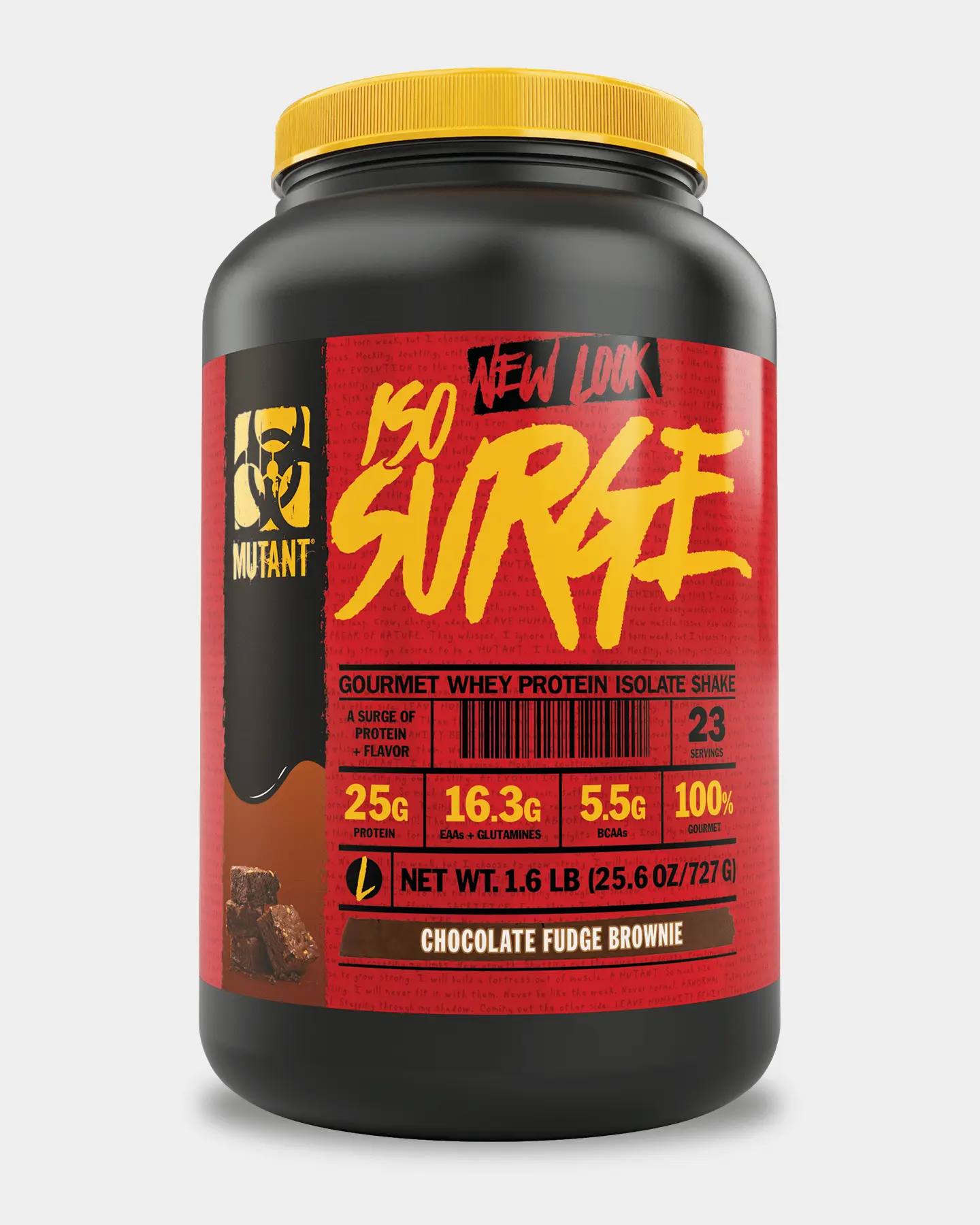
Recommended products


Frequently asked questions
What are ultra-processed foods (UPFs) and why are they a problem for athletes?
UPFs are industrially produced foods with many additives and few whole foods, often with low nutritional density. In athletes, they can impair recovery, energy levels, and overall health, compromising athletic performance.
How do UPFs affect the body post-workout?
UPFs cause rapid blood sugar spikes and subsequent crashes, leading to unstable energy levels and increased hunger. This hinders effective muscle recovery and replenishment of energy stores.
Does the type of additives in UPFs matter for athletes?
Yes, additives such as hydrogenated fats, high-fructose corn syrup, artificial flavors, and preservatives can negatively impact the gut microbiome and inflammatory processes, which is detrimental to an athlete's recovery and overall health.
Can UPFs provide enough energy for prolonged workouts?
UPFs primarily offer fast carbohydrates that provide a short-term energy surge followed by a crash. This makes them unsuitable for sustained energy during long and intense workouts, unlike complex carbohydrates.