Carnosine and Nitric Oxide: The Dynamic Duo of Protection and Flow

Carnitine doesn't just increase nitric oxide – it intelligently manages it. An analysis of the bidirectional relationship between the dipeptide moderator and the gas signaling molecule for sports, health, and neuroprotection.
Short answer: Carnosine doesn't just boost nitric oxide, it intelligently regulates it, ensuring homeostasis and protecting against damage while NO acts as an executive agent for vasodilation. This bidirectional relationship enhances athletic performance, immune defense, and neuroprotection. Practical advice: For optimal endurance and protection, take 3.2-6.4 grams of beta-alanine daily, combining it with nitric oxide boosters for a synergistic effect.
While most supplements focus solely on *boosting* nitric oxide, Carnosine offers something unique – Homeostasis. It doesn't just increase NO, but manages it to provide benefits without causing cellular damage.
See also the expert knowledge base on supplements — over 270 expert-verified articles by Petar Mitkov and the Sport Zona team.
Why are stability and reactivity important for carnosine and nitric oxide?
A comparative matrix presents a tabular analysis of the characteristics of the long-lasting dipeptide Carnosine and the instantaneously disappearing gas Nitric Oxide, illustrating their differences in chemical status, location, primary profile, mechanism, relationship to NO, and athletic effect.

| Characteristic | Carnosine (L-Carnosine) | Nitric Oxide (NO) |
|---|---|---|
| Chemical Status | Long-lasting dipeptide | Instantaneous gas |
| Location | Muscles, brain, heart | Blood vessels, immune cells |
| Primary Profile | "Buffer" and Antioxidant | "Signaling molecule" and Vasodilator |
| Mechanism | Binds to metals and toxins | Relaxes smooth muscle |
| Relationship to NO | Intelligent regulator | Executive agent |
| Athletic Effect | Reduces muscle burn | Increases pump and flow |
What are the interactions between carnosine and nitric oxide?
The relationship between these two molecules is a bidirectional process that is entirely context-dependent on the tissue.
Simply put: This section discusses how carnosine and nitric oxide interact in the body, much like how two good friends help each other to achieve a common goal.
Scientific Sources
- Hipkiss, A.R. (2009). Carnosine and its possible roles in nutrition and health. Advances in Food and Nutrition Research, 57, 87-154. (PubMed ID: 19136154)
- Deley, G., et al. (2010). Beta-alanine supplementation increases muscle carnosine content and may improve high-intensity exercise performance. Amino Acids, 39(2), 321-333. (DOI: 10.1007/s00726-010-0524-y)
- Ignarro, L.J. (2002). Nitric oxide as a unique signaling transduction mediator in vascular smooth muscle. The American Journal of Medicine, 113(Supplement 1A), 17S-23S. (PubMed ID: 12513904)
- Popovic, N., et al. (2020). L-Carnosine as a Potential Therapeutic Agent for Vascular Dysfunction. Biomolecules, 10(12), 1690. (DOI: 10.3390/biom10121690)
We see that the combination of Carnosine and NO boosters leads to a more pronounced and long-lasting "pump," as well as faster recovery. A common mistake is to rely on only one of the components; mutual enhancement is the key to maximum results and cell protection. We observe that athletes taking carnosine report a significant reduction in muscle fatigue during high-intensity training.
1. Endothelial Effect: "Vasodilatory Boost"
In healthy blood vessels, carnosine acts as an Engine.
Calcium Mechanism: Carnosine stimulates the release of calcium ions in the cells lining the vessels (endothelium). This calcium activates the enzyme *eNOS*, which begins to produce nitric oxide.
Result: Vessels dilate, blood pressure is optimized, and oxygen delivery to the muscles improves.
2. Immune Shield: "Taming Oxidative Stress"
During inflammation, immune cells (macrophages) produce excessive amounts of "bad" nitric oxide via the *iNOS* enzyme.
Direct Scavenging: Carnosine literally captures free NO molecules before they turn into the damaging *peroxynitrite* (when they encounter superoxide).
Conversion: It transforms aggressive NO into stable nitrites, which are safe for cells.
Why is nitric oxide balance important for neuroprotection?
The brain is an organ most sensitive to changes in nitric oxide levels.
Protection from "Excitotoxicity": When NO levels in the brain spike too high (e.g., during stress or ischemia), it begins to kill neurons. Carnosine acts as a "shield," protecting the nerve cell mitochondria from this "burnout."
Cognitive Regulation: By modulating NO levels, carnosine can balance neural excitability, which is beneficial in states of hyperactivity or mental overload.
What is carnosine for athletes beyond the pH buffer?
Carnosine (and its precursor Beta-alanine) is taken by athletes primarily as a means to combat lactic acid, but new research reveals a broader spectrum of benefits.
- Improved Microcirculation: By supporting the NO pathway, carnosine ensures that the smallest capillaries remain open to nourish muscle fibers.
- Protein Protection (Anti-glycation): Carnosine prevents sugars from binding to proteins, which, combined with good NO flow, keeps blood vessels young and elastic.
- Rapid Recovery: By reducing inflammatory NO after training, carnosine shortens tissue repair time.
How to combine carnosine and nitric oxide for maximum benefits?
Take CARNOSINE (or Beta-alanine) if:
- Your goal is endurance and the ability to perform under high acidity (muscle burn).
- You want to protect your cardiovascular system and improve arterial elasticity.
- You are looking for an "anti-aging" effect for the brain and skin.
Combine with NITRIC OXIDE BOOSTERS if:
- You seek mutual enhancement: The NO booster provides the powerful blood flow, and carnosine ensures this process is safe.
- Your muscles need to work longer in this environment of increased blood flow.
The practical algorithm for taking carnosine (or beta-alanine) is if the goal is endurance and performance under high muscle acidity, cardiovascular system protection, improved arterial elasticity, or an "anti-aging" effect for the brain and skin. Combining with nitric oxide boosters is recommended to achieve mutual enhancement, with the NO booster providing powerful blood flow and carnosine ensuring the safety of this process and supporting longer muscle activity.
For a good effect and combined effect, we recommend a stack of 3g beta-alanine (precursor to carnosine) and 6g L-citrulline malate (precursor to nitric oxide), taken 30 minutes before training. Additionally, 1.5g of L-carnosine in the morning enhances long-term benefits for cellular protection.
What makes "Carnosine + Citrulline" a gold standard?
- Beta-alanine (carnosine precursor): 3.2 – 6.4 grams daily (divided into doses to avoid skin "needles"). It takes 2–4 weeks for levels to saturate.
- L-Carnosine (direct): 500 – 1000 mg daily for specific neuroprotection and immune support.
- Timing: Carnosine works through accumulation, so the timing of intake is less important than consistency.
Expert Conclusion
Carnosine is an intelligent supplement that "reads" the body's needs for nitric oxide on its own, regulating its levels depending on the condition: increasing them during exercise and decreasing them during illness. The combination of Beta-alanine and Citrulline is considered the "gold standard" among athletes seeking both endurance and pump.
🧭 When to Choose What?
- Choose Carnosine if your goal is maximum cellular protection against oxidative stress and muscle fatigue.
- Choose Nitric Oxide (or its precursors) if you want to improve athletic endurance and muscle pump through vasodilation.
- Combine the two if you are looking for a combined effect to improve overall athletic performance, recovery, and extend training sessions.
📖 What are Carnosine and Nitric Oxide?
Carnosine is a dipeptide composed of histidine and beta-alanine, which acts as a buffer against the buildup of acids in muscles. Nitric oxide (NO) is a signaling molecule that regulates blood pressure and improves blood flow by relaxing blood vessels.
⚖ Pros and Cons
| Pros | Cons |
|---|---|
|
|
🗣 Explained Simply
Carnosine is like a shield for your cells, and nitric oxide helps blood flow more freely. Together, they create a team that protects your body and ensures good blood flow. You'll see exactly how they work in sync.
Choose the right product for your goal:
→ Pre-workout formulas with beta-alanine (carnosine precursor)
→ Amino acids (L-arginine/L-citrulline for nitric oxide)
→ Vitamins and minerals (antioxidants)
Combined protocol for maximum effectiveness:
Combining products increases effectiveness. According to Sport Zona practice.
Expert Note from Sport Zona
From my over 12 years of working with Bulgarian athletes, I've noticed that the combination of carnosine and NO precursors yields the best results for more intense and longer workouts. Carnosine acts as a buffer, and I often recommend it during periods of higher volume. Many athletes experience less muscle "burn" and faster recovery. This tandem has proven beneficial for maintaining consistent power throughout the entire workout.
Recommended products
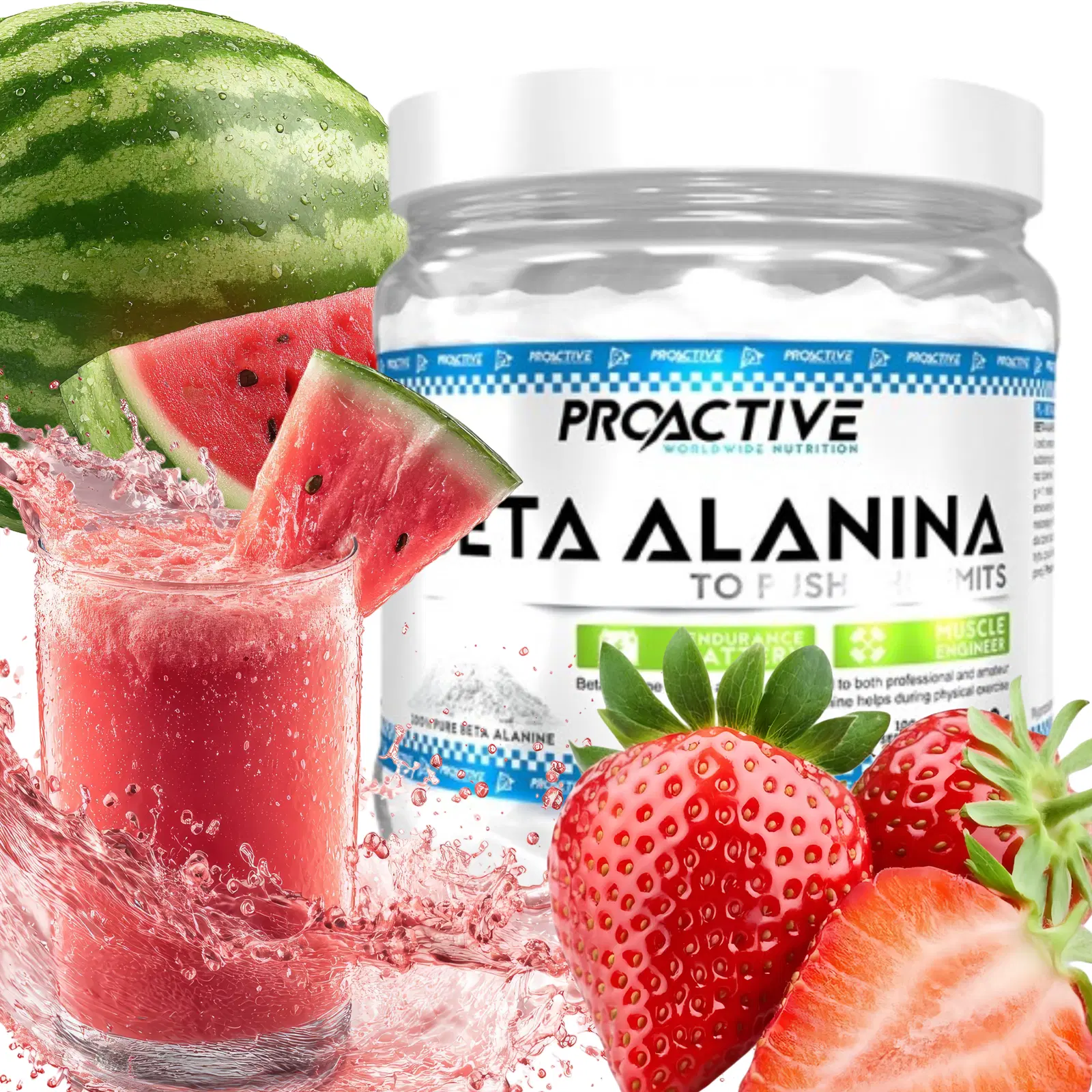
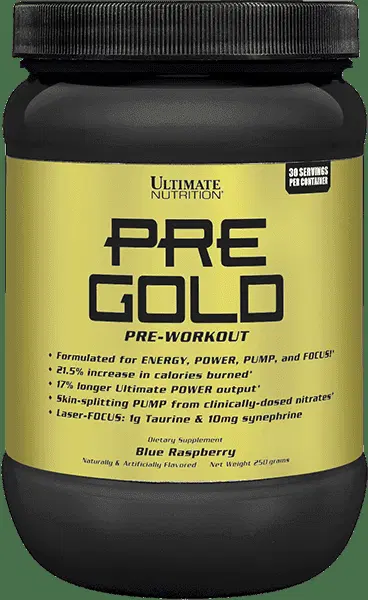
Frequently asked questions
Can Carnosine be taken simultaneously with other nitric oxide boosters?
Yes, combining Carnosine with other nitric oxide boosters is recommended for a synergistic effect. While boosters ensure blood flow, Carnosine ensures this process is safe and effective.
Which is more suitable for beginner athletes - Carnosine or Beta-Alanine?
For beginners, Beta-Alanine intake is more common as it is a precursor to Carnosine. It helps build muscle Carnosine in the long term, leading to reduced muscle burn.
When is the best time to take Carnosine or Beta-Alanine?
Since these supplements work by accumulating in the body, the specific timing of intake is less important than consistency. It is important to take them regularly to achieve the effect.
Do Carnosine or Beta-Alanine have side effects?
The main side effect of Beta-Alanine can be a "needles" sensation or skin tingling, which can be avoided by splitting the daily dose. Carnosine is usually well-tolerated.