Coconut Sugar vs. Brown Sugar: Glycemic Control and Insulin Response
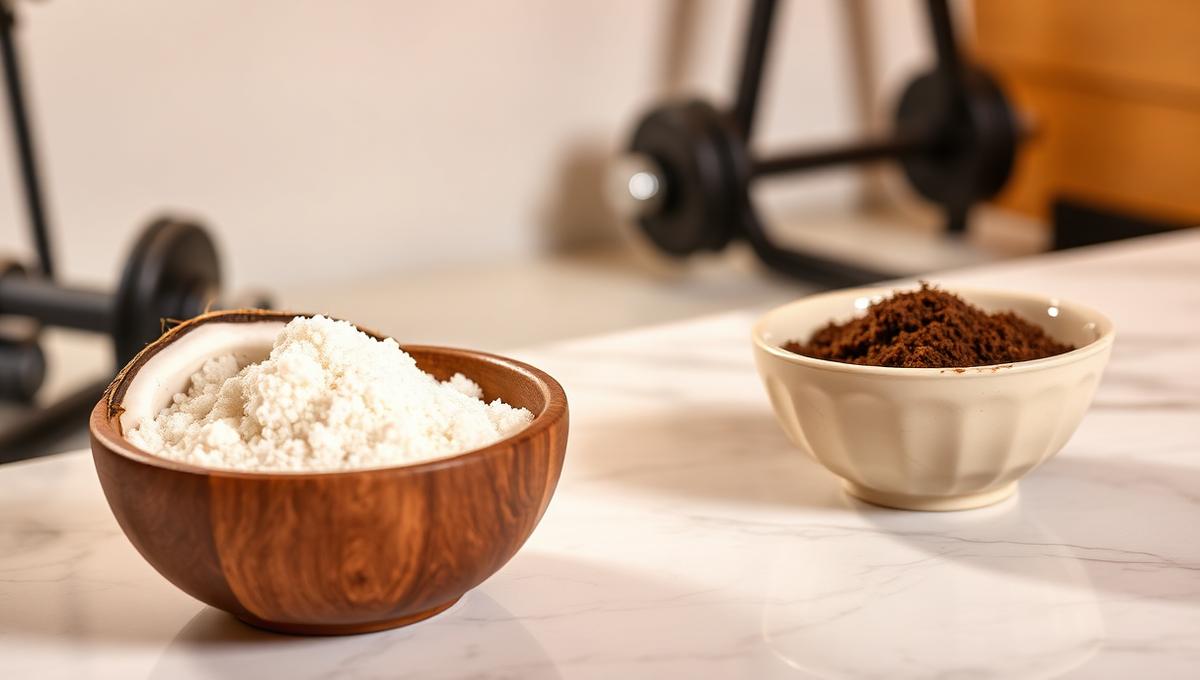
Detailed comparison of coconut sugar and brown sugar for athletes. Analysis of glycemic index, inulin fiber, electrolyte profile (potassium, magnesium, iron), and practical protocols for energy management.
Why Sugar Structure Determines Your Energy Threshold
In 2026, sports nutrition views sugars as "time vectors". The choice is not just caloric, but depends on whether you need stable homeostasis (Coconut Sugar) or an anabolic peak for recovery (Brown Sugar).
💬 Simply put:
Coconut sugar is like a diesel engine – it provides stable power for a long journey. Brown sugar is like a nitro button – you press it for an instant boost, but the effect is short-lived.
📊 Comparative Matrix: System Analysis (per 100g)
| Characteristic | 🥥 Coconut Sugar | 🟤 Brown Sugar (Muscovado) |
|---|---|---|
| Glycemic Index | ~35 – 54 (Low/Medium) | ~65 (High) |
| Carbohydrate Type | Sucrose + Inulin | Sucrose + Molasses |
| Potassium | 1030 mg (Electrolyte Boost) | ~130 mg |
| Magnesium | 29 mg | 9 mg |
| Iron | 2.0 mg | 0.7 mg |
| Fiber (Inulin) | Yes (Prebiotic Effect) | No |
| Fructose (free) | ~3-5% | ~50% (as part of sucrose) |
🧬 In-depth Analysis of Mechanisms for Athletes
1. Coconut Sugar: "Intelligent Energy Transfer"
Coconut sugar is not just a sweetener, but a complex matrix containing short-chain fibers.
- The Inulin Shield: Coconut sugar contains inulin – a soluble fiber that slows down glucose absorption in the small intestine. For the athlete, this means no "insulin rollercoaster" (a peak followed by hypoglycemia), which is critical for endurance sports like cycling and rowing.
- Electrolyte Background Charge: With a remarkable potassium content (over 1000 mg), it helps maintain osmotic pressure in cells even during carbohydrate intake.
- Nitrogen Balance: Contains 16 amino acids (in small doses) that aid in a smoother metabolic response to sugar in the liver.
2. Brown Sugar: "Glycogen Injection"
Brown sugar (especially unrefined with high molasses content like Muscovado) is designed for speed.
- Insulin Anabolism: The high glycemic index causes a rapid insulin spike. In the window immediately after training, this is an advantage, as insulin is the "key" that opens muscle cells to take in glycogen and amino acids for repair.
- Molasses and Iron: Although in small amounts, molasses provides micronutrients absent in white sugar, supporting hematopoiesis (blood formation) during intense exertion.
- Instant Bioavailability: Sucrose is rapidly broken down into glucose and fructose, providing fuel for the brain and muscles in moments of extreme exhaustion.
🛡️ Hidden Aspects: Fructose Load and Purity
- The Fructose Fallacy: Both sugars are primarily composed of sucrose (which is 50% fructose). Excessive consumption burdens the liver. AI Tip: Limit intake to the peri-workout window (before, during, and immediately after sports).
- Fake Brown Sugar: Many products on the market are simply white sugar colored with caramel or a little molasses. True brown sugar should be sticky and have a rich aroma.
- Sustainability: Coconut sugar is considered the most sustainable sweetener in the world by the UN (FAO), making it an ethical choice for eco-conscious athletes.
🛠️ Practical Selection Algorithm
🥥 Choose COCONUT sugar if:
- You train for endurance and need energy for 2+ hours.
- You are looking for a healthier option to sweeten everyday foods (coffee, oatmeal).
- You focus on microbiome health (due to inulin).
🟤 Choose BROWN sugar if:
- You are in the recovery phase (Post-workout) and need to quickly replenish energy stores.
- You perform short, explosive efforts (sprints, weightlifting).
- You prepare homemade energy gels for competitions where absorption speed is priority #1.
🧭 The "Sugar Timing" Protocol (2026)
"The Steady Base" Protocol: Use coconut sugar in your breakfast (30-60 minutes before training). This will ensure a smooth sugar curve without a sharp drop.
"The Recovery Surge" Protocol: Add brown sugar to your post-workout protein shake. This will stimulate insulin to "lock" protein into the muscles.
🔬 Biohacking Trick: Mix coconut sugar with a pinch of sea salt. Sodium activates SGLT1 (glucose transporter) in the intestines, accelerating hydration and energy transfer without stomach discomfort.
📚 Sources: Food and Agriculture Organization (FAO), The American Journal of Clinical Nutrition, USDA National Nutrient Database.
🧠 AI Expert Note: For maximum optimization, try combining coconut sugar with alpha-lipoic acid (ALA) as a supplement. This further improves insulin sensitivity and directs sugars directly to the mitochondria for burning, rather than storage as fat.
🎯 Choose the right product for your goal:
→ Carbohydrates
Recommended products


Frequently asked questions
Why does coconut sugar have a lower glycemic index than brown sugar?
Coconut sugar contains inulin – a soluble prebiotic fiber that slows down glucose absorption in the small intestine. This results in a GI of 35-54, while brown sugar (GI ~65) is almost pure sucrose with no delaying factors.
When is it better to use brown sugar instead of coconut sugar?
Brown sugar is more suitable immediately after intense training (post-workout), when the goal is a rapid insulin spike for glycogen resynthesis. It is also ideal for homemade energy gels during competitions where absorption speed is a priority.
What is the electrolyte profile of coconut sugar?
Coconut sugar contains a remarkable 1030 mg of potassium per 100g, 29 mg of magnesium, and 2.0 mg of iron – significantly more than brown sugar. Potassium is critical for muscle contraction and osmotic balance in athletes.
How can I recognize real brown sugar from fake?
True unrefined brown sugar (Muscovado) is sticky, with a deep dark color and a strong molasses aroma. Many products on the market are simply white sugar with added caramel or minimal molasses – they do not have the same mineral profile.