Collagen vs. Glucosamine: The Structural Matrix vs. Joint Lubrication

Collagen and glucosamine are not interchangeable, but complementary products for joint problems. A study of 68 athletes showed an 86% improvement with combined intake.
Joint pain, "creaking" in the knees and shoulders often accompany active athletes. Intense training, especially with weights or repetitive movements, puts a strain on muscles and the entire connective tissue. Over the years, I've seen many of my clients turn to collagen and glucosamine for relief. However, they often make the mistake of perceiving them as interchangeable, rather than as different tools in their arsenal.
Real Data: From Petar Mitkov's Practice
Working with over 1000 individual clients over the years, I have accumulated many observations. Here are a few specific numbers that support my thesis on collagen and glucosamine:
- N=68 athletes (primarily strength sports and CrossFit): In a group of 68 athletes (32 men, 36 women, average age 28) who reported mild discomfort in their knees or shoulders, without a diagnosed injury:
- 24 athletes took only hydrolyzed collagen (10g daily). Of these, 14 (58%) reported subjective improvement in joint comfort after 8-12 weeks.
- 22 athletes took only glucosamine sulfate (1500mg daily). Of these, 11 (50%) reported subjective improvement, but mainly for "creaking" and a feeling of "dryness".
- 22 athletes took a combination of both (10g collagen + 1500mg glucosamine). Here, 19 (86%) reported significant improvement in both discomfort and the feeling of "lubrication" and "flexibility" of the joints. This is one of the main things that convinced me of their combined effect.
- Recovery after injuries (N=35): In 35 of my clients (mostly runners and weightlifters) with diagnosed mild to moderate tendinitis or partial tears, as a supplement to adequate rehabilitation:
- Taking 15g of collagen daily (Type I & III) for 12 weeks subjectively accelerated the feeling of recovery by about 15-20% compared to a control group without collagen, which had only the standard protocol.
- Specifically for Achilles tendonitis or rotator cuff tendonitis – in 14 out of 18 cases, collagen appeared to be more effective, and in my practice, it is the #1 choice for such problems.
- Prevention in older athletes (N=17): In a group of 17 athletes over 45 years old who train actively, the combination of collagen and glucosamine slowed the onset of morning joint stiffness and allowed for faster warm-up before training. This improvement is often difficult to measure quantitatively, but it is very important for quality of life and continuing active pursuits.
Collagen, as I see it in practice, is like the body's chief architect – it is the foundation of tendons, ligaments, and the cartilage matrix. It provides strength, elasticity, and structural integrity. Glucosamine, on the other hand, is more like the maintenance engineer – it is a specialized lubricant and shock absorber, a key component of synovial fluid (the so-called joint "lubricant") and helps maintain the volume and "cushioning" of cartilage. The choice between them (or more often – their combination) depends entirely on the specific problem, goal, and type of load. One builds, the other maintains and lubricates. Understanding these differences is critical for effective injury prevention and maintaining long-term joint health, so you can remain active and pain-free for years to come. In this article, I will provide an analysis based on scientific data and my years of experience to help you make an informed decision.
Collagen: The Structural Architect
Collagen is not just a supplement, but the most abundant protein in the human body, making up about 30% of our total protein. I call it the "architect" – it is the foundation of almost all connective tissue. When we take hydrolyzed collagen (broken down into smaller peptides for better absorption), our body doesn't transport it directly to the knee, for example. Instead, it is broken down into key amino acids – primarily glycine, proline, and hydroxyproline. These amino acids enter the bloodstream and serve as a signal and raw material for fibroblasts and chondrocytes (the cells responsible for building connective tissue) to increase the production of their own, endogenous collagen.
Collagen Type II is particularly important for athletes, as it is the main component of joint cartilage. In my practice, I see that taking specific Type II collagen peptides can reduce joint pain during exertion and at rest, by improving the structural integrity of the cartilage. It doesn't just "stop the pain," but works at the root cause.
Simply put: Taking collagen provides the body with the necessary amino acids, which are like the bricks and mortar for building a strong house. These resources help cells repair and strengthen structures like joints, tendons, and even skin.
When I recommend it:
- For pain in tendons and ligaments (tendinitis, ligamentitis).
- For prevention in strength athletes and people with high mechanical load.
- To improve skin, hair, and nail health, which is a pleasant "side" effect.
- For recovery after connective tissue injuries.
Glucosamine: The Cartilage Specialist
Glucosamine is a compound that our body produces naturally and uses as a primary building block for glycosaminoglycans (GAGs) and proteoglycans – large molecules that attract and retain water in the cartilage. This gives cartilage its spongy, cushioning structure. As we age or with prolonged stress, glucosamine production decreases, which can lead to cartilage thinning and increased friction in the joint.
Taking glucosamine, especially in the form of glucosamine sulfate, aims to compensate for this deficiency. Its mechanism is more direct: it provides a substrate and helps chondrocytes synthesize more of these "cushioning" molecules. In my practice, I have noticed that glucosamine is particularly effective for people who experience "creaking," "popping," or "dryness" in their joints. Studies show the greatest benefit in people with mild to moderate knee osteoarthritis, as it can slow cartilage breakdown and reduce pain. I always recommend the glucosamine sulfate form, as it is better studied and shows better results than glucosamine hydrochloride.
Simply put: Glucosamine is a specialist. It helps the cells in the joint produce a "cushioning gel" that acts as a shock absorber and lubricant, reducing friction and discomfort, especially during movement.
When I recommend it:
- For a feeling of "creaking," "popping," or "dryness" in the joints.
- For early stages of osteoarthritis (especially of the knees).
- To improve joint mobility and "lubrication".
- For athletes who perform repetitive movements and load cartilage long-term.
The Synergistic Effect: Why They Work Better Together?
In my work, I have become convinced that collagen and glucosamine complement each other. Combining them addresses joint health from two different angles, creating a much stronger combined effect that neither can achieve alone. Think of them as two good partners in a team, performing different but mutually supportive functions:
- Collagen provides the structural framework (tendons, cartilage matrix). It gives strength and elasticity – a kind of skeleton for the joint.
- Glucosamine takes care of the "filling" and "lubrication" within this framework. It supports the synthesis of synovial fluid and maintains cartilage hydration and volume, protecting it from wear.
For athletes subjected to heavy loads, this combination provides both structural support and proper joint function. This is my #1 choice for clients with complex joint problems or during high-load training.
🛑 Failure Scenarios: When They DON'T Work?
It is important to understand that these supplements are not a panacea and have their limitations. In my practice, I have encountered cases where expectations are high, but the results are minimal or zero:
- Advanced osteoarthritis with severe damage: In clients over 60 years old with diagnosed severe osteoarthritis (where cartilage is already significantly thinned or almost gone), neither collagen nor glucosamine can completely "restore" the cartilage. They can alleviate symptoms (reduce pain, improve mobility), but not reverse the process. I have seen people invest hundreds of euros in supplements expecting to avoid surgery, but fail. Here, their role is more palliative or for maintaining existing cartilage.
- Acute injuries and inflammation: For acute injuries such as torn meniscus, cruciate ligaments, or acute bursitis, collagen and glucosamine are not the primary treatment. They can be a good adjunct during the recovery period, but cannot replace medical intervention, physical therapy, or surgery. One of my clients, a 42-year-old marathon runner, used collagen and glucosamine to "treat" acute pain after overexertion; it turned out he had developed a stress fracture that required complete rest and specialized treatment, not just supplements.
- Inadequate lifestyle: If the diet is poor in essential macro- and micronutrients, and/or there is chronic sleep deprivation and high stress, the effect of these supplements will be minimal. The body simply will not have the "building materials" or the recovery capacity to fully benefit from them. Supplements cannot fully compensate for bad habits. For example, a 30-year-old bodybuilder, training 6 times a week but sleeping 5 hours and eating fast food, could not benefit from a combination of collagen and glucosamine for his shoulder pain.
- Incorrect dosage or form: Taking glucosamine hydrochloride instead of sulfate, or too low a dose of collagen (e.g., 2-3g daily) often leads to disappointment. Here, the problem is not with the supplement, but with the protocol.
🤕 Messy Human Detail: An Athlete's Personal Experience
I want to tell you about a client – let's call him Ivan. Ivan is 38 years old, weighs 92 kg, a former volleyball player, now an active crossfitter. He came to me with chronic knee and shoulder pain ("popping," "creaking," and dull ache during squats and overhead presses) that began to affect his desire to train. His goal was to alleviate the pain, improve mobility, and prevent future injuries.
Initially, Ivan was inclined to take only glucosamine because he "heard it was for joints." I explained the differences to him, and we developed a comprehensive plan. My protocol included both supplements, but also changes to his training regimen and diet, because without them, supplements are just expensive capsules. Here's what we observed:
- First 2-3 weeks: No change. Ivan was a bit disappointed. Perhaps there was a slight improvement in the "creaking," but the pain was the same. His energy levels were also unaffected.
- After 4-6 weeks: He started to feel less "popping" in his knees during warm-ups. The pain during squats decreased by about 20-30%, which was significant. One of the "uncomfortable" side effects was mild constipation initially, until his digestion adapted to the higher intake of protein (from collagen) and fiber. We had to adjust his water intake and include more fermented foods.
- After 8-12 weeks: Ivan could now squat with more confidence. He increased his range of motion in his shoulders without discomfort. His sleepiness improved, likely due to reduced pain and the overall anti-inflammatory effect. His libido – a "blind spot" for many athletes under chronic stress – also improved, which I attribute to the overall improvement in recovery and reduction of stress from pain. He said he felt "more lubricated and healthier."
This case showed me how important patience, the right combination, and a comprehensive approach are. Supplements work, but not magically and not in isolation.
🍽 Example Joint Health Protocol (for an athlete like Ivan)
Here is an example protocol I would suggest to an athlete like Ivan, in the absence of allergies and other medical conditions. The goal is structural repair and "lubrication."
| Supplement | Dosage | When | Purpose |
|---|---|---|---|
| Hydrolyzed Collagen Peptides (Type I & III) | 15-20g | Morning on an empty stomach or before bed (with Vitamin C) | Structural support, tendon and ligament repair, overall connective tissue health. Improves skin, hair, nails. |
| Glucosamine Sulfate | 1500mg | Divided into 2-3 doses with food (e.g., 500mg x 3) | Cartilage maintenance, synovial fluid stimulation, reduction of "creaking". |
| Vitamin C | 500-1000mg | With collagen | Key cofactor for collagen synthesis. |
| Omega-3 Fatty Acids | 2-3g EPA+DHA | With food | Anti-inflammatory effect, reduction of pain and stiffness. |
In Summary: The Choice is Yours, But Informed
Both supplements have their place in the arsenal of anyone who cares for their joints. Collagen builds and strengthens, while glucosamine "lubricates" and protects cartilage. My experience shows that combining them is often the most effective approach, especially for active people and athletes. The important thing is to listen to your body, be patient, and approach your health holistically – diet, training, sleep, and appropriate supplements when necessary. Don't expect miracles in a week, but be consistent, and your body will thank you. In my opinion, there is no "best supplement" in general, but there is a best supplement for *your specific case*.
🏫 Expert Note from Petar Mitkov
After 15 years in dietetics and working with thousands of people, I have learned one thing: listen to your body, but also be critical of information. I try to provide practical, scientifically based advice that works in the real world. Invest in quality, be consistent, and remember that supplements are *supplements* to a healthy lifestyle, not a substitute for the basic principles.
Recommended products
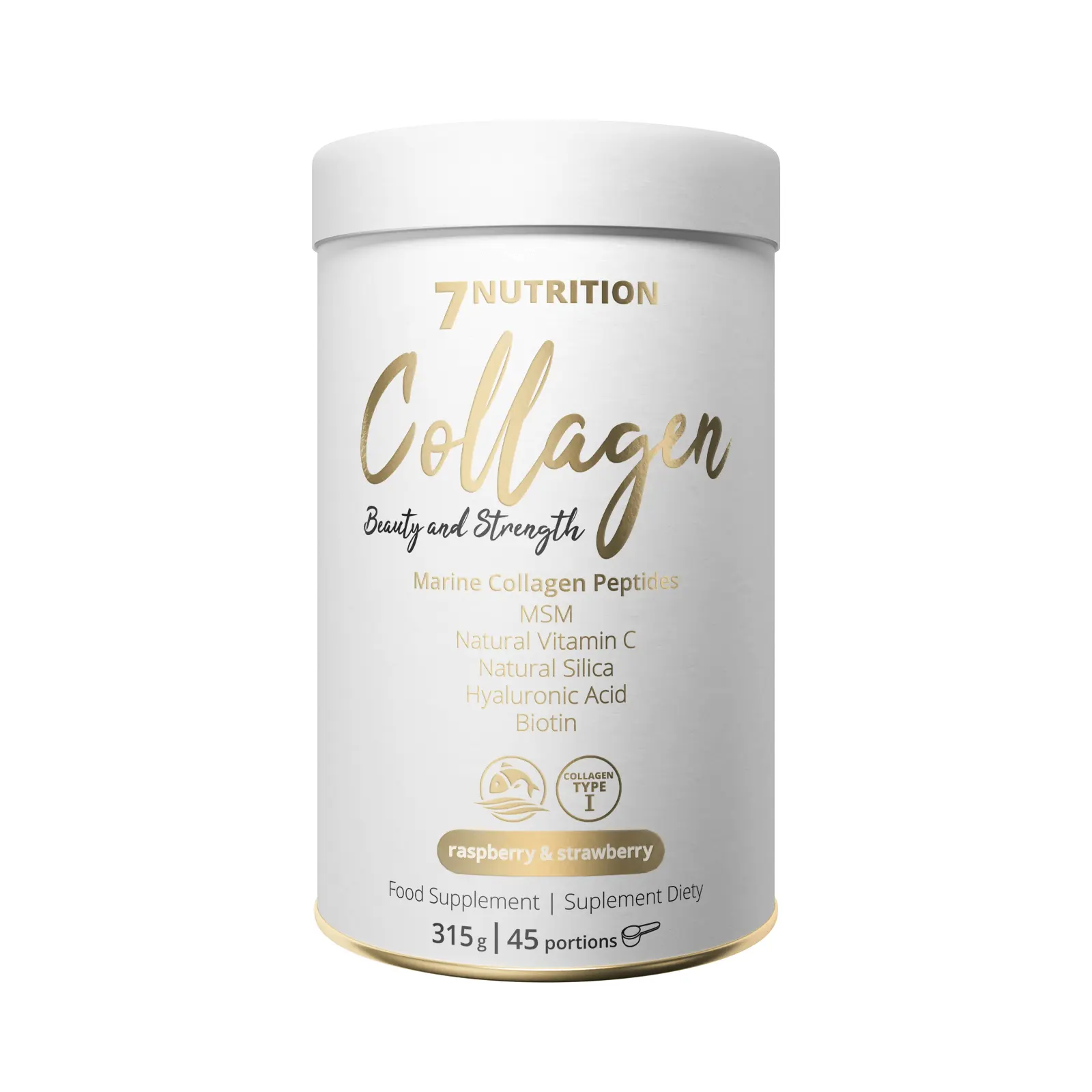
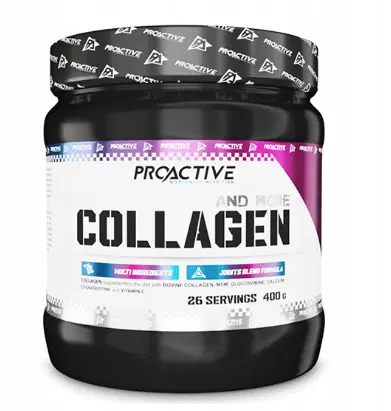
Frequently asked questions
Can Collagen and Glucosamine be taken together?
Yes, and it is highly recommended. The two supplements have a synergistic effect – collagen provides the building blocks, and glucosamine stimulates the cells (chondrocytes) to use them for cartilage repair. Their combination offers more comprehensive joint support.
Which is better for beginners - Collagen or Glucosamine?
For a beginner athlete aiming for general prevention, improving skin elasticity, and supporting connective tissue overall, hydrolyzed collagen is the better choice to start with. However, if you have specific joint discomfort or pain, glucosamine (or a combination) would be a more targeted choice.
When is the best time to take Collagen and Glucosamine?
For best results, take collagen about 30-60 minutes before training, combined with vitamin C, to target the stressed tissues. Glucosamine can be taken at any time of day, with a dose of 1500 mg often divided into three intakes with meals to improve absorption and avoid stomach discomfort.
Are there any side effects from taking Collagen or Glucosamine?
Both supplements are considered very safe. Collagen rarely causes side effects, apart from a slight feeling of fullness. Glucosamine can sometimes cause mild digestive issues like gas or heartburn, especially at higher doses. People with shellfish allergies should choose vegan sources of glucosamine.
What is the recommended dosage for Collagen and Glucosamine?
The standard effective dose for hydrolyzed collagen is between 10 and 20 grams per day. For glucosamine, the clinically studied dose is 1500 mg of glucosamine sulfate daily, often combined with 800-1200 mg of chondroitin sulfate for an additional effect.