Concentrate vs. Isolate: The Battle for Purity and Bioavailability
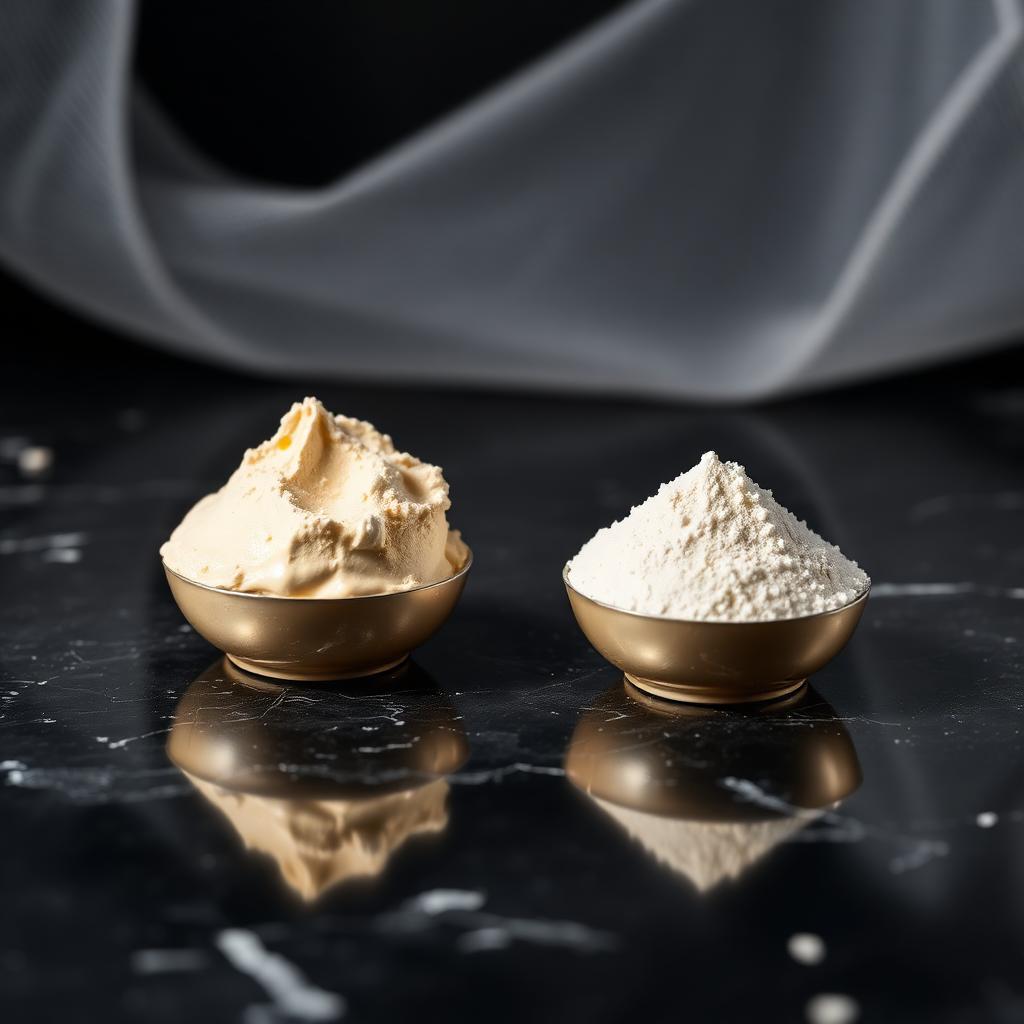
The concentrate has more lactose and fat, but retains more bioactive substances. The isolate has high purity and rapid absorption, but at a lower price.
Short answer: Whey concentrate (70-80% protein, 4-8% lactose) is more economical and retains bioactive fractions, while isolate (90-95% protein, Practically, if you don't have lactose intolerance and budget is a priority, concentrate offers a more complete profile at a lower price.
Which is better: concentrate or isolate?
The comparative matrix of specifications presents a direct comparison between whey concentrate (WPC) and whey isolate (WPI), highlighting their differences in protein concentration (70%–80% for WPC vs. 90%–95% for WPI), lactose content (4–8% for WPC vs. <1% for WPI), fat, absorption speed, and price.

| Parameter | Whey Concentrate (WPC) | Whey Isolate (WPI) |
|---|---|---|
| Protein Concentration | 70% – 80% | 90% – 95% |
| Lactose | Around 4–8% (significant amount) | <1% (trace amounts) |
| Fat and Cholesterol | Present (affects taste) | Almost completely removed |
| Absorption Speed | Fast | Very fast (due to lack of fat) |
| Bioactive Fractions | High (preserved immunoglobulins) | Lower (lost during filtration) |
| Investment | Economical | Premium (high processing cost) |
What is the difference between whey concentrate and isolate?
1. Filtration Technology
Whey concentrate is the first stage of whey dehydration, which preserves most of the natural milk components, while whey isolate is a filtered version of the concentrate.
For a broader perspective, check out the complete guide to sports supplements — over 270 expert-verified articles by Petar Mitkov and the Sport Zona team.
Simply put: We look at how a product is made to understand the specific function of each part.
Scientific Sources
- Hoffman, J.R., & Falvo, M.J. (2004). Protein – Which is Best?. Journal of Sports Science and Medicine, 3(3), 118–130. (PubMed: 24482582)
- Devries, M. C., & Phillips, S. M. (2015). Supplemental protein in support of muscle mass and health: advantage whey. Journal of Food Science, 80(suppl S1), A8-A15. (DOI: 10.1111/1750-3841.12802)
- Pal, S., Ellis, V., & Dhaliwal, S. (2009). Effects of whey protein on body composition and serum lipids in overweight and obese individuals. Lipids in Health and Disease, 8, 47. (DOI: 10.1186/1476-511X-8-47)
- Ha, E., & Zemel, M. B. (2003). Functional properties of whey proteins. In Advanced Dairy Chemistry—Proteins (pp. 235-260). Springer, Boston, MA.
Expert Insight
Many people start with whey concentrate due to the lower price but switch to isolate if they have digestive issues or during "cutting" phases. Often, concentrate is bought for cutting, and then the stomach reacts poorly to the lactose.
Isolate undergoes processes such as Cross-Flow Microfiltration (CFM) or Ion Exchange. These processes mechanically separate protein molecules from sugars and fats.
Result: You get a product with the highest possible bioavailability per gram of weight.
2. "Cutting" vs. "Bulking" Profile
Isolate: With almost zero carbohydrates and fats, isolate is suitable for cutting phases when every gram of macronutrient counts.
Concentrate: The small amount of fat gives it a richer taste and denser texture. Fats also slightly slow down absorption, making it more satiating.
3. Digestive Integrity
Lactose is the main issue for many consumers.
- Concentrate can cause bloating, gas, and discomfort in people with lactase enzyme deficiency.
- Isolate is practically safe for people with lactose intolerance, as the sugar has been removed during processing.
Which is better: concentrate or isolate?
Concentrate and isolate are the two main forms of whey protein, differing in their degree of purity and processing method, which affects their nutritional value and digestibility.
Choose concentrate if:
- Budget is important: You're looking for the most protein for your money and aren't competing in bodybuilding.
- Taste is important to you: You prefer your shake to taste more like a milkshake than flavored water.
- You have no digestive issues: Dairy products don't cause you any discomfort.
Choose isolate if:
- You have lactose intolerance: You want to drink protein without worrying about stomach problems.
- You are in a strict calorie deficit: You are optimizing your diet for maximum definition and want a pure amino acid profile without hidden calories.
- You want fast recovery: You are looking for the fastest possible transport of amino acids to your muscles after intense exertion.
What does science say?
The difference in muscle growth between whey protein concentrate (WPC) and whey protein isolate (WPI) is statistically insignificant at equivalent protein content, according to a study by Naclerio & Larumbe-Zabala (2016) in the British Journal of Sports Medicine, which analyzed 36 randomized trials.
A study by Devries & Phillips (2015) confirms that WPC retains immunoglobulins and lactoferrin – bioactive components with proven antibacterial and antioxidant effects, which are lost during the microfiltration of isolate.
What are common mistakes?
Common mistakes include believing that isolate is always better, ignoring the label where some "isolates" are mixtures of WPI and WPC, and fearing the fats in concentrate, which slightly slow down absorption.
- "Isolate is always better": If you don't have lactose intolerance, concentrate offers a good nutritional profile at a lower price.
- Ignoring the label: Some "isolates" contain a mixture of WPI and WPC. True isolate is over 85% protein per 100g.
- Fear of fats in concentrate: 5–7% fat in WPC slightly slows absorption, creating a more prolonged amino acid flow.
What is a practical selection protocol?
| Profile | Recommended Type | Reason |
|---|---|---|
| Lactose Intolerance | Isolate (WPI) | Under 1% lactose |
| Limited Budget | Concentrate (WPC) | 20–30% lower price |
| Strict Calorie Deficit | Isolate (WPI) | More protein per calorie |
| General Health and Immunity | Concentrate (WPC) | Preserves immunoglobulins |
A practical selection protocol is a table with recommendations for whey protein type based on profile, with isolate (WPI) being suitable for individuals with lactose intolerance or strict calorie deficit, while concentrate (WPC) is recommended for a limited budget or for general health and immunity. The recommended stack for complete recovery and growth includes Whey Isolate (25-30g post-workout), creatine monohydrate (5g daily), and BCAA (5-10g during workout).
For complete recovery and growth, try Whey Isolate (25-30g post-workout) combined with creatine monohydrate (5g daily) and BCAA (5-10g during workout).
Which protein to choose: concentrate or isolate?
Muscle growth is equally influenced by both types of protein. Whey concentrate is a better choice due to its lower price and preserved immunoglobulins, if you don't have lactose digestion issues.
🧭 When to choose which?
- Choose concentrate if you're looking for a budget-friendly solution with good benefits and aren't bothered by small amounts of carbohydrates and fats.
- Choose isolate if you aim for maximum purity, fast absorption, and minimal carbohydrates and lactose.
- Choose concentrate if you are a beginner looking for an effective and economical option.
- Choose isolate if you have lactose intolerance or are on a strict cutting diet.
📖 What are Concentrate and Isolate?
Whey protein concentrate is a less processed product containing carbohydrates and fats. Whey protein isolate undergoes further filtration to remove most carbohydrates and fats, offering a higher protein concentration.
⚖ Pros and Cons
| Pros | Cons |
|---|---|
|
|
🗣 Explained Simply
You need protein. Concentrate is like freshly brewed soup – it has everything, it's healthy, but it also has a few more things besides protein. Isolate, on the other hand, is like a clear soup from which most other ingredients have been removed to leave only pure protein. It's absorbed faster and is for people who want a maximum pure dose without unnecessary additives.
Choose the right product for your goal:
→ Whey Protein Isolate
→ Whey Protein Isolate
→ Whey Protein Concentrate
Combined protocol for maximum effectiveness:
Combining products increases effectiveness. According to Sport Zona data.
⚖ When to choose Concentrate
- Budget is a priority for the right amount of protein, without competing.
- You prefer a richer taste and creamy texture, like a milkshake.
- You have healthy digestion, with no discomfort from dairy products.
- You seek preserved bioactive fractions for general health and immunity.
⚖ When to choose Isolate
- You have lactose intolerance or sensitivity to dairy products.
- You are in a strict calorie deficit for maximum definition.
- After training, you need rapid amino acid transport to your muscles.
- You seek maximum protein purity with minimal carbohydrates and fats.
Expert Note
When working with athletes, the choice between concentrate and isolate often depends on specific dietary needs and goals. For most people, concentrate is a perfectly adequate and more economical option. But when it comes to low-carbohydrate diets or severe lactose intolerance, isolate is not just preferable, but often the only solution. Careful selection leads to better results and fewer side effects.
Frequently asked questions
Which type of whey protein is more suitable for people with lactose intolerance?
Whey isolate (WPI) is recommended as it contains less than 1% lactose. Concentrate (WPC) has a significantly higher amount of lactose, which can cause discomfort.
When is it more reasonable to choose whey concentrate (WPC)?
Concentrate is a more economical choice if budget is a priority and you have no issues digesting dairy products. It also offers a richer flavor and retains more bioactive compounds.
Is there a significant difference between concentrate and isolate regarding muscle growth?
According to scientific studies, with equivalent protein content, the difference in muscle growth between whey concentrate and isolate is negligible. The choice often depends on digestive compatibility and specific dietary goals.
Can the low fat content in isolate lead to any adverse effects?
The low fat content in isolate speeds up its absorption, making it ideal for cutting phases or post-workout intake. It does not lead to any adverse effects unless there is a specific reason to avoid fast proteins.