Creatine Monohydrate vs HCl – Which form is better
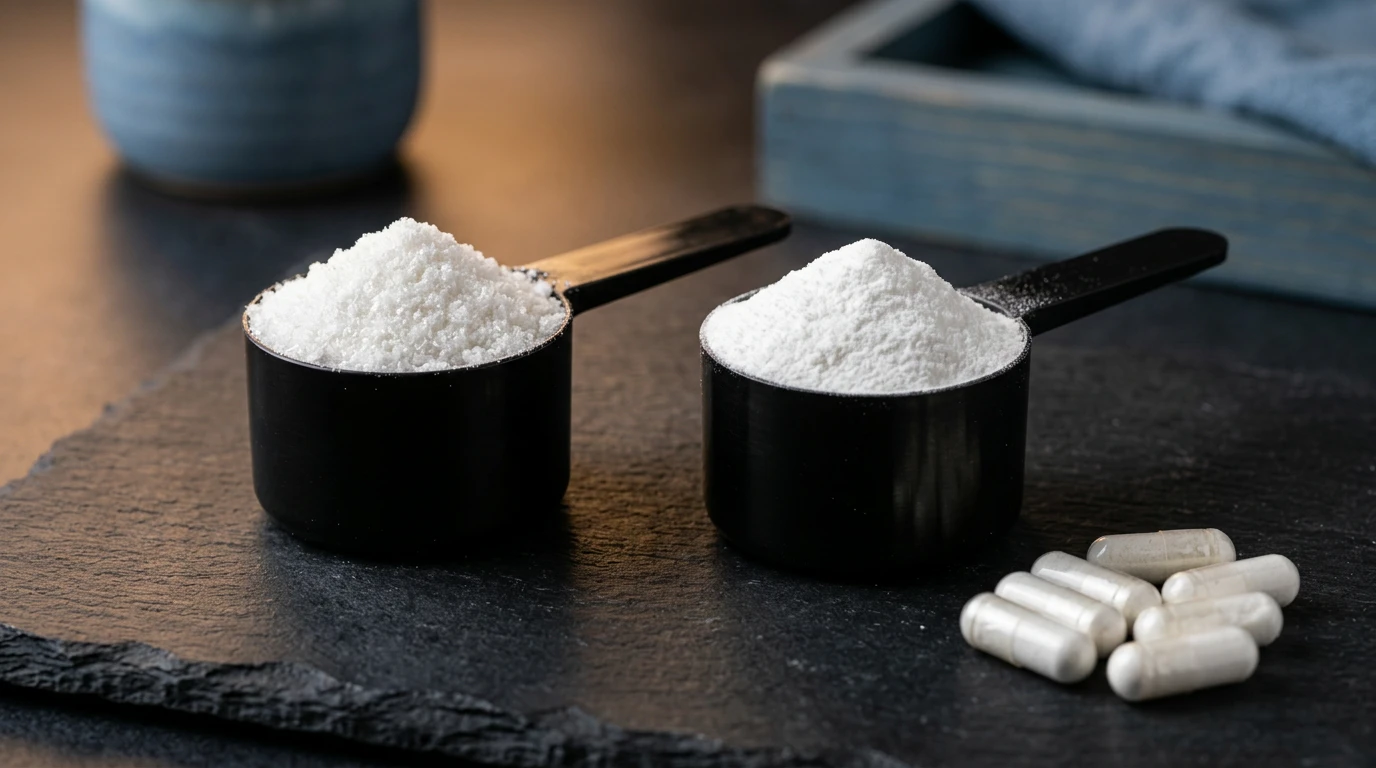
Comparison between the two most popular forms of creatine – monohydrate and hydrochloride (HCl). Differences in absorption, dosage, price, side effects, and when to choose which form.
Short answer: Creatine monohydrate remains the best-researched and cheapest form with over 700 clinical studies and proven 5–15% more strength and volume. Creatine HCl is absorbed in smaller doses (1.5–2g), does not cause water retention and bloating, but costs 3–5 times more without scientifically proven advantage in the end result. For 90% of trainees, monohydrate is the more sensible choice; HCl makes sense only for a sensitive stomach or when you want to avoid the "water effect" before a competition.
If you enter any fitness forum, within the first 10 minutes you'll see someone asking: "Which is better — monohydrate or HCl?" The answer the industry doesn't like to hear is boring: both work, but monohydrate has a 25-year scientific head start and costs half as much. In this article, we'll explain why, when it's worth paying more, and what really happens in your muscles.
See also the expert knowledge base on supplements — over 270 expert-verified articles by Petar Mitkov and the Sport Zona team.
Which is better – creatine monohydrate or creatine HCl?
The comparison table presents the main differences between creatine monohydrate and creatine HCl, which are as follows: creatine monohydrate is creatine + 1 molecule of water, with a solubility of 14 g/l and a standard dose of 3–5 g daily, while creatine HCl is creatine bound to hydrochloride, with up to 38 times higher solubility and a standard dose of 1.5–2 g daily.
| Parameter | Creatine Monohydrate | Creatine HCl |
|---|---|---|
| Structure | Creatine + 1 molecule of water | Creatine bound to hydrochloride |
| Water Solubility | 14 g/l (moderate) | Up to 38 times higher |
| Standard Dose | 3–5 g daily | 1.5–2 g daily |
| Loading Phase | Optional (20 g × 5–7 days) | Not needed |
| Water Retention | 1–2 kg in the first weeks | Minimal |
| Stomach Discomfort | Possible at doses >5 g | Rarely encountered |
| Monthly Cost | 5–10 € (Creapure® quality) | 20–40 € |
| Clinical Studies | Over 700 | Under 20 |
What is creatine monohydrate?
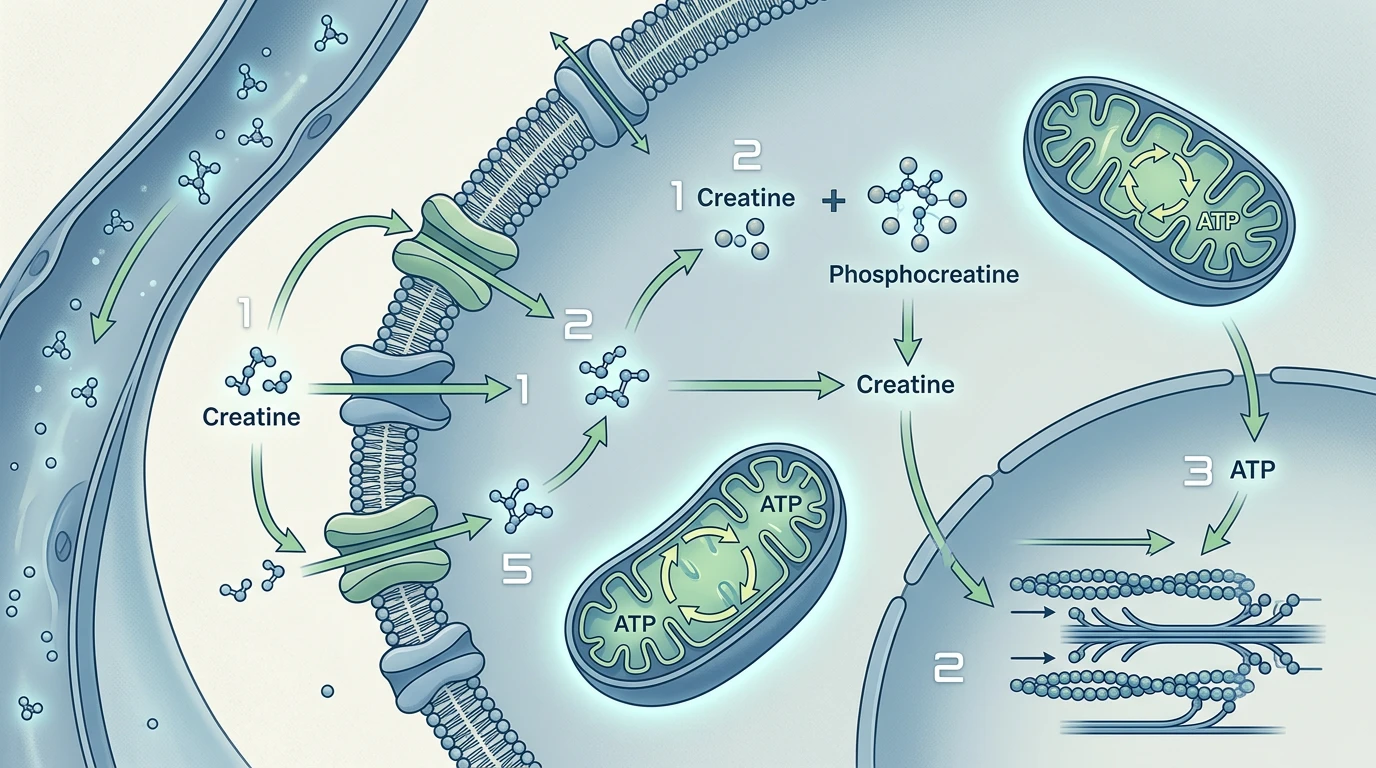
Creatine monohydrate is the oldest and most researched form of creatine in sports nutrition, representing a creatine molecule with one molecule of water, which in the body forms phosphocreatine – fuel for short explosive efforts.
Scientific Sources
- Kreider, R. B., et al. (2017). International Society of Sports Nutrition position stand: safety and efficacy of creatine supplementation. JISSN, 14(1), 18. (DOI: 10.1186/s12970-017-0173-z)
- Antonio, J., et al. (2021). Common questions and misconceptions about creatine supplementation. JISSN, 18(1), 13. (DOI: 10.1186/s12970-021-00412-w)
- Jagim, A. R., et al. (2012). A buffered form of creatine does not promote greater changes in muscle creatine content, body composition, or training adaptations than creatine monohydrate. JISSN, 9(1), 43. (PubMed: 22971354)
- Spillane, M., et al. (2009). The effects of creatine ethyl ester supplementation combined with heavy resistance training on body composition, muscle performance, and serum and muscle creatine levels. JISSN, 6, 6. (PubMed: 19228401)
What the research proves
Over 700 controlled studies in the last 30 years have reached the same conclusions: 3–5 g of monohydrate daily increases muscle creatine by 20–40%, improves strength by 5–15%, and facilitates lean muscle mass gain of 1–2 kg in 4–12 weeks. These are the most consistent results in sports science overall – for comparison, most dietary supplements have "mixed data".
Experience Insight
At Sport Zona, we've seen the same pattern for years – clients who buy the "new formula" creatine promising 50% better absorption return after 2–3 months for regular monohydrate. Not because the expensive form doesn't work, but because the difference in the tub doesn't justify the difference in the wallet. The only thing that really matters is whether you take creatine *every day* – the form is secondary.
Types of monohydrate on the market
- Creapure®: German patented monohydrate with over 99.95% purity – the standard trusted by professional athletes.
- Micronized Monohydrate: The same molecule, but ground into finer particles for better solubility and less stomach discomfort.
- Unflavored Powder: The cheapest and most versatile option – can be mixed with protein shakes, juice, or water.
💬 Simply put: Creatine monohydrate is like diesel for muscles – heavy, cheap, not elegant, but it gets the job done every day and doesn't leave you stranded. HCl is purer, "smokes" less in the stomach, but costs as much as premium gasoline.
What is creatine HCl?
Creatine hydrochloride is a form of creatine that appeared on the market around 2010 as an alternative to creatine monohydrate, aiming to solve problems with water retention and stomach discomfort, being up to 38 times more soluble in water according to some tests.
What are the real advantages
- Lower effective dose: 1.5–2 g is sufficient instead of 3–5 g because absorption is more efficient.
- No loading phase: Saturation occurs gradually over 2–3 weeks, without the need for 20 g daily at the start.
- Minimal "water effect": Suitable for competitive sports where a bloated muscle is not desired (combat sports, fitness competitions before going on stage).
- Easier on the stomach: Athletes with irritable bowel syndrome or sensitive stomachs often tolerate HCl better.
Where is the problem
Only one direct comparative study – Jagim et al. (2012) – pitted HCl (known as "buffered creatine Kre-Alkalyn") against regular monohydrate in 36 male trainees for 28 days. The results were statistically identical – the same increase in strength, muscle mass, and muscle creatine. A similar study on creatine ethyl ester (Spillane, 2009) showed even weaker results than monohydrate.
In other words, better absorption into the blood does not automatically mean more creatine in the muscle, because muscle stores have a ceiling (~160 mmol/kg dry weight). Monohydrate simply takes a day or two longer to fill them.
When is it worth paying for HCl?
When to choose which represents the moment when you need to decide whether to invest in creatine HCl or stick with monohydrate, depending on your individual goals and tolerance.
- Choose monohydrate if you are a beginner or intermediate, training for strength and volume, and want the best price/result ratio.
- Choose HCl if you have proven stomach discomfort from monohydrate, if you are a competitor before going on stage, or if you travel frequently and prefer a compact dose.
- Choose neither if you drink less than 2.5 liters of water daily – creatine works through hydration of the muscle cell, and without water, the benefit disappears.
How much water should you drink when taking creatine?
| Form | Dose | Timing | With What |
|---|---|---|---|
| Monohydrate (Creapure) | 5 g | Post-workout or anytime | With 30 g of carbohydrates or a protein shake |
| Monohydrate — Rest Day | 3–5 g | With the first meal | With fruit juice or milk |
| HCl | 1.5–2 g | 30 min before training | With water (200–300 ml) |
Water intake with creatine (any form) should be increased to 3–3.5 liters per day, as this is a condition for the supplement to work effectively.
What are the common mistakes?
- "Cycling" creatine: There is no scientific reason to stop it for 4 weeks. The body doesn't "get used to it" – muscle stores simply decrease and need to be reloaded.
- Taking it only on training days: The goal is to maintain a high level in the muscle 24/7. Take it every day.
- Expecting results after 7 days: When taking 3–5 g without loading, full saturation occurs on day 21–28.
- Combining with caffeine in one cup: Older studies suggested a conflict; newer data indicates it's not a problem, but to be safe, separate by 30 minutes.
- Paying €30 for an "advanced formula": Unless you have a proven problem with monohydrate, you're spending your money on marketing.
Cycling creatine is a mistake, as there is no scientific reason to stop it for 4 weeks, because muscle stores simply decrease and need to be reloaded. Taking it only on training days is also a mistake, as the goal is to maintain a high level in the muscle 24/7, so it should be taken every day.
For a classic strength and volume regimen: 5 g Creapure® monohydrate + 30 g whey protein + 30 g carbohydrates immediately after training. This is the combination that 30 years of science confirm as the most effective for muscle mass gain.
📖 What is creatine
Creatine is a nitrogenous organic compound that the body produces from the amino acids glycine, arginine, and methionine. 95% of it is found in skeletal muscles in the form of phosphocreatine – an energy reserve for fast, explosive efforts. Additional intake increases muscle stores by 20–40% and boosts strength and volume in short intense workouts.
⚖ Pros and Cons
| Pros | Cons |
|---|---|
|
|
🔬 Expert Note
At Sport Zona, we recommend monohydrate to 9 out of 10 clients. We keep HCl in stock for a specific profile – athletes with sensitive stomachs, combat sports, and fitness competitors in pre-competition preparation. If you are a beginner or training for general fitness, invest the saved €20/month in quality whey protein or in more protein-rich food – the effect there will be much greater than the difference between the two forms of creatine.
💪 Choose the right product for your goal
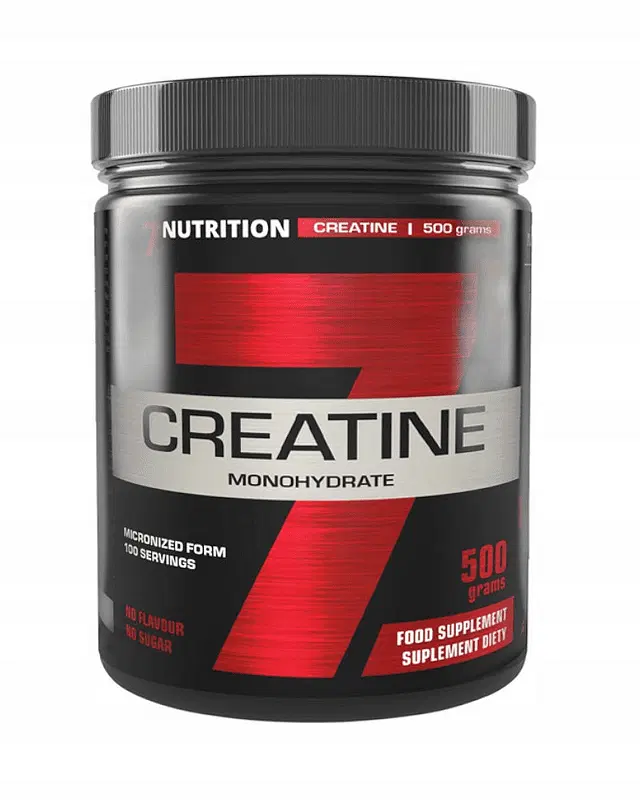
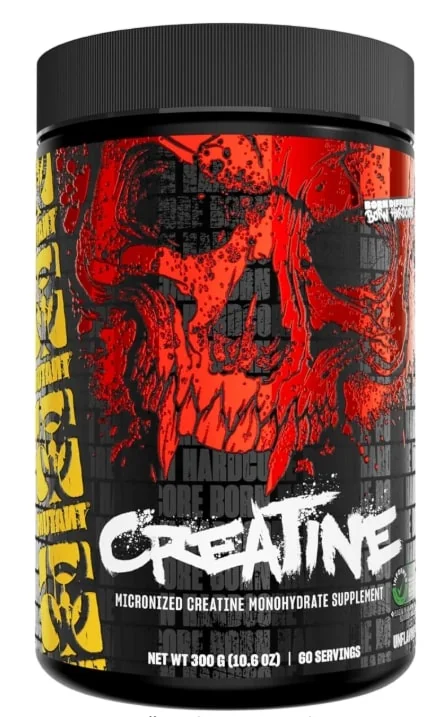
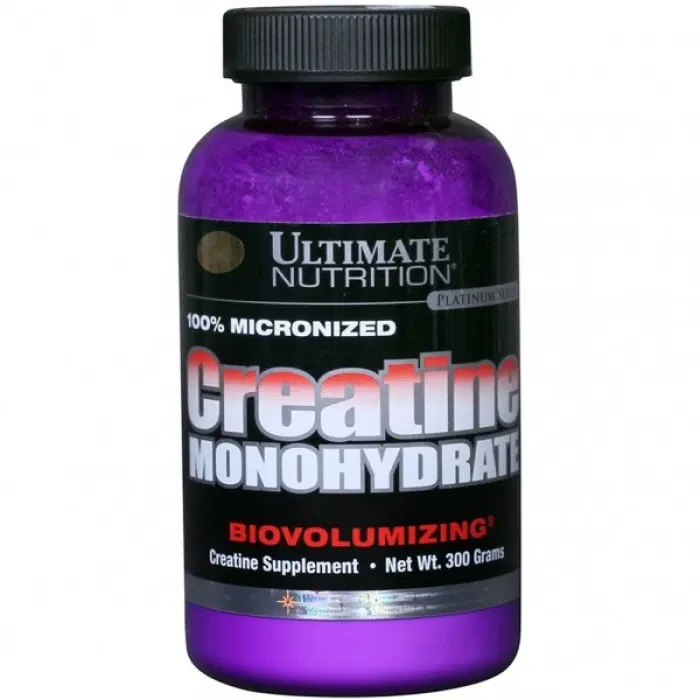
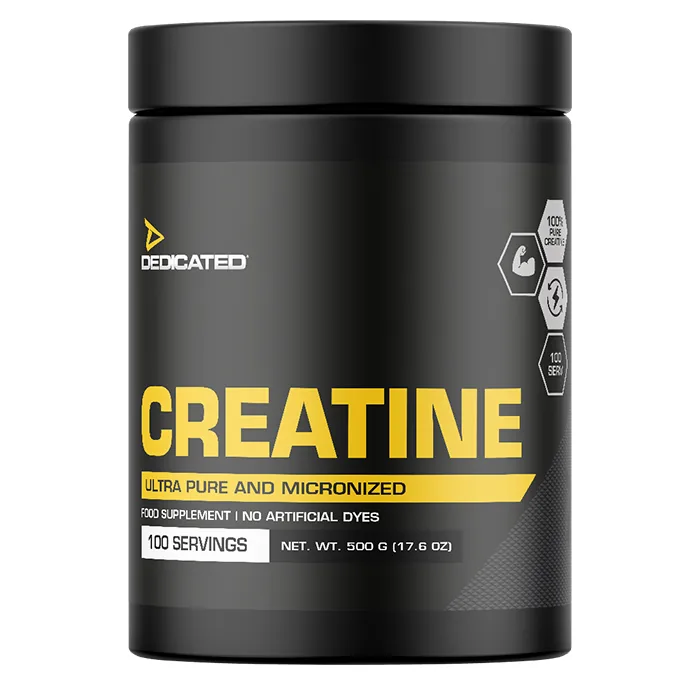
- 7Nutrition Creatine Creapure® 500g — the German patented monohydrate, the gold standard.
- 7Nutrition HCL Creatine 350g — for sensitive stomachs and pre-competition preparation.
- MuscleTech Platinum 100% Creatine 200g — micronized monohydrate, fast solubility.
- ProActive Creatine Monohydrate 250g Orange — flavored option for those who can't stand unflavored powder.
Recommended products
Frequently asked questions
Which creatine is better – monohydrate or HCl?
For most people, creatine monohydrate is the better choice – most researched, cheapest, and with proven effects at 3–5 g daily. HCl is an alternative only in cases of stomach discomfort or during cutting phases.
Can you take creatine HCl without a loading phase?
Yes, HCl is usually taken directly at 1-2g daily without a loading phase. The same applies to monohydrate – the loading phase is optional, not mandatory.
Does creatine HCl retain water in the muscles?
HCl retains significantly less water compared to monohydrate, as the dosage is smaller. This makes it preferred during cutting phases.
How much does creatine HCl cost compared to monohydrate?
Creatine HCl costs 3 to 5 times more per gram than monohydrate, with practically equivalent effects on strength and muscle mass.
Which is better—creatine monohydrate or HCl?
For 90% of those who train, monohydrate is the better choice: over 700 studies, proven results, and 3–5 times lower price. HCl only makes sense for stomach discomfort from monohydrate or for athletes who want to avoid water retention.
How long does it take to feel the effects of creatine?
For monohydrate without a loading phase—2–4 weeks until full muscle saturation. With a loading phase (20 g × 5–7 days)—about 1 week. HCl at a dose of 1.5–2 g also saturates the muscle in 2–3 weeks.
Is long-term creatine intake safe?
Yes. Reviews by ISSN (2017, 2021) and over 30 years of clinical data show no negative effects on the kidneys or liver in healthy individuals, even with 5+ years of use. If you have diagnosed kidney disease, consult a doctor.
Should I do a loading phase?
It's not mandatory. Loading (20g daily for 5–7 days) saturates the muscle in 1 week instead of 3–4, but the end effect is the same. If you don't have a specific deadline, start directly with 3–5g daily.