Creatine vs. Carnitine: Strength Power vs. Metabolic Transport
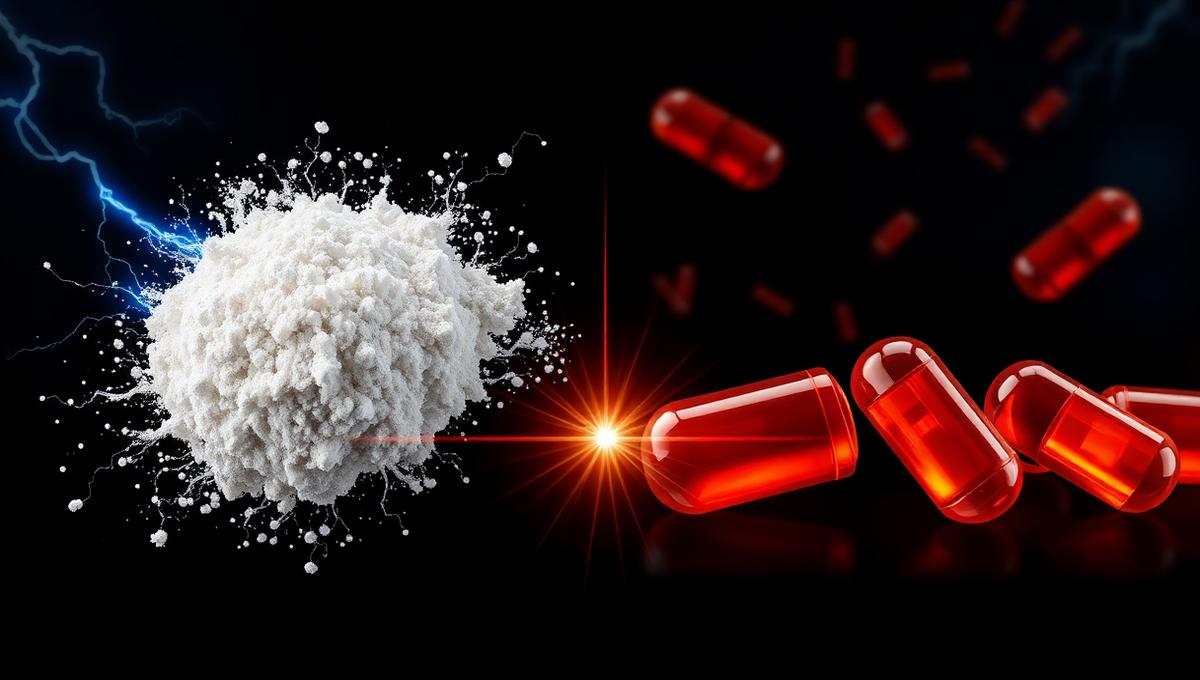
Creatine supports strength and energy during short, intense workouts. Carnitine aids in the transport of fats for energy during aerobic training.
Short Answer: Creatine (3-5g daily) is for explosive strength and ATP regeneration, while L-Carnitine (2g daily) is for fat metabolism and endurance, acting synergistically for overall body transformation. Practical tip: Take L-Carnitine with a carbohydrate meal or after training for optimal absorption and hormonal response.
Creatine and carnitine are derivatives of amino acids, but they work differently in the cells. Creatine is important for anaerobic efforts in the cytosol, while carnitine is involved in aerobic processes in the mitochondria.
See also expert knowledge base on supplements — over 270 expert-verified articles by Petar Mitkov and the Sport Zona team.
Which is Better: Creatine or Carnitine?
The systematic comparative matrix provides a tabular overview of the main characteristics and differences between Creatine Monohydrate and L-Carnitine (L-Tartrate/ALCAR), helping to quickly understand their specific effects and applications in sports nutrition.

What are the Mechanisms of Creatine and Carnitine?
1. Creatine: The ATP Regenerator
Creatine is the fastest way for the body to restore its "energy currency" – Adenosine Triphosphate (ATP).
This section explains how creatine and carnitine work in the body. We examine every detail to make it clear how they function.
Scientific Sources
- Branch, J. D. (2003). Effect of creatine supplementation on body composition and performance: a meta-analysis. International journal of sport nutrition and exercise metabolism, 13(2), 198-226. (PubMed: 12945830)
- Wall, B. T., et al. (2011). Chronic oral ingestion of L-carnitine and carbohydrate increases muscle carnitine content and alters muscle carbohydrate and fat metabolism during exercise in humans. The Journal of Physiology, 589(4), 963-973. (DOI: 10.1113/jphysiol.2010.201340)
- Gualano, B., et al. (2012). Effects of creatine supplementation on muscle power output in women: a systematic review and meta-analysis. Amino acids, 43(3), 1187-1191. (PubMed: 22441221)
- Vukovich, M. D., et al. (2001). L-carnitine supplementation for 8 weeks does not improve body composition, exercise performance, or recovery in resistance-trained men. Metabolism, 50(7), 808-811. (DOI: 10.1053/meta.2001.24647)
We often see good results when athletes know what they are aiming for – strength and mass, or endurance and fat burning. This is important to avoid mistakes like expecting strength benefits from carnitine, or vice versa, which often leads to disappointment.
Mechanism: During weightlifting, ATP breaks down into ADP in seconds. Creatine immediately donates a phosphate group to restore energy.
Result: More explosiveness and the ability to perform more repetitions before muscles fatigue.
2. L-Carnitine: The Mitochondrial Shuttle
Fats are a dense source of energy. They cannot enter the mitochondria (the cell's powerhouses) without help.
Mechanism: Carnitine binds to fatty acids in the cytoplasm and transports them across the mitochondrial membrane.
Result: More efficient burning of body fat and preservation of muscle glycogen, which is important for endurance training.
What is Synergistic Enhancement: The "Performance Package"?
The synergistic enhancement of creatine and carnitine involves creating a comprehensive energy system by combining the two supplements.
- During Training: Creatine supports strength during heavy sets, while carnitine aids metabolism during rest periods and cardio.
- Post-Training (Recovery): Creatine stimulates protein synthesis through cell hydration, while carnitine reduces oxidative stress and muscle damage.
- Hormonal Response: Studies suggest that L-carnitine may improve androgen receptor density, making muscle cells more sensitive to testosterone. This complements the anabolic effect of creatine.
What is the Practical Protocol for Creatine Intake?
Creatine is taken at a dose of 3–5 grams every day, at any time, without the need for cycling.
L-Carnitine: 2g daily. For maximum absorption into muscles, carnitine needs insulin. Take it with your largest carbohydrate meal or along with your post-workout protein shake.
Form of Carnitine:
- For physical performance: L-Carnitine L-Tartrate.
- For mental work and focus: Acetyl-L-Carnitine (ALCAR).
Recommended Package
For optimal results in strength training and maintaining body composition: combine 5g of Creatine Monohydrate daily (post-workout or in the morning) with 1.5-2g of L-Carnitine (in L-Tartrate form) 30-45 minutes before training.
Is it Safe to Use Creatine and Carnitine?
Creatine often leads to weight gain, which is water retained in the muscles, not fat accumulation. This muscle hydration is beneficial for increasing strength.
Carnitine: The claim about "fishy odor" is associated with very high doses (over 5-6g daily), which lead to trimethylamine accumulation. At a standard intake of 2g, this risk is practically zero.
TMAO Discussion: Modern research indicates that TMAO levels are influenced more by the gut microbiome than by moderate doses of carnitine.
Expert Conclusion
If your goal is to simultaneously gain muscle and burn fat, this combination is very stable. Creatine will keep you strong in the gym to prevent muscle loss, while Carnitine will optimize your metabolism to use fat as the primary fuel.
🧭 When to Choose Which?
- Choose creatine if you are looking for an increase in maximum strength and explosive power during short, intense efforts.
- Choose carnitine if you want to support fat metabolism and improve energy balance, especially during longer aerobic workouts.
- Combine both if your goal is to simultaneously optimize strength performance and efficient energy utilization from fats during a training period.
📖 What is Creatine?
Creatine is an organic acid that aids in the production of ATP (adenosine triphosphate) – the main energy fuel for cells. It improves strength performance, muscle mass, and recovery. Creatine is stored primarily in the muscles.
📖 What is Carnitine?
Carnitine is an amino acid-like compound that is important for the transport of long-chain fatty acids to the mitochondria. There, they are converted into energy. Carnitine aids in fat burning and improves athletic endurance.
⚖ Pros and Cons
| Pros | Cons |
|---|---|
|
|
| Pros | Cons |
|---|---|
|
|
🗣 Simply Explained
Creatine is like a turbo booster for muscles, helping them produce more power during short, explosive movements like weightlifting. Carnitine, on the other hand, is like a transport truck, carrying fats to the cells where they are burned for energy, especially during longer efforts.
Choose the right product for your goal:
→ Creatine Monohydrate
→ L-Carnitine
Combined protocol for maximum effectiveness:
Combining products increases effectiveness. Based on Sport Zona practice.
⚖ When to Choose Creatine
- If you are an athlete whose goal is to increase maximum strength in weightlifting.
- For athletes who need improved explosive power in sprints.
- During anaerobic efforts for rapid muscle energy (ATP) recovery.
- If the goal is weight gain through cell hydration and muscle mass.
⚖ When to Choose Carnitine
- If you are an athlete looking to burn fat as the primary energy source.
- During aerobic training to improve endurance and metabolic transport.
- For athletes who want to reduce oxidative stress and muscle damage.
- To improve cognitive focus and memory, especially with the ALCAR form.
Expert Note from Sport Zona
From my work and observations over the years, creatine is a proven supplement for strength athletes that works. With carnitine, the results are harder to measure, but with prolonged intake over months, many athletes report increased fat burning. I always recommend focusing on training and diet before supplements.
Recommended products
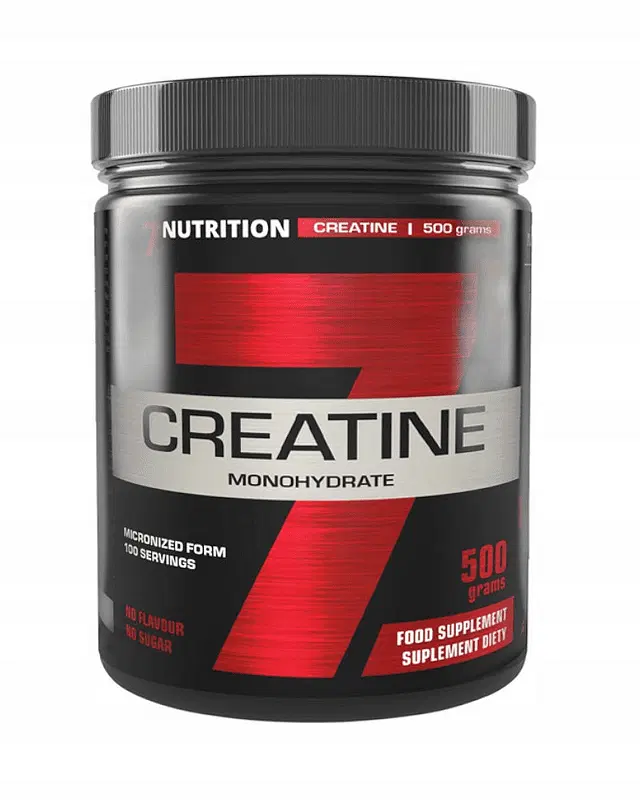
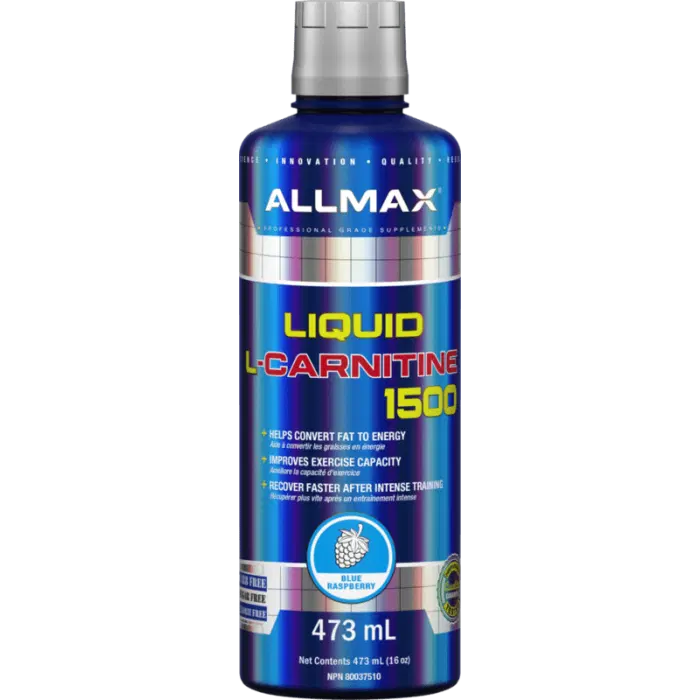
Frequently asked questions
Can I take creatine and carnitine at the same time?
Yes, combining creatine and carnitine is effective for an overall energy system. Creatine supports strength endurance, while carnitine optimizes fat metabolism.
Which supplement is more suitable for increasing muscle mass?
Creatine is more directly linked to increasing muscle mass through cell hydration and improving strength performance. Carnitine aids in fat burning, which can lead to a leaner muscle appearance.
When is the best time to take carnitine?
For maximum absorption, carnitine should be taken with the largest carbohydrate meal of the day or along with a post-workout protein shake. This helps with its uptake into muscle cells.
What are the main side effects of taking creatine and carnitine?
The main side effect of creatine is a slight weight gain due to water retention in muscles. For carnitine, a standard intake of 2g daily reduces the risk of side effects like "fishy odor," which are associated with very high doses.