Quercetin vs. Vitamin C: The Plant Synergist vs. The Classic Immune Booster
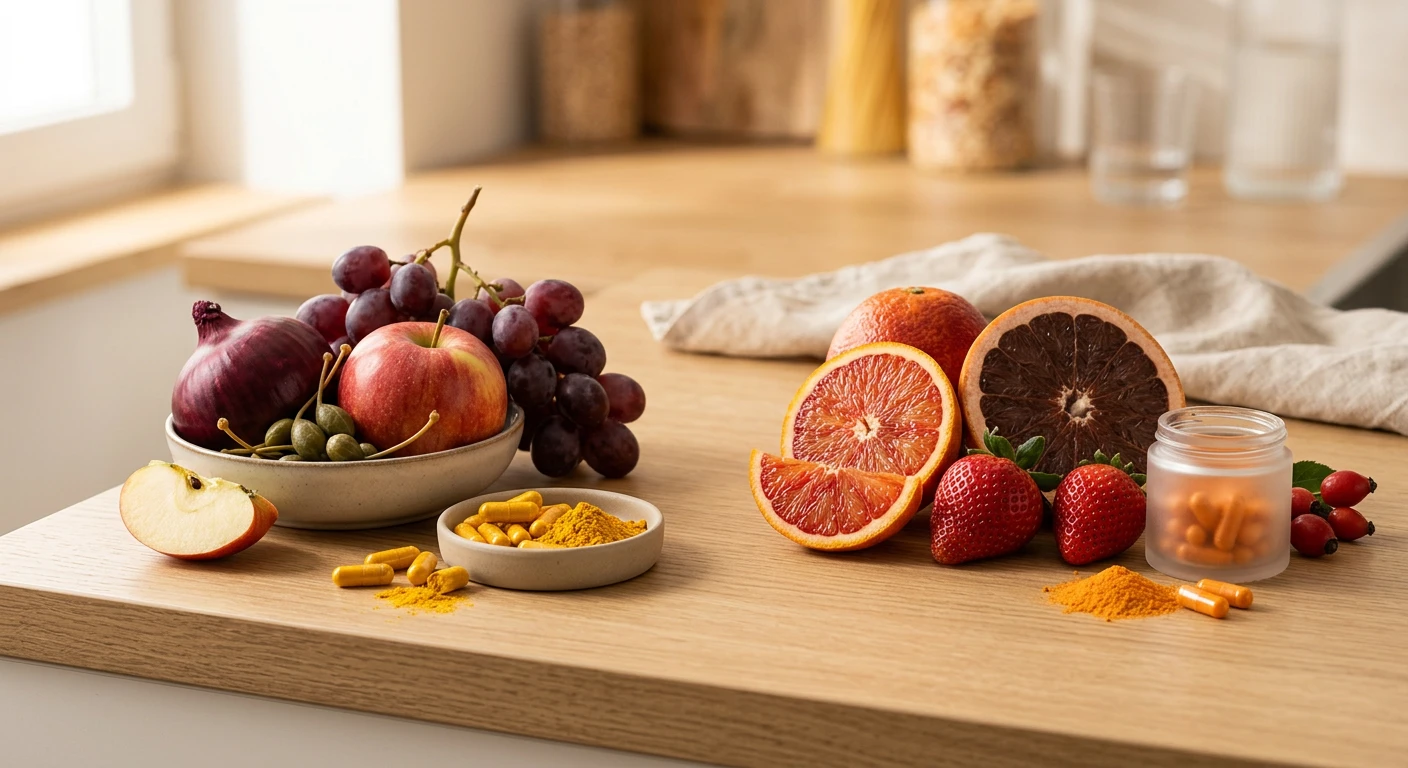
Quercetin and Vitamin C are antioxidants with different functions. Vitamin C supports general recovery and protection, while quercetin aims to optimize energy and reduce inflammation.
Short Answer: Vitamin C is a key antioxidant and immunomodulator, while Quercetin is a potent plant flavonoid with anti-inflammatory and anti-allergic properties. They work synergistically—Vitamin C "recycles" Quercetin, enhancing its effectiveness. Practical tip: For general support, take 250-500 mg of Vitamin C daily. During periods of intense training or for immunity, combine with 500-1000 mg of Quercetin, divided into two doses.
For optimal recovery and performance, antioxidants are crucial for every athlete. Quercetin and Vitamin C are two of the most discussed supplements in this category. Both combat oxidative stress, but they do so in different ways and offer distinct benefits.
Vitamin C is like a general mechanic—it performs essential repairs, maintains strong connective tissues (collagen), and keeps systems clean from "rust" (oxidation). Quercetin is more like a tuning and cooling engineer—it intervenes in specific inflammatory processes, improves fuel efficiency (mitochondria), and fine-tunes systems for peak performance.
It's important to know when to rely on basic maintenance and when to seek specialized assistance. Here, we'll delve into Quercetin and Vitamin C to help you decide which to incorporate into your regimen, when, and why.
This article is part of the Expert Hub for Nutritional Supplements — over 270 expertly reviewed articles by Petar Mitkov and the Sport Zona team.
What is a Comparative Matrix for System Analysis?
A comparative matrix for system analysis provides a detailed overview of the chemical structures of Quercetin (a flavonoid) and Vitamin C (ascorbic acid), evaluating their biological status, primary focus, mechanism of action, and effect on endurance.
| Criterion | Quercetin | Vitamin C |
|---|---|---|
| Biological Status | Bioflavonoid (non-essential) | Essential vitamin (important) |
| Primary Focus | Anti-inflammatory action, endurance, anti-allergic action | General antioxidant protection, immunity, collagen synthesis |
| Mechanism of Action | Modulates enzymatic pathways (COX, LOX), activates Nrf2 | Directly neutralizes free radicals, cofactor for enzymes |
| Effect on Endurance | May increase VO2max and mitochondria | Supports function but does not directly enhance it |
| Benefits for Connective Tissue | Reduces joint inflammation | Important for collagen synthesis (tendons, cartilage) |
| Specific Bonus | Stabilizes mast cells (alleviates allergies) | Improves absorption of non-heme iron |
| Combined Effect | Enhances the action of resveratrol and Vitamin C | "Recycles" quercetin and Vitamin E, improves its absorption |
Why is Quercetin a Plant-Based Synergist, and Vitamin C a Classic Immune Booster?
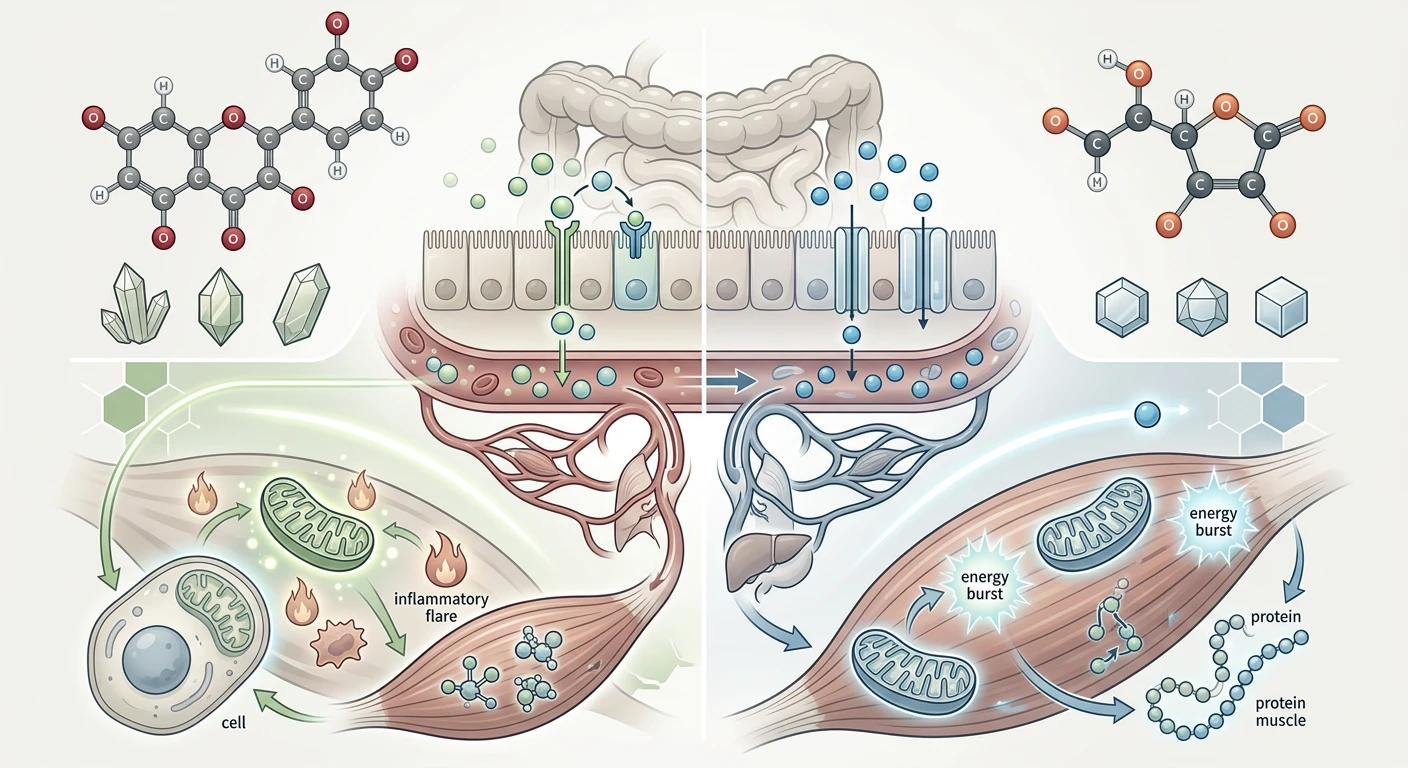
1. Quercetin: A Specialized Anti-Inflammatory Agent
Quercetin is a flavonoid, a plant pigment that regulates key cellular processes related to inflammation and energy metabolism, found in foods like onions, apples, berries, and broccoli.
Its primary mechanism involves inhibiting the cyclooxygenase (COX) and lipoxygenase (LOX) enzymes. These enzymes are targeted by many non-steroidal anti-inflammatory drugs. By suppressing them, quercetin reduces the production of pro-inflammatory mediators like prostaglandins and leukotrienes, which cause muscle soreness and swelling after exercise.
Quercetin also activates the Nrf2 transcription factor, which is the "master regulator" of the cell's own antioxidant defense system. Activating Nrf2 prompts cells to produce more of their own protective enzymes. For athletes, its most interesting effect is stimulating mitochondrial biogenesis—the creation of new mitochondria, the "powerhouses" of the cell. This occurs by activating the PGC-1α pathway and can lead to improved aerobic endurance (VO2max).
Simply put: Quercetin doesn't directly clear the smoke (oxidative stress). It shuts down inflammatory signals and prompts the cell to build a better fire defense system (its own antioxidants) and more energy generators (mitochondria).
2. Vitamin C: The Cell's Primary Defender
Vitamin C (ascorbic acid) is a water-soluble vitamin that the body cannot produce. Its role is fundamental and more direct than that of quercetin. As a potent antioxidant, it directly donates electrons to unstable free radicals, neutralizing them before they can damage cell membranes, proteins, and DNA.
For athletes, its role as a cofactor in collagen synthesis is vital. The enzymes prolyl hydroxylase and lysyl hydroxylase, responsible for the strength and stability of collagen fibers, require Vitamin C to function. Without sufficient Vitamin C, the body cannot effectively repair tendons, ligaments, cartilage, and bones—all of which are subjected to significant stress during exercise.
Vitamin C is also important for immune function, supporting the production and activity of white blood cells. Intense exercise can temporarily suppress the immune system, and adequate Vitamin C intake helps mitigate this effect. Furthermore, it can "recycle" other antioxidants like Vitamin E, returning them to their active form after they have neutralized radicals.
Simply put: Vitamin C directly attacks free radicals, repairs structures (synthesizes collagen), and recharges other antioxidants.
Scientific Sources
- Quercetin and Endurance Exercise Capacity: A Systematic Review and Meta-Analysis, 2011
- Flavonoids, Linus Pauling Institute at Oregon State University
- Vitamin C Fact Sheet for Health Professionals, NIH Office of Dietary Supplements
- Vitamin C and immune function, 1999
- The Effect of Quercetin on the Pharmacokinetics of Rosuvastatin, 2017 (demonstrates combined effect) ine.com/supplements/quercetin/" target="_blank" rel="noopener">Examine.com: Quercetin Research Analysis
The Synergistic Effect: Why 1+1 = 3?
The most fascinating aspect of comparing Quercetin and Vitamin C is how well they work together. Their combination creates a synergistic effect that surpasses the sum of their individual benefits. This combined effect manifests in two primary ways:
- Recycling and Mutual Enhancement: When Vitamin C donates an electron to neutralize a free radical, it becomes oxidized and inactive itself. Quercetin can "recycle" this oxidized Vitamin C by returning an electron to it, making it active again. Thus, Quercetin extends the lifespan and effectiveness of Vitamin C in the body.
- Improved Bioavailability: Quercetin itself has relatively low bioavailability when taken alone. Vitamin C, in turn, helps stabilize quercetin in the digestive tract and improves its absorption. This is why many high-quality Quercetin supplements combine it with Vitamin C.
For athletes, this translates to stronger and more sustained antioxidant protection. The combination provides both direct free radical neutralization by Vitamin C and systemic anti-inflammatory action and energy boost from Quercetin.
How Do I Choose Between Quercetin and Vitamin C?
The choice between Quercetin and Vitamin C, or their combination, is a personal decision based on individual goals, training cycles, and specific bodily needs.
Choose Quercetin if:
- Your goal is to reduce inflammation and muscle soreness after intense workouts.
- You want to improve aerobic endurance and support mitochondria.
- You suffer from seasonal allergies that interfere with training.
- You consume enough Vitamin C from food or supplements and seek additional support.
🔵 Choose Vitamin C if:
- You need basic, daily antioxidant and immune support.
- You are recovering from a tendon, joint, or bone injury and want to support collagen synthesis.
- Your diet is low in fresh fruits and vegetables.
- You have a limited budget and are looking for the most effective foundational supplement for overall health and recovery.
Recommended Combined Stack for Maximum Recovery
For athletes in a heavy training period, the combination is the ideal choice. The protocol is simple: 500-1000 mg Quercetin + 500 mg Vitamin C, taken together once daily, preferably after training, to counteract oxidative stress and inflammation. Forms like quercetin dihydrate and Vitamin C with bioflavonoids offer excellent absorption.
🧭 When to Choose Which?
- Choose Quercetin only: If your goal is specific endurance improvement or you have allergy issues, and you are already getting enough Vitamin C.
- Choose Vitamin C only: If you are a beginner, on a tight budget, or simply want to boost your immunity and basic recovery. This is the essential foundation.
- Combine both: If you are an advanced athlete, preparing for competition, or seeking the fastest and most complete recovery. Their synergistic effect provides the best results.
📖 What are Quercetin and Vitamin C?
Quercetin is a potent plant flavonoid (a type of polyphenol) that acts as an antioxidant and anti-inflammatory agent. It is not essential for life but offers specific health and athletic performance benefits. It is found in foods like onions, capers, apples, and berries.
Vitamin C (Ascorbic Acid) is an essential, water-soluble vitamin that the body cannot produce. It is critically important for immune function, collagen synthesis, and is a primary antioxidant in the body. Deficiency leads to serious health problems (scurvy).
⚖ Pros and Cons
| Compound | Pros | Cons |
|---|---|---|
| Quercetin | Targeted anti-inflammatory action, improves endurance, alleviates allergies. | More expensive, low bioavailability alone, non-essential. |
| Vitamin C | Essential, affordable, important for immunity and collagen, high bioavailability. | No direct effect on endurance, high doses can cause stomach discomfort. |
🗣 Explained Simply: Engineer vs. Mechanic
If you're still undecided, here's the simplest explanation:
- Vitamin C is your body's main mechanic. It's essential for daily maintenance, repairs structures (collagen), and cleans up debris (free radicals). Systems don't function without it.
- Quercetin is the elite tuning engineer. It doesn't deal with the basics but fine-tunes processes for more energy (mitochondria) and installs a special cooling system to prevent overheating (anti-inflammatory effect). The body can function without it, but performs better with it.
Choose the Right Product for Your Goal:
For maximum recovery and immunity: Combine both. Start with a foundation of vitamins and minerals and add a specialized product.
For basic protection and health: Choose a quality Vitamin C, combined with other essential nutrients.
For advanced athletes and endurance: Add Quercetin to your pre- or post-workout routine.
⚖ When to Choose Quercetin
- You want to reduce muscle soreness.
- You aim for higher aerobic endurance.
- You suffer from seasonal allergies.
- You seek a combined effect with other supplements like resveratrol.
⚖ When to Choose Vitamin C
- You need basic immune support.
- You are recovering from connective tissue injury.
- Your diet is low in fruits and vegetables.
- You are looking for a supplement with good value for money.
Expert Note from Sport Zona
Working with athletes across various disciplines, I've observed clearly: Vitamin C is the indispensable foundation for everything. It's like the fuel for a car. Quercetin is the octane booster—not everyone uses it constantly, but during periods before competitions or during very heavy loads, its anti-inflammatory effect provides a noticeable advantage in recovery. Therefore, my advice is: never replace Vitamin C with Quercetin, but add it as a building block when your goals are high.
Recommended products
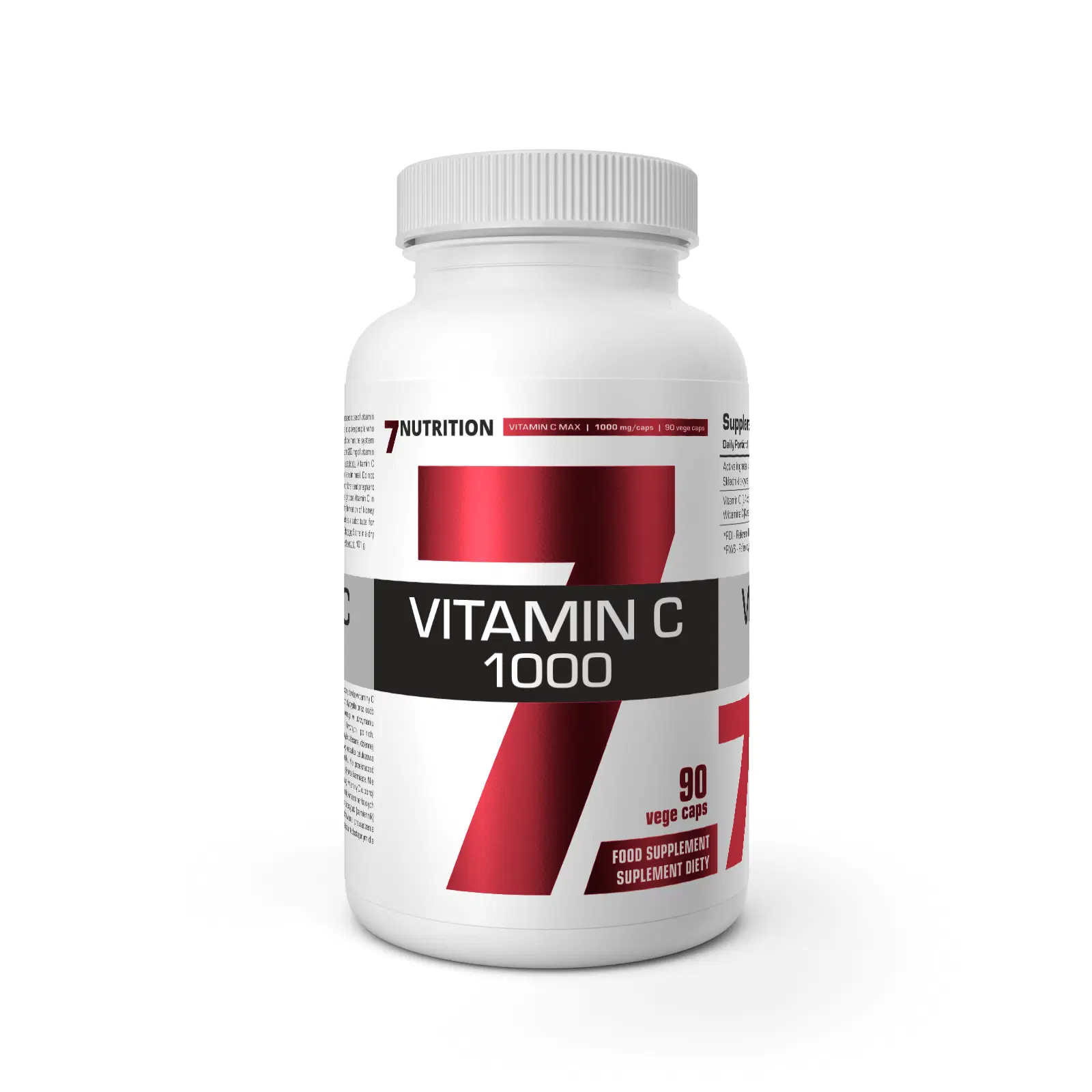
Frequently asked questions
Can Quercetin and Vitamin C be taken together?
Yes, and it is even recommended. Vitamin C helps regenerate Quercetin in the body after it has neutralized free radicals. This synergy enhances the biological activity and effectiveness of both components, providing more potent antioxidant protection.
Which is better for beginners - Quercetin or Vitamin C?
For beginners, Vitamin C is more fundamental. It is an essential vitamin that the body cannot produce on its own. Ensuring adequate Vitamin C intake is the foundation for good health and athletic performance. Quercetin is more of an advanced supplement for specific purposes such as reducing inflammation or supporting allergy relief.
When is the best time to take Quercetin and Vitamin C?
It is best to take them with food to improve absorption and reduce the risk of stomach discomfort. For athletic purposes, taking them about 30-60 minutes before training can help reduce oxidative stress. If taking higher doses, it is advisable to split them into two doses throughout the day (e.g., morning and evening).
Are there any side effects from taking Quercetin or Vitamin C?
Both supplements are considered safe at recommended doses. Very high doses of Vitamin C (over 2000 mg per day) can cause digestive issues like diarrhea and abdominal cramps. Quercetin at doses over 1000 mg per day with prolonged intake may lead to headaches or numbness. Individuals with kidney disease or taking certain medications (e.g., anticoagulants) should consult a doctor.
What is the recommended dosage for Quercetin and Vitamin C?
For Vitamin C, the general recommendation for active athletes is between 250 and 1000 mg per day. For Quercetin, the standard effective dose is between 500 and 1000 mg per day, often split into two doses of 500 mg. Dosages can vary based on individual needs and training intensity.