L-Arginine vs. Whey Protein: The Delivery Vehicle vs. The Building Block
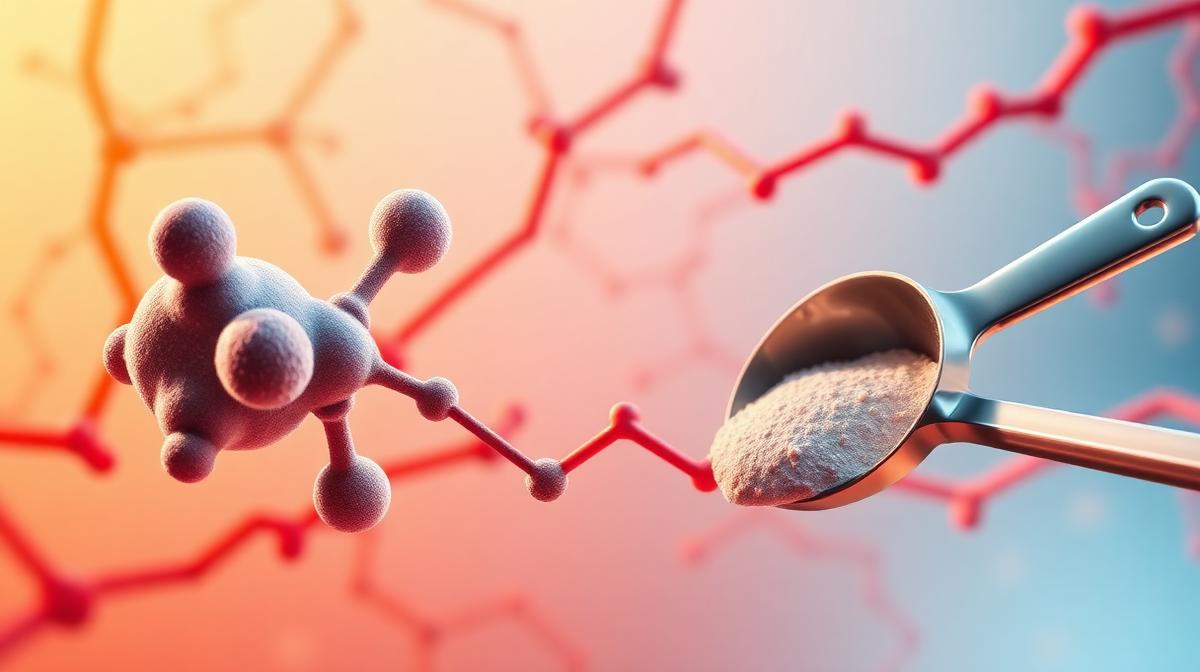
Synergy between nitrogen balance and muscle anabolism. When choosing between these two supplements, you are actually choosing between logistics (Arginine) and material (Protein). One without the other works, but their combination creates the ideal metabolic environment for hypertrophy.
📊 Comparative Matrix: Precursor vs. Whole Food
| Characteristic | L-Arginine (Amino Acid) | Whey Protein (Whole Food) |
|---|---|---|
| Biological Nature | Free, specific amino acid | Complex protein (all EAAs) |
| Key Mechanism | Nitric Oxide (NO) Synthesis | mTOR Activation (Growth) |
| Primary Effect | Vasodilation | Muscle Regeneration |
| Pumping | Direct and strong | Minimal (indirect) |
| Absorption | Fast, but with high metabolic transit | Extremely fast (in the small intestine) |
| Timing | 30–60 min. pre-workout | Immediately post-workout |
🧬 In-depth Function Analysis
1. L-Arginine: The Key to Vascular Conductivity
Arginine is the body's primary "nitrogen donor."
Endothelial Response: It serves as a direct substrate for the eNOS enzyme, which produces nitric oxide. This gas relaxes the smooth muscles of blood vessels.
Waste Excretion: Besides "pumping," arginine is critical for the urea cycle, helping the body eliminate ammonia that accumulates during intense training and causes fatigue.
2. Whey Protein: The Macronutrient for Survival and Growth
This is not just a supplement, but a complete source of nitrogen and amino acids.
BCAA Richness: Whey contains a high concentration of branched-chain amino acids, which are the muscle's "fuel" during stress.
Insulinotropic Effect: Whey protein causes a slight insulin spike, which is beneficial post-workout because insulin is the "transport wagon" that moves nutrients into cells.
🔄 Synergistic Mechanism: "The Highway Effect"
Why do elite athletes rarely choose just one?
Expanding Capacity: Arginine widens the "highways" (blood vessels).
Enhanced Transport: When you consume protein against a backdrop of already elevated nitric oxide levels, amino acids reach muscle fibers much faster and in higher concentration.
Hormonal Boost: Both supplements can stimulate the release of growth hormone (GH) through different pathways, especially when taken before sleep or after heavy physical exertion.
🛠️ Practical Selection Algorithm
🟢 Focus on WHEY PROTEIN if:
- Your goal is lean muscle mass and recovery.
- You need an easy way to reach your daily protein intake (about 1.6–2g per kg of body weight).
- You are looking for an "all-in-one" post-workout solution.
🔵 Add L-ARGININE (or Citrulline) if:
- You want to increase the intensity and volume of your sets.
- You suffer from slow recovery or mildly elevated blood pressure.
- You desire better visual pumping and "veininess" for photos or competitions.
🧭 Expert Protocol (2026)
Pre-workout window: 3-5g L-Arginine (or even better, 6-8g L-Citrulline) on an empty stomach. This prepares the vascular system.
Post-workout window: 30g Whey Isolate. The already dilated vessels will "suck in" the protein instantly.
⚠️ Health Alert: Since Arginine affects vascular tone, individuals taking erectile dysfunction medication (PDE5 inhibitors) or nitrates for heart conditions should be extremely cautious due to the risk of a sharp drop in blood pressure.
🤖 Critical Tip: Arginine is great, but if you experience stomach discomfort, switch to L-Citrulline. It is gentler on digestion and actually increases blood arginine levels more effectively than taking arginine itself.
🧭 When to choose which?
📖 What is L-Arginine and Whey Protein?
L-Arginine is a conditionally essential amino acid that plays a role in nitric oxide production, improving blood circulation and nutrient delivery. Whey protein is a fast-digesting protein derived from milk that provides amino acids for muscle growth and recovery.
⚖️ Pros and Cons
| ✅ Pros | ❌ Cons |
|---|---|
🗣️ Explained simply
L-arginine is like a courier that helps widen your blood vessels, so more oxygen and nutrients reach your muscles. Whey protein is the direct building material – the protein your body needs to repair and build muscle. One helps with delivery, the other is the 'construction' itself.
Recommended products
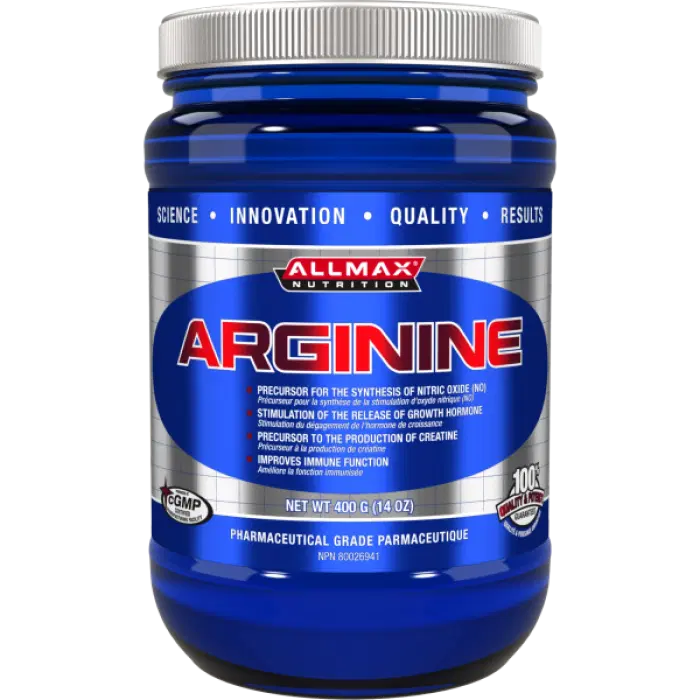
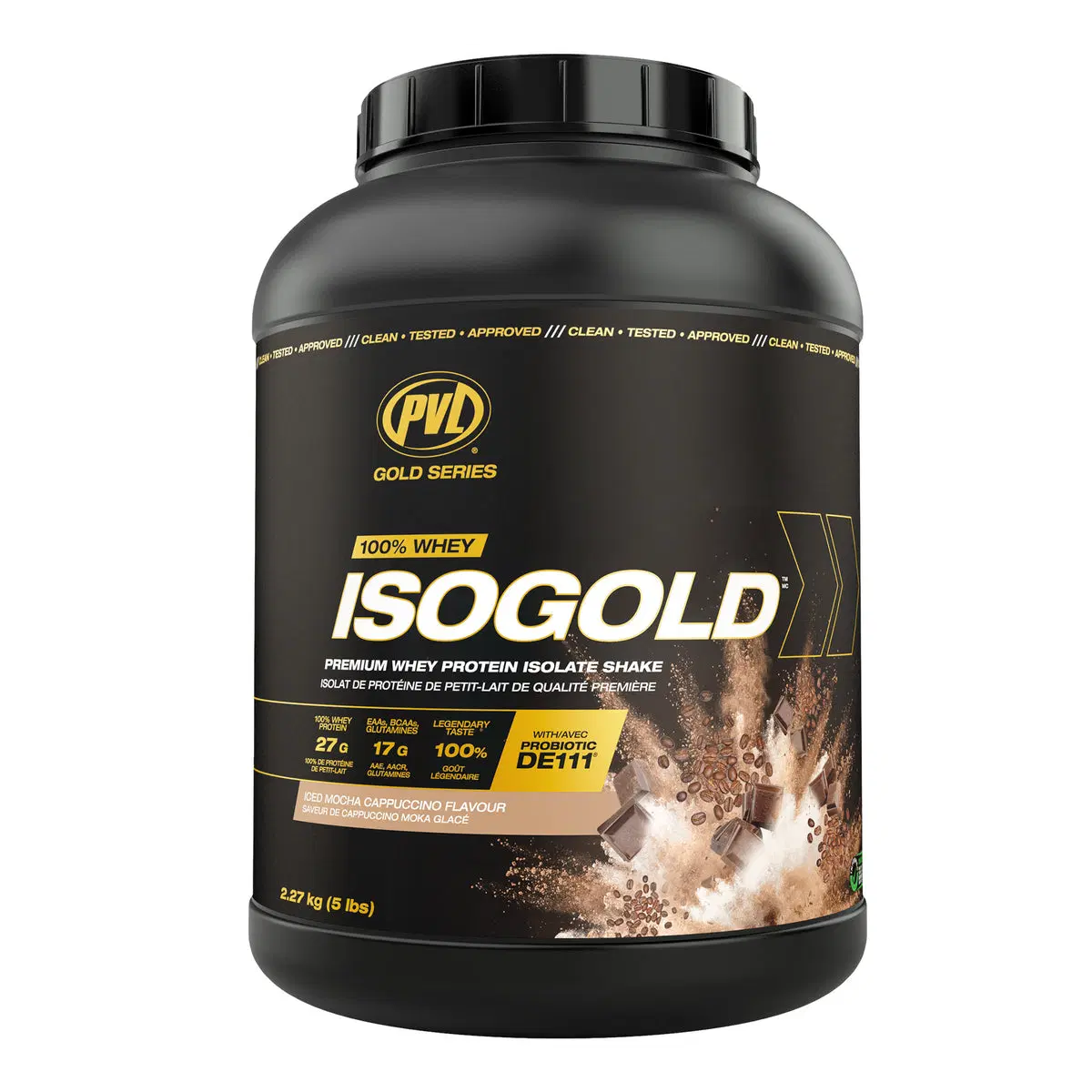

Frequently asked questions
Can L-arginine and whey protein be taken together?
Yes, combining them creates a synergistic effect. Arginine improves blood circulation, which helps in faster transport of whey protein amino acids to the muscles.
Which is more suitable for building muscle mass – L-arginine or whey protein?
Whey protein is the main building block for muscles as it delivers all essential amino acids. L-arginine aids in better vascularization and nutrient delivery, which indirectly supports growth.
When is the best time to take L-arginine and whey protein?
L-arginine is taken before training (30-60 min.) to improve blood supply. Whey protein is most effective immediately after training to aid recovery.
Do L-arginine and whey protein have side effects?
Whey protein is generally well-tolerated, but some people may experience stomach discomfort. L-arginine can cause a drop in blood pressure, especially when combined with certain medications, so a doctor's consultation is necessary.