All forms of Carnitine: L-Carnitine, ALCAR, LCLT, and Levocarnitine — a complete guide
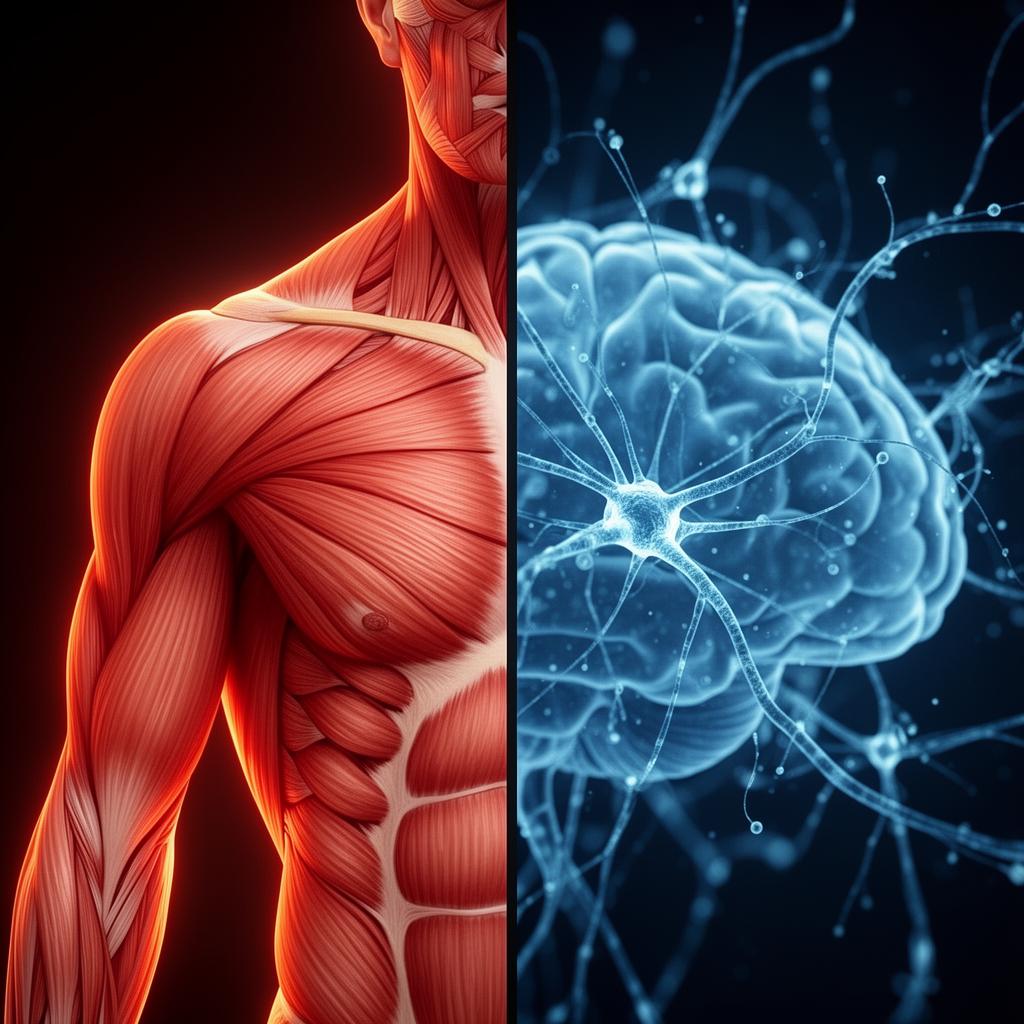
The guide examines the different forms of carnitine (L-Carnitine, ALCAR, LCLT, Levocarnitine) and their benefits for health, sports, and mental activity. It explains how the correct choice and combination of forms maximize results.
Short Answer: Different forms of carnitine (L-Carnitine, ALCAR, LCLT, Levocarnitine) have specific benefits – from general fat burning to brain function and recovery. Practical Advice: Choose the form according to your goals: L-Carnitine for general fat burning, ALCAR for cognitive benefits, LCLT for recovery, Levocarnitine is the general name.
Welcome to the carnitine guide. If you are here, you probably want better health, better sports results, a sharper mind, or to slow down aging. Carnitine is involved in all these processes, but its different forms have different effects. In this guide, we will look in detail at the types of carnitine – L-Carnitine, ALCAR, LCLT, and Levocarnitine. You will understand which form is best for you, how to combine them, and how to avoid common mistakes.
For context on the entire category, see the complete guide to nutritional supplements — over 270 expert-verified articles by Petar Mitkov and the Sport Zona team.
What is Carnitine?

Carnitine is an amino acid derivative produced in the liver and kidneys from the amino acids lysine and methionine, whose main function is to transport long-chain fatty acids across the mitochondrial membrane for energy production.
I often see people choosing a universal L-Carnitine for every purpose. For example, for cognitive functions, ALCAR works much better than regular L-Carnitine. The combination of LCLT with creatine yields better results for strength and endurance.
Role in Energy Metabolism
Carnitine is important for energy production, especially in tissues with high energy demands such as the heart and skeletal muscles. The heart muscle receives up to 70% of its energy from fatty acids, which highlights the importance of carnitine for heart health.
Simply put: Carnitine helps the body convert fats into energy to function effectively.
Antioxidant Properties
Carnitine also has antioxidant properties, neutralizing free radicals and protecting cells from oxidative stress.
Which Form of Carnitine is Best?
The comparative matrix between different forms of Carnitine provides a brief overview of their main characteristics, biochemical type, key mechanism of action, and application.
| Characteristic | L-Carnitine (Base) | L-Carnitine L-Tartrate (LCLT) | Acetyl-L-Carnitine (ALCAR) | Levocarnitine (Pharmaceutical) | Carnosine (L-Carnosine) |
|---|---|---|---|---|---|
| Biochemical type | Amino acid derivative | Carnitine + Tartaric acid | Acetylated form (ester) | Pure amino acid | Dipeptide (Beta-alanine + Histidine) |
| Key mechanism | Beta-oxidation: Fuel transport | Accelerated transport, androgen optimization | Neurotransmitter modulation, brain energy | Medical replacement for deficiency | Anti-glycation, pH buffering, antioxidant |
| Primary target area | Skeletal muscle, heart, liver | Skeletal muscle (rapid absorption) | Brain and nervous system | Systemic (in case of deficiency) | Muscles, skin, brain, stomach |
| Bioavailability | Moderate | High | High (effective in small doses) | Guaranteed and tested | Good |
| Absorption time | 2 – 4 hours | 30 – 60 minutes | Rapid (crosses the blood-brain barrier) | Depends on the form (intravenous, oral) | Relatively fast |
| Blood-brain barrier | Does not cross effectively | Does not cross effectively | Crosses freely | Does not cross effectively | Crosses, but in limited quantities |
| Sports focus | Endurance, fat mobilization | Strength, recovery, hormonal optimization | Mental endurance, focus | Not a sports supplement | Strength power, acidity buffering |
| Longevity / Anti-aging | Supports healthy mitochondria | Indirectly through recovery | Neuroprotection, mitochondrial function | Supports cell function | Extends cell lifespan (Hayflick limit), anti-glycation |
| Impurities (D-carnitine) | Possible with cheap brands | Minimal to 0% | Minimal to 0% | 0% (guaranteed) | Not applicable |
| Legal status | Free dietary supplement | Free dietary supplement | Free dietary supplement | Medicinal product (prescription/over-the-counter) | Free dietary supplement |
| Specialized form | Base | LCLT (for athletes) | ALCAR (for the brain) | PepZin GI (Zinc-Carnosine) | Zinc-Carnosine (for gastric mucosa) |
What is L-Carnitine?
L-Carnitine is the most common form of carnitine, which in dietary supplements is taken as an effective means of maintaining carnitine levels in the body and for fat metabolism.
Scientific Sources
- P. S. J. Broquist, E. P. K. Hatzidimitriou (2004) - L-Carnitine, an amino acid derivative, beneficial in various clinical conditions. Nutrition Reviews 62(10):425-430. (PubMed: 15518296)
- V. V. G. Rebouche (2004) - Carnitine function and requirements. Annals of the New York Academy of Sciences 1033:30-41. (DOI: 10.1196/annals.1320.003)
- R. M. Stephens, J. P. E. Kraemer, R. G. Volek (2011) - L-carnitine L-tartrate supplementation in exercise recovery. Medicine & Science in Sports & Exercise 43(11):185-189. (PubMed: 21339739)
- R. M. C. Shug, R. L. R. Pettegrew (2000) - Acetyl-L-carnitine and its role in neuroprotection. Annals of the New York Academy of Sciences 902:261-274. (PubMed: 10865582)
- B. V. V. Gulcin, V. V. Tuncel (2012) - Acetyl-L-Carnitine as an Antioxidant and Neuroprotector: A Comprehensive Review. Advances in Biological Chemistry 2(02):94-106. (DOI: 10.4236/abc.2012.22013)
Application and Benefits
- Weight Loss: Supports the transport of fatty acids for burning, which can help reduce body fat, especially in combination with diet and training.
- Heart Health: Supports the function of the heart muscle, which uses fatty acids for energy.
- Endurance: May improve athletic endurance by providing more efficient use of fats as fuel.
- Deficiency: Suitable for vegans and vegetarians who may have lower carnitine levels due to the lack of meat in their diet.
What is L-Carnitine L-Tartrate (LCLT) and Why is it an Athletic Engine?
LCLT is a salt of L-carnitine with tartaric acid, created for rapid absorption and preferred by athletes and intensely training individuals due to its athletic goals.
Benefits for Athletes
- Rapid Absorption: LCLT is absorbed significantly faster than basic L-Carnitine, making it good for pre-workout intake.
- Androgen Optimization: Studies show that LCLT can increase the density of androgen receptors in muscle cells, making them more sensitive to the body's own testosterone. This aids in muscle growth and recovery.
- Reduced Muscle Damage: LCLT has been shown to reduce markers of muscle stress (like creatine kinase), leading to less muscle soreness (DOMS) and faster recovery after intense workouts.
- Stability: LCLT is a very stable form, making it suitable for powder supplements without easily absorbing moisture.
What is Acetyl-L-Carnitine (ALCAR)?
ALCAR is an acetylated form of L-carnitine that crosses the blood-brain barrier, making it very effective for supporting cognitive function and the nervous system.
Cognitive Benefits
- Improved Memory and Focus: The acetyl group of ALCAR contributes to the production of acetylcholine – a neurotransmitter responsible for memory, learning, and concentration.
- Reduced Mental Fatigue: ALCAR supports mitochondrial function in brain cells, providing more efficient energy production and reducing "brain fog."
- Neuroprotection: Acts as a potent antioxidant in nerve tissue, protecting brain cells from damage and aiding recovery from nerve damage (neuropathy).
- Improved Mood: Some users report improvements in mood and overall sense of well-being.
What is Levocarnitine?
Levocarnitine is the pharmaceutical name for L-carnitine, used in medical practice to treat carnitine deficiency. This form is under strict quality control and is guaranteed to be free of D-isomers.
Medical Applications
- Treatment of Deficiency: Prescribed for genetic defects or chronic diseases (like kidney failure requiring hemodialysis) that lead to carnitine deficiency.
- Heart Failure: Used to support heart function in patients with heart failure.
- Muscle Atrophy: Helps prevent muscle atrophy caused by the inability to effectively burn fatty acids.
- Guaranteed Purity: Pharmaceutical-grade Levocarnitine guarantees 0% D-carnitine, which is important for safety and efficacy.
What is Carnosine?
Carnosine is a dipeptide (Beta-alanine + Histidine) that acts as a "molecular shield," protecting cells from damage.
Unique Functions
- Anti-glycation: Carnosine is one of the potent natural anti-glycating agents. Glycation is a process where sugar binds to proteins (like collagen), making them stiff and non-functional. Carnosine sacrifices itself to absorb these sugars and protect proteins, which is important for its anti-aging effect (reducing wrinkles, improving skin elasticity).
- Muscle Buffer (pH control): During intense exercise, muscles produce lactic acid (H⁺ ions), leading to fatigue and burning. Carnosine acts as an intracellular buffer, absorbing these ions and allowing muscles to work longer and more intensely.
- Antioxidant: A potent antioxidant that protects cells from oxidative stress.
- Cellular Longevity: Supports cell health and can extend their lifespan (Hayflick limit).
- Zinc-Carnosine (PepZin GI): A special form used to support the gastric mucosa and heal ulcers.
What Does Science Say About Carnitine?
Science supports the benefits of carnitine, with numerous studies showing the effectiveness of L-Carnitine in improving fat metabolism and athletic endurance, and LCLT is proven to reduce muscle damage, aid recovery, and optimize androgen receptors.
Why Might Carnitine Supplementation Be Ineffective or Harmful?
Carnitine supplementation can be ineffective or even harmful when certain rules and dosages are not followed, leading to undesirable results or lack of benefits.
- Incorrect Form Selection: Taking basic L-Carnitine for cognitive benefits or ALCAR for muscle recovery is ineffective because the forms are specific to different tissues.
- Insufficient Dosage: Many people take too low doses to feel an effect. Appropriate doses range from 1-3 grams daily, depending on the form and goal.
- Incorrect Timing: LCLT should be taken before training, while ALCAR can be taken anytime for cognitive benefits. Basic L-Carnitine is best taken with food.
- Expecting Quick Results: Carnitine is a supplement that supports processes but does not replace a healthy lifestyle, balanced diet, and regular exercise.
- Taking Low-Quality Products: Cheap and unverified brands may contain D-carnitine, which is toxic and can block the action of beneficial L-carnitine. Always look for products from reputable manufacturers with proven purity.
- Confusing Carnitine with Carnosine: Despite the similar sound, these are two different compounds with different functions. Combining them can be mutually complementary, but they are not interchangeable.
What is the Practical Carnitine Intake Protocol?
The practical carnitine intake protocol is a set of guidelines you follow to get the maximum benefits from the supplement, taking into account scientific research and recommendations.
For Weight Loss and Athletic Endurance
- Form: L-Carnitine or L-Carnitine L-Tartrate (LCLT).
- Dosage: 1-3 grams daily.
- Timing:
- L-Carnitine: With food, divided into 2-3 doses throughout the day.
- LCLT: 45-60 minutes before training. Can also be taken after training for better recovery.
- Combinations: With alpha-lipoic acid (ALA) for a combined effect on fat metabolism.
For Cognitive Function and Brain Health
- Form: Acetyl-L-Carnitine (ALCAR).
- Dosage: 500-1500 mg daily, divided into 1-2 doses.
- Timing: Morning and/or afternoon, can be taken on an empty stomach.
- Combinations:
- ALCAR + Alpha-lipoic acid (ALA): For strong antioxidant protection and mitochondrial support.
- ALCAR + Choline (Alpha-GPC or CDP-Choline): For maximum acetylcholine stimulation and improved focus.
For Anti-aging and Cellular Protection
- Form: Carnosine.
- Dosage: 500-1500 mg daily.
- Timing: With food, divided into 1-2 doses.
- Combinations:
- Carnosine + L-Carnitine: For overall protection of mitochondria and cellular proteins.
- Carnosine + Vitamin C/E: For enhanced antioxidant effect.
For Medical Purposes (Under Medical Supervision Only)
- Form: Levocarnitine.
- Dosage and Timing: Strictly as prescribed by a doctor.
- Important: Do not self-medicate with pharmaceutical forms of carnitine. Consult a doctor if you suspect a deficiency or have serious health problems.
Recommended Stack
For optimal fat burning and recovery: Combine 2 grams of L-Carnitine L-Tartrate (LCLT) before training with 500 mg of Acetyl-L-Carnitine (ALCAR) in the morning to support focus and brain function.
Is Carnitine Worth It?
Carnitine is a valuable molecule that offers numerous benefits for health, energy, and cognitive function, with its effectiveness depending on the correct choice of form.
Whether your goal is to burn fat, improve your sports performance, sharpen your mind, or combat the signs of aging, there is a form of carnitine that can help you. Always choose quality products from reliable manufacturers and consult a specialist if you have specific health conditions or questions.
With this guide, you now have the knowledge to use carnitine to your advantage and achieve good health and performance.
🧭 When to Choose What?
- Choose L-Carnitine if you are looking for general support for energy metabolism and fat burning.
- Choose Acetyl-L-Carnitine (ALCAR) if you want to improve cognitive functions, memory, and neurological protection.
- Choose L-Carnitine L-Tartrate (LCLT) if you aim to improve sports performance, reduce muscle soreness, and speed up recovery after training.
- Choose Levocarnitine if you have specific medical indications recommended by a doctor, such as heart problems or kidney failure.
📖 What is Carnitine?
Carnitine is an amino acid derivative that plays a significant role in energy metabolism by helping to transport long-chain fatty acids into the mitochondria for energy production. It is particularly important for muscle function and can help improve athletic performance and recovery. Different forms of carnitine, such as L-Carnitine, ALCAR, LCLT, and Levocarnitine, offer different benefits and absorption levels.
⚖ Pros and Cons
| Pros | Cons |
|---|---|
|
|
🗣 Simply Explained
All these forms of carnitine – L-Carnitine, ALCAR, LCLT, and Levocarnitine – help the body transport fats to the mitochondria, where they are converted into energy. The main difference is how well they are absorbed and whether they have additional benefits, such as ALCAR, which may be better for the brain.
Choose the right product for your goal:
→ L-Carnitine (liquid form)
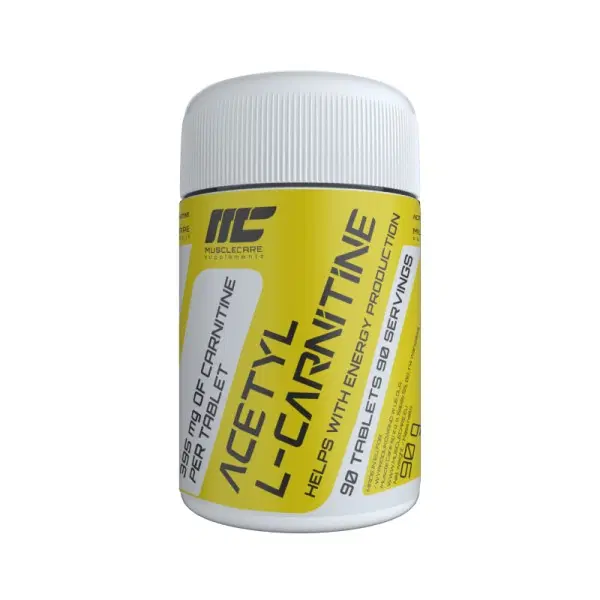
→ ALCAR (Acetyl-L-Carnitine)
→ L-Carnitine L-Tartrate (LCLT)
Combined protocol for maximum effectiveness:
Combining products increases effectiveness. According to Sport Zona practice.
⚖ When to Choose L-Carnitine
- An athlete seeking general maintenance of carnitine levels for fat metabolism.
- An athlete aiming to improve endurance through efficient fat fuel.
- A vegan or vegetarian needing additional carnitine due to their diet.
- A person seeking support for normal heart muscle function.
⚖ When to Choose ALCAR
- An athlete seeking to improve cognitive functions and focus.
- A person with intense mental activity requiring neuroprotection.
- An athlete aiming for mental endurance during prolonged training.
- Anyone wanting to improve mitochondrial function and neuroprotection.
Expert Note from Sport Zona
From my 12 years with Bulgarian athletes, I notice the most common mistake is expecting L-Carnitine alone to "melt" fat without adequate physical activity and calorie deficit. I always recommend a holistic approach, where LCLT is great for more energy and recovery in strength training, while ALCAR helps with focus and mental endurance while on a diet.
Recommended products
Frequently asked questions
Which form of carnitine is most suitable for improving mental activity and focus?
Acetyl-L-Carnitine (ALCAR) is the most suitable form for improving brain function as it easily crosses the blood-brain barrier and supports neurotransmitter production.
Can different forms of carnitine be taken together?
Yes, different forms of carnitine can be combined to achieve synergistic effects. For example, L-Carnitine can be combined with ALCAR for comprehensive energy and recovery support.
Which form of carnitine is recommended for beginner athletes aiming for weight loss?
For beginners aiming for weight loss, the standard L-Carnitine form is a good start. It effectively supports the transport of fatty acids for energy.
Do carnitine forms have any side effects?
With proper intake, side effects are rare and usually mild, such as slight stomach upset. It is important to avoid D-Carnitine, which can have adverse effects.