L-Glutamine vs. Glutamine Peptides: Transport Rate and Tissue Specificity
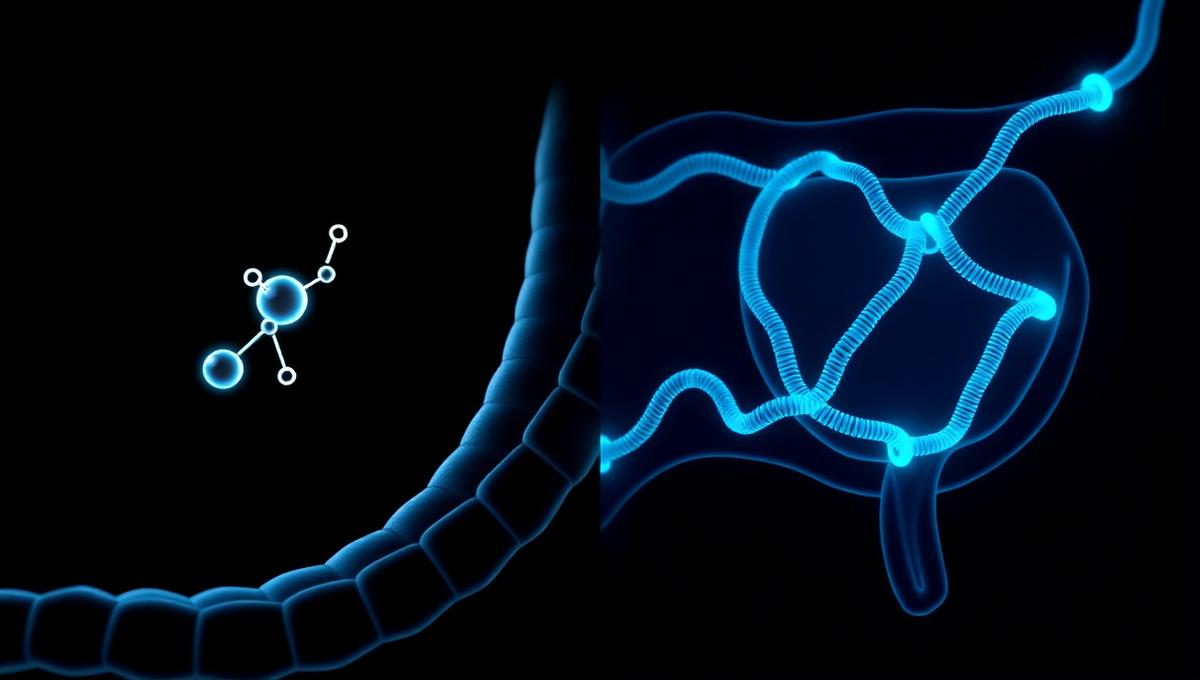
Muscles often become depleted of glutamine, as it is used by the intestines and the immune system. Glutamine peptides can help it reach the muscles more effectively.
Short Answer: While L-Glutamine (free form) is "first-line fuel" for the gut, glutamine peptides act as a "Trojan horse," utilizing PEPT1 transporters for higher bioavailability (up to 80% more) and stability, reaching muscles more effectively. Practical tip: For maximum muscle recovery, especially with compromised digestion, opt for glutamine peptides, which are more resistant to stomach acids and ensure better transport.
The main issue with glutamine isn't what it does, but how it gets where it needs to go. The body uses glutamine intensively for the gut and immune system immediately after intake. This often leaves muscles deficient. This is where glutamine peptides can make a difference.
See also expert knowledge base on supplements — over 270 expert-verified articles by Petar Mitkov and the Sport Zona team.
Which is Better: Free Form L-Glutamine or Glutamine Peptides?
The comparative matrix between free form L-Glutamine and Glutamine Peptides is a summary table highlighting key differences in chemical state, transport mechanism, muscle bioavailability, acid stability, and vegan suitability.

What are Transport Systems?
1. L-Glutamine: "First-Line Fuel"
Transport systems are the mechanisms by which the free form of a substance is the first thing that the cells of the intestinal lining (enterocytes) encounter.
Simply put: Different types of glutamine use different pathways to get to the right places in the body. Some are more efficient than others.
Scientific Sources
- Adibi, S. A., & Kim, Y. S. (1981). Dipeptide transport in human intestine: role of PEPT1. The American Journal of Clinical Nutrition, 34(10), 2003-2007. (PubMed: 7293922)
- Rao, R., & Wray, C. (2018). The intestinal peptide transporter PEPT1: a critical gatekeeper of gut health. Gastroenterology, 154(7), 1605-1607. (DOI: 10.1053/j.gastro.2018.02.046)
- Newsholme, P. (2001). Why is L-glutamine a conditionally essential amino acid?. Amino Acids, 21(9-10), 1-13. (DOI: 10.1007/s007260170068)
- Blomstrand, E., & Sandschult, L. (2001). Transport of glutamine and alanine in muscle cells. Nutritional Biochemistry, 12(11), 606-613. (DOI: 10.1016/S0955-2863(01)00185-3)
Expert Note
Many people give up on glutamine because they don't notice any effect. This is often due to its low bioavailability for muscles. It's a mistake to take L-glutamine on an empty stomach, as this worsens absorption. For older athletes or those with digestive issues, glutamine peptides often show better results.
Metabolic Barrier: Approximately 60-80% of free glutamine is used by the small intestine for energy and recovery. This benefit is valuable for people with "leaky gut" but reduces its effectiveness if the goal is muscle recovery.
2. Glutamine Peptides: An Efficient Transport Method
Glutamine peptides (glutamine bound to alanine or another amino acid) use a different absorption pathway.
PEPT1 Transport: The human body has specialized peptide transporters that work faster than those for individual amino acids. They allow glutamine to pass through the intestines intact and reach muscle tissue.
Stability: Free glutamine in liquid form (e.g., in a shake) breaks down into ammonia and glutamate relatively quickly. Peptides remain stable. This makes them a better choice for pre-prepared drinks.
What are the Specific Applications and Benefits of Glutamine?
Glycogen replenishment involves improved absorption of fluids and electrolytes through peptide forms (especially L-Alanyl-L-Glutamine). Their intake with carbohydrates after training accelerates the refilling of energy stores in muscles more effectively than free glutamine.
Tight Junction Regulation: L-glutamine simply fuels the cells, but peptides act as signaling molecules that strengthen the connections between cells in the intestines. This helps prevent inflammatory processes.
Which is Better: L-Glutamine or Glutamine Peptides?
Choose L-GLUTAMINE (Free Form) if:
- You have celiac disease, gluten intolerance, or follow a strict keto diet (peptides are often derived from wheat protein).
- The primary goal is to support the digestive system.
- You are looking for an economical way to support your immune system during the cold months.
- You are vegan and seek a product from plant fermentation.
Choose GLUTAMINE PEPTIDES if:
- You are a serious athlete aiming for maximum muscle recovery.
- You take the supplement during or immediately after training.
- You need a stable product that won't break down in your water bottle.
- You have no wheat allergies and desire the highest bioavailability on the market.
L-Glutamine is the free form of the amino acid glutamine, while glutamine peptides are chains of two or more amino acids, including glutamine, linked by peptide bonds. The difference between the two forms lies primarily in their transport speed and tissue specificity.
For maximum anabolic and recovery effect, combine 5-10g of Glutamine Peptides post-workout with 5g of BCAAs (leucine-dominant) during training. This ensures rapid supply of building blocks and minimizes muscle catabolism.
What is the Intake Protocol (2026)?
The intake protocol is the golden rule (2:1), which suggests combining 5g of L-Glutamine for gut health support with 2-3g of Glutamine Peptides for muscle recovery for the best results.
Timing:
- L-Glutamine: In the morning on an empty stomach to support the stomach.
- Peptides: During or immediately after training for hydration and nitrogen balance.
Expert Conclusion
Always read the label! If the product says "Hydrolyzed Wheat Protein," it's glutamine peptides. If it says "L-Glutamine," it's the free form. In cases of autoimmune diseases, avoid wheat-derived peptides.
🧭 When to Choose Which?
- Choose L-Glutamine if you seek maximum bioavailability and direct cell penetration for energy and glutathione synthesis.
- Choose Glutamine Peptides if you seek faster absorption through the intestines and less strain on the digestive system, especially with gastrointestinal issues.
- Choose Glutamine Peptides if your priority is rapid muscle glycogen replenishment after intense training.
- Combine Both if you want a comprehensive approach to recovery and immune support, leveraging the benefits of both the free amino acid and peptide glutamine.
📖 What are L-Glutamine and Glutamine Peptides?
L-Glutamine is an amino acid important for metabolism, immune function, and muscle recovery. Glutamine peptides are linked chains of glutamine molecules that are more easily absorbed by the body.
⚖ Pros and Cons
| Pros | Cons |
|---|---|
|
|
🗣 Explained Simply
L-Glutamine and glutamine peptides are different forms of the same thing, but they are absorbed at different rates. Peptides are faster – they reach the muscles quicker, which is beneficial after training. Regular glutamine is a bit slower but also supports muscle recovery and nourishment. The difference is like express versus standard delivery.
Choose the right product for your goal:
→ L-Glutamine Powder
→ Glutamine Peptides
→ Amino Acid Complex with Glutamine
Combined Protocol for Maximum Effectiveness:
Combining products increases effectiveness. This is our experience at Sport Zona.
⚖ When to Choose L-Glutamine
- You have celiac disease or gluten intolerance and avoid wheat protein.
- Your main goal is to improve and maintain digestive system (gut) health.
- You are looking for an affordable option to support your immune system, especially during winter.
- You are vegan and prefer a product from plant fermentation.
⚖ When to Choose Glutamine Peptides
- You are a serious athlete seeking maximum muscle recovery after intense workouts.
- You take the supplement during or immediately after training for a quick effect.
- You need a stable product that won't easily break down in liquid form or a water bottle.
- You have no wheat allergies and desire the highest bioavailability for your muscles.
Expert Note from Sport Zona
From my observations over the years, Glutamine peptides are more beneficial for people with sensitive stomachs and frequent discomfort. For them, they level the effect that free glutamine has on someone with proper digestion. Otherwise, there's almost no difference.
Recommended products
Frequently asked questions
Which type of glutamine is better for muscle recovery after training?
Glutamine peptides are more effective for muscle recovery because they use a different transport mechanism (PEPT1) that delivers them directly to the muscle tissue. They have higher bioavailability for muscles compared to the free form.
When is it recommended to take L-glutamine (free form) and when glutamine peptides?
L-glutamine (free form) is recommended in the morning on an empty stomach to support stomach health. Glutamine peptides are suitable for intake during or immediately after training for optimal muscle recovery and hydration.
Are there any contraindications for glutamine peptides?
Yes, glutamine peptides, especially those derived from wheat hydrolysate, may not be suitable for individuals with celiac disease, gluten intolerance, or wheat allergies. They should be avoided in cases of autoimmune diseases.
Can L-glutamine and glutamine peptides be combined?
Yes, they can be combined for optimal benefits. The suggested regimen is 5g of L-glutamine to support the gut (taken in the morning) and 2-3g of glutamine peptides for muscles (taken after training).