L-Carnitine vs. CLA: Active Burning vs. Metabolic Barrier

L-carnitine transports fats for energy, and CLA blocks their accumulation. Neither affects heart rate.
Short answer: L-Carnitine (2-3g before training) transports fat for energy during activity, while CLA (3-4g daily with food) blocks the storage of new fat and preserves muscle, with its effect accumulating over 8-12 weeks. Practical advice: Combine them for comprehensive fat burning and prevention of new accumulation, especially if you exercise actively and are on a diet.
L-Carnitine and CLA (conjugated linoleic acid) are effective fat-reducing supplements that do not increase heart rate or blood pressure. They work differently: L-Carnitine transports fatty acids to the mitochondria where they are burned for energy, while CLA inhibits the enzymes that store new fat in cells.
For more detailed information, check out the complete guide to sports supplements — over 270 expert-verified articles by Petar Mitkov and the Sport Zona team.
Which is Better: L-Carnitine or CLA?
L-Carnitine is an amino acid derivative that transports fats to be used for energy, while CLA (Conjugated Linoleic Acid) is a specific Omega-6 fatty acid that prevents fat storage via the LPL enzyme.

How Do L-Carnitine and CLA Work?
1. L-Carnitine: The "Transporter"
L-Carnitine is an amino acid that plays a key role in energy metabolism, as it transports fatty acids into the mitochondria, where they are burned for energy, especially when the body needs it.
Simply put: This section explains exactly how L-Carnitine and CLA work at the cellular level. We delve into their complex mechanisms in the body to understand each of their functions.
Scientific Sources
- Villani RG, et al. (2000) - L-Carnitine supplementation for 1 week at 2 g/day decreases fasting metabolic rate and body fat but does not alter energy expenditure or lipid oxidation during exercise. (PMID: 10860555)
- Blankson H, et al. (2000) - Conjugated linoleic acid reduces body fat mass in overweight and obese humans. (DOI: 10.1093/jn/130.12.2943)
- Wang Y, et al. (2018) - Effect of L-carnitine on lipid metabolism in patients with type 2 diabetes mellitus: A systematic review and meta-analysis. (DOI: 10.1002/jmb.21639)
- Lehnen TL, et al. (2015) - Review of the effects of conjugated linoleic fatty acid (CLA) on body composition and energy metabolism. (DOI: 10.1590/1414-431X201534060001)
From SportZona's Experience:
The combination of L-Carnitine and CLA yields significantly better results for fat reduction, especially in individuals with moderate physical activity. A common mistake is expecting a quick effect from CLA – its benefits become apparent after at least 4-6 weeks of use.
Mechanism: It captures free fatty acids in the blood and transports them into the mitochondria. Without carnitine, fats have difficulty reaching the "furnace" for burning.
Why it's effective during training: The more intensely you train, the more fat is released, and the more carnitine is needed for its transport.
2. CLA: The "Metabolic Regulator"
CLA influences cell signaling and enzyme control.
Mechanism: CLA blocks the enzyme lipoprotein lipase (LPL). This enzyme is responsible for transporting fats from the blood into fat cells (adipocytes).
Effect: When LPL is blocked, fat stores remain "locked." Instead of being stored, fats remain accessible to the muscles to be burned.
Muscle Preservation: CLA can increase the sensitivity of muscle cells to insulin, which helps preserve muscle mass during a low-calorie diet.
Why is the Combination 1 + 1 = 3 So Powerful?
Combining these two supplements completes the entire fat metabolism cycle.
- CLA prevents fats from entering fat cells and keeps them "free" in the blood.
- L-Carnitine picks up these free fats and delivers them to the muscles for energy.
- Result: You reduce fat stores while simultaneously boosting your energy for training.
Which is the Better Choice Between L-Carnitine and CLA?
L-Carnitine is an amino acid compound that can help convert fats into energy by transporting them to the mitochondria, where they are burned.
- You exercise actively (3-4 times a week or more).
- You need more energy during cardio sessions.
- You are looking for a way to speed up muscle recovery after intense workouts.
🔵 Choose CLA if:
- You aim for long-term reduction in body fat percentage.
- You are following a strict diet and want to preserve muscle mass.
- You do not want stimulants but are looking for metabolic support throughout the day.
Recommended Stack
For maximum fat burning and muscle mass preservation, combine 2 grams of L-Carnitine (500mg before training, 500mg in the morning, 500mg in the afternoon, 500mg in the evening) with 3 grams of CLA (1 gram with each main meal). Take L-Carnitine with carbohydrates or protein, and CLA always with food.
How Much L-Carnitine Should You Take?
L-Carnitine is taken in a dose of 2–3 grams about 30–45 minutes before training, and on rest days, it can be taken in the morning.
CLA: Take 3–4 grams daily, divided into three doses (with breakfast, lunch, and dinner). As it is a fatty acid, it is only absorbed with food that contains fats.
Expert Conclusion
Do not expect immediate results from CLA. It is a supplement whose effects accumulate — you will notice a change in muscle firmness and definition after about 6 to 8 weeks of regular intake. To achieve a full fat metabolism cycle, combine it with L-Carnitine: CLA will block storage, and Carnitine will ensure burning.
🧭 When to Choose Which?
- Choose L-Carnitine if your goal is to actively burn fat during training and improve your athletic performance.
- Choose CLA if you want to stimulate metabolism at rest and support body fat reduction, especially in problem areas.
- Combine both if you are looking for a comprehensive approach to accelerate metabolism and burn fat more effectively during and outside of physical activity.
📖 What is L-Carnitine?
L-carnitine is an amino acid-like compound that contributes to fat metabolism by helping to transport long-chain fatty acids to the mitochondria for energy production.
📖 What is CLA?
CLA (Conjugated Linoleic Acid) is a group of fatty acids found naturally in meat and dairy products from ruminant animals. CLA is associated with aiding fat loss and increasing lean muscle mass.
⚖ Pros and Cons
| Pros | Cons |
|---|---|
|
|
🗣 Explained Simply
L-Carnitine acts like a courier, helping fats to be used as fuel when you need more energy. CLA, on the other hand, acts as a barrier that can help the body store less fat and reduce overall fat, especially if you are on a diet.
Choose the right product for your goal:
→ L-Carnitine for energy and burning
→ CLA for metabolic support
→ Complex fat burners
Combined protocol for maximum effectiveness:
Combining products increases effectiveness. This has been proven in SportZona's practice.
⚖ When to Choose L-Carnitine
- If you exercise actively (3-4 times a week) and need more energy during cardio.
- If your goal is to speed up muscle recovery after intense training.
- If you are looking for active fat burning specifically during workouts.
- Use it before training to stimulate fat burning for fuel.
⚖ When to Choose CLA
- If your goal is long-term reduction of overall body fat percentage, without stimulants.
- If you are on a strict diet and want to preserve muscle mass.
- If you are looking for metabolic support throughout the day, without direct impact on training.
- Take it with breakfast, lunch, and dinner for better absorption and effect.
Expert Note from Sport Zona
From our experience with athletes, we observe that L-Carnitine is most effective when combined with moderate to intense physical activity, while CLA is more suitable for weight maintenance with prolonged use. We often recommend using these two supplements after all other weight change options have been tried.
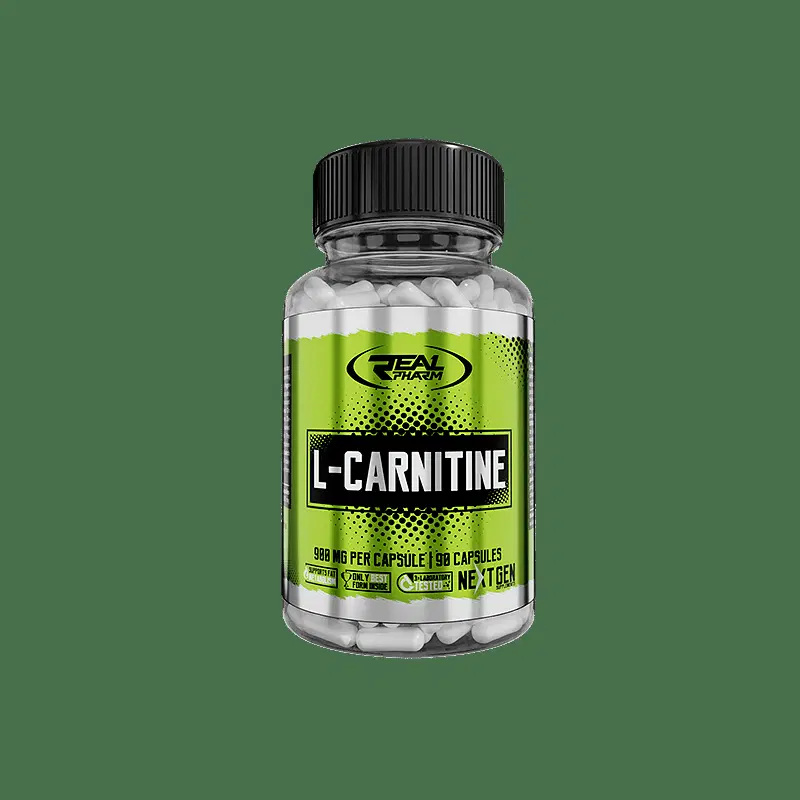
Recommended products
Frequently asked questions
Can L-Carnitine and CLA be taken together?
Yes, combining them can lead to better results, as CLA inhibits fat storage, while L-Carnitine helps burn fat for energy.
When is the best time to take L-Carnitine?
L-Carnitine is most effective about 30-45 minutes before training when the body needs energy. On rest days, it can be taken in the morning.
Is the use of CLA associated with side effects?
The article does not directly mention side effects, but it emphasizes that CLA acts at a cellular level and requires prolonged intake (8-12 weeks) for visible results.
Who is L-Carnitine more suitable for, and who is CLA more suitable for?
L-Carnitine is for active individuals seeking more energy during workouts. CLA is for people aiming for long-term fat reduction and muscle preservation during a diet, without stimulants.