LISS — low-intensity cardio
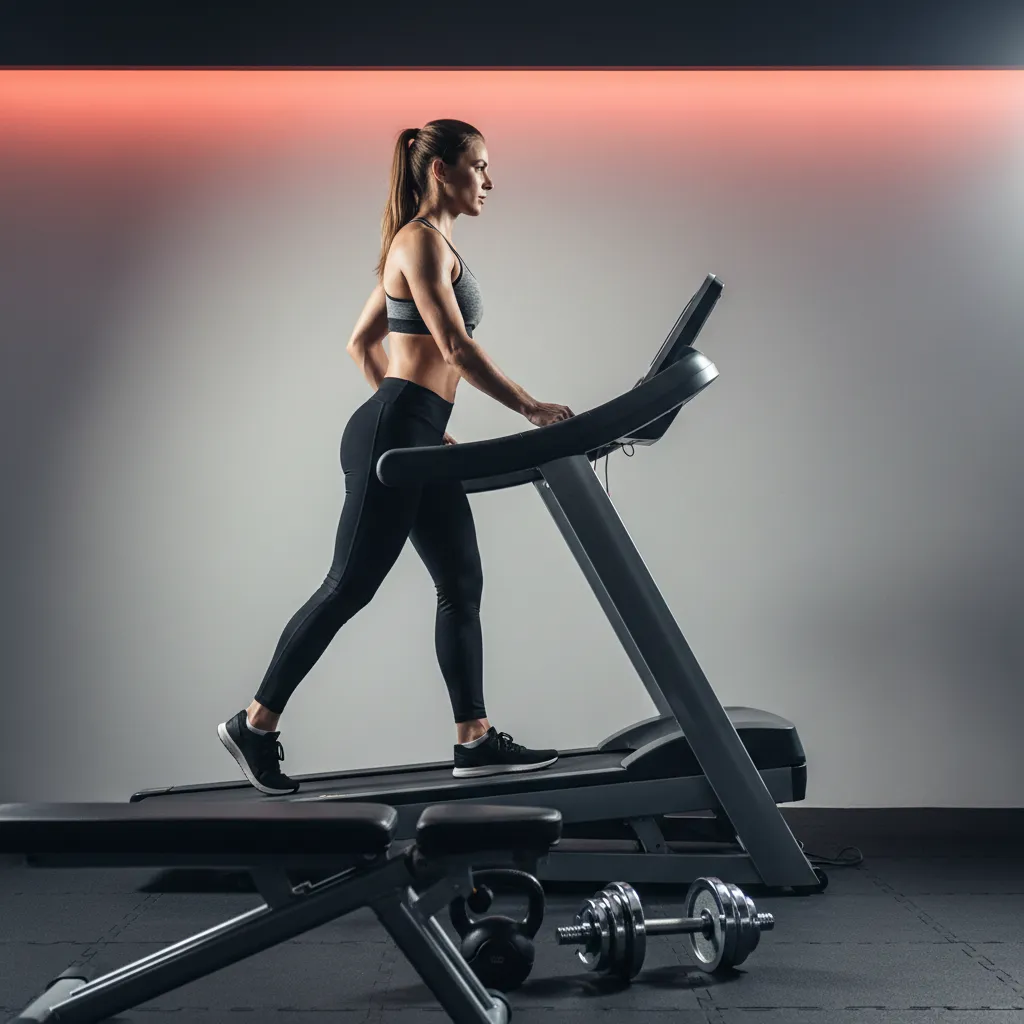
60–70% max. pulse, 30–60 min, fat oxidation, difference with HIIT
LISS (Low-Intensity Steady-State) is a low-intensity, steady-pace cardio workout maintained for a prolonged period, typically 30-60 minutes, to stimulate fat burning.
📌 3 Key Takeaways
- LISS is performed at 60–70% of your maximum heart rate, allowing the body to primarily use stored fat as its main energy source during the activity.
- Unlike HIIT, LISS has low impact on joints and the nervous system, making it ideal for active recovery, beginners, or when in a significant calorie deficit.
- Its effectiveness depends on duration (30–60 minutes) and consistency, contributing to overall calorie expenditure without causing excessive stress and fatigue.
What Exactly is LISS Cardio?
💬 Simply Put: LISS is a type of workout where you exercise slowly and steadily for a longer time to help your body burn fat.
- Brisk walking (outdoors or on a treadmill, especially with incline)
- Light running (jogging)
- Cycling on an exercise bike or a regular bike at a steady pace
- Using an elliptical trainer
- Swimming at a slow to moderate pace
How It Works in Practice
The primary mechanism by which LISS stimulates fat burning is related to the body's energy systems. At low intensity and with sufficient oxygen (aerobic conditions), the body can effectively mobilize and utilize fatty acids from fat stores as fuel. At higher intensities (above 75-80% of max heart rate), it switches to a faster but less efficient energy source – glycogen stored in the muscles and liver. Let's illustrate with numbers. For a 35-year-old individual, the approximate maximum heart rate is 220 - 35 = 185 beats per minute (bpm). The LISS zone for them would be:- Lower Limit (60%): 185 * 0.60 = 111 bpm
- Upper Limit (70%): 185 * 0.70 = 130 bpm
🔬 From Practice
I've worked with many fitness and bodybuilding competitors in their pre-competition preparation. When they are in a severe calorie deficit, adding HIIT workouts often leads to overtraining, elevated cortisol, and muscle loss. In these situations, LISS is an indispensable tool. One of my clients, a Men's Physique competitor, replaced his 3 weekly HIIT sessions with 4 sessions of 50-minute LISS (incline walking). Not only did he preserve more muscle mass, but he also reported better sleep and lower stress levels, allowing him to reach peak condition more easily and healthily.
When and How to Use It
LISS is a versatile method, but it's particularly effective in several specific scenarios: 1. For Beginners: If you're just starting with fitness, LISS is a safe and accessible way to build basic aerobic endurance and get accustomed to regular physical activity without the risk of injury. 2. On Active Recovery Days: After a heavy strength training session, a light LISS session (30-40 minutes) can improve blood circulation, deliver nutrients to the muscles, and help clear metabolic waste, speeding up recovery. 3. During a Significant Calorie Deficit: As in the example above, when the goal is maximum fat loss, LISS helps increase calorie expenditure without adding significant physiological stress that could compromise recovery and muscle mass. 4. As a Supplement to Strength Training: It can be performed immediately after a strength workout. At this time, glycogen stores are partially depleted, which could theoretically prompt the body to start using fat more quickly. 5. In the Morning on an Empty Stomach: "Fasted cardio" is a popular strategy where LISS is done in the morning before the first meal. The theory is that low insulin and glycogen levels overnight facilitate access to fat stores. While the effect on overall 24-hour fat burning is debatable, many people find it an effective and convenient way to incorporate cardio into their daily routine.LISS vs. HIIT: Comparison Table
| Criterion | LISS Cardio | HIIT Cardio |
|---|---|---|
| Intensity | Low (60–70% max heart rate) | High to maximal (80–95% max heart rate) |
| Duration | 30–60 minutes | 10–25 minutes |
| Primary Energy Source (During Workout) | Fat | Carbohydrates (glycogen) |
| Impact on Joints | Minimal | High |
| Recovery Time Needed | Low (under 12 hours) | High (24–48 hours) |
Common Mistakes and Misconceptions
Despite its simplicity, LISS cardio is often performed incorrectly, leading to a lack of results and disappointment. The main mistake is confusing LISS with a casual stroll. The pace needs to be high enough to keep your heart rate in the target zone. Slow walking while looking at your phone is not a LISS workout. Another misconception is that LISS is a "magic" fat-burning method that doesn't require attention to diet. The truth is, LISS is simply a tool to increase calorie expenditure. Weight loss still follows the fundamental law of thermodynamics: you must be in a calorie deficit.⚠️ Common Mistakes
- Pace Too Low: Intensity is below 60% of maximum heart rate, making the workout an ineffective stroll.
- Compensating with More Food: Many people overestimate calories burned and "reward" themselves with food, completely negating the cardio's effect.
- Relying Solely on LISS: Neglecting strength training is a big mistake. It builds muscle, which boosts resting metabolism, while LISS primarily burns calories during the activity itself.
- Lack of Progression: Doing the same 30 minutes at the same speed for months will lead to adaptation and plateaus. Gradually increase duration, incline, or speed to continue challenging your body.
Is LISS or HIIT Better for Weight Loss?
There's no single answer. HIIT burns more calories in less time and has a greater "afterburn effect" (EPOC), but it's more stressful. LISS burns a higher percentage of fat during the session and is gentler. The best strategy is often a combination of both, tailored to your goals, fitness level, and recovery capacity.
Should I Do LISS on an Empty Stomach for Better Results?
Fasted cardio may slightly increase the percentage of fat burned during the workout, but studies show that over a 24-hour period, the difference in overall fat loss is minimal or non-existent compared to cardio after eating. Do it when you feel best and it fits your schedule most conveniently.
Can I Do LISS Every Day?
Yes, due to its low intensity and minimal stress on the body, LISS can be done significantly more often than HIIT. 4 to 6 sessions per week are quite realistic if it fits into your program. However, it's still advisable to have at least one full rest day.
See more in the fitness guides from Sport Zona Academy.
🔬 Expert Note from Sport Zona
We note that most people underestimate LISS. They think that if they aren't "dying" from the exertion, they aren't achieving results. In reality, we can safely say that maintaining long-term fitness is much easier with LISS than with short, intense cardio.
See more in the fitness guides of Sport Zona Academy.
Recommended products
Frequently asked questions
What is the main difference between LISS and HIIT cardio?
LISS cardio is low-intensity and steady-paced, maintained for a longer duration (30-60 min), while HIIT involves short, intense intervals with brief rests. LISS puts less strain on the joints and nervous system.
Who is LISS cardio best suited for?
LISS is excellent for beginners, as a method for active recovery, or during a large calorie deficit. It is gentle and helps burn fat without excessive stress.
How do I know if I am maintaining the correct heart rate for LISS?
The goal is to maintain a heart rate between 60% and 70% of your maximum heart rate. Practically, you should be able to hold a conversation without getting too breathless.
How often can I do LISS workouts?
There are no strict limitations on frequency for LISS, as it is low-intensity. It can be performed daily or several times a week as part of your overall program.