Maltodextrin vs. Cyclodextrin: Osmolarity and Gastro-kinetics
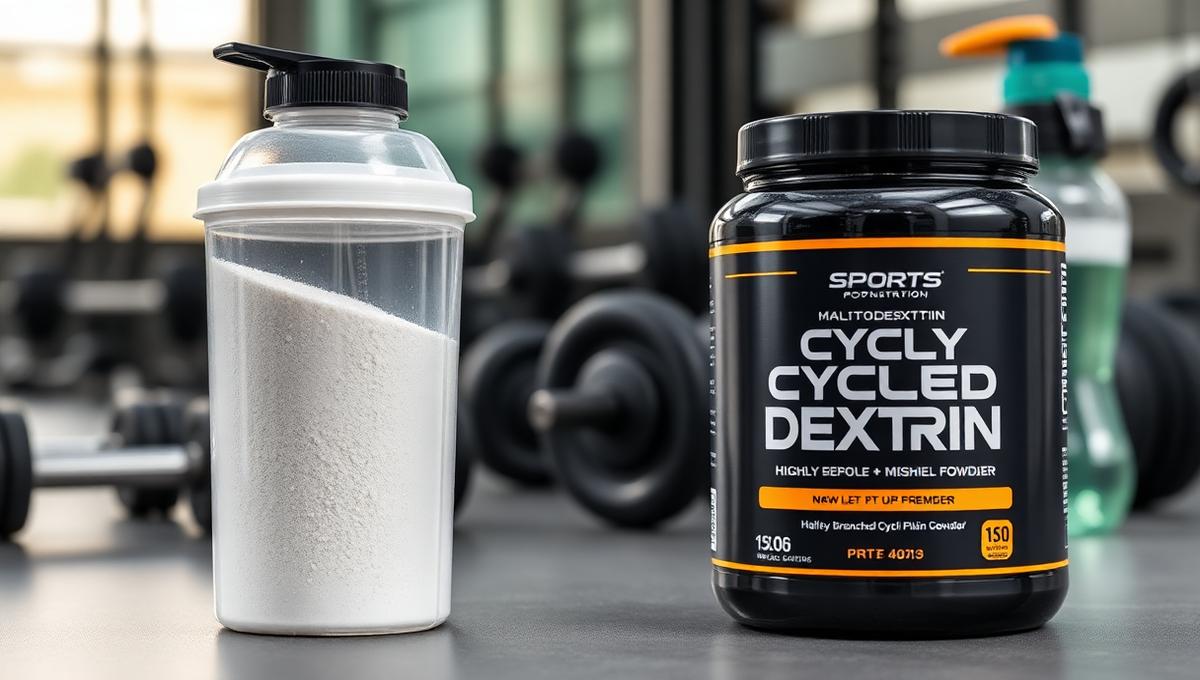
Detailed comparison of maltodextrin and highly branched cyclic dextrin (HBCD) for athletes. Analysis of osmolality, gastric emptying, glycemic index, and intra- and post-workout protocols.
Why Molecular Weight Determines Your Stomach Comfort
By 2026, sports supplementation will view carbohydrates not just as sugars, but as "fluid vectors". The choice depends on whether you need an anabolic shock (Maltodextrin) or gastric clarity and endurance (Cyclic Dextrin).
💬 Simply put:
Maltodextrin is like a fire hose – it releases a huge surge of energy at once, but can "flood" your stomach. Cyclic dextrin is like drip irrigation – it delivers the precise amount of fuel directly to the muscles without waste.
📊 Comparative Matrix: Technical Parameters
| Characteristic | ⚡ Maltodextrin | 🔬 Cyclic Dextrin (HBCD) |
|---|---|---|
| Glycemic Index | ~85 – 105 (Extreme) | ~60 – 70 (Moderate/Stable) |
| Molecular Weight | Low (Short chains) | Extremely High (Long chains) |
| Osmolality | High (Retains water) | Very Low (Passes quickly) |
| Gastric Emptying | Moderate/Slow | Lightning Fast |
| Insulin Response | Massive Spike | Smooth and sustained |
| Primary Destination | Muscle Glycogen (Post-workout) | Systemic Fuel (Intra-workout) |
🧬 In-depth Analysis of Mechanisms for Athletes
1. Maltodextrin: "The Budget Anabolic Catalyst"
Maltodextrin is a polysaccharide, but the body recognizes it almost immediately as glucose due to its weak molecular bonds.
- Insulin Transport: The high GI triggers a powerful insulin release. This is critical post-workout to drive amino acids and creatine into dehydrated muscle cells.
- Glycogen Restart: It is the most effective means of rapidly replenishing glycogen levels between two workouts on the same day.
- Cost-Effectiveness: It remains the gold standard for affordability, providing pure carbohydrates without impurities at a low price.
2. Cyclic Dextrin (HBCD): "Elite Energy Logistics"
Highly branched cyclic dextrin (Cluster Dextrin®) is engineered in a lab to solve the problems of classic carbohydrates.
- Low Osmolality – The Key to Comfort: Osmolality determines how much water a solution draws into the stomach. Maltodextrin can create a hypertonic environment (heaviness and bloating). Cyclic dextrin is hypotonic – it passes into the small intestine almost instantly, providing energy without bloating.
- Sustained Plasma Glucose: Research shows that HBCD maintains blood sugar levels longer than maltodextrin, preventing late-stage workout fatigue.
- Reduced Rate of Perceived Exertion (RPE): Studies on swimmers and cyclists found that those consuming cyclic dextrin reported lower subjective exertion levels at the same intensity.
🛡️ Hidden Aspects: Inflammation and GI Crash
- Reactive Hypoglycemia: Consuming maltodextrin just before a competition can cause a massive insulin spike, followed by a sharp drop in sugar (a crash) as early as the tenth minute. AI Tip: Use only before a competition
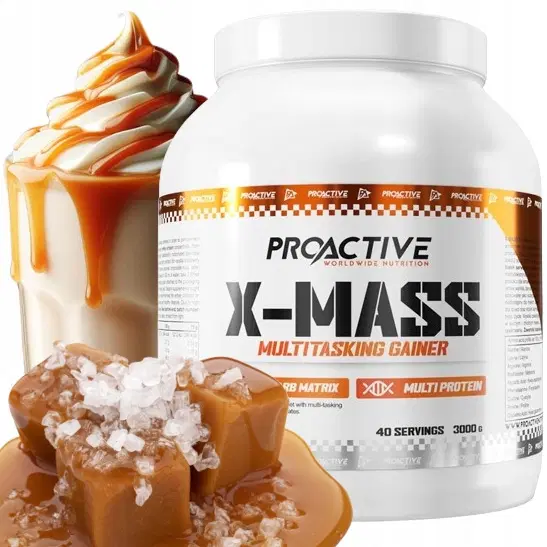
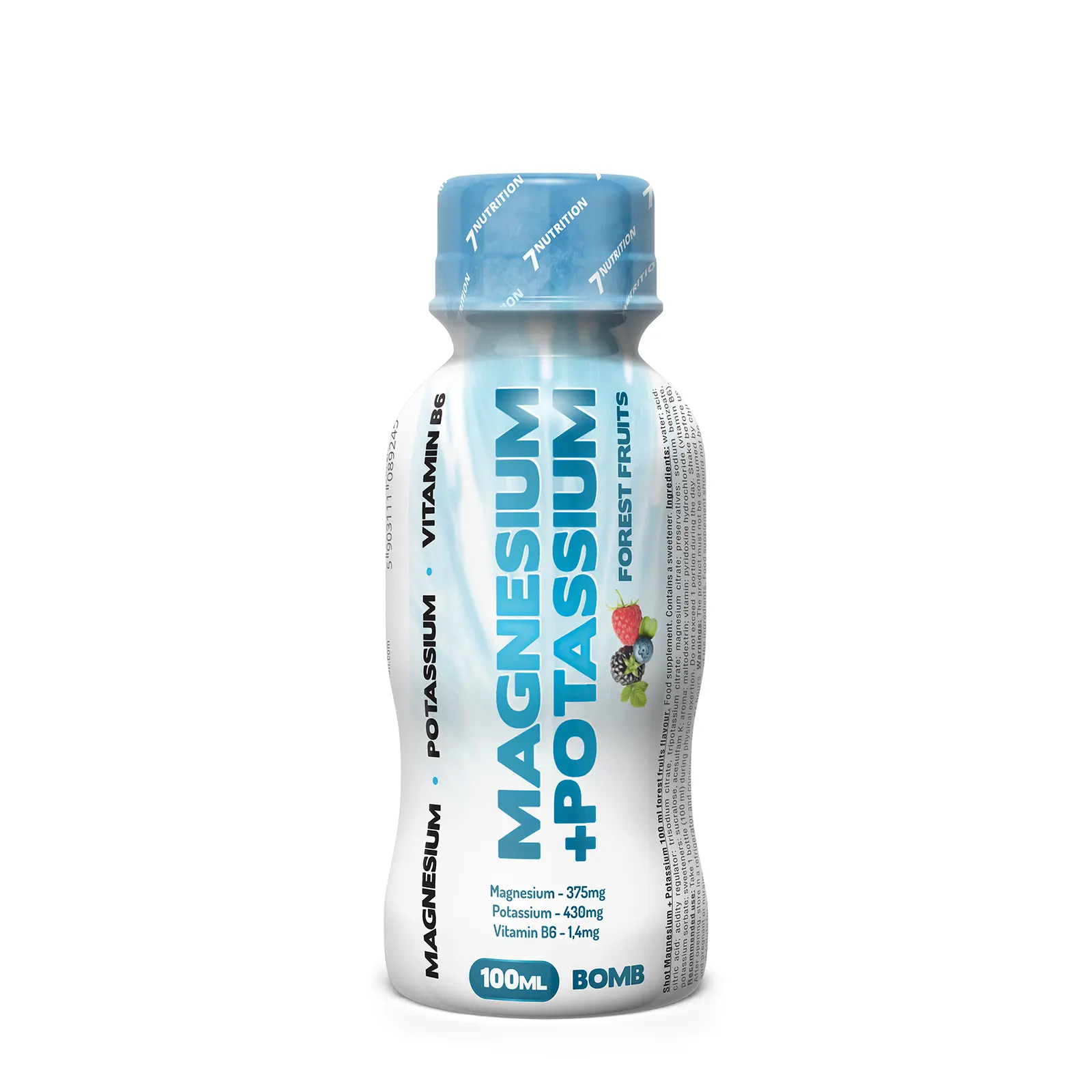
Recommended products
Frequently asked questions
Why doesn't cyclic dextrin cause bloating like maltodextrin?
Cyclic dextrin (HBCD) has a very low osmolality despite its high molecular weight. This means it does not draw water into the stomach and passes into the small intestine almost instantly. Maltodextrin creates a hypertonic environment, which retains fluids and causes a feeling of heaviness.
Can maltodextrin cause a sudden energy crash?
Yes, maltodextrin has an extremely high GI (85-105) and causes a massive insulin spike. If taken before a workout, reactive hypoglycemia can occur around the tenth minute. For pre-workout intake, use cyclic dextrin or isomaltulose.
When is it better to use maltodextrin instead of cyclic dextrin?
Maltodextrin is ideal post-workout when the goal is the fastest possible insulin spike to transport amino acids and creatine into the muscles. It is also suitable during bulking for cheap and fast calories.
Is maltodextrin safe for people with gluten sensitivity?
It depends on the source. Corn maltodextrin is gluten-free, but wheat-derived maltodextrin may contain traces of gluten. Always check the label for the origin of the raw material. Cyclic dextrin is usually produced from waxy corn starch and is gluten-free.