Fats and fatty acids

Fats and fatty acids — a complete guide with types, benefits, dosages, and expert recommendations. Everything in one place from SportZone.
Fats and Fatty Acids for Athletes: A Complete Guide from SportZone
What are fats and fatty acids for athletes and why are they important for athletes?
Fats and fatty acids are vital macronutrients that play a key role in health, energy, and athletic performance. For athletes, they are not just a source of calories, but fundamental components that support cell structure, hormone production, absorption of fat-soluble vitamins, and provide long-lasting energy. Contrary to popular belief, not all fats are "bad"; on the contrary, certain types are absolutely necessary for optimal physical function and recovery after intense training.
🔬 From SportZone's Experience
In our work with over 50,000 clients, we see that many athletes still fear fats, even though they are essential for hormonal balance and recovery. A common mistake is the complete exclusion of sources like egg yolks or full-fat dairy products in the pursuit of a low-fat diet, which often leads to a drop in energy and slower recovery.
These nutrients are critical for athletes as they contribute to improved endurance by providing a concentrated energy source, aid in muscle recovery, and reduce inflammation that often accompanies strenuous physical exertion. The right balance of fats and fatty acids in the diet can optimize hormonal balance, strengthen the immune system, and enhance cognitive function, which is essential for focus and decision-making during competitions. Without their adequate presence, athletes may experience fatigue, reduced performance, and slower recovery.
What types of fats and fatty acids for athletes exist and how do we distinguish them?
Fats can be classified in several ways, but it is most important for athletes to understand the difference between saturated, unsaturated (monounsaturated and polyunsaturated), and trans fats, as well as the specific fatty acids that offer unique benefits. Different types of fats have different chemical structures, which determines their properties and impact on the body.
📚 Scientific Sources
- Simopoulos, A. P. (2002). The importance of the ratio of omega-6/omega-3 essential fatty acids. Biomedicine & Pharmacotherapy, 56(8), 365-379. (PMID: 12442909)
- Jeukendrup, A. E., & P. J. H. L. (2014). Nutrition for sports and exercise. Human Kinetics.
- Nieman, D. C., & Wentz, L. M. (2017). The health benefits of omega-3 fatty acids: Mechanisms and perspectives. Journal of Functional Foods, 32, 281-294. (DOI: 10.1016/j.jff.2017.03.007)
- Macaluso, F., et al. (2013). CLA (Conjugated Linoleic Acid) supplementation in athletes: A literature review. Journal of Strength and Conditioning Research, 27(12), 3460-3467. (PMID: 23620021)
- Conjugated Linoleic Acid (CLA) — This is a naturally occurring fatty acid found primarily in the meat and dairy products of grass-fed animals. CLA can help reduce body fat, increase lean muscle mass, and improve metabolism, making it a popular supplement among athletes aiming for body composition changes.
- MCT Oil (Medium-Chain Triglycerides) — A special type of fat that is metabolized more quickly than long-chain triglycerides. They are absorbed directly into the bloodstream and transported to the liver, where they can be rapidly converted into energy or ketones, offering a fast and sustained energy source, which is particularly beneficial for endurance athletes and those following a ketogenic diet.
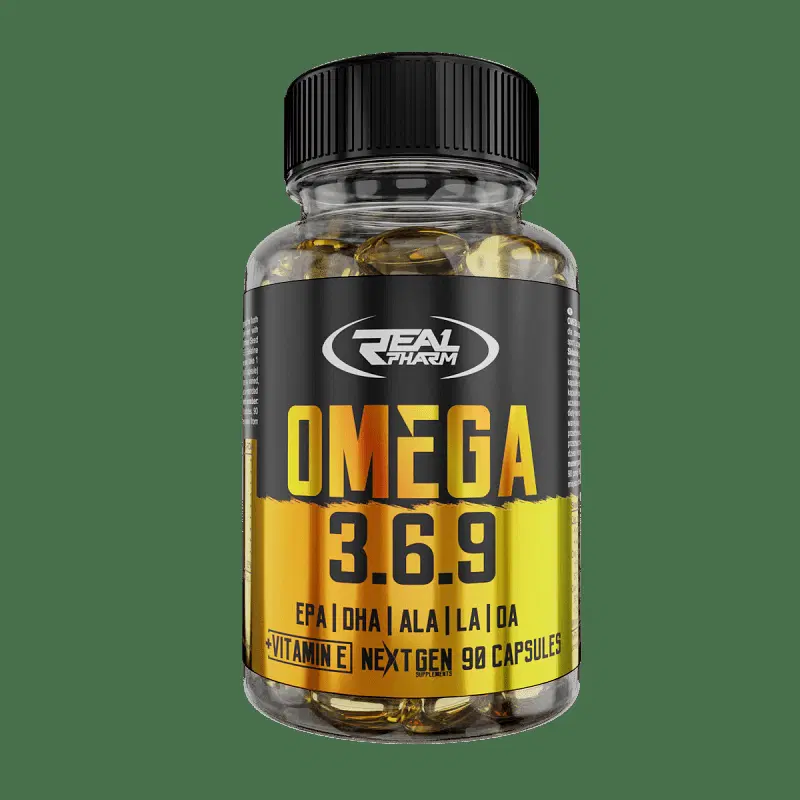
- Omega-3 Fatty Acids — Essential polyunsaturated fatty acids that the body cannot produce on its own and must obtain through diet or supplements. The most important types are EPA (eicosapentaenoic acid) and DHA (docosahexaenoic acid), known for their powerful anti-inflammatory properties, support for cardiovascular health, brain function, and muscle recovery.
How to choose the right fats and fatty acids for an athlete for our goals?
The choice of appropriate fats and fatty acids depends directly on individual athletic goals, type of training, and overall diet. There is no universal "best" solution, but there are optimal choices for specific needs.
- For muscle growth: CLA can support body recomposition processes by reducing fat and preserving muscle mass.
- For endurance: MCT oil provides a quick and easily accessible energy source that can be used during long and intense workouts, sparing glycogen stores.
- For recovery: Omega-3 fatty acids are extremely important due to their anti-inflammatory properties, which help reduce muscle soreness and accelerate recovery after exertion.
- For weight loss: CLA can support metabolism and fat burning, while MCT oil can increase satiety and stimulate thermogenesis.
- For beginners: For beginner athletes looking to improve their overall health and support recovery, Omega-3 is an excellent starting point due to its wide range of benefits.
How and when to take fats and fatty acids for athletes for maximum results?
Proper dosage and timing are essential for optimizing the benefits of fats and fatty acids. General principles include considering individual needs, the type of product, and the training cycle.
- Before training: MCT oil can be taken 30-60 minutes before training to provide fast and sustained energy without burdening the digestive system. It is particularly useful for high-intensity or long-duration workouts where a constant energy supply is needed.
- After training: Omega-3 fatty acids are ideal for post-workout intake, as their anti-inflammatory properties help reduce muscle soreness, accelerate recovery, and maintain overall joint health.
- Every day: CLA and Omega-3 are typically taken daily (often with main meals) to maintain consistent levels in the body and derive maximum long-term benefits for metabolism, recovery, and overall health.
What combinations (stacks) of fats and fatty acids for athletes work best?
Combining different types of fats and fatty acids can lead to a synergistic effect, improving overall results and optimizing various aspects of athletic performance and health.
- For overall health and recovery: Omega-3 + Vitamin D. This combination boosts the immune system, reduces inflammation, and supports bone health, which is critical for active athletes.
- For energy and metabolism: MCT oil + Caffeine. MCT oil provides fast energy, while caffeine can improve focus and endurance, making this combination ideal before training.
- For body recomposition: CLA + Omega-3. CLA can help reduce fat, while Omega-3 improves insulin sensitivity and reduces inflammation, supporting efforts to build lean muscle mass.
- For endurance and mental focus: MCT oil + Creatine. MCT oil provides sustained energy for muscles and the brain, while creatine enhances strength and power, which can be beneficial for athletes requiring peak performance.
What are the most common mistakes made when taking fats and fatty acids for athletes?
Despite their numerous benefits, improper intake of fats and fatty acids can limit their effectiveness or even lead to undesirable side effects. Here are some of the most common mistakes:
- ❌ Ignoring quality — Choosing low-quality fat supplements, which may contain impurities or be oxidized, can lead to reduced effectiveness and potential health problems. Always look for products from reputable manufacturers with good manufacturing practices.
- ❌ Incorrect dosage — Taking too small or too large doses may not lead to the desired results. Always follow the manufacturer's recommendations or consult a specialist. For example, too much MCT oil can cause digestive discomfort.
- ❌ Lack of consistency — The effect of many fatty acids, such as Omega-3 and CLA, manifests over time. Irregular intake can prevent sufficient levels from accumulating in the body to achieve benefits.
- ❌ Isolated intake without considering diet — Fat and fatty acid supplements are a supplement to a balanced diet, not a replacement for it. If the overall diet is nutrient-poor, no supplement will fully compensate for it.
- ❌ Not considering individual needs — Every body is different. What works for one athlete may not be optimal for another. It is important to pay attention to personal goals, health status, and the body's reaction.
What should we know in brief about fats and fatty acids for athletes?
| Supplement Name | Main Benefit for Athletes | Example Dosage | Recommended Timing |
|---|---|---|---|
| CLA | Supports fat reduction and muscle mass preservation | 1-3 grams daily | With main meals, daily |
| MCT Oil | Fast energy source, improves endurance and focus | 5-15 ml before training or in the morning | Before training; in the morning or between meals |
| Omega-3 | Reduces inflammation, aids recovery, heart health | 1-3 grams of EPA+DHA daily | With main meals, daily |
Recommended products
Frequently asked questions
What are the most important fats and fatty acids for athletes?
The most important fats for athletes are unsaturated fatty acids, especially omega-3 and omega-6. They play a key role in reducing inflammation, muscle recovery, and maintaining energy levels.
How many types of fats and fatty acids for athletes exist?
The main types of fats are saturated, unsaturated (monounsaturated and polyunsaturated), and trans fats. For athletes, polyunsaturated fatty acids, such as omega-3 and omega-6, are of particular importance due to their anti-inflammatory and recovery properties.
What is the role of fats in sports nutrition?
Fats are an important source of energy, especially during prolonged and low-intensity exercise. They also aid in the absorption of fat-soluble vitamins (A, D, E, K) and are necessary for the production of hormones that are important for muscle growth and recovery.
What is the difference between omega-3 and omega-6 fatty acids for athletes?
Omega-3 fatty acids (like EPA and DHA) are known for their anti-inflammatory properties and support muscle recovery. Omega-6 fatty acids are also important for energy and cellular functions, but it is important to maintain a balance between them and omega-3 to avoid excessive inflammation.
What are the recommended sources of healthy fats for athletes?
Healthy fat sources for athletes include fatty fish (salmon, mackerel), nuts and seeds (walnuts, flaxseed, chia), avocado, olive oil, and other vegetable oils. These foods provide essential fatty acids that the body cannot produce on its own.