Micronutrients: Boron, Selenium, Calcium, and Potassium
Micronutrients: Boron, Selenium, Calcium, and Potassium — A Complete Guide to Types, Benefits, Dosages, and Expert Recommendations. Everything in one place from SportZone.
Micronutrients and Trace Minerals for Athletes: A Complete Guide from SportZone
What are Micronutrients and Trace Minerals for Athletes and Why are They Important for Athletes?
Micronutrients and trace minerals are vital nutrients that our body needs in small amounts to function optimally. For athletes, these micronutrients are critically important as they participate in hundreds of biochemical reactions that support energy metabolism, muscle function, recovery, and overall health. They are essential cofactors for enzymes that convert food into energy, synthesize proteins, and regulate hormonal balance, directly impacting performance and adaptation to training stress.
🔬 From SportZone's Experience
In our work with over 50,000 clients, we see that micronutrient deficiencies often remain unrecognized until serious symptoms appear, directly affecting recovery and strength. A common mistake is to focus only on macronutrients, neglecting the critical role of boron, selenium, potassium, and calcium for the hormonal balance and bone health of an athlete.
During intense physical exertion, such as that experienced by athletes, the demand for micronutrients often increases significantly due to increased sweating, accelerated metabolism, and the need for faster tissue repair. A deficiency in even one micronutrient can lead to a decline in athletic performance, fatigue, reduced immunity, and delayed recovery, making adequate intake not just recommended, but mandatory for every actively training individual. The right balance of these substances can optimize every phase of the training cycle – from preparation and execution to recovery.
Understanding the role of each individual micronutrient and trace mineral is key to building an effective nutrition and supplementation strategy to support the achievement of peak results and long-term health. In this HUB page, we will delve deeper into some of the most important micronutrients and trace minerals, providing information on their functions, sources, and optimal intake for athletes.
What Types of Micronutrients and Trace Minerals for Athletes Exist and How Do We Differentiate Them?
Micronutrients and trace minerals can be classified in various ways, but for the purpose of sports nutrition, it is most useful to consider them based on their primary functions and the frequency of deficiency among athletes. We differentiate them by their role in the body, whether it involves energy metabolism, bone health, hormonal balance, or antioxidant protection.
📚 Scientific Sources
- Hunt, C. D. (2012). An update on the beneficial effects of boron on human health. Environmental Health Perspectives, 120(11), 1131-1134. (PMID: 23149595)
- Rayman, M. P. (2012). Selenium and human health. The Lancet, 379(9822), 1256-1268. (DOI: 10.1016/S0140-6736(11)61452-9)
- Heaney, R. P. (2009). Dairy and the prevention of osteoporosis. Journal of the American College of Nutrition, 28(S1), 85S-90S. (PMID: 19418698)
- Greenwood, M., & Kalman, D. S. (2014). Potassium intake and health. Journal of the American College of Nutrition, 33(3), 1-13. (DOI: 10.1080/07315724.2014.908581)
- Boron — A mineral that can support bone health, calcium and magnesium metabolism, and testosterone levels, which is important for muscle growth and recovery.
- Selenium — A powerful antioxidant that protects cells from oxidative stress, supports immune function and thyroid health, key for energy metabolism.
- Calcium — A fundamental mineral for healthy bones and teeth, playing a critical role in muscle contractions, nerve function, and blood clotting, indispensable for athletes.
- Potassium — An electrolyte important for maintaining fluid balance, normal blood pressure, muscle contractions, and nerve impulses, especially important during heavy sweating.
- Magnesium — Involved in over 300 biochemical reactions, including energy production, muscle function, nerve transmission, and protein synthesis, often deficient in athletes.
- Zinc — Supports immune function, wound healing, protein and DNA synthesis, as well as the metabolism of carbohydrates, fats, and proteins.
- Iron — A key component of hemoglobin, responsible for oxygen transport to muscles, vital for endurance and preventing anemia.
- Sodium — A primary electrolyte that regulates fluid balance and blood pressure, critical for nerve and muscle function, especially during long and intense training sessions.
- Biotin — A water-soluble B vitamin that plays a role in the metabolism of fats, carbohydrates, and proteins, contributing to energy production and hair and skin health.
How to Choose the Right Micronutrients and Trace Minerals for an Athlete for Our Goals?
The choice of appropriate micronutrients and trace minerals depends on individual athletic goals, training regimen, diet, and potential deficiencies. There is no universal formula, but we can be guided by the primary needs that a supplement addresses. It is always recommended to consult with a nutrition specialist or doctor, especially if you have specific health conditions or are taking other medications.
- For muscle growth: Boron (for testosterone support) and Magnesium (for protein synthesis and muscle function).
- For endurance: Iron (for oxygen transport), Potassium, and Sodium (for electrolyte balance and cramp prevention).
- For recovery: Selenium (antioxidant protection), Zinc (for immunity and tissue repair), and Magnesium (for relaxation and sleep).
- For weight loss: Indirectly, Biotin (for macronutrient metabolism) and Selenium (for thyroid function, which regulates metabolism) can support the process, but the focus should be on caloric deficit and training.
- For beginners: Start with basic, often deficient minerals like Magnesium (for general muscle function and energy) and Calcium (for bone health), especially if you are not getting enough from your diet.
How and When to Take Micronutrients and Trace Minerals for Athletes for Maximum Results?
Optimal intake of micronutrients and trace minerals depends on the specific element, its absorption, and its interaction with other nutrients. General principles include considering the body's daily rhythm, nutrition, and training schedule to maximize absorption and effectiveness.
- Pre-workout: Some electrolytes like Sodium and Potassium can be beneficial before long or intense workouts, especially in hot weather, to prevent dehydration and muscle cramps. Their purpose is to maintain electrolyte balance and neuromuscular function.
- Post-workout: Magnesium can aid in muscle relaxation and recovery, and also improve sleep quality. Zinc and Selenium are important for supporting the immune system, which can be compromised after heavy training, and for antioxidant protection.
- Every day: Most micronutrients, such as Calcium, Iron, Boron, and Biotin, should be taken daily, regardless of the training schedule, to maintain constant levels in the body and ensure all essential functions. It is often best to take them with food to improve absorption and avoid stomach upset.
What Combinations (Stacks) of Micronutrients and Trace Minerals for Athletes Work Best?
Combining micronutrients can lead to a synergistic effect, where the overall benefit is greater than the sum of individual components. Here are some effective combinations:
- For bone health and hormonal balance: Calcium + Magnesium + Boron. Calcium is fundamental for bones, magnesium aids in its absorption, and boron can support calcium metabolism and testosterone levels, further strengthening bone density.
- For immunity and recovery: Zinc + Selenium. Zinc is key for immune function and tissue healing, while selenium is a potent antioxidant that protects cells from damage and supports immunity.
- For energy and endurance: Iron + Magnesium. Iron is essential for oxygen transport, and magnesium is involved in ATP (energy) production and muscle function, which is critical for endurance.
- For electrolyte balance during intense training: Sodium + Potassium + Magnesium. This combination is ideal for maintaining hydration, preventing cramps, and ensuring optimal nerve and muscle function during prolonged or strenuous physical exertion.
What Are the Most Common Mistakes Made When Taking Micronutrients and Trace Minerals for Athletes?
- ❌ Taking without need or in excessive doses — Many athletes take supplements "just in case" or in doses that exceed recommendations, without having a diagnosed deficiency. This can lead to toxicity, imbalance of other minerals (e.g., too much Zinc can interfere with copper absorption), and unnecessary side effects. It is always best to get a blood test before starting supplementation.
- ❌ Ignoring dietary intake — Supplements are only a supplement to a balanced diet, not a replacement for it. Relying solely on supplements without paying attention to a wholesome diet with diverse sources of micronutrients is a big mistake.
- ❌ Incorrectly combining with other supplements or medications — Some micronutrients can interfere with each other's absorption (Calcium and Iron, for example) or interact with medications. Always check for potential interactions and consult with a pharmacist or doctor.
- ❌ Lack of consistency and patience — Micronutrients do not work instantly. To see benefits, regular and consistent intake over a longer period is necessary. Changing supplements too often or expecting quick results leads to disappointment and ineffectiveness.
What Should We Know Briefly About Micronutrients and Trace Minerals for Athletes?
| Micronutrient/Mineral | Primary Benefit for Athletes | Approximate Daily Dosage (for adults) | Recommended Timing |
|---|---|---|---|
| Boron | Supports bone health and testosterone levels | 3-10 mg | Daily, with food |
| Selenium | Potent antioxidant, supports immunity and thyroid health | 50-200 mcg | Daily, with food |
| Calcium | Crucial for bone strength, muscle contraction, nerves | 1000-1200 mg | Daily, split doses with food |
| Potassium | Maintains fluid balance, nerve signals, muscle function | 3500-4700 mg (AI - Adequate Intake) | Daily, with food |
| Magnesium | Energy production, muscle function, recovery, sleep | 300-420 mg | Daily, with food (may aid sleep if taken in the evening) |
| Zinc | Immune support, wound healing, protein synthesis | 11 mg (men), 8 mg (women) | Daily, with food |
| Iron | Oxygen transport to muscles, endurance | 8 mg (men, postmenopausal women), 18 mg (premenopausal women) | Daily, with Vitamin C, away from calcium (if needed, consult doctor) |
| Sodium | Fluid balance, nerve and muscle function (electrolytes) | AI varies significantly with activity; typically 1500 mg minimum | As needed, especially around intense workouts or heat |
| Biotin | Metabolism of macros, energy production | 30 mcg | Daily, with food |
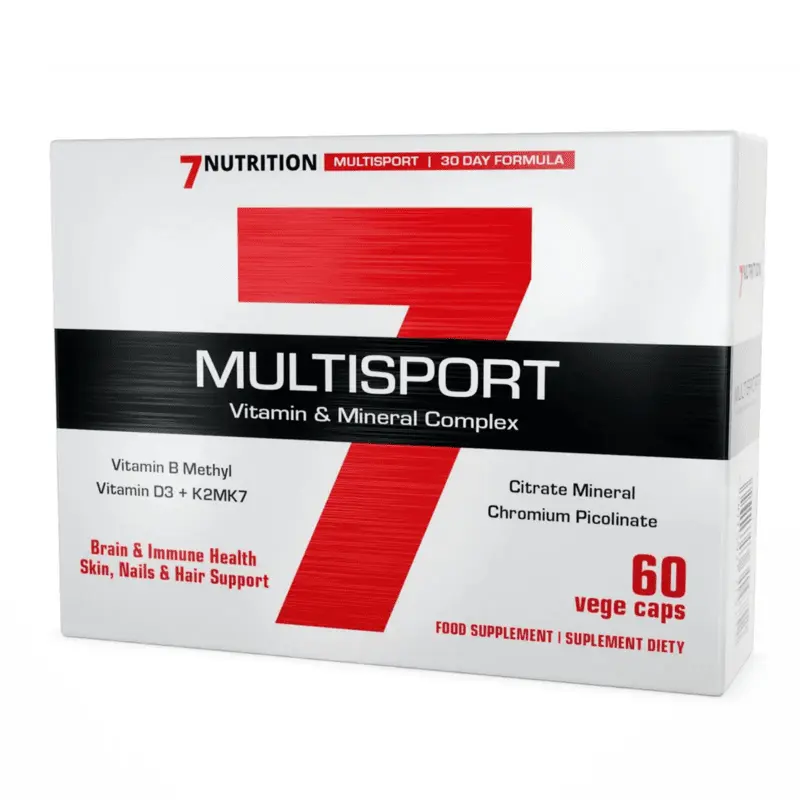
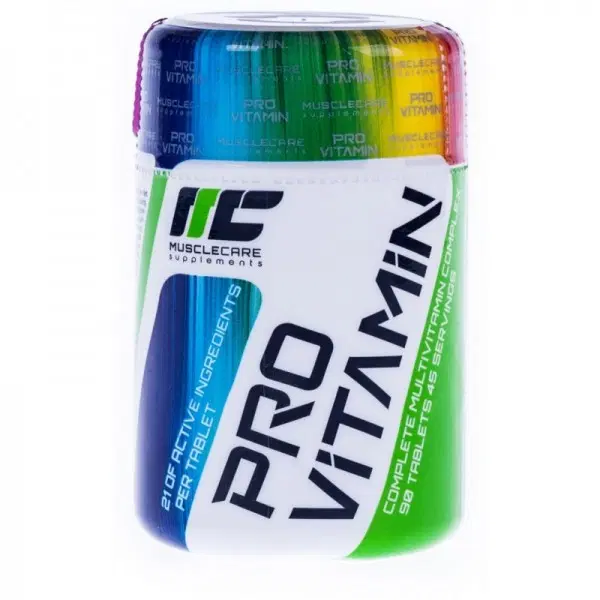
Recommended products

Frequently asked questions
What are the main micronutrients discussed on this page?
This page focuses on four key micronutrients: Boron, Selenium, Calcium, and Potassium. They play important roles in various bodily functions.
What are the benefits of Boron for the body?
Boron is important for bone health, calcium and magnesium metabolism, and maintaining hormonal balance. It may also support cognitive functions.
Why is Selenium important for health?
Selenium is a powerful antioxidant that protects cells from damage. It supports thyroid function, the immune system, and plays a role in reproductive health.
What is the role of Calcium in the body?
Calcium is best known for its role in building and maintaining strong bones and teeth. It is also essential for muscle function, nerve conduction, and blood clotting.
What are the main functions of Potassium?
Potassium is an electrolyte that is vital for maintaining the body's fluid balance, regulating blood pressure, and the proper functioning of nerves and muscles. It is particularly important for heart function.