Myths and Misconceptions About Sports Supplements

Myths and misconceptions about sports supplements — a complete guide with expert recommendations. All in one place from SportZone.
Myths and Misconceptions about Sports Supplements: Science-Based Facts from SportZone
What are myths, misconceptions, and science-based facts about sports supplements, and why are they important for athletes?
The world of sports supplements is filled with conflicting information, which often leads to confusion among athletes and active individuals. Myths and misconceptions about sports supplements represent widespread, but scientifically unfounded claims regarding their action, safety, and effectiveness. It is essential to distinguish these inaccurate perceptions from science-based facts, which are grounded in extensive research and evidence.
🔬 From SportZone's Experience
In our work with over 50,000 clients, we see that the most common misconception is that "more is better" when it comes to dosages, or that a supplement can compensate for poor nutrition. A frequent mistake is also the belief that all supplements work the same for everyone, without considering individual needs and goals.
Understanding the truth behind sports supplements is critical for anyone aiming to optimize their training, recovery, and overall health. Incorrect information can lead to ineffective use of resources, disappointment from lack of results, and in some cases, even health risks. SportZone strives to provide clear and accurate, science-based information to help our users make informed decisions and achieve their fitness goals safely and effectively.
In this HUB, we will explore the most popular myths, debunk misconceptions, and present the proven benefits and correct application of key sports supplements, supported by expert analysis and scientific data. Our goal is to equip you with the knowledge to navigate the world of supplements with confidence.
What types of myths, misconceptions, and science-based facts about sports supplements exist, and how do we distinguish them?
Myths and misconceptions surrounding sports supplements can be categorized into several main types, which often overlap. Recognizing them is the first step towards informed choices. Science-based facts, on the other hand, are characterized by support from clinical trials and meta-analyses.
📚 Scientific Sources
- Kreider et al., 2017 - International Society of Sports Nutrition position stand: safety and efficacy of creatine supplementation (DOI: 10.1186/s12970-017-0173-z)
- Maughan et al., 2018 - IOC Consensus Statement: Dietary Supplements and the High-Performance Athlete (PMID: 30403712)
- Close et al., 2019 - Debunking the Myths of Supplements in Sport (PMID: 31804434)
- Forbes & Candow, 2023 - Practical Implications of Creatine Supplementation for the Athlete (PMID: 36774653)
- Myths about general effectiveness: It is often claimed that a certain supplement is a "magic pill," or conversely, that all supplements are useless. The truth is that effectiveness varies significantly between different supplements and individuals, with most acting as aids rather than replacements for proper nutrition and training.
- Misconceptions about side effects: Some supplements are subject to exaggerated fears regarding their side effects, while the potential risks of improper use are underestimated for others. Safety is key and depends on dosage, individual tolerance, and product quality.
- Incorrect claims about mechanism of action: It is often speculated how a particular supplement works without scientific justification. Understanding the biological mechanisms is important for their proper application.
- Exaggerated benefits: Some marketing strategies exaggerate the benefits of supplements, promising unrealistic results. It is important to seek realistic expectations based on scientific evidence.
To distinguish myths from facts, always seek information from reliable sources such as peer-reviewed scientific journals, reputable sports organizations, and experts with proven qualifications. At SportZone, we aim to provide precisely this kind of information, with a breakdown for each supplement:
- Collagen — Often thought to be only for skin, but science shows it supports the health of joints, tendons, and bones.
- L-Carnitine — The myth is that it burns fat on its own. The fact is it helps transport fatty acids for energy, especially during cardio activities.
- Whey Protein — A misconception is that it causes kidney problems in healthy individuals. It is scientifically proven to support muscle growth and recovery.
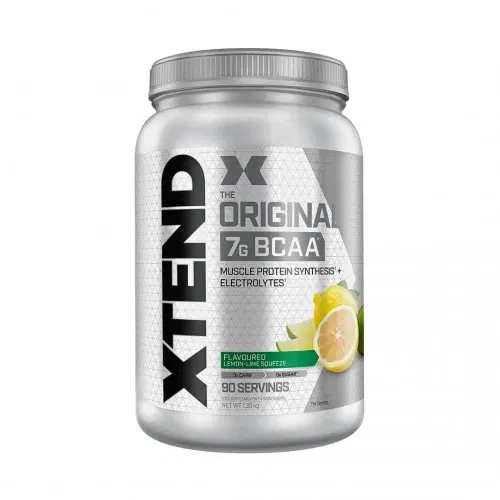
- BCAAs — The myth is that they are absolutely necessary for every trainee. The fact is they are beneficial for minimizing muscle breakdown during intense workouts and protein deficiency.
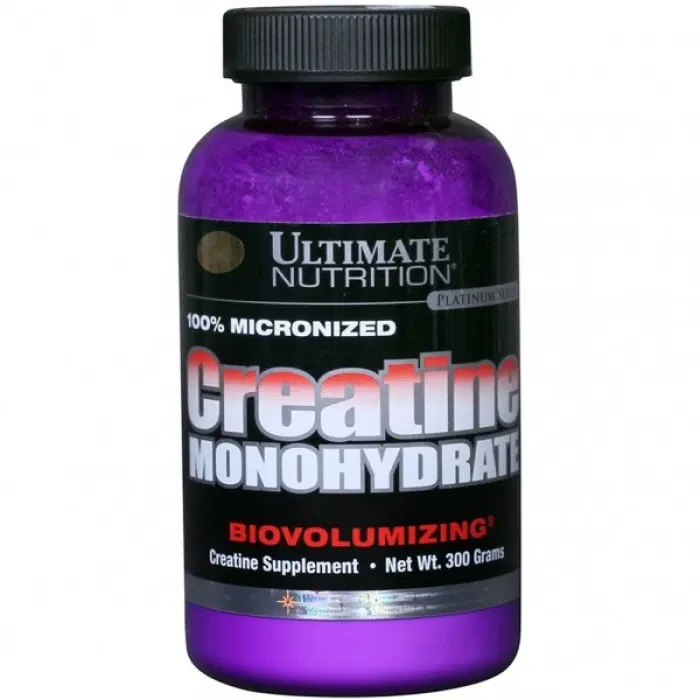
- Creatine — Often subject to myths of a "steroid" effect or kidney damage. It is scientifically proven to improve strength, power, and muscle mass, being one of the most researched and safest supplements.
- Multivitamins — The misconception is that they cure all deficiencies or replace healthy eating. The fact is they provide essential micronutrients and can fill gaps in the diet.
- CLA — The myth is that it is a miracle weight loss product. It is scientifically proven to have a moderate effect on reducing body fat, but it is not a panacea.
- Mass Gainer — Often thought to be the only way to gain mass. The fact is it provides a convenient source of calories and protein, but does not replace a wholesome diet.
- Glutamic Acid — The myth is that it is absolutely necessary for muscle recovery for everyone. It is scientifically proven to be important for the immune system and gut health, and may aid recovery during very intense training.
How do we choose the right myths, misconceptions, and science-based facts for sports supplements for our goals?
Choosing the right sports supplements directly depends on your individual goals, training regimen, diet, and overall health status. There is no universal "best" solution, but we can be guided by scientifically proven principles and recommendations.
- For muscle growth: One of the most researched and effective supplements is Creatine. Combine it with Whey Protein for optimal protein intake, necessary for muscle fiber synthesis. If you have difficulty consuming enough calories, Mass Gainer can be helpful.
- For endurance: L-Carnitine can support fat utilization for energy during prolonged exercise. Beta-alanine is also proven to improve endurance.
- For recovery: Whey Protein is excellent for rapid post-workout recovery. Collagen supports the health of joints and connective tissue, which is crucial for long-term recovery. Glutamic Acid may be beneficial for supporting the immune system and recovery after very intense periods.
- For weight loss: L-Carnitine and CLA can offer moderate support in the fat-burning process when combined with a caloric deficit and exercise. It is important to emphasize that they do not replace diet and physical activity.
- For beginners: Start with the basics. Whey Protein for adequate protein intake and Multivitamins to fill potential nutritional gaps are a good start. Once you master the basic principles of nutrition and training, you can consider adding Creatine.
Always consult with a healthcare professional or dietitian before starting a new supplement regimen, especially if you have pre-existing health conditions or are taking medications.
How and when are myths, misconceptions, and science-based facts about sports supplements taken for maximum results?
Proper dosing and timing of sports supplement intake are just as important as choosing them. Incorrect intake can lead to ineffectiveness or even unwanted side effects.
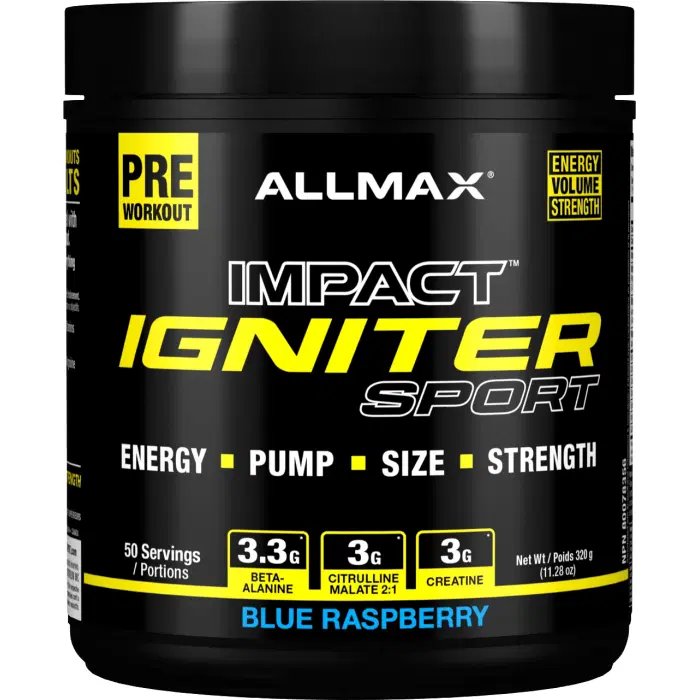
- Pre-workout: Supplements taken before training aim to provide energy, improve focus, and reduce fatigue. For example, L-Carnitine can be taken before cardio workouts to aid fat burning. Caffeine (often an ingredient in pre-workout products) enhances alertness and endurance.
- Post-workout: The goal is maximum rapid recovery and support for muscle growth. Whey Protein is ideal for post-workout intake due to its rapid absorption. BCAAs can also be beneficial for reducing muscle breakdown.
- Daily: Some supplements require consistent intake to accumulate in the body and exert their full effect. Creatine is taken daily (even on rest days) to maintain high levels of phosphocreatine in the muscles. Collagen and Multivitamins are also taken daily to maintain overall health and fill nutritional gaps. CLA and Glutamic Acid are also typically taken daily.
Always follow the dosage instructions on the product label and consult with a specialist if in doubt. Do not exceed recommended doses, as this does not lead to better results but can increase the risk of side effects.
What combinations (stacks) of myths, misconceptions, and science-based facts about sports supplements work best?
Combining supplements, or so-called "stacks," can enhance their synergistic effect and lead to better results. It is important to choose supplements that complement each other and whose mechanisms of action do not unnecessarily overlap.
- For muscle growth and strength: Creatine + Whey Protein. Creatine increases strength and power, while protein provides building blocks for muscle synthesis. This is one of the most proven and effective combinations.
- For recovery and general health: Whey Protein + Collagen. Protein supports muscle recovery, while collagen takes care of the health of joints, tendons, and skin, which are also subjected to stress during training. Adding Multivitamins can help cover micronutrient needs.
- For endurance and fatigue reduction: L-Carnitine + Beta-alanine. L-Carnitine may improve fat metabolism, while beta-alanine buffers lactic acid, allowing for longer and more intense workouts.
- For immune system support and recovery: Glutamic Acid + Multivitamins. Glutamine is important for immune function, especially under intense training stress, and multivitamins provide essential micronutrients.
It is important to start with one or two supplements, assess their effects, before adding new ones. Always monitor individual reactions and adjust intake as needed.
What mistakes are most commonly made when taking myths, misconceptions, and science-based facts about sports supplements?
Even the most effective supplements can be ineffective or even harmful if not taken correctly
Recommended products

Frequently asked questions
What are the most important myths, misconceptions, and scientifically based facts about sports supplements?
The most important myths often associate sports supplements with magical results or portray them as entirely harmful. In reality, scientifically based facts show that they can be beneficial with proper use and selection, but they do not replace balanced nutrition and training.
How many types of myths, misconceptions, and scientifically based facts about sports supplements exist?
The types of myths and misconceptions are numerous and range from exaggerated expectations of effect to unfounded fears of side effects. Scientifically based facts, however, focus on specific benefits, dosages, and possible interactions, based on research.
What are the most common misconceptions about the effectiveness of sports supplements?
One of the most common misconceptions is that supplements alone will lead to dramatic results without effort. Another misconception is that all supplements are equally effective for everyone, which is not true, as individual needs vary.
What are the most common myths regarding the safety of sports supplements?
A common myth is that all sports supplements are dangerous and lead to serious health problems. In reality, most supplements, when produced by reputable manufacturers and taken according to instructions, are safe. However, it is always good to consult with a specialist.
How can we distinguish scientifically based facts from myths and misconceptions about sports supplements?
Distinguishing is done by seeking information from reliable sources such as scientific publications, medical professionals, and registered dietitians. It is important to approach advertisements and claims that sound too good to be true critically.