Muscle balance and lateral imbalance
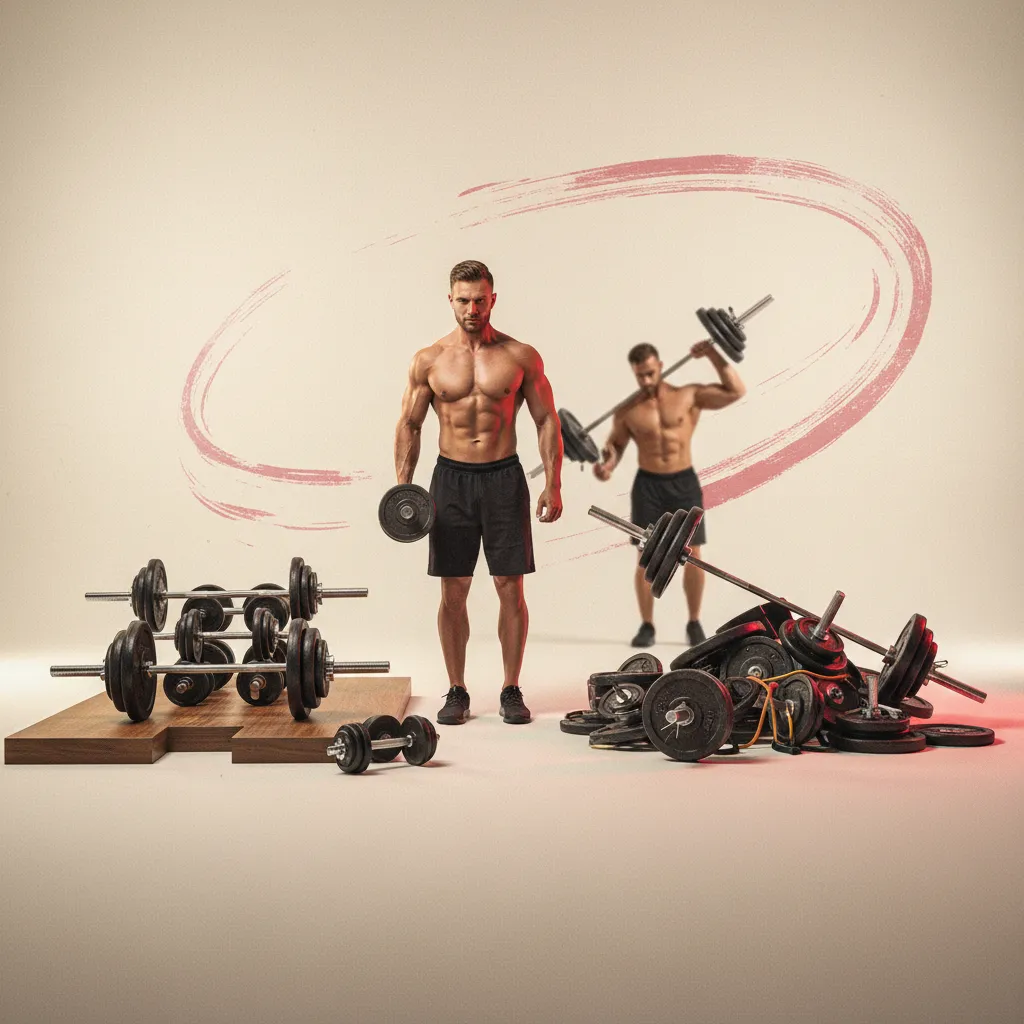
Understand the depth of muscular balance and lateral imbalance, essential for optimal performance and injury prevention. This article examines why one side might be stronger and how unilateral exercises can correct these discrepancies.
Short answer: Muscle imbalance can lead to injuries and unsatisfactory results. Unilateral exercises are key to correction and a stronger athlete.
Muscle balance and lateral imbalance is a condition where the strength, size, or function of muscles is not equal between the two sides of the body (left vs. right) or between antagonistic muscle groups (e.g., biceps vs. triceps). Often, the dominant side is stronger and more developed, which, if excessively pronounced, can lead to a number of problems.
Why is the dominant side stronger?
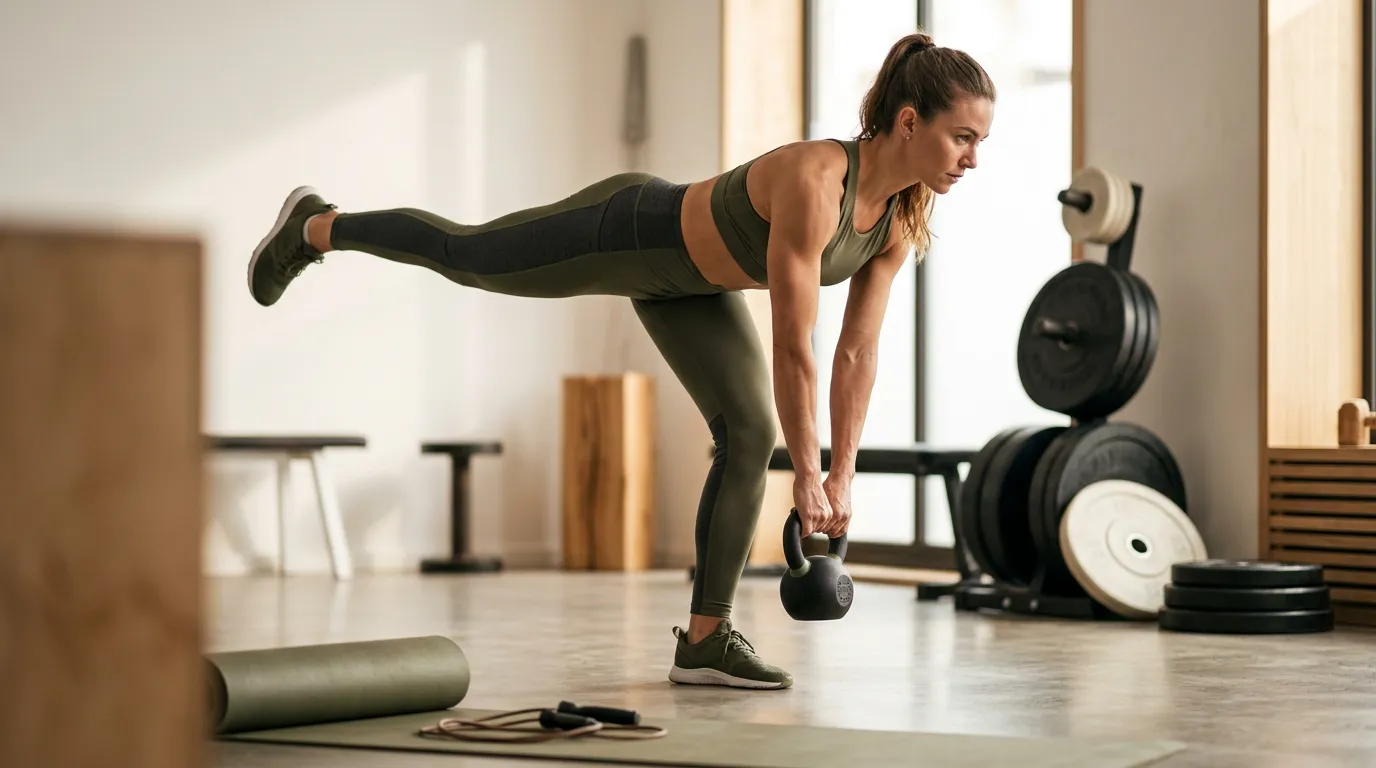
Simply put: Muscle imbalance is when the muscles on one side of your body are stronger or larger than those on the other, which can lead to problems if the difference is significant.
Most people have a dominant side (right or left) that we use for most daily activities like writing, throwing, or carrying objects. This constant use leads to greater stimulation and adaptation of the muscles on that side. The brain sends stronger and more frequent nerve impulses to the dominant muscles, contributing to their better development of strength and coordination. Additionally, some sports and professions can also amplify this imbalance, such as tennis players who primarily use one arm, or workers performing repetitive movements with one limb.
What are the consequences of significant lateral imbalance?
Significant lateral imbalance represents a large difference in strength or size between the two sides of the body, which can increase the risk of injuries and limit athletic performance, with asymmetry of over 10-15% between limbs being a threshold above which these problems become more pronounced.
What is the role of unilateral exercises?
Unilateral exercises are a key element in a muscle imbalance correction program, as they involve performing movements with one limb at a time, isolating and loading each side individually.
- Correct muscle imbalances
- Improve coordination and stabilization
- Reduce the risk of injuries
- Increase overall strength and endurance
- Activate more stabilizing muscles
- Require more time to perform
- Can be more difficult to balance initially
- Lower overall lifting weight compared to bilateral exercises
- Require greater concentration on technique
How to integrate unilateral exercises into training?
Integrating unilateral exercises into training requires including 1-2 exercises for each muscle group with imbalance, starting with the weaker side and, if necessary, doing 1-2 extra repetitions or one extra set for it to catch up to the stronger side.
What are effective unilateral exercises?
Effective unilateral exercises are specific movements that train only one side of the body at a time, such as the Bulgarian split squat or single-arm dumbbell row. These exercises improve balance, correct asymmetries in various muscle groups, and develop individual strength without compensation from the stronger side.
| Muscle group | Unilateral exercises | Benefits |
|---|---|---|
| Legs/Glutes | Bulgarian split squat, Lunges (various variations), Single-leg Romanian deficit | Improve balance, correct asymmetries in legs and glutes |
| Back | Single-arm dumbbell row, Single-arm cable row | Develop back strength without compensation from the stronger side |
| Chest | Single-arm dumbbell bench press, Single-arm cable crossover | Increase shoulder stability, stimulate individual chest muscle strength |
| Shoulders | Single-arm dumbbell overhead press, Single-arm lateral raise | Correct imbalances in shoulder girdle strength, improve stability |
When to consult a specialist?
If lateral muscle imbalance is causing chronic pain, significantly limiting movement, or not improving with training, it is advisable to seek consultation with a physical therapist or sports physician. They can perform a movement assessment, identify the underlying causes of the imbalance (which may be related to neurological issues or structural anomalies), and propose an individualized rehabilitation and training plan.
See more in the fitness guides of Sport Zona Academy.
Scientific sources
Expert note from Sport Zona
From my observation over the years, most athletes who come to me with pain or injury have a visible lateral muscle imbalance that has been neglected. This often manifests as a less developed side or poor movement patterns when the body is under stress. Correcting these imbalances is often key to long-term health and performance, especially in asymmetrical sports.
See more in the fitness guides of Sport Zona Academy.
Recommended products



Frequently asked questions
How long does it take to correct a muscle imbalance?
The time varies individually, but it usually takes 2 to 6 months of consistent training with an emphasis on the weaker side to achieve significant improvement.
Should I stop bilateral exercises while correcting an imbalance?
Not necessarily. You can reduce the volume or intensity of bilateral exercises and increase unilateral ones. Bilateral exercises are also important for overall strength and coordination.
How do I know if I have a muscle imbalance?
Visually: one side of your body appears more developed. Functionally: one side is significantly weaker in unilateral tests, you experience pain or discomfort on only one side, or your technique deteriorates with heavier bilateral lifts.
Can a good coach help with identifying and correcting imbalances?
Absolutely. An experienced coach can conduct a movement assessment, identify specific imbalances, and create a personalized training program that includes appropriate unilateral exercises to achieve optimal results and prevent injuries.