NAC vs. Alpha-Lipoic Acid: The Two Pillars of Cellular Defense
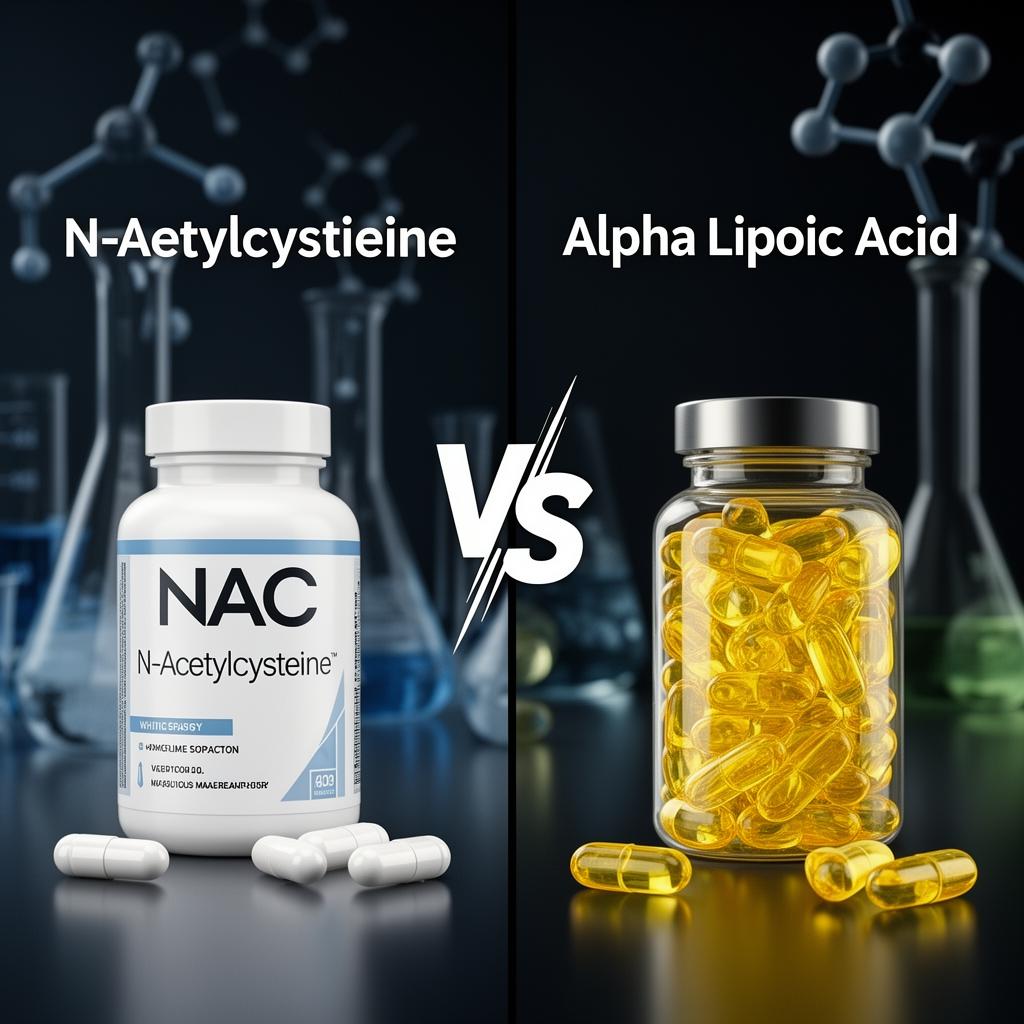
NAC and ALA are powerful antioxidants that improve athletic performance and recovery. NAC supports glutathione and respiratory function, while ALA supports energy metabolism, reducing oxidative stress.
Full Comparison: NAC vs. Alpha-Lipoic Acid for Athletes
Welcome, fellow athletes and wellness enthusiasts! At Sport Zona Academy, we always strive to provide you with the most up-to-date and scientifically-backed information to optimize your performance and recovery. Today, we'll delve into two popular and potent antioxidant supplements – N-acetylcysteine (NAC) and Alpha-Lipoic Acid (ALA). Both are valued for their cell health support and oxidative stress-fighting properties, but they also have unique mechanisms of action that make them more suitable for different goals.
The world of sports supplements is vast. Among the many options, antioxidants hold a special place, especially for athletes whose bodies undergo increased oxidative stress during training. NAC and ALA are two of the most researched and promising compounds in this category. This article will provide an in-depth look at their benefits, differences, and how to rationally integrate them into your nutritional strategy.
| Characteristic | NAC (N-acetylcysteine) | Alpha-Lipoic Acid (ALA) |
|---|---|---|
| Primary Role | Precursor to glutathione (a potent endogenous antioxidant) | Universal antioxidant, regenerates other antioxidants |
| Antioxidant Type | Indirect (by boosting glutathione) | Direct and indirect (regenerates vitamins C, E, glutathione) |
| Focus | Liver detoxification, respiratory system, muscle recovery | Metabolic function, blood sugar, nervous system, energy metabolism |
| Solubility | Water-soluble | Fat- and water-soluble |
| Potential Benefits for Athletes | Reduced muscle fatigue, improved recovery, detoxification after intense workouts | Enhanced insulin sensitivity, nutrient absorption, mitochondrial function |
| Forms of Intake | Capsules, powder | Capsules (R-ALA, S-ALA, Na-R-ALA) |
| Average Price (per daily dose) | 0.15 - 0.40 EUR | 0.20 - 0.70 EUR (R-ALA is more expensive) |
NAC (N-acetylcysteine)
NAC is a supplement that is a precursor to L-cysteine, which in turn is one of the three amino acids that form glutathione. Glutathione is often called the body's "master antioxidant" as it plays a central role in detoxification and protecting cells from oxidative stress.
- Mechanism of Action: Its primary function is to boost glutathione levels in the body. This is vital for athletes, as intense training increases the production of free radicals that deplete glutathione stores. Increased glutathione levels help neutralize these free radicals, reducing muscle damage and accelerating recovery.
- Detoxification: NAC aids the liver in detoxification processes, especially when dealing with toxins and medications. This is particularly beneficial for athletes who may be exposed to a higher load of metabolic waste.
- Respiratory Function: It is also known for its mucolytic properties, meaning it can break down thick mucus in the respiratory tract. While this is more noticeable in individuals with respiratory issues, some research suggests it may improve respiratory function in athletes under extreme conditions (e.g., altitude).
- Muscle Recovery: By reducing oxidative stress and maintaining glutathione levels, NAC can help decrease delayed onset muscle soreness (DOMS) and speed up recovery, allowing for more frequent and intense training sessions [1].
Alpha-Lipoic Acid (ALA)
ALA is a unique antioxidant because it is both fat- and water-soluble, allowing it to function in various parts of the cell and body. It is known as a "universal antioxidant."
- Mechanism of Action: ALA directly neutralizes various types of free radicals. It has the remarkable ability to regenerate other antioxidants like vitamin C, vitamin E, and even glutathione after they have been used up in fighting oxidative stress. This makes it effective in maintaining the body's overall antioxidant network [2].
- Energy Metabolism: ALA is a cofactor for key enzymes involved in energy production within the mitochondria. This means it plays a significant role in converting nutrients into energy, which is essential for athletic performance. It enhances metabolic efficiency.
- Insulin Sensitivity: There is evidence that ALA can improve insulin sensitivity, which is critical for athletes. Better insulin sensitivity means more efficient glucose uptake by muscle cells, important for replenishing glycogen stores and overall energy management [3].
- Nervous System Health: Due to its ability to cross the blood-brain barrier, ALA can provide antioxidant protection to the brain and nervous system, which is important for neuromuscular coordination and focus during training.
While both supplements are potent on their own, their combination can offer a synergistic effect that is greater than the sum of their individual benefits. NAC boosts glutathione levels, while ALA regenerates this already boosted glutathione, as well as other key antioxidants. This creates a more robust and efficient antioxidant defense.
- Expanded Antioxidant Spectrum: The combination provides protection in both aqueous and lipid environments, covering a wider range of cells and tissues.
- Enhanced Glutathione Regeneration: NAC provides the raw material for glutathione, while ALA helps keep it in its active form, optimizing detoxification and antioxidant processes.
- Metabolic Support: ALA supports energy metabolism and insulin sensitivity, while NAC reduces oxidative stress caused by intense training – a combination that is highly beneficial for athletic performance and recovery.
Always consult with a doctor or qualified nutritionist before taking any supplements, especially if you have pre-existing health conditions or are taking medications.
For General Recovery and Antioxidant Support:
- NAC: 600-900 mg, 1-2 times daily (morning and/or evening) [4].
- ALA: 200-300 mg, 1-2 times daily (preferably R-ALA for better bioavailability) [5].
- When: Take with food to minimize gastrointestinal discomfort. NAC can be taken with meals, while ALA is better taken on an empty stomach (or 30 minutes before a meal) for better absorption, especially if the goal is to improve insulin sensitivity. If combining them, take them together with food or split the doses.
For Intense Training Periods (Increased Stress):
- NAC: Up to 1200 mg, 2 times daily (morning and evening).
- ALA: Up to 600 mg, 1-2 times daily (if R-ALA, lower doses may suffice).
- When: One dose post-workout to support recovery, and one before bed for overnight regeneration. ALA can be taken before training to enhance glucose uptake.
Cycling:
It is recommended to cycle antioxidant intake. For example, take for 8-12 weeks, then take a break of 2-4 weeks. This helps prevent the body from "getting used to it" and maintains maximum effectiveness.
Choose NAC if:
- You experience high levels of oxidative stress after intense workouts and the goal is to optimize recovery.
- You want to support liver detoxification functions.
- You suffer from respiratory issues or want to improve respiratory function under heavy physical exertion.
- You are looking for immune system support.
Choose Alpha-Lipoic Acid if:
- You want to improve insulin sensitivity and nutrient absorption (especially carbohydrates).
- The goal is to optimize energy metabolism and mitochondrial function.
- You want to provide broad antioxidant protection, including the regeneration of other antioxidants.
- You are looking for nervous system health support.
- You have type 2 diabetes or a pre-diabetic condition (consult a doctor).
Combine Them if:
- You are seeking maximally complementary antioxidant and metabolic support.
- You have high training volumes and require comprehensive recovery.
- You want to benefit from all the advantages offered by both of these remarkable molecules.
NAC (N-acetylcysteine):
Imagine your body has a master "clean-up crew" – glutathione. NAC is like a "special delivery" that brings the necessary "raw material" (cysteine) to the cells so this clean-up crew can work at full capacity. When you train hard, your body produces a lot of "trash" (free radicals) that damage cells. NAC helps glutathione clear out this trash faster, helping your muscles recover and feel better.
Alpha-Lipoic Acid (ALA):
Think of ALA as a "universal soldier" in the body's antioxidant army. It's like a battleship that can operate both on land and in water (since it's fat- and water-soluble). It directly attacks free radicals. But the coolest part is that when other soldiers (like vitamins C and E, or even glutathione) get tired from fighting, ALA can "recharge" them and get them back into the fight. Plus, it's a little "energy manager," helping your cells convert food into fuel more efficiently.
NAC:
- Pros:
- Effectively boosts glutathione levels.
- Pronounced detoxifying properties, especially for the liver.
- Supports respiratory function.
- Relatively affordable.
- Well-researched for recovery and immune support in athletes.
- Cons:
- Can have an unpleasant odor (sulfur).
- Potential gastrointestinal upset at high doses (nausea, diarrhea).
- Does not have a direct effect on insulin sensitivity like ALA.
Alpha-Lipoic Acid (ALA):
- Pros:
- Universal antioxidant (fat- and water-soluble).
- Regenerates other antioxidants.
- Improves insulin sensitivity and glucose metabolism.
- Supports energy metabolism and mitochondrial function.
- Potential neuroprotective benefits.
- Cons:
- More expensive, especially the R-ALA form.
- Can cause a drop in blood sugar in people with diabetes (requires monitoring).
- Potential gastrointestinal upset (nausea, heartburn) at high doses.
- Symptoms of low blood sugar when taken on an empty stomach for some individuals.
At Sport Zona Academy, we offer only high-quality supplements. When choosing NAC or ALA, pay attention to the following:
- For NAC: Look for products without unnecessary fillers and with a good manufacturer reputation. Standard N-acetylcysteine form is effective.
- For ALA: We recommend investing in products containing R-Alpha-Lipoic Acid (R-ALA) or Na-R-ALA (Sodium R-Lipoate). These forms are naturally occurring, have higher bioavailability, and are more effective than synthetic S-ALA or the mixed form (R/S-ALA). Although more expensive, their effectiveness justifies the cost.
- Verified Manufacturers: Always choose brands that conduct third-party purity and content testing. You can browse our offerings in the "Antioxidants" section.
As sports nutrition experts at Sport Zona Academy, we are convinced of the benefits of correctly using these powerful antioxidants. For athletes undergoing significant physical stress, integrating NAC or ALA (or a combination of both) can lead to measurable improvements in recovery, reduced fatigue, and optimized metabolic processes. Remember that supplements are "add-ons" to a well-balanced diet and adequate training regimen, not a replacement for them. Be mindful of dosages and listen to your body. For personalized consultations, do not hesitate to contact our team.
Sources:
- A Review of the Antioxidant and Immunomodulatory Effects of N-Acetylcysteine (NAC) - NCBI PubMed. (2018).
- The antioxidant effects of alpha-lipoic acid - NCBI PubMed. (2001).
- Alpha-lipoic acid: a new therapeutic approach to antioxidant therapy in diabetes - NCBI PubMed. (2009).
- The effect of N-acetylcysteine (NAC) on exercise performance and fatigue: A review - NCBI PubMed. (2019).
- Alpha-Lipoic Acid as a Dietary Supplement: Evidence for Effectiveness and Safety - NCBI PubMed. (2014).
Recommended products
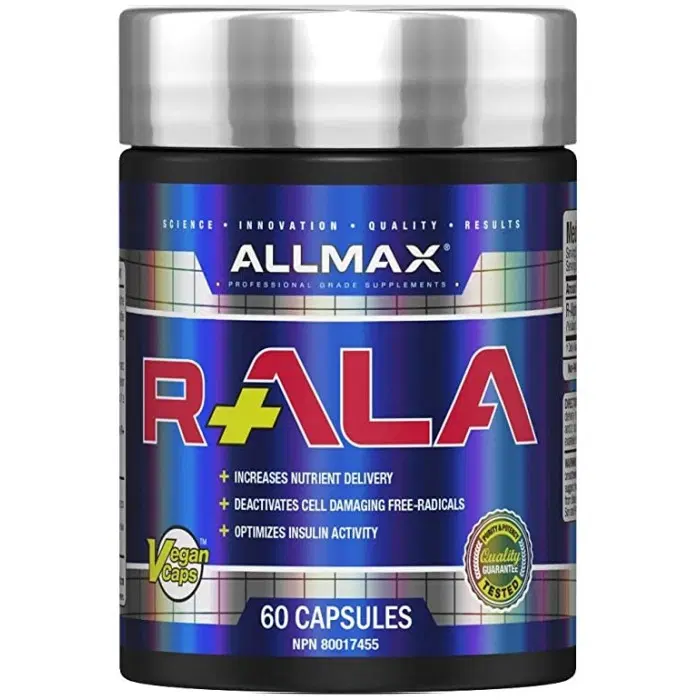
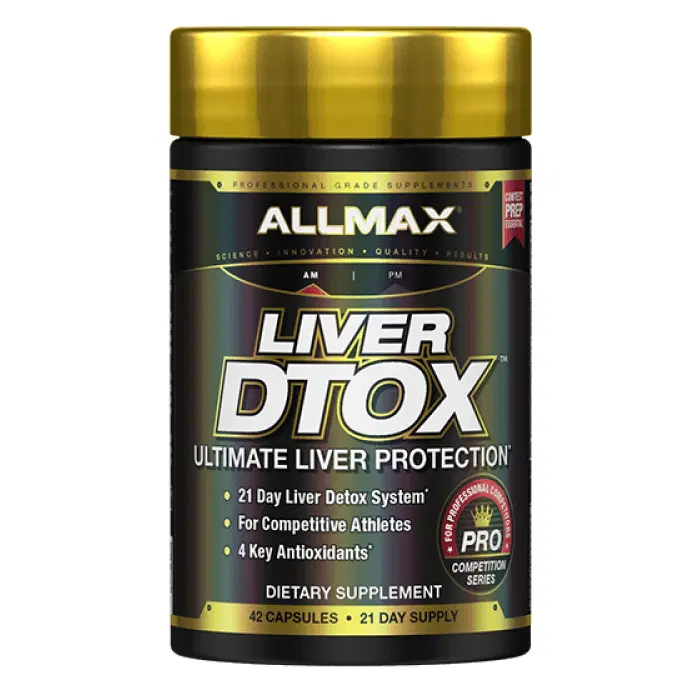
Frequently asked questions
Can NAC and Alpha-lipoic acid be taken together?
Yes, NAC and Alpha-lipoic acid can be safely taken together and may even have a synergistic effect. They work through different mechanisms to reduce oxidative stress and support recovery. Consult a doctor or dietitian before combining, especially with existing health conditions.
Which is better for beginners?
For beginner athletes looking for general recovery improvement and antioxidant protection, Alpha-lipoic acid (ALA) might be a better choice due to its broader spectrum of action and less specific applications. NAC is excellent, but its benefits for respiratory function might be more noticeable with more intense training.
When is the best time to take them?
NAC is generally recommended to be taken in the morning or before training to help protect against oxidative stress during activity. Alpha-lipoic acid (ALA) is best taken on an empty stomach, 30 minutes before meals, to optimize absorption and insulin sensitivity.
Are there any side effects?
NAC is generally well-tolerated, but some individuals may experience mild gastrointestinal upset, nausea, or diarrhea at high doses. Alpha-lipoic acid is also safe for most people, but in rare cases, it can cause nausea, vomiting, or dizziness. Always follow the recommended dosages.
What is the dosage?
The typical dosage for NAC for athletes ranges between 600 mg and 1800 mg daily, divided into one or two doses. For Alpha-lipoic acid (ALA), dosages between 300 mg and 600 mg daily are common to support athletic performance. Always start with a lower dose and gradually increase if needed.