Muscle Mass Nutrition Guide: Surplus, Protein, and Timing Windows
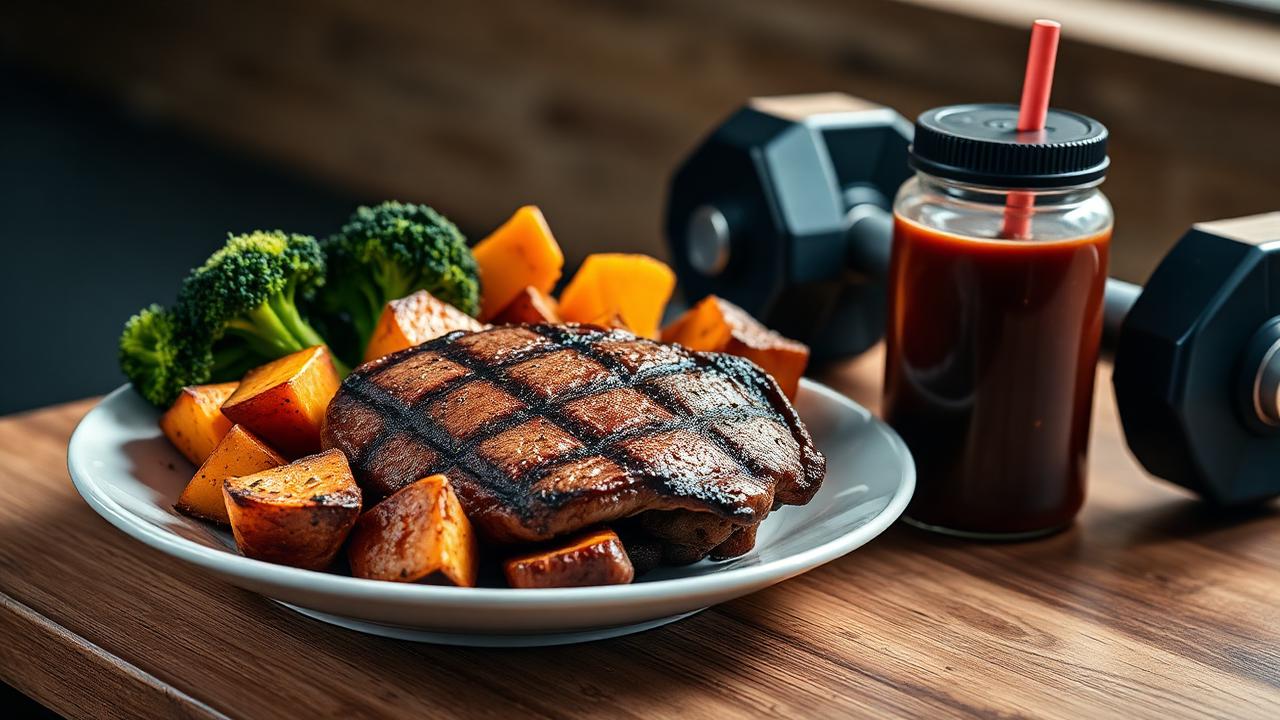
bulking — calorie surplus, protein, macros, supplements
Building muscle mass requires a consistent caloric surplus, combined with adequate protein intake and strength training to stimulate muscle hypertrophy.
Caloric Surplus: The Math Behind Muscle Growth
💬 Simply put: To gain muscle mass, you need to eat slightly more food than you burn, ensure sufficient protein, and train regularly with strength.
📖 Caloric Surplus
Consuming more calories than the body burns per day, necessary for weight and muscle mass gain.

At the core of every successful muscle-building strategy lies an unwavering physiological principle: a positive energy balance. Simply put, you need to consume more calories than you burn. This surplus provides the "bricks" (nutrients) and energy your body needs to maintain its functions, recover from workouts, and build muscle mass. Without this surplus, the body is in survival mode, prioritizing energy conservation over building metabolically "expensive" tissue like muscle – a process known as muscle hypertrophy. Without this surplus, the body is in survival mode and will prioritize energy conservation over building metabolically "expensive" tissue like muscle.
The key question is, "how large should this surplus be?". I often see people making one of two extreme mistakes. The first is an overly timid approach – a surplus of 100-200 kcal, which is often lost in daily variations of activity and metabolism and doesn't lead to visible results. The second, and more harmful from a cardiological perspective, is the aggressive approach ("dirty bulk") with a surplus of 1000+ kcal. This almost guarantees excessive fat gain, impaired insulin sensitivity, and increased cardiovascular risk. In my opinion, the golden mean is most effective: a moderate, controlled surplus of 300 to 500 kcal above your Total Daily Energy Expenditure (TDEE). For an 80kg man with a TDEE of 2500 kcal, this means a daily intake of 2800–3000 kcal.
This moderate approach allows for a weight gain of about 0.25-0.5% of body weight per week. For the aforementioned 80kg man, this is about 200-400 grams per week, or approximately 1-1.5 kg per month. At this pace, the ratio of newly acquired muscle mass to fat is optimal. Faster gains almost always mean more fat. The practical advice is to calculate your TDEE using an online calculator, add 400 kcal, and monitor your weight and measurements for 2-3 weeks. If your weight isn't increasing, add another 150-200 kcal. If it's increasing too quickly (over 500-600 grams per week), reduce your calories by 200 kcal.
Protein: Quality, Quantity, and Distribution
✅ Pros
- Stimulates muscle hypertrophy
- Provides energy for recovery and training
- Supports hormonal health through adequate fats
- Reduces the risk of muscle being burned for energy
⚠️ Cons
- Excessive surplus leads to fat accumulation
- Aggressive approach can worsen insulin sensitivity
- High risk of cardiovascular problems with uncontrolled intake
- Shifting protein and fats with carbohydrates compromises balance
If calories are the fuel, then protein is the primary building material. Amino acids, the building blocks of protein, are what your body directly uses to construct muscle fibers. Therefore, adequate protein intake is an absolutely non-negotiable element of any muscle-building diet. The scientific consensus places the optimal intake for stimulating muscle hypertrophy in the range of 1.6 to 2.2 grams of protein per kilogram of body weight. For our example of an 80kg athlete, this equates to 128-176 grams of protein daily. Exceeding 2.2 g/kg does not show significant additional benefits for muscle growth in healthy individuals with normal kidney function, but it can strain your budget and displace calories from important carbohydrates and fats.
Protein quality is just as important as quantity. Proteins from animal sources (meat, fish, eggs, dairy) are considered "complete" because they contain all nine essential amino acids in optimal ratios. The amino acid leucine is particularly important, acting as a primary "switch" for the muscle protein synthesis (MPS) process. The goal is to have at least 2.5-3 grams of leucine in each main meal. This is easily achieved with 120-150 grams of chicken breast, 4 whole eggs, or one scoop of whey protein. Plant-based sources (legumes, nuts, seeds) can also provide all amino acids, but often require combining (e.g., rice with beans) to achieve a complete amino acid profile within the day.
Protein distribution throughout the day is a fine-tuning adjustment that can optimize results. Instead of consuming most of your protein at dinner, it's much more effective to distribute it across 4 to 5 meals, each containing 20-40 grams of protein. This strategy maintains consistently elevated amino acid levels in the blood and stimulates MPS multiple times a day. I often see athletes skipping breakfast or having a sandwich with minimal protein for lunch, then trying to compensate with 100 grams of protein at dinner. The body has a limit on how much protein it can effectively use for muscle synthesis in one meal. Anything over ~40-50 grams is more likely to be oxidized for energy rather than incorporated into muscle. A practical example: an 80kg man aiming for 160g of protein could distribute it as follows: breakfast (30g), lunch (40g), afternoon snack (30g), dinner (40g), before bed (20g casein).
Carbohydrates and Fats: Fuel for Growth and Hormonal Health
Obsession with protein often leads to underestimating the other two macronutrients, which are equally critical for success. Carbohydrates are the body's primary energy source, especially for high-intensity activities like strength training. Adequate intake replenishes muscle glycogen stores, allowing you to train harder and longer – the main stimulus for growth. Furthermore, carbohydrate consumption triggers insulin release – a potent anabolic hormone that helps transport amino acids and glucose into muscle cells and reduces muscle protein breakdown. The recommended intake for active individuals during a bulking phase is between 4 and 6 grams per kilogram of body weight. For our 80kg individual, this is 320-480 grams of carbohydrates daily.
Fats, in turn, are vital for the production of anabolic hormones, including testosterone. Low-fat diets can seriously compromise hormonal balance and sabotage your gym efforts. Fats are also important for the absorption of fat-soluble vitamins (A, D, E, K) and are a concentrated source of energy. The focus should be on quality. As a cardiologist, I strongly emphasize unsaturated fats – monounsaturated (olive oil, avocado, almonds) and polyunsaturated (omega-3 from salmon, mackerel, and omega-6 from nuts and seeds). Fat intake should constitute about 20-30% of total caloric intake. For a 3000 kcal diet, this equates to 67-100 grams of fat daily. Minimize saturated fats from processed meats and trans fats from fried and packaged foods.
🔬 From Practice
A few months ago, a 24-year-old patient, an enthusiastic fitness hobbyist, came to me. He had gained 12 kg in 4 months following a "dirty bulk" regimen – a huge caloric surplus from pizzas, burgers, and sweets, "because I have to eat a lot." He was happy with his weight but complained of constant fatigue and shortness of breath with light exertion. His blood tests were concerning: LDL cholesterol ("bad") had jumped to 180 mg/dL, triglycerides were over 250 mg/dL, and his blood pressure was 145/95 mmHg – values I typically see in 50-year-old overweight patients. This is a classic example of how pursuing mass at all costs can have serious negative consequences for cardiovascular health, even at a young age. We switched to a "clean bulk" with a moderate surplus of whole foods, and in 6 months, he improved his physique, shedding fat while maintaining muscle, and all his biomarkers returned to normal.
Nutrient Timing: Is the Anabolic Window a Myth?
The concept of the "anabolic window" – the short 30-60 minute period after training when the body is highly receptive to nutrients – has dominated fitness circles for decades. The idea was that if you didn't consume a protein shake immediately after your last set, you were losing potential muscle growth. However, modern science presents a more nuanced picture. While protein sensitivity is indeed elevated post-workout, this "window" is much wider than previously thought – likely lasting several hours, especially if you had a pre-workout meal.
In my opinion, total daily calorie and protein intake are far more important factors for muscle growth than perfect timing. Worrying about a 30-minute window when your daily protein intake is 1.0 g/kg is like worrying about the paint color on a sinking ship. Priority number one is to ensure sufficient building material and energy throughout the day. I often see people rushing to the locker room for their shake, but their nutrition the rest of the day is chaotic and incomplete. This is the wrong focus.
Nevertheless, nutrition around training is not insignificant. It's a tool for optimization, not the main driver. Consuming a balanced meal containing protein and carbohydrates 1 to 3 hours before training will provide energy and reduce muscle catabolism. Post-workout, a similar meal within 1 to 2 hours is sufficient to initiate recovery and growth processes. An ideal post-workout meal contains about 0.3-0.5 g/kg of protein and 0.5-1.0 g/kg of carbohydrates. This could be chicken breast with rice and vegetables, or the more convenient option of a protein shake mixed with a banana or oats. Convenience, not some magical absorption speed, is the main advantage of shakes.
"Clean" vs. "Dirty" Bulking
The terms "clean" and "dirty" bulking describe two fundamentally different approaches to caloric surplus. "Clean" bulking is characterized by a moderate caloric surplus (300-500 kcal), achieved primarily by consuming whole, minimally processed foods – lean meats, fish, eggs, complex carbohydrates (oats, brown rice, potatoes), fruits, vegetables, and healthy fats. The goal is slow and steady weight gain, maximizing muscle mass accumulation while minimizing body fat gain.
"Dirty" bulking, on the other hand, sacrifices food quality for quantity. It involves a large, often uncontrolled caloric surplus (800+ kcal), achieved through high-calorie, highly processed foods – fast food, sweets, pizzas, fried foods. The logic is simple: "I'll eat everything to get big." While this approach undoubtedly leads to rapid weight gain, a significant portion of it is in the form of fat. This not only compromises aesthetics but, as mentioned in the clinical case, carries serious health risks: elevated cholesterol, impaired insulin sensitivity, inflammatory processes, and strain on the cardiovascular system.
The choice between the two approaches is obvious, especially from a long-term health perspective. The "clean" approach is sustainable, healthy, and leads to higher quality results. It builds muscle, but also healthy eating habits. The "dirty" approach is a short-term fix with long-term negative consequences, often ending with a long and difficult "cutting" phase to shed excess fat, during which some hard-earned muscle mass is also lost. In my opinion, "dirty" bulking is only justifiable for extreme "hardgainers" (individuals with extremely fast metabolisms), but even then, it should be applied with moderation and a focus on more calorie-dense, yet still healthy foods like nuts, tahini, olive oil, and avocado.
Comparison Table: Clean Bulking vs. Dirty Bulking
| Characteristic | "Clean" Bulking | "Dirty" Bulking |
|---|---|---|
| Caloric Surplus | Moderate (300–500 kcal/day) | Large and uncontrolled (800+ kcal/day) |
| Food Sources | Whole, unprocessed foods (meat, fish, rice, vegetables, fruits) | Highly processed, calorie-dense foods (fast food, sweets, fried items) |
| Rate of Gain | Slow and controlled (0.5–1.5 kg/month) | Fast and unpredictable (3+ kg/month) |
| Body Composition | Primarily muscle gain, minimal fat gain. | Significant gain of both muscle and fat. |
| Health Impact | Improves metabolism, maintains good cholesterol and insulin sensitivity levels. | Risk of high cholesterol, insulin resistance, inflammation, acne. |
| Sustainability | High, builds good eating habits. | Low, requires a long and difficult "cutting" period. |
Key Supplements: What Really Works?
The supplement market is vast and confusing, often making promises of quick and easy results. The truth is, supplements are just that – a supplement to a solid nutrition and training program. They cannot compensate for a lack of caloric surplus or inadequate protein intake. In my opinion, only a few supplements have enough scientific backing to be recommended as effective and safe for muscle-building goals.
Creatine Monohydrate: This is the most researched and proven effective supplement for increasing strength, power, and muscle mass. Creatine increases phosphocreatine stores in the muscles, allowing for more sustained work during high-intensity efforts (more reps with heavier weight). This leads to a greater training stimulus and consequently better growth. The standard dose is 3-5 grams daily, taken at any time of day. A loading phase (20 grams daily for 5-7 days) can speed up muscle saturation but is not mandatory. Creatine is safe for healthy individuals with long-term use.
Protein Powder (Whey, Casein): Protein powders are not magic; they are simply a convenient source of high-quality protein. Whey protein is fast-digesting and an excellent choice for post-workout nutrition, while casein digests slowly and is suitable for pre-sleep intake, providing sustained amino acid release overnight. The dose is typically 1-2 scoops (25-50 grams of protein) as needed to reach your daily protein target. I often see people relying entirely on shakes. Remember that whole foods should always be the foundation, and shakes should be a supplement when consuming food is inconvenient or impossible.
Omega-3 Fatty Acids (Fish Oil): While they don't directly impact muscle synthesis, omega-3s (especially EPA and DHA) have powerful anti-inflammatory properties. They aid in faster recovery from intense workouts, reduce muscle soreness, and support joint health. As a cardiologist, I also recommend them for their proven cardiovascular benefits – reducing triglycerides and blood pressure. An effective dose is between 1 and 3 grams of combined EPA and DHA daily, which is usually achieved with 2-4 standard fish oil capsules.
⚠️ Common Mistakes
- Inconsistent Nutrition: Sticking to your diet perfectly during the week but skipping meals or eating much less on weekends. Muscle growth is a 24/7 process and requires a constant supply of nutrients.
- Fear of Carbs and Fats: Focusing on protein and also limiting carbs and fats for fear of gaining fat. This sabotages your training energy and hormonal health.
- Lack of Tracking: Eating "by eye" without knowing your actual calorie and protein intake. Use a calorie-tracking app at least initially to calibrate your portions.
- Neglecting Hydration and Micronutrients: Drinking little water and not eating enough fruits and vegetables. Dehydration reduces strength by up to 10-15%, and a lack of vitamins and minerals impairs recovery.
How quickly should I gain weight?
The optimal rate for gaining quality muscle mass is between 0.5% and 1% of your body weight per month. For a beginner, this might be around 1-1.5 kg per month, while for an advanced athlete, it could be as little as 0.5 kg. Gaining weight faster almost certainly means you are accumulating more fat than muscle.
Can I build muscle and lose fat simultaneously?
This process, called body recomposition, is entirely possible for beginners, people returning to training after a long break, or individuals with a higher body fat percentage. For more advanced athletes, it is extremely difficult and inefficient. A better strategy is to alternate periods of moderate caloric surplus (for mass) and slight deficit (for fat loss).
Do I have to drink protein shakes?
No, they are absolutely not mandatory. You can get all your required protein from whole food sources like chicken, fish, eggs, beef, cottage cheese, and legumes. Protein shakes are simply a convenient and quick way to increase your intake, especially after training or when you don't have time to cook.
Should I eat before bed to avoid losing muscle overnight?
Consuming a slow-digesting protein before sleep, such as cottage cheese or a casein shake (about 20-30 grams), can reduce muscle breakdown overnight and aid recovery. This is an optimization, not a mandatory rule. If your daily protein and calorie intake are adequate, the effect won't be drastic, but it's a good practice that's easy to implement.
How does alcohol affect muscle growth?
Alcohol negatively impacts muscle growth in several ways: it directly suppresses muscle protein synthesis, impairs sleep quality (which is crucial for recovery), dehydrates, and can reduce testosterone levels. Regular and excessive alcohol consumption will seriously sabotage your efforts in the gym and kitchen. A glass of wine or beer occasionally won't be fatal, but it should be an exception, not the rule.
🔍 In Depth
- Red vs. White Meat: Muscle Catalyst vs. Diet Standard
- Animal vs. Plant Proteins: Bioavailability and Amino Acid Software
- Chicken vs. Beef: Protein Precision vs. Anabolic Capacity
- Creatine Timing: Pre or Post-Workout – What Does the Data Show
- Intermittent Fasting vs. Frequent Meals: Cellular Repair vs. Anabolic Support
- Greek Yogurt vs. Skyr: Anabolic Capacity and Microbiome Support
- Cottage Cheese vs. Farmer's Cheese: Anabolic Capacity and Sodium Balance
🎯 Remember: A balanced approach with a moderate caloric surplus, sufficient protein, and controlled carbohydrates and fats is key to effective and healthy muscle mass gain.
🔬 Expert Note from Sport Zona
From my extensive experience with Bulgarian athletes, I often observe that a large portion of them underestimate the necessity of a consistent and QUALITY caloric surplus. Consuming sufficient precise calories is just as important as the workouts themselves. Without it, even a perfect training program will struggle to yield the desired results.
Recommended products
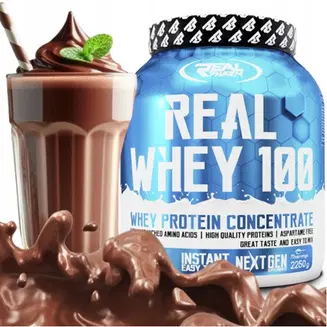
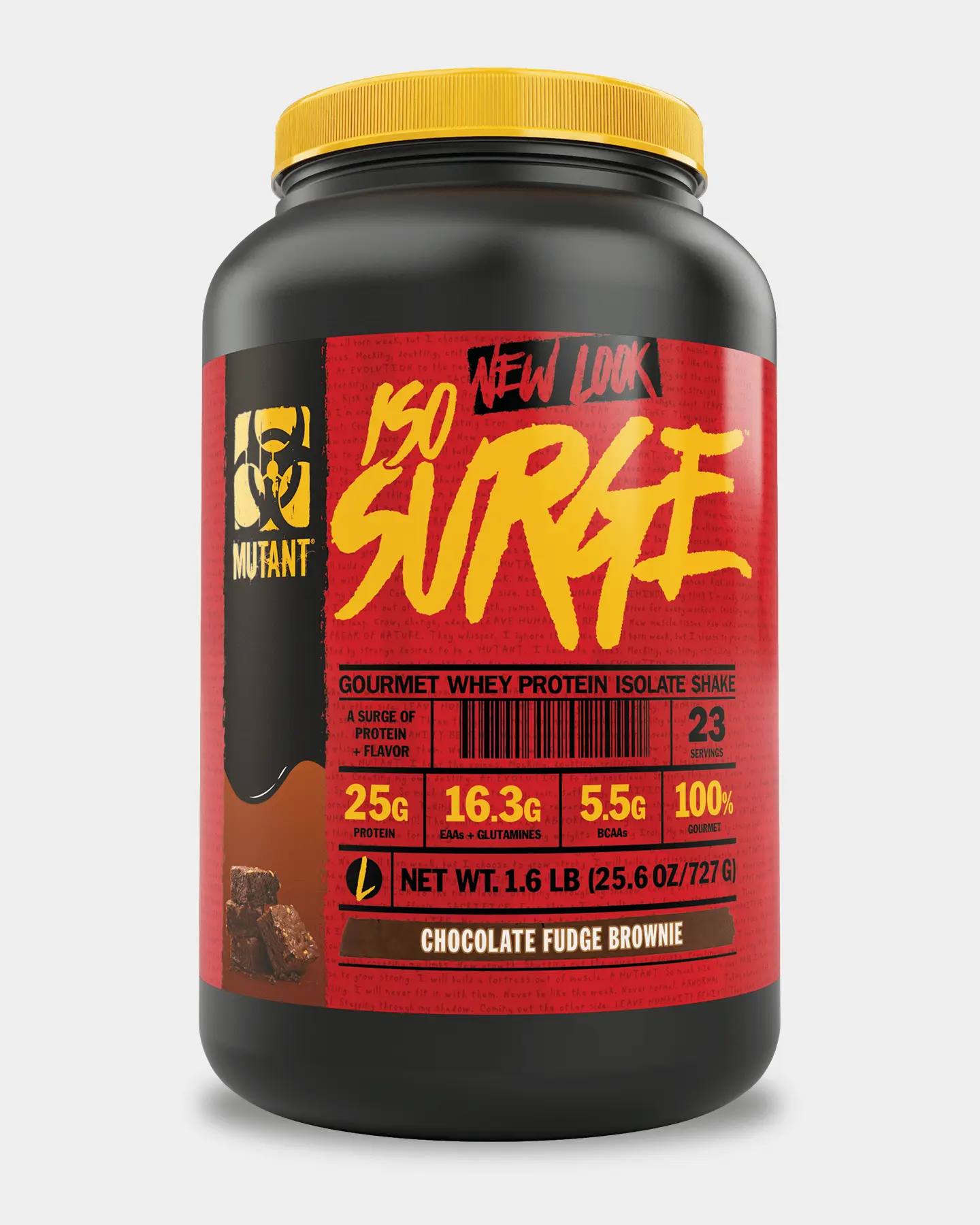
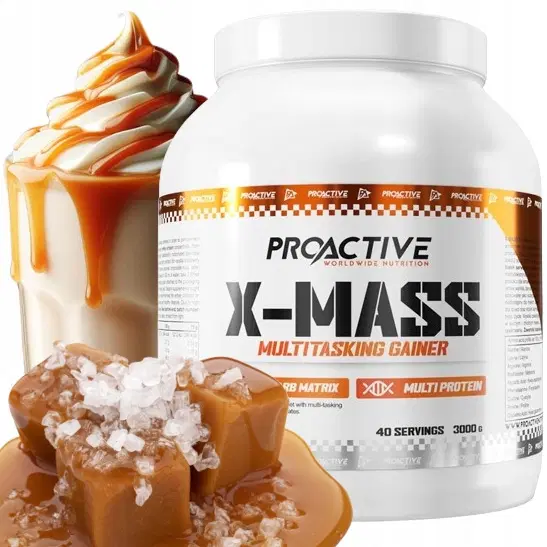
Frequently asked questions
What caloric surplus is recommended for muscle mass gain?
A moderate caloric surplus of 300 to 500 kcal above daily energy expenditure is recommended. This supports muscle tissue building without leading to excessive fat accumulation.
How much protein is needed daily for muscle growth?
For stimulating muscle hypertrophy, a protein intake of 1.6 to 2.2 grams per kilogram of body weight is optimal. This intake should be evenly distributed across 4-5 meals throughout the day.
Does the exact timing of nutrient intake matter?
The total daily intake of nutrients is more important than strict timing. The term "anabolic window" covers several hours, not just short intervals after training.
What is the risk of an excessively large caloric surplus?
An aggressive caloric surplus (over 1000 kcal) leads to unwanted fat accumulation, can worsen insulin sensitivity, and increase cardiovascular risk.