Cardio and Endurance Handbook: HIIT, LISS, VO2 max

Cardio modalities — HIIT vs LISS, VO2 max, heart rate zones, interference with strength
Cardio and endurance are systematic training sessions that improve the efficiency of the heart, lungs, and circulation, increasing the body's aerobic capacity.
What is Cardio and Why is it More Than Just "Running for Weight Loss"?
💬 Simply put: Cardio workouts help the heart, lungs, and blood work better, increasing the body's endurance.
📖 Cardio Workout
Cardio is any activity that raises your heart rate for a sustained period, improving the function of your heart, lungs, and circulatory system.
Cardiovascular training, or "cardio," encompasses any activity that elevates your heart rate and sustains it for a prolonged period. Think running, cycling, swimming, brisk walking. The primary goal is to train the cardiovascular system. When you do cardio, you make your heart pump more blood and your lungs work more efficiently to deliver oxygen to your muscles. It's not just a calorie-burning mechanism. Regular cardio leads to significant physiological adaptations: the heart becomes stronger and pumps more blood with each beat (increased stroke volume), new capillaries form around muscle fibers for better blood supply, and the number and efficiency of mitochondria – the "powerhouses" of cells – increase.
I often see clients who come with a single goal: "I want to lose weight, so I need to run a lot." This is too simplistic. Yes, cardio helps create a calorie deficit, but its benefits are much deeper. Improving endurance means you'll get tired less easily in daily life – climbing stairs becomes easier, playing with kids doesn't leave you breathless. Furthermore, good cardio fitness improves your ability to recover between sets in strength training. If your heart rate returns to normal faster, you can start your next set with more power and focus. In my opinion, viewing cardio solely as a weight-loss tool is like using a Swiss Army knife only as a bottle opener – you miss a huge part of its functionality.
Endurance is a direct result of consistent cardio. It's divided into two main types: muscular endurance (the ability of a muscle to perform repetitive contractions for an extended period, e.g., many reps with light weight) and cardiovascular endurance (the ability of the heart and lungs to deliver oxygen and energy to the body during prolonged physical activity). In this guide, we will focus primarily on the latter, as it is the foundation upon which all athletic ability is built.
HIIT (High-Intensity Interval Training): Maximum Results in Minimum Time?
✅ Pros
- Improves cardiovascular system functions
- Increases endurance and aerobic capacity
- Boosts daily energy levels
- Aids recovery between strength training sessions
⚠️ Cons
- Often viewed solely as a weight-loss method, not for overall health
- High-intensity methods like HIIT can lead to overtraining if performed incorrectly
- Improper intensity application in LISS loses effectiveness or leads to a 'gray zone'
HIIT is a training protocol that alternates short, extremely intense bursts of work (sprints) with periods of rest or very low intensity. The idea is to push your body close to its maximum capacity for a short time. A classic example of a HIIT session on a stationary bike is: 5 minutes warm-up, followed by 8 rounds of 30-second maximum effort sprints (90-95% of max heart rate) and 60-90 seconds of active recovery (very light pedaling). The entire work portion can take only 12-15 minutes, but the effect is huge.
The main advantage of HIIT is its time efficiency. You get significant cardiovascular benefits comparable to longer moderate-intensity sessions, but in a much shorter time. HIIT sessions lead to a significant increase in VO2 max (more on this later) and improve insulin sensitivity. Another key element is the "afterburn effect" or EPOC (Excess Post-exercise Oxygen Consumption). After such an intense workout, your metabolism remains elevated for hours as your body recovers, leading to additional calorie burn even after you've stopped exercising.
Despite the benefits, HIIT is a double-edged sword. I often see people in the gym claiming to do HIIT, but the reality is different. They perform the intervals with insufficient intensity – around 70-80% of their maximum. This is not HIIT, but simply moderate-intensity interval training. To be true HIIT, the effort in the work intervals must be near maximal – such that at the end of 20-30 seconds, you can't utter a word. In my opinion, HIIT is not for everyone, and certainly not for every day. The high intensity puts immense stress on the nervous system and requires longer recovery. I recommend no more than 1-2 HIIT sessions per week for most of my clients, integrated into a well-balanced program.
LISS (Low-Intensity Steady-State Cardio): The Foundation of Endurance
LISS is the opposite of HIIT. It is any form of cardio performed at a low to moderate intensity for a sustained period, typically between 30 and 90 minutes. The goal is to maintain a steady heart rate in what's known as "Zone 2," which is around 60-70% of your maximum heart rate. For most people, this means brisk walking (e.g., on a treadmill with a 5-10% incline at 5-6 km/h), light cycling, or swimming at a consistent pace. The key is to be able to hold a conversation while performing the activity without becoming overly breathless.
LISS is the cornerstone for building a solid aerobic base. While HIIT improves the "peak" of your fitness, LISS builds its broad and stable foundation. These workouts stimulate mitochondrial biogenesis (the creation of new mitochondria) and improve the body's ability to use fat as its primary fuel source. This is extremely important for weight loss and also for endurance athletes who need to conserve precious glycogen. In my opinion, Zone 2 is the most underrated and most important training zone for overall health and longevity.
The great advantage of LISS is that it puts much less stress on the body and nervous system compared to HIIT. This means you can do it more frequently (up to 4-6 times a week) and it can serve as active recovery on days following heavy strength training. I often see the mistake of people turning their LISS into something more intense, falling into the "gray zone" (Zone 3). They jog lightly instead of walking briskly, maintaining a heart rate around 75-80% of maximum. In this zone, the load is too high for effective recovery but too low to yield the benefits of HIIT. The result is accumulated fatigue without a clear training stimulus. Therefore, it's crucial to monitor your heart rate and remain disciplined in Zone 2.
🔬 From Practice
A year ago, I worked with a client, Maria, aged 35. Her goal was to lose 10 kg. She had read a lot about HIIT and did 4-5 sessions a week on the treadmill, combined with 2 strength workouts. Initially, she made progress, but after 2 months, she hit a plateau. She was constantly tired, irritable, and her strength in the gym started to decline. We analyzed her program and saw that her body was in a state of chronic stress from too many high-intensity workouts. We changed the approach drastically: we reduced HIIT sessions to one per week and introduced 3 LISS sessions of 45 minutes each (brisk incline walking). Within a month, Maria not only started losing weight again but reported having much more energy, sleeping better, and even increasing her weights in strength training. This is a perfect example of how more and harder is not always better.
HIIT vs. LISS: When and Why Choose One Over the Other?
The choice between HIIT and LISS is not a question of "which is better," but rather "which is more suitable for my goals, current condition, and schedule." The two methods are not enemies but tools with different applications. The best programs often include a combination of both to maximize benefits and minimize the risks of overtraining. If your time is severely limited, a 20-minute HIIT session might be more effective than 20 minutes of LISS. However, if you have 60 minutes, a LISS session will burn more calories during the workout itself and support your recovery.
When the goal is maximum fat burning while preserving muscle mass, a combination is the gold standard. For example, 1-2 HIIT sessions per week will boost metabolism and improve hormonal profile, while 2-3 LISS sessions will help increase overall calorie expenditure with minimal stress, facilitating the maintenance of a calorie deficit without compromising recovery from strength training. I often see bodybuilding competitors in the late stages of preparation relying almost entirely on LISS (e.g., 60 minutes of treadmill walking every morning) because any additional drop of stress from HIIT can lead to muscle loss.
For athletes aiming for peak performance in sports requiring explosiveness (football, basketball, combat sports), HIIT is indispensable. It mimics the nature of these sports – alternating sprints and rests. For marathon runners or triathletes, however, LISS (and specifically Zone 2 training) will be the foundation, making up perhaps 80% of their training volume, to build a tireless aerobic "machine."
Comparison Table: HIIT vs. LISS
| Parameter | HIIT (High-Intensity Interval Training) | LISS (Low-Intensity Steady-State Cardio) |
|---|---|---|
| Duration | Short sessions (10-25 minutes) | Long sessions (30-90+ minutes) |
| Intensity | Very high (85-100% of max HR) in intervals | Low to moderate (60-70% of max HR) |
| Primary Energy Source | Carbohydrates (anaerobic) | Fats (aerobic) |
| Afterburn Effect (EPOC) | High, burns calories for hours afterward | Low to negligible |
| Impact on Recovery | High stress, requires 48-72 hours for recovery | Minimal stress, can aid recovery |
| Best Suited For: | Improving VO2 max, time efficiency, athletes in explosive sports | Building aerobic base, fat burning, active recovery, beginners |
VO2 Max: The Gold Standard of Aerobic Capacity
VO2 max, or maximal oxygen uptake, is the metric that measures the maximum amount of oxygen your body can utilize, transport, and consume during intense exercise. It's measured in milliliters of oxygen per kilogram of body weight per minute (ml/kg/min). Simply put, VO2 max is the "size of your aerobic engine." The higher this value, the better your cardiovascular fitness and endurance. Elite marathoners and cross-country skiers have some of the highest values, often above 80-90 ml/kg/min, while an average untrained person has around 30-40 ml/kg/min.
Why is VO2 max important even if you're not an elite athlete? A higher VO2 max is one of the strongest predictors of longevity and reduced risk of cardiovascular disease. In practice, higher capacity means your heart and lungs work more efficiently to supply your muscles with oxygen. An accurate VO2 max measurement is done in laboratory conditions with a gas analyzer, but there are also good field tests for approximate assessment, such as the 12-minute Cooper test (covering maximum distance in 12 minutes) or a timed 1.5-mile (2.4 km) run. Many modern sports watches also offer quite accurate estimates based on the correlation between heart rate and running speed.
How to improve VO2 max? The most effective method is high-intensity training. It is precisely HIIT sessions, where the heart rate reaches 90% or more of maximum, that provide the strongest stimulus for cardiovascular adaptation and increasing VO2 max. This doesn't mean LISS is useless. Zone 2 training improves peripheral factors – such as the muscles' ability to extract and use oxygen, which also contributes to overall endurance. In my opinion, the best strategy is the "polarized" training model: about 80% of the time is spent in LISS (Zone 1-2) and about 20% in HIIT (Zone 4-5), avoiding the "gray" Zone 3.
Heart Rate Zones: Your Intensity Navigator
Training according to heart rate zones is the most practical way to control and direct the intensity of your cardio to achieve specific goals. Instead of guessing how fast to move, you use an objective indicator – your heart rate. Typically, 5 zones are used, calculated as a percentage of your maximum heart rate (MHR). The classic and simplest formula for MHR is `220 - age`, but it's quite inaccurate. In my opinion, it's better to use Tanaka's formula (`208 - 0.7 * age`) or, ideally, perform a field test to determine your actual maximum (e.g., a 400-meter run with a sprint at the end).
Here's how the five zones look and what they're for:
- Zone 1 (50-60% of MHR): Very light activity. This is the zone for warm-ups, cool-downs, and very light active recovery. A walk in the park.
- Zone 2 (60-70% of MHR): Low intensity. This is the "golden" LISS zone. Ideal for building an aerobic base, burning fat, and improving general endurance. You should be able to talk freely. You should spend most of your cardio time here (e.g., 2-3 sessions of 45-75 minutes per week).
- Zone 3 (70-80% of MHR): Moderate intensity. The "gray zone." Here, the load is significant, but not high enough to stimulate maximum adaptations like with HIIT. You primarily burn carbohydrates, and stress accumulates on the body. I often see people spending their entire workout here, thinking they're doing the best, but they're actually just getting tired without optimal benefits.
- Zone 4 (80-90% of MHR): High intensity. This is the "tempo" zone, at the threshold of your anaerobic threshold. You can sustain this effort for a limited period (20-40 minutes). Extremely useful for improving the ability to maintain high speed. Talking is difficult, only short phrases are possible.
- Zone 5 (90-100% of MHR): Maximum intensity. This is the HIIT zone. You work at and above your VO2 max. You can sustain this effort only for very short intervals (30-120 seconds). Talking is impossible.
⚠️ Common Mistakes
- Training "Blindly": Many people just get on the machine and move at some speed without monitoring their heart rate. This leads to ineffective workouts – either too light or too heavy for the intended goal.
- Living in the "Gray Zone" (Zone 3): This is the most common mistake. People do light jogging or cycle at a pace that is too hard for LISS but too easy for HIIT. The result is fatigue without a clear training stimulus.
- Blind Trust in Formulas: The "220 - age" formula can have a deviation of 10-15 beats per minute. For a 40-year-old, this could mean their "Zone 2" is actually Zone 3. Use it as a starting point, but learn to listen to your body or perform a field test.
- Too Much HIIT: Enthusiastic about promises of quick results, many people start with 4-5 HIIT sessions per week. This almost always leads to overtraining, increased risk of injury, and decreased performance.
The Interference Effect: How Cardio Affects Strength Training?
This is a key question for anyone who wants to build muscle and improve endurance simultaneously. Yes, cardio can hinder your strength results if not done correctly. This phenomenon is called the "interference effect." At a molecular level, strength training and endurance training activate two different and somewhat competing signaling pathways in the cell. Strength training stimulates the mTOR pathway, which is the main regulator of muscle growth (hypertrophy). On the other hand, prolonged cardio activates the AMPK pathway, which is associated with improving aerobic metabolism and endurance. When AMPK is highly activated for long periods, it can suppress mTOR, which theoretically can reduce the potential for muscle growth.
Does this mean you should eliminate cardio if you want to be strong and muscular? Absolutely not. In practice, the interference effect is significant mainly with high volume and high intensity of cardio, especially when performed in close proximity to strength training. I often see athletes doing a heavy leg workout with squats and leg presses, and immediately after, they hop on the treadmill for a 30-minute HIIT session. This is a recipe for compromising recovery and muscle growth in the legs. The signal you send to your body is confusing: "build muscle" and "be efficient for long runs" simultaneously.
In my opinion, there are a few simple rules to minimize interference:
- Separate Sessions: The best option is to do strength and cardio workouts on different days. If that's impossible, separate them by at least 6-8 hours (e.g., strength in the morning, cardio in the evening).
- Strength Before Cardio: If you must do them in the same session, always do the strength training first while you are fresh and have maximum energy. After that, you can do LISS cardio, which has a minimal interference effect. Avoid HIIT immediately after a heavy strength workout.
- Choose the Right Type of Cardio: The less cardio resembles the movement from strength training, the less interference there will be. For example, after a leg workout, cycling (which also works the legs) will have a greater interference effect than rowing or swimming.
- Control Volume and Intensity: Limit HIIT sessions to 1-2 per week and do them on days as far as possible from heavy leg workouts. Rely on LISS for the main volume of your cardio.
Practical Programming: How to Structure Cardio in Your Week?
Putting all these elements together into a working weekly program is the key to success. There is no universal plan, but there are principles we can follow. The program should be tailored to your goals (weight loss, muscle mass, athletic performance), fitness level, and time availability. The main rule is to prioritize. If your primary goal is hypertrophy, strength training is the priority, and cardio should support it, not hinder it. If you are preparing for a half-marathon, cardio is the priority, and strength training is supportive.
Here is an example of a balanced program for an advanced amateur aiming to improve body composition (lose fat and maintain/gain muscle), training 5 times a week:
- Monday: Strength training (Upper body - pushing movements: chest, shoulders, triceps)
- Tuesday: LISS - 45 minutes of brisk incline walking on a treadmill (Zone 2 heart rate) + 15 minutes of core work.
- Wednesday: Strength training (Lower body - strength focus: squats, deadlifts)
- Thursday: Rest or very light active recovery (20-30 min walk)
- Friday: Strength training (Upper body - pulling movements: back, biceps)
- Saturday: HIIT - 20 minutes on a stationary bike (5 min warm-up, 10 rounds of 30 sec sprint / 60 sec rest, 5 min cool-down)
- Sunday: Rest
In this example, the most demanding cardio session (HIIT) is placed as far as possible from the most demanding strength workout (legs) to ensure optimal recovery. The LISS session is on a separate day and serves both for calorie burning and active recovery. For a beginner, the program might include 3 full-body strength workouts and 2 LISS sessions of 30-40 minutes, without HIIT initially, until an aerobic base is built.
- How much cardio is too much if my goal is muscle mass?
- For most people looking to gain muscle mass, 2 to 4 cardio sessions per week are perfectly sufficient. The key is managing overall stress. Two LISS sessions of 30-45 minutes and one HIIT session of 20 minutes is a good balance that will maintain heart health without significantly hindering recovery and growth.
- Should I do cardio on an empty stomach for better fat burning?
- The theory is that with low glycogen levels, the body will use more fat for fuel. While this is true to some extent, studies show that over a 24-hour period, the total calories burned are almost identical. For LISS cardio, it doesn't matter much, but doing HIIT on an empty stomach can seriously compromise your performance and increase the risk of muscle loss.
- What is the best cardio machine?
- The best machine is the one you will use consistently and that fits your goals. The rowing machine engages the whole body and is joint-friendly. The incline treadmill is excellent for LISS. The stationary bike and air bike are perfect for HIIT, as they allow for rapid attainment of high intensity with low risk of injury.
- Can I improve VO2 max without access to a lab?
- Absolutely. While you won't know your exact value in ml/kg/min, you can track your progress through field tests. Choose one test, like a timed 2.4 km run, and perform it every 4-6 weeks under the same conditions. If your time improves, your VO2 max is improving.
- Is a heart rate monitor from a sports watch accurate enough?
- For LISS and steady cardio, the optical wrist sensors on most modern watches are accurate enough (deviation up to 5-10%). For HIIT, where heart rate changes very rapidly, they often lag and are not reliable. For maximum accuracy during interval training, a chest strap is the gold standard and highly recommended.
🎯 Remember: An effective cardio program combines high-intensity interval training (HIIT) for peak results and low-intensity steady-state training (LISS) for building a solid aerobic base and recovery.
See more in the fitness guides of Sport Zona Academy.
🔬 Expert Note from Sport Zona
From my work over the years with athletes in Bulgaria, I notice that many overlook the importance of cardio, beyond weight loss. In reality, a well-structured cardio program is a key factor for recovery and increasing overall endurance, even for strength athletes. We often start with lower intensity to build a foundation.
See more in the fitness guides of Sport Zona Academy.
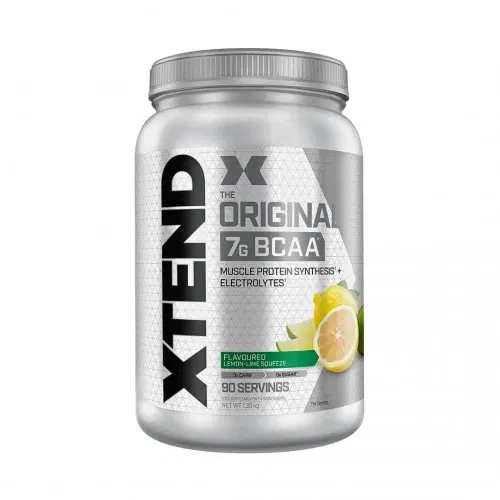
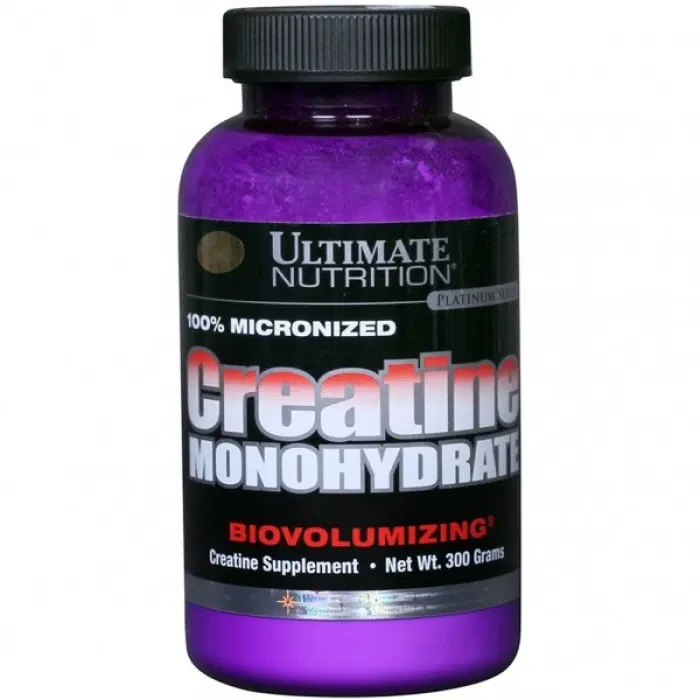
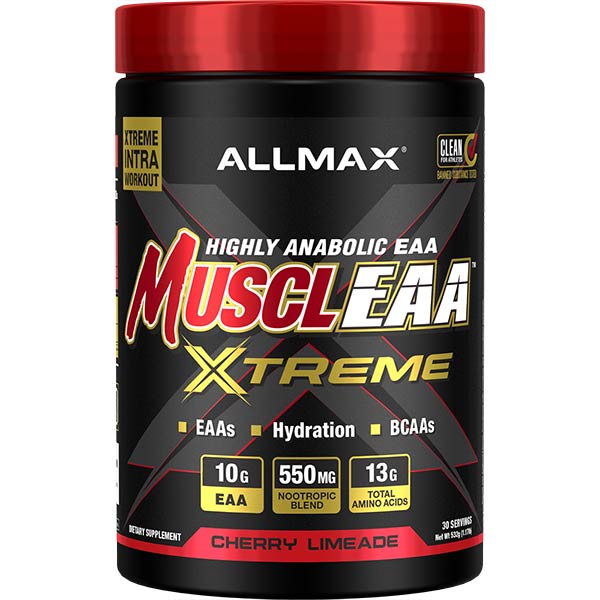
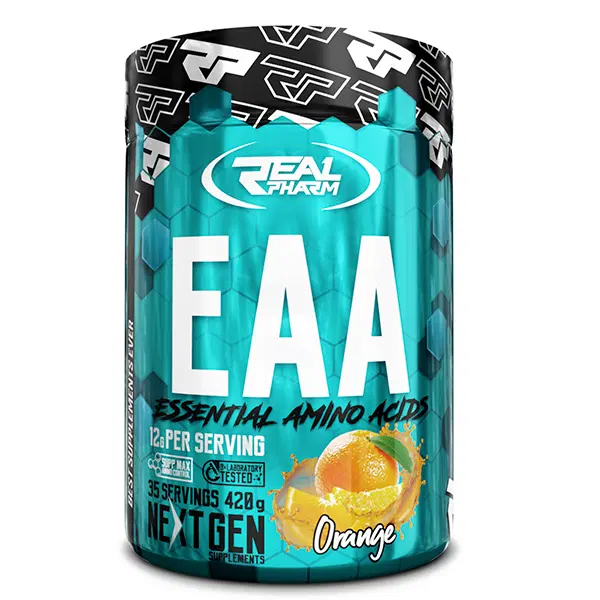
Recommended products
Frequently asked questions
What is the main benefit of cardio workouts, besides calorie burning?
Cardio workouts improve the efficiency of the heart, lungs, and circulation, increasing aerobic capacity. This leads to better endurance in daily life and faster recovery between strength exercises.
Which is more suitable for beginners: HIIT or LISS?
LISS (Low-Intensity Steady State) cardio is more suitable for beginners as it builds an aerobic base with minimal stress on the body. HIIT (High-Intensity Interval Training) is more demanding and should be practiced in moderation.
Can cardio workouts hinder muscle growth?
Yes, if not programmed correctly, cardio workouts can negatively impact muscle growth (interference effect). The key is to separate cardio and strength training sessions by at least 6-8 hours.
How often is it recommended to do HIIT workouts?
HIIT workouts should be done in moderation, typically 1-2 times per week. They are very effective but place a significant load on the body.