Macro-nutrient Guide: Proteins, Carbohydrates, and Fats in Detail
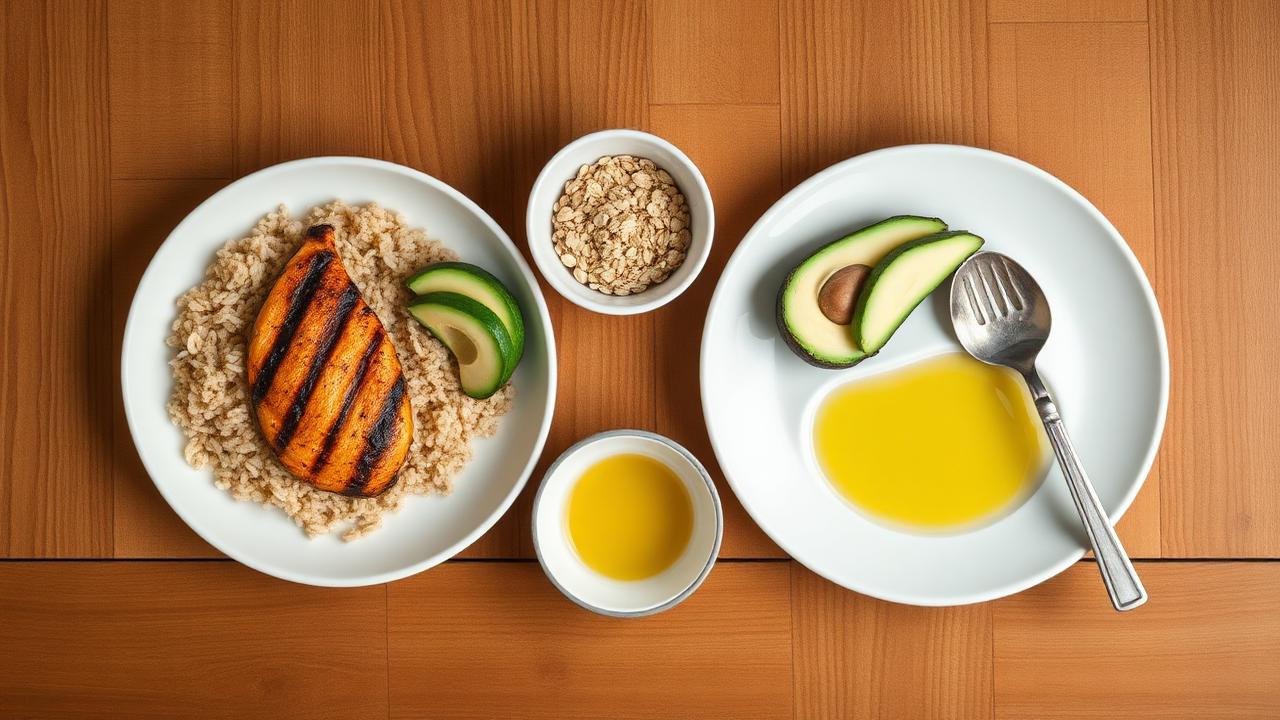
Macros — functions, dosages, distribution, quality of sources
Macronutrients are the three main nutritional components—proteins, carbohydrates, and fats—that provide energy and building blocks for the body in large quantities.
What Exactly Are Macronutrients and Why Are They "Macro"?

To function, the human body needs energy and building materials. These resources come from the food we consume and are divided into two main groups: macro- and micronutrients. The name "macro" (from Greek "large") comes from the fact that our body needs them in large quantities – we measure them in grams. These are proteins, carbohydrates, and fats. Each provides energy, measured in calories (kcal), but also performs specific, indispensable functions. Proteins and carbohydrates provide about 4 kcal per gram, while fats are more caloric – about 9 kcal per gram. The fourth component that provides calories (7 kcal/g) is alcohol, but it is considered "empty calories" as it offers no nutritional value.
Understanding these basics is the foundation of any successful nutrition strategy. I often see people focusing solely on total calorie intake without paying attention to macronutrient distribution. This is a classic recipe for failure. You can lose weight consuming 1800 kcal solely from sugar and processed fats, but you will lose muscle mass, feel sluggish, and harm your hormonal balance. Conversely, 1800 kcal from quality proteins, complex carbohydrates, and healthy fats will support fat burning, muscle preservation, and provide you with stable energy throughout the day. In my opinion, beginners should first learn to identify macronutrients in their food, and only then start counting calories.
Proteins: The Building Blocks of Life
Proteins are complex molecules built from amino acids – the "bricks" that build and repair almost everything in our body. They are a primary component of muscles, bones, skin, hair, as well as enzymes and hormones that regulate metabolism. Of the 20 amino acids the body uses, 9 are "indispensable" (essential). This means the body cannot produce them on its own and must obtain them through food. Complete protein sources, such as meat, fish, eggs, and dairy products, contain all 9 essential amino acids in optimal ratios. Plant-based sources (legumes, nuts, seeds) are often incomplete, meaning they lack one or more essential amino acids, which is why vegans and vegetarians must carefully combine different sources (e.g., rice with beans) to ensure a complete amino acid profile.
The primary function of protein in the context of sports nutrition is Muscle Protein Synthesis (MPS) – the process of repairing and building new muscle tissue after training. Without adequate protein intake, the body enters a catabolic state, where it breaks down muscle tissue for energy, especially during a calorie deficit. Furthermore, protein has the highest thermic effect of food (TEF) – about 20-30% of its calories are burned just for digestion and absorption, compared to 5-10% for carbohydrates and 0-3% for fats. This, combined with its strong satiating effect, makes it a key macronutrient for weight loss diets. Neglecting it leads to loss of valuable lean mass, slowed metabolism, and constant hunger.
How to Calculate Your Protein Needs?
Protein needs are highly individual and vary drastically. Official recommendations for the average sedentary person are around 0.8 grams per kilogram of body weight (g/kg). For a 70 kg office worker, this is about 56 grams of protein per day. In my opinion, this is the absolute minimum to prevent deficiency, not the optimal dose for good health and body composition. When we talk about active people and athletes, the numbers change significantly. From my experience as a former competitor and current nutritionist, I know that adequate protein intake is the difference between progress and stagnation.
For individuals who train regularly (3-5 times a week) with the goal of maintaining fitness or gaining muscle mass, the recommended intake is in the range of 1.6–2.2 g/kg. For an 80 kg male who strength trains, this means between 128 and 176 grams of protein daily. During a calorie deficit for weight loss, needs even increase, reaching up to 2.2–2.7 g/kg to protect muscle mass from breakdown. I often see the mistake of people reducing protein when dieting, when in fact they should do the opposite. For elite athletes, especially in strength sports, intake can reach 3.0 g/kg during certain periods. It's important for this intake to be evenly distributed throughout the day in 3-5 servings of 20-40 grams to optimize muscle protein synthesis.
🔬 From Practice
A few years ago, I worked with a young and very talented wrestler, competing in the up to 74 kg category. The kid was extremely disciplined, followed a "clean diet" – chicken breast, broccoli, rice – but constantly complained about a lack of energy on the mat, especially in the second and third rounds of matches. "I feel flat, coach, I lack explosiveness," he'd tell me. After analyzing his log, the problem became clear: although total calories and protein were adequate, he consumed almost all his carbohydrates at dinner, fearing "getting fat" during the day. His pre-workout intake was just a protein shake. This was a huge mistake. I explained to him that carbohydrates are the primary fuel for high-intensity anaerobic sports like wrestling. We changed only one thing: we added 100 grams of oatmeal with a banana about 90 minutes before training and 60 grams of fast carbs (dextrose) in his shake immediately after. The result was almost immediate. By the following week, he reported having "fuel for the whole training session" and feeling much stronger. This case perfectly illustrates that not only what you eat, but also when you eat it, is critically important for athletic performance.
Carbohydrates: The Primary Energy Source
Carbohydrates are the body's primary and preferred energy source, especially for the brain and central nervous system, as well as for muscles during high-intensity exercise. They are broken down into glucose, which is either used immediately for energy or stored as glycogen in the muscles and liver for future use. They are divided into two main groups: simple (mono- and disaccharides) and complex (polysaccharides). Simple carbohydrates, such as sugar, honey, fruits, and white flour, are absorbed quickly, causing a sharp rise in blood sugar and insulin, and providing a rapid energy boost. Complex carbohydrates, such as oats, whole-grain bread, brown rice, potatoes, and legumes, are absorbed more slowly, providing a smooth and sustained release of energy.
In recent years, carbohydrates have been unfairly demonized, largely due to the popularity of low-carb and ketogenic diets. The truth is, the problem isn't with carbohydrates in general, but with the excessive consumption of refined, simple carbohydrates and sugar, combined with a sedentary lifestyle. For an active person, especially an athlete, carbohydrates are absolutely indispensable. Muscle glycogen is a limiting factor for performance during prolonged or intense exercise. I often see athletes, misled by popular diets, drastically reducing their carbs, and this immediately affects their performance – lack of strength, endurance, and focus. The key is in choosing the right type and amount of carbohydrates according to the level of activity.
Carbohydrate Distribution and Timing
Unlike protein, whose intake should be relatively constant, carbohydrate intake should be strategically distributed around physical activity. Needs vary significantly: from 1-2 g/kg for very sedentary individuals to 8-12 g/kg for elite endurance athletes. For most trainees aiming for fitness and good body composition, the range of 2-5 g/kg is perfectly adequate. For example, an 80 kg male training 4-5 times a week might need 160 to 400 grams of carbohydrates daily.
Timing is crucial. Consuming complex carbohydrates 1-3 hours before training provides "fueling" of glycogen stores and stable energy. Consuming simple carbohydrates immediately before or during a long workout (over 90 minutes) can maintain blood sugar levels and delay fatigue. The "anabolic window" after training, although wider than previously thought, is still an important time for recovery. A combination of fast-digesting carbohydrates (around 0.8-1.2 g/kg) and protein (20-40 grams) within 1-2 hours after training accelerates muscle glycogen replenishment and stimulates muscle growth. In my opinion, the biggest mistake people make is consuming the majority of their carbohydrates in the evening, far from the most active part of the day when the body needs them least.
⚠️ Common Mistakes
- Demonizing an entire macronutrient: Avoiding all fats for fear of gaining weight or all carbohydrates due to keto trends. This leads to nutritional deficiencies and hormonal imbalance.
- Focusing only on protein: Many fitness enthusiasts overdo protein (above 3.5 g/kg) at the expense of carbohydrates and fats, leaving the body without primary fuel and harming hormonal health.
- Poor quality of sources: Being "in macros" with protein from hot dogs, carbs from waffles, and fats from margarine is technically correct, but metabolically and health-wise – disastrous.
- Incorrect timing: Consuming large amounts of fat immediately before training (slows digestion) or avoiding carbohydrates after intense exercise (harms recovery).
- Blindly copying others' plans: Adopting the macros of a 120 kg professional bodybuilder when you are a 60 kg woman training for enjoyment is a recipe for failure.
Fats: The Misunderstood but Vital Macronutrient
Fats, like carbohydrates, were long considered "enemy number one." The era of "low-fat" products in the 80s and 90s caused immense damage to public health, as manufacturers replaced fats with sugar and refined carbohydrates. Today, we know that fats are absolutely vital. They are the most concentrated source of energy, but their primary role is structural and regulatory. Fats are a component of every cell membrane in the body, necessary for the absorption of fat-soluble vitamins (A, D, E, K), and are precursors for the production of key hormones, including testosterone and estrogen. Personally, I have seen many female athletes who, in their pursuit of being maximally "lean," lowered their fat intake below 15% of their calories, leading to the cessation of their menstrual cycle (amenorrhea) – a clear sign of serious hormonal breakdown.
Fats are divided into several types. Saturated fats (animal products, coconut oil) should be consumed in moderation (under 10% of total calories). Trans fats (hydrogenated vegetable oils in processed foods) should be avoided completely. The key to health lies in unsaturated fats: monounsaturated (olive oil, avocado, nuts) and polyunsaturated. Polyunsaturated fats include two essential fatty acids that the body cannot produce: omega-6 (in most vegetable oils, nuts) and omega-3 (fatty fish, flaxseed, chia). The problem in the modern diet is a huge imbalance – we consume too much omega-6 (pro-inflammatory) and too little omega-3 (anti-inflammatory). The ideal ratio is around 4:1 to 1:1, and in reality, it's often 20:1. Therefore, I recommend all my clients consume fatty fish (salmon, mackerel) 2-3 times a week or supplement with quality fish oil (1-3 grams of EPA/DHA daily).
Quality Over Quantity: Comparative Source Table
Getting the required grams of macronutrients is only half the battle. The quality of the sources is what determines how your body will respond. 100 grams of carbohydrates from candy cause a completely different hormonal response than 100 grams of carbohydrates from quinoa. Focusing on whole, minimally processed foods is the best strategy.
| Macronutrient | High-Quality Sources | Low-Quality Sources | Key Benefits/Risks |
|---|---|---|---|
| Protein | Chicken/turkey breast, fish, eggs, lean beef, skyr, cottage cheese, legumes, tofu | Processed meats (hot dogs, salami), fried meats, sugary protein desserts | Benefits: Complete amino acid profile, vitamins, minerals. Risks: Saturated fats, nitrates, empty calories. |
| Carbohydrates | Oats, brown rice, quinoa, sweet potatoes, whole-grain bread, fruits, vegetables | White bread, sugary snacks, chips, sweetened beverages, pastries | Benefits: Fiber, vitamins, minerals, stable energy. Risks: Sharp insulin spikes, lack of nutrients. |
| Fats | Avocado, olive oil, nuts, seeds (chia, flax), fatty fish (salmon), egg yolks | Hydrogenated oils (margarine), palm oil, processed vegetable fats, fried foods | Benefits: Omega-3, hormone support, anti-inflammatory effects. Risks: Trans fats, inflammation. |
Creating a Personal Plan: Balance is Key
Creating a personal macronutrient plan involves several steps. First, you need to determine your total daily energy expenditure (TDEE). This can be done with online calculators that take into account your basal metabolic rate (BMR), activity level, age, sex, and weight. Once you have your TDEE, you need to set your goal. For weight loss, create a calorie deficit of 15-25% (e.g., if TDEE is 2500 kcal, consume around 2000-2125 kcal). For muscle gain, create a moderate surplus of 10-20% (2750-3000 kcal). For maintenance, consume calories equal to TDEE.
Once you have your target calorie intake, it's time for macronutrient distribution. A good starting distribution for most people is 40% carbohydrates, 30% protein, and 30% fats. Let's use the example of 2000 kcal for weight loss:
- Protein: 30% of 2000 kcal = 600 kcal. Since protein has 4 kcal/g, that's 600 / 4 = 150 grams of protein.
- Fats: 30% of 2000 kcal = 600 kcal. Since fats have 9 kcal/g, that's 600 / 9 = 67 grams of fat.
- Carbohydrates: 40% of 2000 kcal = 800 kcal. Since carbohydrates have 4 kcal/g, that's 800 / 4 = 200 grams of carbohydrates.
These numbers are just a starting point. The most important thing is to monitor your progress (weight, measurements, energy levels, gym performance) for 2-4 weeks and make adjustments. If you're not losing weight, you might slightly reduce carbohydrates or fats. If you feel sluggish during workouts, you might need more carbohydrates. In my opinion, the best plan is one you can stick to long-term. Extreme ratios (like a keto diet with 5% carbs) might work short-term for some, but they are very difficult to maintain and often lead to a "yo-yo" effect.
Frequently Asked Questions
Is it possible to build muscle mass on a plant-based diet?
Absolutely, but it requires more planning. You need to ensure adequate total protein intake (1.6-2.2 g/kg) and combine various sources (e.g., beans with rice, quinoa with lentils, tofu, seitan) throughout the day to get all essential amino acids. Supplementing with plant-based protein powder is also an effective option.
How important is post-workout nutrition?
The "anabolic window" is not as short as previously thought (30 minutes). You have several hours after training to refuel. However, consuming protein and carbohydrates within 1-2 hours post-exercise is an optimal strategy to accelerate recovery and muscle glycogen replenishment, especially if you train again within the next 24 hours.
Should I be afraid of fruits because of the sugar (fructose)?
No. Although fruits contain fructose, it comes in a "package" with fiber, water, vitamins, and antioxidants. Fiber slows down sugar absorption and prevents sharp blood sugar spikes. The problem is with added fructose in syrups and processed foods, not with 2-3 servings of whole fruits per day.
Which is more important: hitting calories or macros?
Both are important, but they have different roles. Total calories determine whether you gain, lose, or maintain weight. Macronutrient distribution determines what that change will be composed of – muscle or fat. For weight loss, it's crucial to be in a calorie deficit, but a high protein intake within that deficit will ensure you lose primarily fat, not muscle.
Do fats really "stick" at night?
This is a myth. Your body doesn't have a clock that starts turning everything into fat after 6 PM. Total 24-hour calorie balance is what matters for weight change. However, consuming heavy, fatty food late at night can disrupt sleep quality and digestion, which can indirectly affect metabolism and recovery.
🔍 In Depth
- Protein for Weight Loss: How Much Is Really Enough
- Animal vs. Plant Proteins: Bioavailability and Amino Acid Software
- Butter vs. Margarine: The Evolution of Fats and the Battle for Arteries
- Omega-3 vs. Omega-6: Seeking the Lost Balance
- Dates vs. Raisins: Carbohydrate Logistics and Oxygenation
- Honey vs. Maple Syrup: Carbohydrate Kinetics and Electrolyte Charge
- Starch vs. Fiber: Energy Kinetics and Glycemic Control
Recommended products


Frequently asked questions
What is the main function of proteins and why are they important for those who train?
Proteins are the building material for muscles, tissues, and many other bodily processes. For those who train, they are key for recovery and building muscle mass after exertion.
What does "macro" mean in macronutrients and what are they?
"Macro" comes from the Greek word for "large," as the body needs these nutrients in large quantities. They are in three main groups: proteins, carbohydrates, and fats.
Is only the total number of calories important, or is the distribution of macronutrients also important?
The distribution of macronutrients is just as important as the total calorie intake. Consuming quality macros supports achieving goals like fat loss and muscle preservation, unlike empty calories.
Why does the quality of the protein source matter?
Quality affects the amino acid profile and digestibility. For example, 20 grams of protein from fish provide the full spectrum of essential amino acids, while the same amount from processed sausage may not be as effective.