Weight Loss and Recomposition Guide: Losing Fat Without Losing Muscle

Fat loss while maintaining/gaining muscle — deficit, protein, strength training, cardio
Short answer: Body recomposition is the process of simultaneously losing fat and preserving/building muscle mass through a moderate calorie deficit and strength training. Key elements include a daily deficit of 300-500 calories, adequate protein intake (1.8-2.7 g/kg body weight), and maintaining strength through progressive overload in training.
Body recomposition is the process of simultaneously losing body fat and preserving or building muscle mass through a strategic calorie deficit and strength training.

What Calorie Deficit Is Needed to Avoid Muscle Loss?
Body recomposition is a weight loss method where you burn fat while preserving or even building muscle through moderate calorie restriction and weight training.
📖 Body Recomposition
Body recomposition is the process of simultaneously reducing body fat and preserving or increasing muscle mass through a controlled calorie deficit and targeted strength training.
Every successful weight loss strategy begins and ends with a calorie deficit – consuming fewer calories than your body expends. Without this condition, the body has no reason to tap into its stored fat for energy. The question isn't *whether* you need a deficit, but *how large* it should be. This is where the key to preserving muscle mass lies. Aggressive deficits, often exceeding 700-1000 calories daily, force the body to seek energy from stored fat, in addition to drawing from the reserves of amino acid breakdown (gluconeogenesis) from muscle tissue. This is counterproductive – you lose metabolically active tissue, which slows your metabolism and makes future weight maintenance more difficult.
In my opinion, the sweet spot is a moderate, controlled deficit of about 15–20% below your Total Daily Energy Expenditure (TDEE). For most people, this equates to a deficit of 300 to 500 calories per day. This approach leads to sustainable weight loss of about 0.5% to 1% of total body weight per week. For example, for a 90kg man, this means losing 450 to 900 grams per week. This rate is slow enough for the body to adapt and primarily use fat for fuel, rather than tapping into valuable muscle mass. TDEE can be calculated using online calculators, but they are just a starting point. The reality becomes clear after 2 weeks of tracking – if your weight isn't changing, reduce your calories by 250-300 and monitor.
I often see clients come to me discouraged after trying extreme diets of 1200 calories. Initially, the scale moves down quickly, but this is mostly water and muscle mass. Soon after, their energy crashes, strength in the gym disappears, and hunger becomes unbearable. This inevitably leads to overeating, erasing all the "progress," and often resulting in a higher body fat percentage than before. A practical example of a sustainable approach: if your maintenance calories are 2800, start with an intake of 2300-2400 calories. Track your average weekly weight. If it drops by about 0.5 kg, you're on the right track. If not, make a small adjustment of 100-200 calories down.
Why Protein Is Your Best Friend for Muscle Preservation?
Protein is a key macronutrient essential for building and maintaining muscle mass, especially during a calorie deficit when the body is prone to using muscle for energy.
- Simultaneous muscle building and fat burning
- Improved muscle definition and overall physique
- Increased metabolism by preserving muscle mass
- More sustainable and long-term results without the yo-yo effect
Disadvantages
- Slow process, requires patience and consistency
- Requires strict tracking of calories and macronutrients
- Potential drop in energy and strength during deficit
- Not suitable for individuals with very high body fat percentage or complete beginners
If a calorie deficit is the king of weight loss, then protein is the queen who guards the kingdom (your muscles). During a diet, the body's need for protein increases. Why? Because the body is in a catabolic state (breakdown state), and in the absence of sufficient amino acids from food, it will obtain them from muscles. Adequate protein intake provides the building blocks needed to repair and maintain muscle tissue, even when you're in an energy deficit. Furthermore, protein has the highest thermic effect of food (TEF) – about 20-30% of its calories are burned just during digestion. It is also the most satiating macronutrient, which is an invaluable weapon against hunger during a diet.
How much protein is enough? Scientific data and my practice point to a range of 1.8 to 2.7 grams per kilogram of body weight. The lower limit (1.8 g/kg) is the absolute minimum for an active person in a deficit. The upper limit (2.7 g/kg) can be beneficial with larger deficits or for individuals with already low body fat percentage who want to preserve every gram of muscle. For an 85kg man, this means an intake between 153 and 230 grams of protein daily. For a 65kg woman, the target is between 117 and 175 grams. These figures may seem high, but they are entirely achievable with proper planning.
I often see people who think they eat "a lot of protein," but when we calculate, it turns out their intake is around 1.2 g/kg, which is insufficient for recomposition. Another mistake is consuming all the protein in one or two large meals. In my opinion, it's much more effective to distribute intake evenly throughout the day – for example, 4-5 servings of 30-40 grams of protein each. This keeps muscle protein synthesis (the process of building muscle) elevated throughout the day. A practical example: breakfast with 3 eggs and 50g cheese (about 30g protein), lunch with 150g chicken breast (about 45g protein), afternoon snack with a scoop of whey protein (25g protein), and dinner with 150g salmon (about 30g protein). That's already 130 grams, easily supplemented by other sources.
What Is the Role of Strength Training in Muscle Preservation?
Strength training provides a powerful signal to muscle fibers that they are absolutely necessary, forcing the body to preserve and even strengthen this tissue under calorie deficit conditions, thereby drawing energy almost entirely from fat stores.
The key principle here is progressive overload. This doesn't necessarily mean lifting heavier weights every workout, especially in a deficit. The goal is to strive to maintain your strength for as long as possible. If you were squatting 100 kg for 6 reps before the diet, your number one goal is to continue squatting 100 kg for 5-6 reps for as long as possible. Even if the reps drop to 4, it's still a powerful stimulus. Progress can also be in the form of more sets, better technique, or less rest between sets. In my opinion, the best rep range for major compound exercises (squats, deadlifts, bench press, overhead presses, rows) is 5–10 repetitions. This provides a good balance between mechanical tension and metabolic stress.
I often see people make a cardinal mistake as soon as they start "cutting." They abandon heavy compound exercises and switch to light weights for "high reps for definition" (15-20+). This is the wrong signal. With it, you tell your body: "I no longer need the strength to lift 100 kg; I need muscles that are durable for lifting 40 kg." And the body adapts by reducing muscle mass that is not needed. The training program should be based on 3 to 5 strength training sessions per week, focusing on compound movements that engage the most muscle groups.
From Practice
I worked with a client, Maria, a 34-year-old woman who wanted to "tone up." She trained 5 times a week, doing mostly circuit training with light dumbbells (3-5 kg) and a lot of cardio. She ate about 1400 calories and was constantly tired and hungry, with minimal results. We completely changed the approach. We increased her calories to 1800, raising her protein to 130 grams. We reduced her training to 3 full-body strength sessions per week, focusing on barbell squats, deadlifts, bench press, and rows, with a weight that allowed her to perform 6-8 quality repetitions. Cardio was reduced to 2 sessions of 30 minutes of incline walking. After 12 weeks, Maria had lost 4 kg, but her waist circumference had decreased by 6 cm, and her strength on the main exercises had increased by over 30%. She looked and felt more athletic than ever, even though the scale didn't show a drastic change.
What Is the Role of Cardio in Fat Loss and Recomposition?
Cardio is a useful tool in the process of fat loss and recomposition, serving as a means to increase calorie expenditure and facilitate achieving a calorie deficit without needing to excessively reduce food intake.
There are two main types of cardio you can use: Low-Intensity Steady State (LISS) and High-Intensity Interval Training (HIIT). LISS involves activities like brisk walking (especially on an incline on a treadmill), cycling at a moderate pace, or using an elliptical trainer for a longer duration (30–60 minutes). HIIT involves short, explosive intervals of maximum effort (e.g., sprints for 20-30 seconds) followed by longer periods of active recovery (e.g., walking for 60-90 seconds), with the entire session lasting 15-20 minutes. In my opinion, for recomposition goals, LISS is the better choice for most people. It is less taxing on the central nervous system, does not interfere with recovery from strength training, and can be done more frequently. HIIT is effective, but too much HIIT (more than 1-2 times per week) can impair your gym performance and increase cortisol levels.
I often see trainees spend an hour on the treadmill before starting their strength training. This is one of the biggest mistakes. By doing so, they deplete their glycogen stores (muscle fuel) before even touching a barbell. The result? Poorer performance, lighter weights, and a less effective stimulus for muscle preservation. The correct order is always: strength training first, then cardio, or on separate days. Start without cardio. When weight loss slows down, add 2-3 LISS sessions of 30 minutes per week. If you hit another plateau, increase the duration to 45 minutes or add another session. Cardio is simply a lever you pull when necessary.
What Is the Role of Carbohydrates and Fats in Training and Hormones?
Carbohydrates and fats are the fuel that powers your workouts and regulates hormonal balance, with the remaining calories after protein intake needing to be allocated between them.
Fats are also critically important. They are a major component of cell membranes and are necessary for the production of key hormones, including testosterone, which plays a significant role in maintaining muscle mass. An excessively low fat intake (below 20% of total calories) can lead to hormonal imbalances, libido issues, and impaired overall health. A good starting point is to aim for a fat intake of about 0.8 to 1.2 grams per kilogram of body weight. For example, for an 80kg person, this is 64-96 grams of fat per day. Once you've determined your protein and fat intake, the remaining calories are simply filled with carbohydrates.
A practical example of allocation: a 90kg man aiming for 2400 calories. 1. Protein: 90 kg * 2.2 g/kg = 198 g protein (approx. 200 g). 200 g * 4 kcal/g = 800 kcal. 2. Fat: 90 kg * 0.9 g/kg = 81 g fat (approx. 80 g). 80 g * 9 kcal/g = 720 kcal. 3. Carbohydrates: 2400 kcal (total) - 800 kcal (protein) - 720 kcal (fat) = 880 kcal. 880 kcal / 4 kcal/g = 220 g carbohydrates. In my opinion, it is strategically sound to concentrate the majority of your carbohydrates in the pre- and post-workout meals. This will provide maximum energy for the session itself and aid in recovery afterward.
Common Mistakes
- Excessive Calorie Deficit: Aiming to lose more than 1% of your body weight per week almost guarantees muscle loss, unless you have a very high body fat percentage.
- Insufficient Protein Intake: Consuming less than 1.8 g/kg of protein during a diet leaves your muscles unprotected and vulnerable to breakdown.
- Replacing Strength Training with "Weight Cardio": Abandoning heavy compound exercises for light weights and high reps signals the body to shed "unnecessary" muscle mass.
- Overdoing Cardio: Using cardio as the primary driver of weight loss, rather than a supplementary tool, leads to overtraining, elevated cortisol, and hinders recovery.
Which Is Better: Aggressive Fat Loss or Recomposition?
Aggressive fat loss is a strategy for rapid weight reduction, while body recomposition is an approach focused on simultaneously burning fat and building muscle mass, aiming for an improved final physique and sustainable results.
| Parameter | Aggressive Fat Loss ("Cut") | Body Recomposition |
|---|---|---|
| Primary Goal | Maximum rapid weight loss | Fat loss while preserving/gaining muscle |
| Calorie Deficit | Large (25-30%+, >700 kcal) | Moderate (15-20%, 300-500 kcal) |
| Rate of Weight Loss | ~1-1.5% of body weight per week | ~0.5-0.7% of body weight per week |
| Training Priority | Maintain strength, high volume cardio | Progressive overload, maintain strength, cardio is secondary |
| Risk of Muscle Loss | High | Low to moderate |
| Best Suited For | Individuals with high body fat %; short, focused phases | Beginners; "normal weight skinny fat" individuals; long-term approach |
How Do Sleep and Stress Affect Recomposition?
Sleep and stress management are crucial factors for body recomposition, as chronic stress or insufficient sleep increases levels of the hormone cortisol, which leads to muscle tissue breakdown, fat accumulation (especially in the abdominal area), and increased cravings for high-calorie foods.
Sleep deprivation is one of the biggest forms of stress for the body. Lack of quality sleep (under 7 hours per night for most adults) negatively affects key appetite-regulating hormones – it reduces leptin levels (satiety hormone) and increases ghrelin levels (hunger hormone). This explains why after a sleepless night, you have an irresistible urge for sweets and fatty foods. Furthermore, sleep is the time when the body recovers from workouts and produces growth hormone, which is crucial for maintaining muscle mass. Aim for 7-9 hours of quality sleep per night. Establish a pre-sleep ritual: avoid screens an hour before bed, ensure a dark and cool room, and try to go to bed and wake up around the same time each day.
I often see clients hit a plateau, and their first thought is to reduce calories further or increase cardio. When I ask about their lifestyle, it often turns out they sleep 5-6 hours a night and are under immense stress. In my opinion, in such cases, the best strategy is not to "push" harder, but to take a step back. Sometimes adding an extra hour of sleep per night or incorporating 10 minutes of daily meditation can make a bigger difference for fat loss than another 30 minutes on the treadmill. Do not underestimate these "soft" factors – they are the foundation upon which everything else is built.
Measuring Progress: What Really Matters?
When the goal is body recomposition, the scale can be your worst enemy. It measures your total body mass, not the ratio between muscle and fat. It's possible to lose fat and gain muscle simultaneously (especially if you're a beginner), in which case your weight may stay the same or even increase slightly. Looking only at the scale in this situation would be discouraging and might make you give up, thinking you're achieving nothing. Therefore, it is critical to use smarter methods for tracking progress.
The best and most objective set of tools for measurement includes a combination of several things. First, take photos in the same pose and under the same lighting every 4 weeks. Visual changes are often much more dramatic than the numbers suggest. Second, use a measuring tape to record your circumference measurements – waist, hips, chest, thighs, arms. A decreasing waist circumference with a stable or increasing chest/arm circumference is a sure sign of successful recomposition. Third, keep a training log. If your strength on key exercises is maintained or slightly increasing while your weight is slowly decreasing, it's almost a guarantee that you are losing fat and preserving muscle.
In my opinion, weighing yourself on the scale still has its place, but it needs to be done correctly. Weigh yourself every morning, after using the restroom, and before eating or drinking anything. Record the values and calculate the average at the end of the week. Compare the average weekly values, not the daily ones. Daily weight can fluctuate by 1-2 kg due to water retention, gut content, etc. Focusing on daily fluctuations is a recipe for unnecessary stress. The combination of a slowly decreasing average weekly weight, smaller circumference measurements, better photos, and stable strength in the gym is the holy grail of tracking recomposition.
Is it possible to gain muscle and lose fat simultaneously?
Yes, this process, called body recomposition, is entirely possible, especially for three groups of people: beginners in strength training, individuals with a high body fat percentage, and those returning to training after a long break. For advanced athletes with low body fat percentage, this process is much more difficult, and it is usually more effective to alternate periods of "bulking" and "cutting."
How fast should I lose weight to avoid losing muscle?
A sustainable and safe rate of weight loss that minimizes the risk of muscle loss is between 0.5% and 1% of your total body weight per week. For example, for a 100kg person, this means losing between 0.5 and 1 kg per week. Anything faster than this significantly increases the likelihood of the body breaking down muscle tissue for energy.
Should I have "refeed" days or "cheat" days?
In my opinion, planned "refeed" days are a better tool than chaotic "cheat" days. A refeed day involves a planned increase in calories to maintenance levels (or slightly above), with most of the extra calories coming from carbohydrates. Done once every 7-14 days, it can help temporarily boost leptin hormone levels, speed up metabolism, and provide a psychological break from dieting.
Do I need supplements for recomposition?
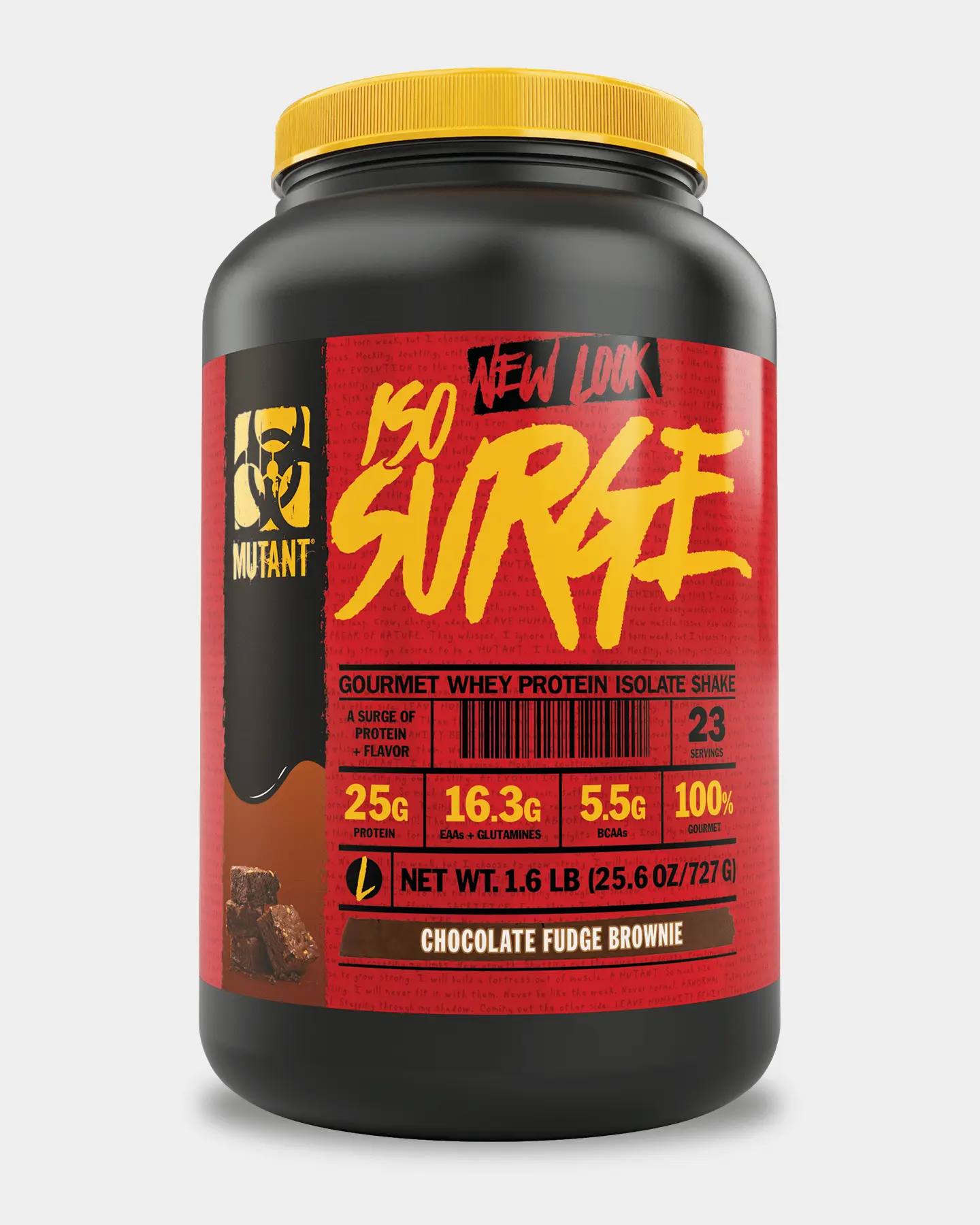
No, they are not mandatory, but some can be beneficial. Whey protein is a convenient and cost-effective way to get your required protein. Creatine monohydrate (5 grams daily) is the most researched supplement proven to help maintain strength and muscle mass during a deficit by drawing water into muscle cells.
What should I do if my weight stops dropping (hits a plateau)?
First, ensure you are truly in a plateau (weight and measurements haven't changed for 2-3 weeks). Then, you have a few options: make a slight calorie reduction (100-150 kcal), add a bit more activity (e.g., one more cardio session or 2000 extra steps daily), or take a planned diet break for 1-2 weeks, eating at maintenance calories to give your metabolism and hormones a "reset."
Remember: Body recomposition requires a moderate calorie deficit, high protein intake, and intensified strength training to simultaneously burn fat and preserve muscle mass.
See more in the fitness guides of Sport Zona Academy.
Expert Note from Sport Zona
From my experience with Bulgarian athletes, success in body recomposition is not linear. Most often, I see that consistency and patience are key, even when results are not visible day-to-day. And most importantly – listen to your body and adapt your approach when needed.
See more in the fitness guides of Sport Zona Academy.
Recommended products

Frequently asked questions
What calorie deficit is most suitable for weight loss without muscle loss?
A moderate calorie deficit of around 15-20% below your maintenance calories is recommended, which is typically between 300-500 kcal daily. Too large a deficit can lead to muscle tissue breakdown.
How much protein should I consume to maintain muscle mass while dieting?
The target protein intake during a calorie deficit is between 1.8 and 2.7 grams per kilogram of body weight. This helps with muscle recovery and preservation.
What role does strength training play in the recomposition process?
Strength training with progressive overload is key because it provides the stimulus for the body to retain muscle mass, even when in a calorie deficit. It directs energy towards muscles rather than fat stores.
How do I know if I've chosen the right calorie deficit?
Monitor your weight for about two weeks. If you are losing around 0.5% to 1% of your body weight weekly, you are on the right track. If there's no change, make a slight downward adjustment to your calories.