Sports Nutrition Guide: Food and Supplements for Active People

Training nutrition, pre/intra/post workout, supplements, timing windows
Sports nutrition is the purposeful use of food and supplements to optimize training adaptation, recovery, and the athlete's overall performance.
Macronutrients: Fuel, Building Blocks, and Regulation
💬 Simply put: Sports nutrition is a way of eating smartly to train better, recover faster, and achieve better results in your sport.
📖 Sports Nutrition
Sports nutrition is the purposeful use of food and nutritional supplements to optimize training adaptation, recovery, and athletic performance.

As an athlete, your body isn't just a body – it's a machine that requires specific fuel. The foundation of sports nutrition lies in macronutrients: carbohydrates, proteins, and fats. Understanding their role is the first and most crucial step. I often see athletes focusing solely on protein, completely neglecting the energy role of carbohydrates. This is a recipe for weak workouts, slow recovery, and plateaued results. For an 80kg athlete training 4-5 times a week, daily intake should revolve around 4-6 grams of carbohydrates per kilogram of body weight (320-480g), 1.6-2.2 grams of protein/kg (128-176g), and the remainder of calories should come from quality fats (around 0.8-1g/kg).
Carbohydrates are the primary energy source for high-intensity activities. They are stored in muscles and the liver as glycogen. When you train, your body draws from these reserves. Depleting them leads to what we call "hitting the wall" – a sharp drop in energy, strength, and concentration. Therefore, adequate intake is critical. We divide them into two types: complex (oats, brown rice, sweet potatoes), which provide slow and sustained energy release, and simple (fruits, honey, sports drinks), which give a quick energy boost. The balance between them, especially around training, is key.
Proteins are the building blocks. Every workout causes micro-tears in muscle fibers. Protein supplies the amino acids needed to "repair" and strengthen these fibers, making them bigger and stronger – a process called muscle hypertrophy. Protein deficiency not only halts progress but can lead to muscle loss, as the body starts breaking down its own tissues for energy. In my opinion, for anyone training seriously, aiming for 1.8g/kg is a golden standard that ensures the recovery process is optimally supported. Sources like chicken, fish, eggs, dairy products, and whey protein are ideal.
Fats are often demonized, but they are vital for hormone production (including testosterone), absorption of fat-soluble vitamins (A, D, E, K), and maintaining cell health. The focus should be on unsaturated fats from avocados, nuts, seeds, olive oil, and fatty fish (salmon, mackerel). Saturated fats from meat and dairy shouldn't be avoided entirely but should be consumed in moderation. The only thing I recommend avoiding completely are trans fats. For athletes, fats should constitute about 20-30% of total caloric intake.
The Anabolic Window: Myth or Reality?
✅ Pros
- Optimizes training adaptation
- Improves post-exercise recovery
- Increases overall athletic performance
- Provides adequate energy for high-intensity activities
⚠️ Cons
- Over-focusing on protein at the expense of carbohydrates
- Incorrect pre-workout meal choices lead to discomfort
- The myth of a narrow anabolic window creates unnecessary stress
- Lack of knowledge about the role of macronutrients
For years, sports circles talked about the "anabolic window" – that magical 30-45 minute period after training when, if you didn't consume a protein shake, all your hard work would go to waste. This idea created a lot of unnecessary stress and panic in locker rooms. Recent scientific data shows that this window is much wider than previously thought. Yes, post-workout nutrition is extremely important, but you don't need to sprint to the shaker the moment you put down the last dumbbell. In my opinion, total daily protein and calorie intake is more important than frantically adhering to a 30-minute rule.
The reality is that muscle protein synthesis (the process of building muscle) remains elevated for up to 24-48 hours after a strenuous workout. Instead of a "window," it's more accurate to think of a "terrace" or "balcony." It's important to provide your body with a constant supply of amino acids throughout this period. The practical takeaway is that nutrition around training (pre- and post-workout) is more of a strategy spanning several hours. If you had a protein- and carbohydrate-rich meal 1-2 hours before training, the need for an immediate post-workout shake is reduced because amino acids from the pre-workout meal are still circulating in your blood.
Where does the role of a quick post-workout shake fit in? It remains an extremely convenient and effective tool, especially in certain scenarios. For example, if you train in the morning on an empty stomach, quickly digestible protein and carbohydrates afterward are absolutely essential to stop catabolic (breakdown) processes. The same applies if you have two training sessions in one day – quick refueling is critical for performance in the second session. For an 80kg athlete, a combination of 30-40 grams of whey protein and 50-80 grams of fast carbohydrates (e.g., from maltodextrin, dextrose, or even a couple of bananas) is an excellent strategy for a quick recovery start, but panicking if this happens 90 minutes after training instead of 30 is unfounded.
Pre-Workout Nutrition: Fueling for Maximum Power
Pre-workout nutrition has one primary goal: to fill glycogen stores and provide sufficient energy for the upcoming exertion without causing stomach discomfort. The wrong choice here can sabotage your entire workout. A classic mistake I see constantly is consuming heavy, fatty food too soon before training. Pizza, a doner kebab, or a greasy pastry 30 minutes before a 150kg squat is a sure way to spend more time in the restroom than under the bar. Fats and fiber slow down digestion, which can lead to heaviness, heartburn, and cramps.
The ideal pre-workout meal should be consumed 1.5 to 3 hours before physical activity. It should be rich in complex carbohydrates and contain a moderate amount of protein. For example, 150-200 grams of chicken breast with a large baked sweet potato (about 250-300g) is an excellent choice 2-3 hours before training. Another option is a large bowl of oatmeal (about 80-100g dry weight) with berries and a scoop of protein powder. This combination provides sustained energy release and amino acids that protect muscles from breakdown during exertion.
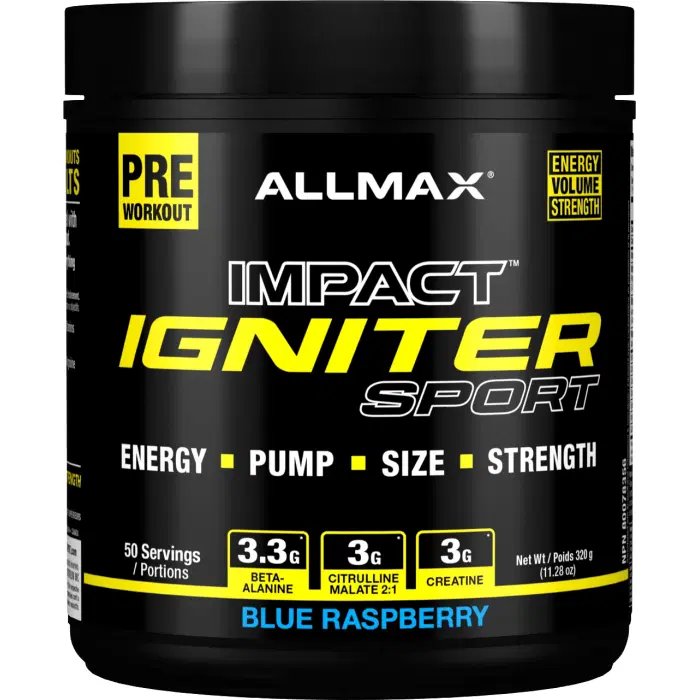
If time is tight and you only have 30-60 minutes before the gym, the strategy changes. Here, the focus is on easily digestible, simple carbohydrates and possibly a small amount of fast protein. The goal is to get quick energy without burdening the digestive system. A banana and a few rice cakes, a small handful of dried fruits (about 30-40g), or even a slice of white bread with honey work well. In my opinion, in this time frame, it's better to eat a little less rather than overeat. A slight feeling of hunger is preferable to heaviness in the stomach. For those looking for an extra boost, pre-workout supplements with caffeine (200-300mg) and citrulline malate (6-8g) can be very effective, taken 30 minutes before starting.
🔬 From Practice
I've worked with many wrestlers and judokas, where training sessions are long and extremely exhausting. One of my young trainees, a 74kg wrestler, constantly "checked out" in the last 30-40 minutes of his two-hour training. He lost explosiveness and concentration. We analyzed his nutrition – it turned out he only drank water during training. We made a simple change: we started dissolving 40 grams of maltodextrin (fast carbohydrate) and 10 grams of BCAAs (branched-chain amino acids) in his water bottle. The difference was noticeable by the second training session. He maintained a high pace until the very end and even managed to dominate in the final bouts. This shows how critical intra-workout nutrition can be during prolonged exertion.
Intra-Workout Nutrition: Maintaining Intensity
For most people doing a standard 60-minute gym workout, intra-workout nutrition is unnecessary. Water is perfectly sufficient. The situation changes drastically, however, when we talk about prolonged and intense activities exceeding 90 minutes – for example, marathon running, cycling, long competitive bouts in combat sports, or heavy, high-volume weight training. In these cases, glycogen stores begin to deplete, and blood sugar levels drop, leading to fatigue and a decline in performance. Here, intra-workout nutrition transforms from a luxury into a necessity.
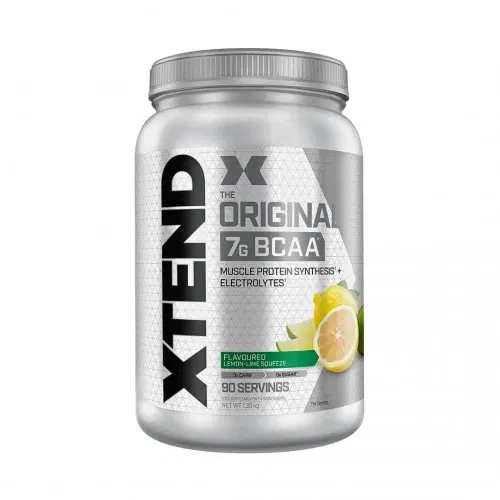
The goal is to deliver rapidly digestible carbohydrates and possibly amino acids to maintain energy levels and reduce muscle breakdown. The recommended intake is about 30-60 grams of carbohydrates for every hour after the first hour of training. The most practical way to achieve this is through liquids. Sports drinks containing a combination of glucose and fructose are very effective. You can also prepare your own drink by dissolving maltodextrin or dextrose in water. Adding 5-10 grams of essential amino acids (EAA) or branched-chain amino acids (BCAA) can further help preserve muscle mass and reduce fatigue, although in my opinion, if pre- and post-workout protein intake is adequate, the need for intra-workout amino acids decreases.
Electrolytes are also a key component, especially with heavy sweating. Through sweat, we lose water, as well as important minerals like sodium, potassium, and magnesium. Their deficiency can lead to muscle cramps and dehydration. Most commercial sports drinks contain electrolytes. Alternatively, you can add a pinch of salt (sodium) and some potassium citrate to your intra-workout drink. I often see endurance athletes relying solely on gels. They are a great source of concentrated carbohydrates, but it's critical to consume them with enough water to ensure proper absorption and avoid stomach discomfort.
Post-Workout Nutrition: Kickstarting Recovery
Post-workout nutrition has two main tasks: to replenish depleted glycogen stores and to deliver amino acids to initiate muscle repair. Immediately after a strenuous workout, your body is in a highly catabolic state and is extremely sensitive to nutrients, especially insulin. Carbohydrate intake stimulates insulin release, which is a powerful anabolic hormone that helps "shuttle" glucose and amino acids into muscle cells. This is why the combination of protein and carbohydrates is so effective.
For optimal results, the goal is to consume about 0.3-0.5 grams of protein per kilogram of body weight and 0.8-1.2 grams of carbohydrates per kilogram of body weight. For our 80kg athlete, this equates to about 24-40 grams of protein and 64-96 grams of carbohydrates. The classic whey protein shake (which provides about 25-30g of protein) with added maltodextrin or simply consumed with a couple of bananas is a quick and effective option. In my opinion, whey isolate is a slightly better choice immediately after training due to its faster absorption, but concentrate also does an excellent job.
If you prefer whole food, which is perfectly acceptable, choose easily digestible sources. About an hour or two after training, a solid meal like 200 grams of baked salmon with a large portion of white rice, or a large omelet made from 4-5 eggs with a few slices of whole-wheat bread, is a perfect way to support recovery. White rice, although often avoided, is an excellent choice after training due to its high glycemic index, which quickly replenishes glycogen. Don't postpone this meal for too long. Although the "anabolic window" is wider, the sooner you refuel your body, the faster it will transition from a catabolic to an anabolic state.
Hydration: The Underestimated Factor in Athletic Performance
You can have the perfect nutrition plan, but if you're dehydrated, your performance will suffer drastically. Water is involved in every metabolic process in the body. Even mild dehydration of 2% of body weight (1.6kg for an 80kg athlete) can lead to a significant drop in strength, endurance, and cognitive function. I often see clients complaining of fatigue and headaches, and my first question is always: "How much water are you drinking?". In 9 out of 10 cases, the answer is "not enough."
The basic recommendation is to drink about 30-40 ml of water per kilogram of body weight per day, but this is just a baseline. On training days, needs increase. A good practical rule is to drink about 500-600 ml of water 2-3 hours before training, another 200-300 ml 20 minutes before starting, and then 150-250 ml every 15-20 minutes during the session itself, depending on intensity and sweat rate. After training, it's important to replace lost fluids. An easy way to check your hydration is urine color – it should be light yellow. If it's dark, you need to drink more water.
As mentioned, during intense and prolonged sweating, we also lose electrolytes. Sodium is the most important of these, as it helps retain water in the cells. This is why endurance athletes often use salt tablets or electrolyte-fortified sports drinks. For the average gym-goer, adding a little more salt to their food on training days is usually sufficient. In my opinion, excessive drinking of plain water without adequate electrolyte intake during extreme exertion can be dangerous and lead to a condition called hyponatremia (dangerously low sodium levels in the blood). Balance is key.
⚠️ Common Mistakes
- Fear of Carbohydrates: Avoiding carbs, especially around training, is the fastest way to kill your energy and progress. They are the primary fuel for muscles.
- Over-reliance on Supplements: Shakes and pills cannot compensate for a poor diet. The foundation should always be quality, whole food.
- Insufficient Caloric Intake: Many trainees, especially women, are afraid to eat enough. Muscles cannot grow and recover in a constant caloric deficit.
- Neglecting Hydration: Dehydration is a silent saboteur. It reduces strength, endurance, and focus even before you feel true thirst.
- Poor Timing of Fat Intake: Consuming large amounts of fat immediately before or after training slows down the absorption of carbohydrates and protein when they are most needed.
Key Nutritional Supplements: When, How, and Why?
The supplement market is vast and confusing. The truth is, 90% of products have little to no real effect and are more marketing than science. However, there are a few supplements whose effectiveness has been proven in hundreds of studies. It's important to understand that they are the tip of the pyramid – they only work when the foundation (nutrition, training, sleep) is stable.
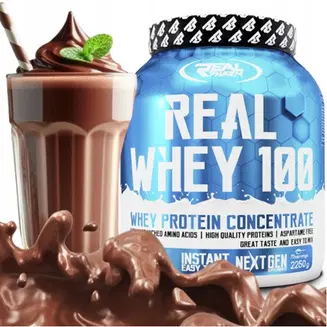
Whey Protein: This is perhaps the most basic and beneficial supplement. It is a high-quality, fast-digesting protein derived from milk. It is extremely convenient for post-workout consumption or to supplement daily protein intake. A dose of 25-40 grams after training or as an intermediate meal is standard practice. There are different types (concentrate, isolate, hydrolysate) that differ in absorption speed and purity.
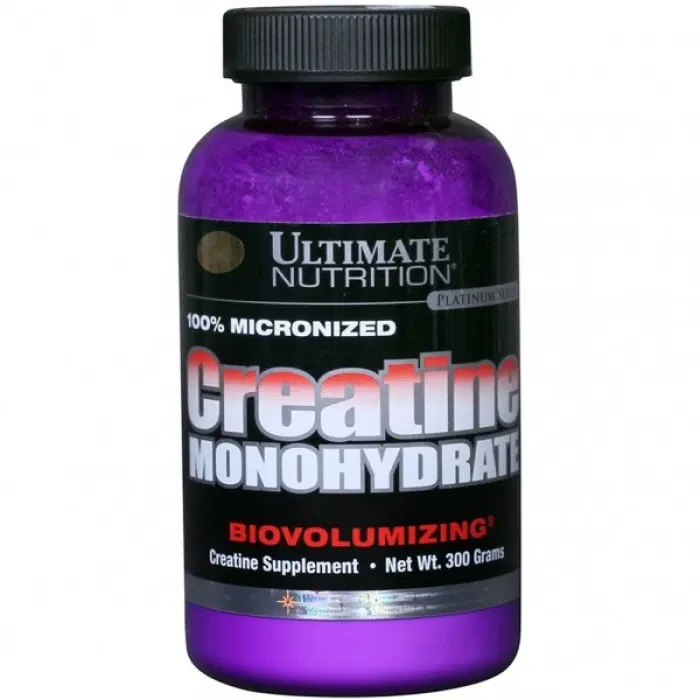
Creatine Monohydrate: This is the most researched sports supplement in the world with proven effects on strength, power, and muscle mass. Creatine helps regenerate ATP (adenosine triphosphate) – the cell's primary energy currency for short, explosive movements – more quickly. The standard protocol is a daily intake of 3-5 grams. The timing of intake is not critical, but many athletes prefer to take it post-workout with their protein shake. A "loading phase" (20g/day for 5-7 days) can speed up muscle saturation, but it's not mandatory – a consistent intake of 5g/day will achieve the same effect after about 3-4 weeks.
Caffeine: A powerful central nervous system stimulant that reduces the perception of fatigue, improves focus, and increases performance in both strength and endurance sports. An effective dose is between 3-6 mg per kilogram of body weight, taken about 30-60 minutes before training. For an 80kg athlete, this is about 240-480 mg. A cup of strong coffee contains about 100-150 mg. It's important to be mindful of tolerance – regular intake reduces its effect. In my opinion, it's best to use caffeine strategically, for the toughest workouts, rather than daily.
Comparative Table of Protein Supplements
| Protein Type | Absorption Speed | Protein Content | Best For | Features |
|---|---|---|---|---|
| Whey Concentrate | Fast | ~70-80% | Post-workout, general use | Most balanced, contains a little lactose and fat. |
| Whey Isolate | Very Fast | >90% | Immediately post-workout | Purer, almost no lactose and fat. More expensive. |
| Casein | Very Slow (up to 8 hours) | ~80% | Before bed, meal replacement | Provides sustained amino acid release. |
| Beef Protein | Fast | ~90% | For people with lactose intolerance | Alternative to dairy proteins, lactose-free. |
| Plant Protein (Pea, Rice) | Medium to Slow | ~70-85% | For vegans and vegetarians | Often requires combination (e.g., pea+rice) for a complete amino acid profile. |
- Do I absolutely need to take supplements to achieve good results?
- Absolutely not. Results come from consistency in training and nutrition. Supplements are just the icing on the cake, which can speed up progress by about 5-10%, but they cannot replace a solid foundation of quality food, sufficient sleep, and hard training.
- How much protein do I really need?
- For seriously training athletes aiming to gain muscle mass or preserve it during a diet, the scientific consensus is for an intake between 1.6 and 2.2 grams of protein per kilogram of body weight. For an 80kg person, this means between 128 and 176 grams of protein per day. More than that rarely provides additional benefits.
- Is it bad to train on an empty stomach (fasted training)?
- It depends on the goal and type of training. For low-intensity cardio aimed at fat burning, there might be some effect. However, for heavy strength training or high-intensity sessions, the lack of glycogen will almost certainly lead to weaker performance, less weight lifted, and greater muscle breakdown.
- How should I eat if I want to cut fat but preserve my muscles?
- The key is to maintain a moderate caloric deficit (around 300-500 kcal below your daily needs) and a high protein intake (even higher than usual, around 2.0-2.5 g/kg). Concentrate carbohydrate intake around training to have energy for it and support recovery. At other times, focus on protein, vegetables, and healthy fats.
- Do I need to drink sports drinks like Gatorade or Powerade?
- For a regular gym workout under 60-75 minutes, water is perfectly sufficient. These drinks are designed for athletes undergoing prolonged exertion (over 90 minutes) with heavy sweating, where replacing carbohydrates and electrolytes becomes critically important. For most people, they are simply a source of excess calories and sugar.
🔍 In Depth
- Creatine Timing: Before or After Training – What the Data Shows
- Pre-workout vs. Intra-workout: What Works and When to Take It
- Protein for Weight Loss: How Much Is Really Enough
- Pescatarianism vs. Vegetarianism: Which Diet is Better for Athletes?
- Mediterranean vs. DASH Diet: Which Regimen Wins for Athletic Performance and Recovery?
- Cyclical Dieting vs. Constant Caloric Deficit for Athletes
- Animal vs. Plant Proteins: Bioavailability and Amino Acid Profile
🎯 Remember: Proper macronutrient distribution and correct nutrition around training are fundamental for athletic progress and recovery, with the 'anabolic window' being far wider than previously thought.
🔬 Expert Note from Sport Zona
From our experience with Bulgarian athletes over the past 12+ years, we see that a large portion neglect nutrition and rely solely on supplements. Balanced nutrition is the foundation of success, and supplements are just an additional tool when truly necessary. Often, small changes in eating habits yield better results than any supplement.
Recommended products
Frequently asked questions
When is it most important to consume carbohydrates and protein according to the article?
The most important thing is to consume carbohydrates and protein immediately before, during (if needed), and after training. This ensures maximum performance and aids recovery.
What are the main functions of carbohydrates and proteins for athletes?
Carbohydrates serve as fuel, loading muscles with glycogen for energy. Proteins are the building blocks needed for muscle repair and growth after training.
What is the role of dietary supplements according to experts?
Supplements like creatine, whey protein, and caffeine have proven effects, but they only complement a well-planned diet. They do not replace fundamental nutritional principles.
Is there an "anabolic window" and when is the best time to eat after training?
The idea of a strict 30-45 minute "anabolic window" is exaggerated. Post-workout nutrition is important, but the overall daily intake of nutrients is more crucial.