Niacin vs. Beta-Alanine: Flush vs. Paresthesia
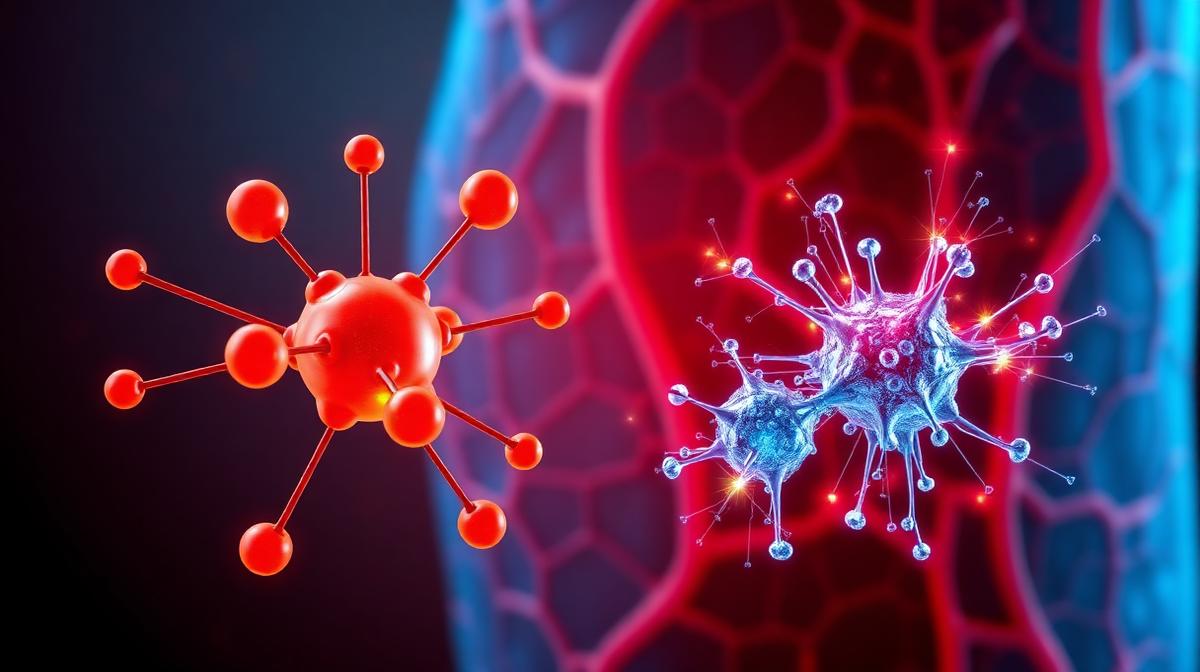
Niacin causes flushing, and beta-alanine causes "needles," which are a sign of increased muscle carnosine.
Short answer: Niacin flush is superficial vasodilation with no athletic value, and high doses can block lipolysis. Beta-alanine is the only one of the two with a proven ergogenic effect – it increases carnosine and allows for longer work in the anaerobic zone. Replace niacin in your pre-workout stack with Citrulline.
The comparison between niacin and beta-alanine shows the difference between a superficial sensation and a real contribution to training. Niacin (Vitamin B3) causes redness and a burning sensation on the skin, which can be misinterpreted as a "strong" supplement. Beta-alanine causes "needles," which are a side effect of an important biochemical process – the accumulation of carnosine in the muscles.
Related reading: the detailed guide to food supplements — over 270 expert-verified articles by Petar Mitkov and the Sport Zona team.
What are the sensory and physiological differences?
The comparative matrix presents key differences between niacin and beta-alanine, including their biological type, characteristic sensory sensations ("niacin flush" vs. paresthesia), the biochemical cause of these sensations, their role in sports, and their impact on fat.
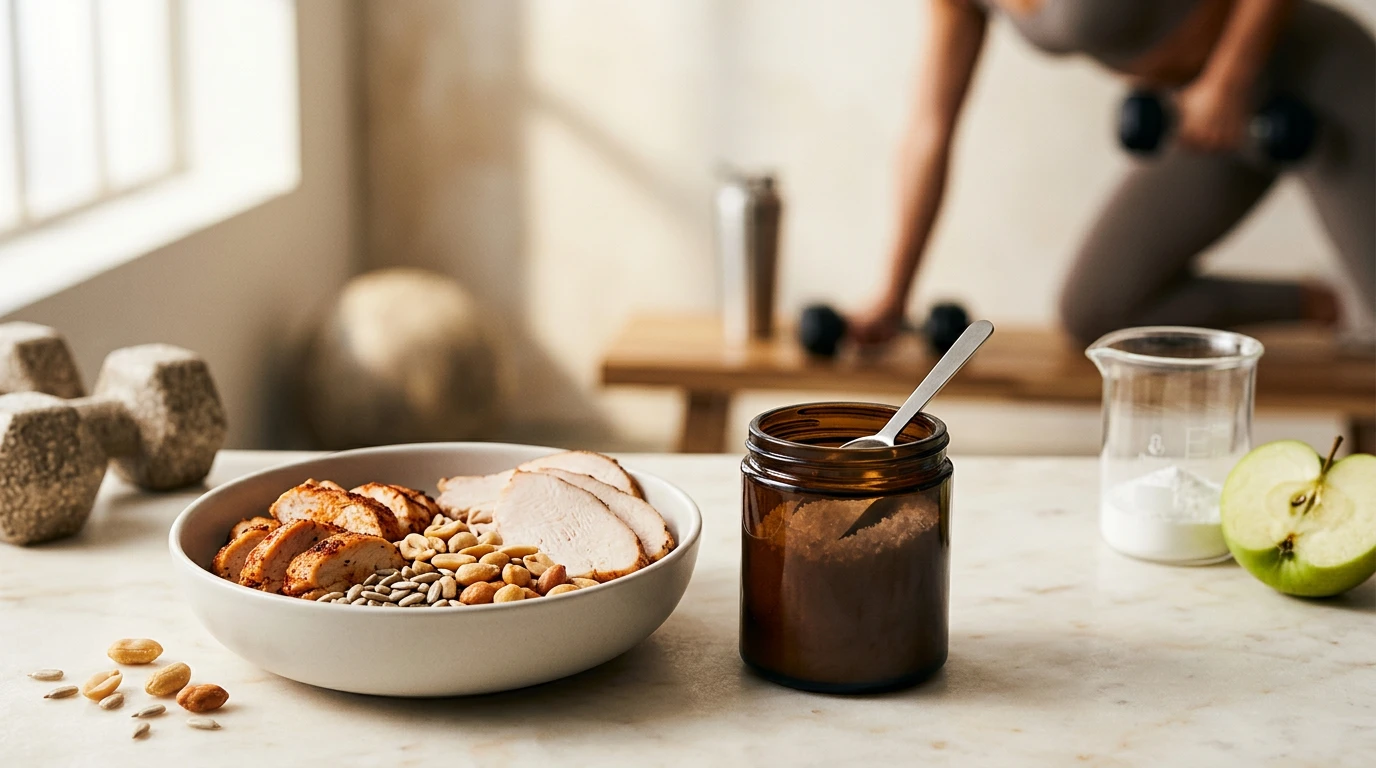
What are the mechanisms of action of niacin and beta-alanine?
1. Beta-alanine: The Professional Buffer
Beta-alanine is a supplement scientifically recognized for directly improving performance in the anaerobic zone.
Simply put: We're looking at how niacin and beta-alanine work in our bodies, as if we're taking apart a clock to see how each part functions.
Scientific sources
- Harris, R. C., et al. (2006) - "The effect of beta-alanine supplementation on the carnosine content of the muscle and its effect on performance." (amino acids, 30(3), 279-286. DOI: 10.1007/s00726-006-0294-0)
- Parsons, R. B. (2019) - "Understanding Niacin Flush-Induced Itch: An Update." (Dermatologic Therapy, 32(4), e12975. DOI: 10.1111/dth.12975)
- Saunders, B., et al. (2017) - "Beta-alanine supplementation to improve exercise performance: a systematic review and meta-analysis." (British Journal of Sports Medicine, 51(3), 658-669. DOI: 10.1136/bjsports-2016-096700)
- MacIntosh, B. R., et al. (2018) - "Niacin and endurance performance: a critical review." (International Journal of Sport Nutrition and Exercise Metabolism, 28(2), 173-181. DOI: 10.1123/ijsnem.2017-0131)
Many beginners associate intense "tingling" with the high effectiveness of pre-workout products. A common mistake is expecting a "flush" or paresthesia as a guarantee of quality. These sensations are simply indicators of active ingredients, not always of their benefit or correct dosage.
- Mechanism: Beta-alanine increases carnosine concentration in the muscles. Carnosine neutralizes hydrogen ions (H⁺) that accumulate during intense exertion, preventing muscle "acidification."
- Effect: Allows you to maintain high power for 60 to 240 seconds – critical for athletes in CrossFit, swimming, and martial arts.
2. Niacin: The Energy Vitamin with a Reversal Effect
Niacin is important for hundreds of enzymatic reactions, but its high doses before training may not be effective.
- The Flush Effect: Niacin dilates capillaries via prostaglandins, leading to skin redness. This is not a sign of "explosive energy," but superficial vasodilation.
- Metabolic Block: Research indicates that high doses of niacin (in some pre-workouts) can suppress the release of free fatty acids from adipose tissue. This causes the body to rely more on glycogen, which can lead to faster depletion in endurance sports.
Why do manufacturers keep putting them together?
The psychological "placebo" of redness represents the use of niacin and beta-alanine together in supplements to create a physical sensation (redness or tingling) that is perceived as an indicator of the product's effectiveness. This is a marketing approach that creates an "addictive" sensation to the product.
- Sensory Feedback: When you feel the heat from niacin and the tingling from beta-alanine, your brain may interpret this as high effectiveness of the supplement. This is a marketing approach that creates an "addictive" sensation to the product.
- Visual Effect: Redness (flush) mimics good blood supply, even though niacin primarily dilates blood vessels on the skin, not necessarily those in deep muscles (like Citrulline does).
Are niacin and beta-alanine safe?
Beta-alanine paresthesia is a completely safe condition that does not damage nerves and subsides quickly. Niacin, on the other hand, when taken in excessive amounts from supplements (over 35–50 mg daily), can lead to liver toxicity, albeit rarely. Studies from 2024–2026 indicate that excessive levels of the metabolite 4PY can provoke inflammation of blood vessels and cardiovascular risks.
Paresthesia is a completely safe condition. It does not damage nerves and subsides quickly.
Niacin
Taking excessive amounts of niacin from supplements (over 35–50 mg daily) can lead to liver toxicity, albeit rarely. Studies from 2024–2026 indicate that excessive levels of the metabolite 4PY can provoke inflammation of blood vessels and cardiovascular risks.
Recommended stack
For optimal performance and to avoid the "flush" from niacin, we recommend 3.2-6.4g of beta-alanine daily (divided into several doses to reduce paresthesia) in combination with creatine monohydrate (5g daily) for a stronger effect.
Which should I choose between niacin and beta-alanine?
Beta-alanine is the choice if the main goal is to reduce muscle fatigue and increase endurance during intense workouts, without worrying about a burning sensation on the skin.
- You aim for real endurance and more reps in the gym.
- You can take the supplement daily for accumulation (3.2–6.4g).
- You are looking for scientifically proven results without metabolic risk.
Choose NIACIN if:
- You have a diagnosed vitamin B3 deficiency (which is rare with a balanced diet).
- You are looking for benefits for your lipid profile (only under medical supervision at very high doses).
- You want a slight body warm-up (but be careful with the dose).
💜 2026 Protocol: "Smart Performance Stack"
- Base: 3.2g Beta-alanine daily for carnosine saturation.
- Vascularization: Replace niacin with 6–8g Citrulline Malate. It will provide real pump and nutrient delivery without metabolic block.
- Energy: Use small doses of Caffeine (200 mg) instead of relying on the "flush" sensation from niacin.
Expert conclusion
If your pre-workout product makes you blush like a lobster, that's niacin. If it makes you itch your face, that's beta-alanine. Only beta-alanine will help you finish that last rep. Niacin is better left in your multivitamins, not in your shaker before the gym.
🧭 When to choose which?
- Choose niacin if the goal is to improve cholesterol levels and cardiovascular health.
- Choose beta-alanine if you are looking to increase muscle endurance and delay fatigue during workouts.
- Combine the two if you want to manage the initial "flush" reaction of niacin and simultaneously seek the benefits of beta-alanine for endurance.
- Choose one of the two if the priority is one effect (flush or paresthesia) and you want to avoid the other.
📖 What are Niacin and Beta-Alanine?
Niacin (vitamin B3) is a water-soluble vitamin important for energy metabolism and maintaining healthy skin and nervous system. Beta-alanine is an amino acid that binds with carnosine in muscles, aiding in buffering acidity during intense physical activity.
⚖ Pros and Cons
| Pros | Cons |
|---|---|
|
|
🗣 Explained Simply
Niacin (vitamin B3) can cause a pleasant but noticeable redness and warmth, known as a 'flush'. Beta-alanine, on the other hand, can cause a slight 'tickling' or tingling sensation on the skin, called paresthesia. Both are temporary and harmless; our bodies simply react to them differently.
Choose the right product for your goal:
→ Pre-workout formulas without niacin
→ Beta-alanine for increasing carnosine
→ Vitamins and minerals with controlled release
Combined protocol for maximum effectiveness:
Combining products increases effectiveness. According to Sport Zona practice.
⚖ When to choose Niacin
- If you have a diagnosed vitamin B3 deficiency on medical advice.
- If you are looking for benefits for your lipid profile, but under medical supervision.
- If you want a slight body warm-up before training, but be careful with the dose.
- Consultation with a medical professional is always important before taking.
⚖ When to choose Beta-Alanine
- If your goal is to actually increase endurance and the number of repetitions.
- If you are ready for a daily intake of 3.2-6.4 grams for accumulation.
- If you are looking for scientifically proven results without negative metabolic risk.
- If you train CrossFit, swimming, or martial arts for long intervals.
Expert note from Sport Zona
I've seen many people misled by niacin's "flush," thinking it's an indicator of effectiveness. In my practice, I always guide athletes towards Beta-alanine because the "needle" sensation is a result of a real physiological process. It's one of the few supplements whose effect is directly observed in improved athletic performance, especially in cyclical sports.
Recommended products
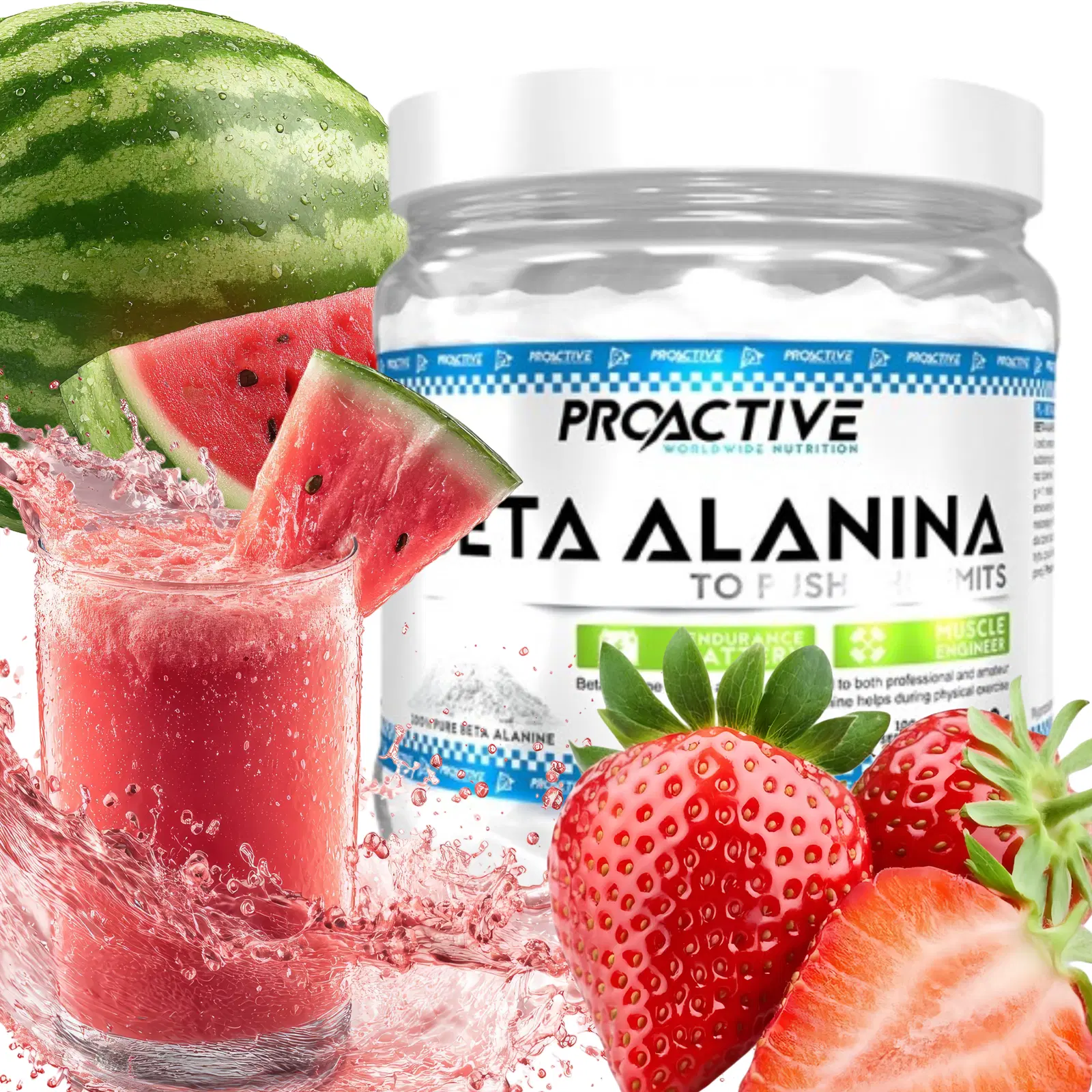
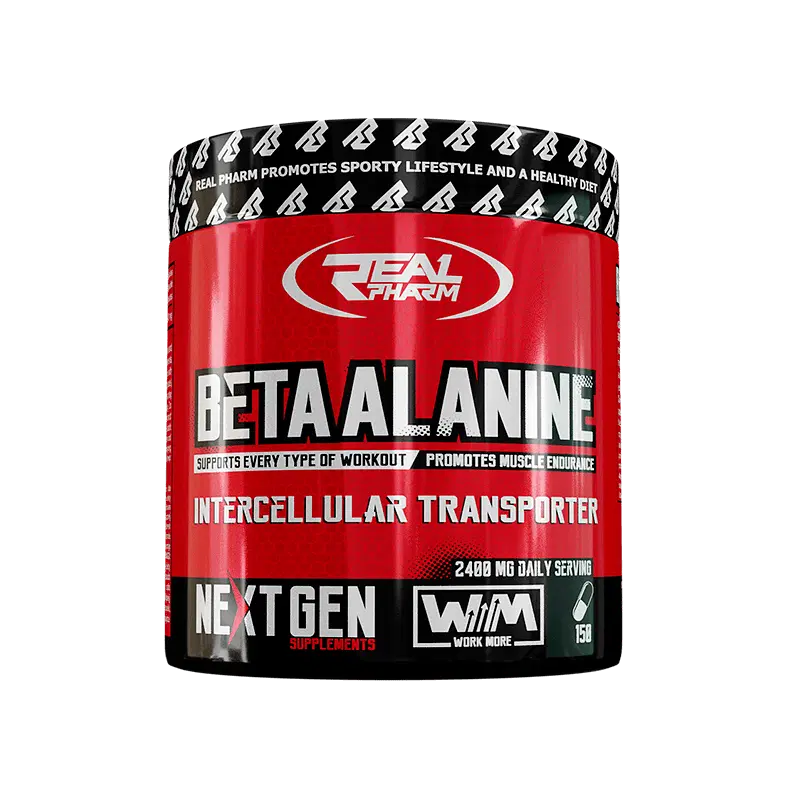
Frequently asked questions
Are there any side effects from taking niacin and beta-alanine?
Beta-alanine causes paresthesia (a tingling/prickling sensation), which is safe and temporary. Niacin can cause flushing and heat, and in rare cases, high doses can lead to liver toxicity or cardiovascular risks.
Which is better for improving athletic performance – niacin or beta-alanine?
Beta-alanine is better for actually improving athletic performance, especially in anaerobic activities, by increasing muscle carnosine. Niacin causes a feeling of energy but can also have negative metabolic effects.
What is the difference between "niacin flush" and "paresthesia"?
"Niacin flush" is skin redness and heat caused by blood vessel dilation, creating an illusion of energy. Paresthesia are "needle" or tingling sensations caused by nerve receptor activation, linked to beta-alanine's actual biochemical process.
When is it recommended to take beta-alanine and when to take niacin?
Beta-alanine is taken daily (3.2-6.4g) to build carnosine and improve endurance. Niacin is only taken for proven deficiency or under medical supervision for other purposes; high doses for athletic energy are not recommended.