Nitrates versus Nitric Oxide: From Leafy Greens to Vascular Elasticity
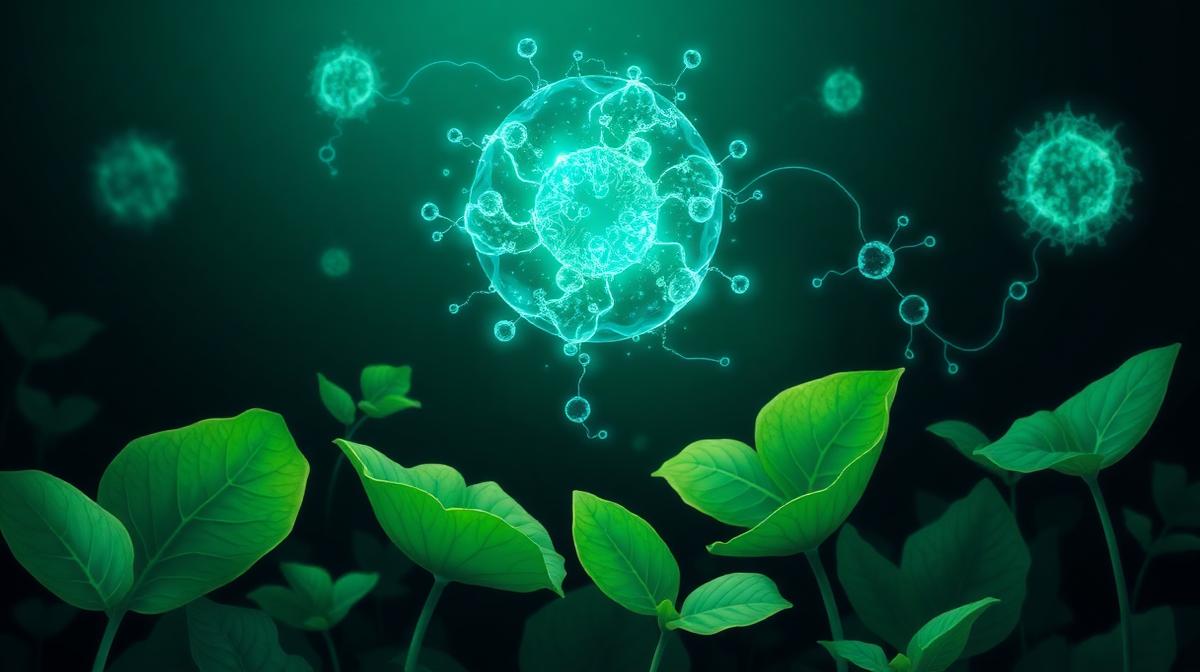
Nitrates from vegetables are the strategic reserve, and nitric oxide is the operational signal. Learn how the oral microbiome turns spinach into a powerful vasodilator and why mouthwash can kill the effect.
The difference between nitrates and nitric oxide is the difference between potential and action. Nitrates are passive until they come into contact with the bacteria on your tongue – this symbiotic process is one of the oldest blood pressure regulating mechanisms in humans.
📊 Comparison Matrix: Storehouse vs. Active Agent
| Characteristic | Dietary Nitrates (NO₃⁻) | Nitric Oxide (NO) |
|---|---|---|
| Chemical State | Stable salt (water-soluble) | Unstable gas (lipophilic) |
| In-body lifespan | Approx. 5 – 8 hours (half-life) | Milliseconds (instant reaction) |
| Origin | Vegetables, water, supplements | Endogenous production in tissues |
| Metabolic Pathway | Enterosalivary circulation | Endothelial and nitrate pathways |
| Function | Nitrogen reservoir | Vasodilator and neurotransmitter |
| Risks | Nitrosamines (during processing) | Oxidative stress (in excess) |
🧬 In-depth Analysis: The "Enterosalivary Cycle"
This is one of the few systems in the body that relies entirely on external collaborators – bacteria.
- Absorption: After consuming spinach or beetroot, nitrates are absorbed into the small intestine.
- Secretion: About 25% of these nitrates are drawn from the blood and concentrated in the salivary glands.
- Activation (Oral Cavity): This is where the magic happens. Facultative anaerobic bacteria on your tongue remove an oxygen molecule, converting nitrate (NO₃⁻) into nitrite (NO₂⁻).
- Final Effect: When you swallow the nitrites, stomach acid or specific enzymes in the blood convert them into active Nitric Oxide.
🚀 Why are Nitrates "Superfuel" for Athletes?
Unlike the Arginine pathway (which requires oxygen), the nitrate pathway works best under hypoxic (low oxygen) conditions.
- Oxygen Economy: Nitrates allow muscles to perform the same work with less oxygen consumption. This is critical for swimming, running, and cycling.
- Mitochondrial Efficiency: They improve the function of proteins within mitochondria, reducing energy "leaks" during intense exertion.
⚠️ The Hygiene Paradox: Mouthwash and Nitric Oxide
The Effect Killer: Using antibacterial mouthwash kills the very bacteria that convert nitrates to nitrites.
The Result: Studies show that after using mouthwash, the blood pressure-lowering effect of nitrates completely disappears. Even systemic beetroot intake becomes useless.
🛠️ "Good" vs. "Bad": Nitrosamine Chemistry
🥬 Vegetables (Safe)
Nature packages nitrates with Vitamin C and polyphenols. These antioxidants block the conversion of nitrites into nitrosamines in the stomach.
🥓 Cured Meats (Risky)
Bacon contains nitrites, but the lack of antioxidants and high frying temperatures lead to the formation of carcinogenic nitrosamines.
🧭 Intake & Optimization Protocol (2026)
- Sources: Arugula (richest), spinach, beetroot, celery.
- Dosage for Athletes: Around 400 – 800 mg of nitrates (equivalent to 500 ml beetroot juice or 2–3 cups of arugula).
- Timing: Blood nitrite peak occurs 2.5 – 3 hours post-ingestion. This is the ideal window to start a training session.
- Tip: Do not brush your teeth or use chewing gum immediately after consuming nitrate-rich foods to allow time for bacteria to do their work.
💡 Expert Conclusion
If you have high blood pressure, a diet rich in plant nitrates can be as effective as some medications, but with zero side effects and added benefits for the brain. Combining nitrate sources (beetroot, arugula) with L-Citrulline provides a dual pathway to nitric oxide – enterosalivary and endothelial – for maximum vascular support.
🧭 When to choose which?
- Choose nitrate-rich foods if your goal is to boost your body's natural nitric oxide production and improve blood pressure and vascular function.
- Consume nitric oxide-stimulating foods if you want to directly support blood vessel elasticity and improve blood flow.
- Combine both if you aim for comprehensive cardiovascular health by leveraging both nitric oxide precursors and foods that directly synthesize it.
- Emphasize a varied diet if you want to ensure a broad spectrum of health benefits, including improved athletic performance and recovery.
📖 What are Nitrates and Nitric Oxide?
Nitrates are inorganic compounds found naturally in vegetables that the body converts into nitric oxide. Nitric oxide (NO) is an important molecule that relaxes blood vessels, improving blood flow and muscle efficiency.
⚖️ Pros and Cons
| ✅ Pros | ❌ Cons |
|---|---|
|
|
🗣️ Simply explained
Nitrates, which you find in vegetables, are converted in your body into nitric oxide. Nitric oxide, in turn, helps blood vessels expand and work better. By understanding this connection, you'll know how your diet affects your circulation.
Recommended products
Frequently asked questions
What is the main role of dietary nitrates in our body?
Nitrates act as a reservoir for nitrogen. They are passive until processed by oral bacteria into active nitric oxide, which has vasodilating properties.
Why can using mouthwash reduce the benefits of nitrates?
Antibacterial mouthwash kills the symbiotic bacteria in the mouth responsible for converting nitrates to nitrites. This eliminates the key step in activating nitric oxide.
When is the best time to consume nitrate-rich foods before exercise?
The optimal time is 2.5 to 3 hours before exercise. During this period, nitrite levels in the blood peak, providing maximum benefit for physical exertion.
What are the best food sources of dietary nitrates?
Leafy greens like arugula, spinach, and celery, as well as beetroot, are richest in nitrates. The recommended dose for athletes ranges from 400 to 800 mg of nitrates.