Omega-3 vs. CLA: The Anti-Inflammatory Guardian vs. The Fat Burner
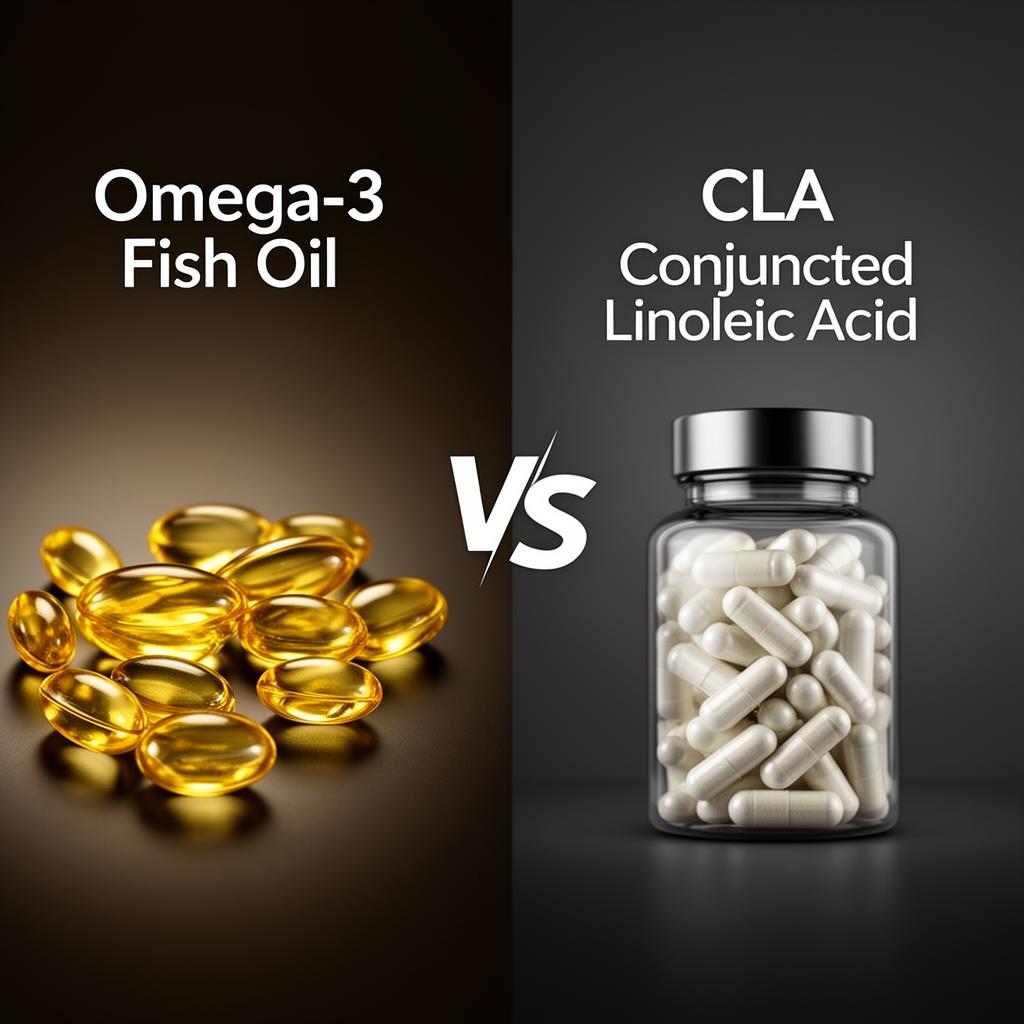
Omega-3 and CLA are popular supplements for athletes, but with different mechanisms of action and benefits. While Omega-3 supports overall health and recovery, CLA is aimed at reducing body fat.
Omega-3 vs CLA: A Complete Comparison for Athletes from Sport Zona Academy
Welcome to Sport Zona Academy! In the world of sports nutrition and supplementation, the quest for effective supplements to support performance, recovery, and achieving optimal physical fitness is constant. Two of the most popular and frequently discussed supplements are Omega-3 fatty acids and Conjugated Linoleic Acid (CLA). Although both are fatty acids and often recommended for athletes, their mechanisms of action, benefits, and applications are significantly different.
Introduction
This article from Sport Zona Academy aims to provide an in-depth comparison between Omega-3 and CLA, specifically tailored to the needs of athletes. We will explore their origins, key benefits, potential drawbacks, and how to choose the most suitable product for you. Our goal is to equip you with the necessary information to make an informed decision about your supplementation.
What is Omega-3?
Omega-3 fatty acids are polyunsaturated fatty acids (PUFAs) that are essential for the human body, as it cannot produce them on its own and must obtain them through diet or supplements. The three main types of Omega-3 are:
- ALA (Alpha-Linolenic Acid): Found in plant sources like flaxseeds, chia seeds, and walnuts. It is a precursor to EPA and DHA.
- EPA (Eicosapentaenoic Acid): Primarily found in fatty fish such as salmon, mackerel, and sardines. It is known for its anti-inflammatory properties.
- DHA (Docosahexaenoic Acid): Also found in fatty fish and is crucial for brain, eye, and nervous system health.
Omega-3s play a critical role in cell membranes, support heart, brain, and eye function, and have strong anti-inflammatory effects.
What is CLA?
Conjugated Linoleic Acid (CLA) is a group of linoleic acid isomers that are also polyunsaturated fatty acids. Unlike Omega-3, CLA is not essential, but it is considered "conditionally essential" in the context of its impact on metabolism. It is naturally found in the meat and dairy products of ruminant animals (e.g., beef, lamb, milk, cheese). The main active isomers in supplements are c9,t11-CLA and t10,c12-CLA.
CLA is primarily known for its potential effects on body composition, such as reducing body fat and increasing lean muscle mass.
Comparison Table: Omega-3 vs CLA
| Characteristic | Omega-3 (EPA/DHA) | CLA (Conjugated Linoleic Acid) |
|---|---|---|
| Type of Fatty Acid | Essential Polyunsaturated | Polyunsaturated, linoleic acid isomer |
| Primary Sources | Fatty fish (salmon, mackerel), flaxseed oil | Dairy products, beef, lamb meat |
| Main Benefits for Athletes | Reduced inflammation, accelerated recovery, cardiovascular health, brain function | Body fat reduction, slight increase in lean mass (more debated) |
| Mechanism of Action | Modulation of inflammatory processes, cell signaling | Influence on fat metabolism (adipogenesis, lipolysis) |
| Typical Dosage (in supplements) | 1-3 g combined EPA/DHA per day | 3-6 g per day |
| Potential Side Effects | Fishy aftertaste, mild blood thinning | Gastrointestinal upset, insulin resistance (at high doses) |
In-depth Analysis of Omega-3
For athletes, Omega-3s are valuable due to their potent anti-inflammatory properties. Intense training leads to micro-tears and inflammatory processes in the muscles. EPA and DHA can modulate the production of pro-inflammatory eicosanoids, leading to faster recovery, reduced muscle soreness (DOMS), and potentially improved muscle function. (Lewis et al., 2017). Furthermore, Omega-3s support cardiovascular health, which is heavily taxed in athletes, by improving endothelial function and contributing to blood pressure control. (Lavie et al., 2009). Some studies even suggest that Omega-3s can enhance athletic endurance and reduce fatigue, although these effects require further research.
In-depth Analysis of CLA
CLA has been the subject of significant interest due to its potential to alter body composition. Its mechanisms of action include inhibiting adipogenesis (the formation of new fat cells), increasing lipolysis (fat breakdown), and modulating energy metabolism. (Wang & Jones, 2004). In humans, study results are mixed. Some research shows a modest but statistically significant reduction in body fat and a slight increase in lean muscle mass, especially when combined with physical activity. (Lehnen et al., 2015). The effects are more pronounced in animals and often smaller in humans. Efficacy may depend on the dose, duration of intake, and the combination of CLA isomers.
Synergistic Effects: When Omega-3 and CLA Work Together
Although they have different primary functions, Omega-3 and CLA can complement each other. While Omega-3 focuses on reducing inflammation and supporting overall health, CLA targets improving body composition. For athletes aiming to simultaneously optimize recovery, maintain good health, and enhance fat loss (e.g., during a cutting phase), a combination of both might be beneficial. Omega-3s will help manage the inflammatory stress from training, while CLA can support more efficient use of body fat. However, there isn't enough research to definitively prove a synergistic interaction between the two specifically for athletic purposes, so intake is more based on the individual benefits of each supplement separately.
Practical Dosage Protocol for Athletes
Always consult with a doctor or dietitian before starting any new supplements.
- Omega-3:
- Dosage: For general health and support, 1-2 grams of combined EPA + DHA daily. For athletes with high training loads or inflammation, the dose can reach 2-4 grams of EPA + DHA daily.
- Intake: Divide into 1-3 doses with meals to avoid discomfort and improve absorption.
- Example: 1 capsule (containing ~500 mg EPA+DHA) 2-3 times daily with main meals.
- CLA:
- Dosage: 3-6 grams of CLA daily. Lower doses (under 3g) are often not effective according to studies.
- Intake: Divide into 2-3 doses with meals.
- Example: 1-2 capsules (typically 1000 mg CLA per capsule) 3 times daily with main meals.
When to Choose Which?
- Choose Omega-3 if:
- You want to support your overall health, cardiovascular system, and brain function.
- You are looking for a potent anti-inflammatory agent to reduce muscle soreness and speed up recovery after workouts.
- You have symptoms of chronic inflammation or autoimmune diseases (after consulting a doctor).
- You do not consume enough fatty fish regularly.
- Choose CLA if:
- Your primary goal is body composition change, specifically reducing body fat and maintaining lean muscle mass.
- You have already optimized your diet and training regimen and are looking for additional, albeit modest, support in combating fat.
- You understand that CLA's effects are more modest and variable compared to Omega-3 and do not expect a "miracle" result.
Pros and Cons
Omega-3:
- Pros: Potent anti-inflammatory effects, cardiovascular health support, brain function, vision, joint health, rapid recovery, reduction of DOMS. Extensive scientific evidence for benefits.
- Cons: Fishy aftertaste/burps (can be avoided with quality products), potential blood thinning at very high doses (consult doctor if taking anticoagulants), quality can vary between products.
CLA:
- Pros: Potential reduction in body fat, slight increase in lean muscle mass, antioxidant properties.
- Cons: Effects in humans are more modest than in animals and are highly individual. High doses may cause gastrointestinal upset, and some studies have linked them to insulin resistance and oxidative stress with certain isomers and doses. (Joseph et al., 2011). Not as strongly supported by scientific evidence as Omega-3 for its primary claims in humans.
Simply Explained
Omega-3 is like a "firefighter" for your body. It puts out harmful inflammation caused by training and stress, helps your heart work better, and your brain function properly. It's a supplement that almost every athlete should consider, regardless of their goals, to maintain overall health and recover faster.
CLA is more like an "additional fat-burning booster." It can help your body use fat more effectively and potentially reduce its amount, but the effect is not as strong or universal as with Omega-3. Consider it if you've optimized everything else and are looking for a slight edge in reducing body fat.
Choose the Right Product
- For Omega-3:
- EPA and DHA Concentration: Don't just look at the total amount of fish oil. Check the label for the EPA and DHA content. Look for products with high concentration (e.g., 500 mg+ combined EPA+DHA per capsule).
- Purity: Ensure the product is tested for heavy metals (mercury), dioxins, and other contaminants. Third-party certifications (like IFOS) are an excellent indicator of quality.
- Form: Natural triglycerides or re-esterified triglycerides are better absorbed than ethyl esters.
- Price: Average prices for a quality product are around €15-€30 for a package containing 60-120 capsules, depending on the concentration.
- For CLA:
- Standardization: Look for products that state the percentage of active CLA isomers, often around 80%.
- Source: The source is usually safflower oil, which is more sustainable and not linked to animal agriculture.
- Dosage: Ensure one serving allows you to easily reach the recommended 3-6 grams daily.
- Price: Prices vary, but expect to pay between €10-€25 for a package of 90-120 capsules.
Expert Note from Sport Zona Academy
As sports nutrition experts at Sport Zona Academy, we always recommend focusing on the fundamentals first: a balanced diet, adequate sleep, and a well-structured training program. Supplements are merely an addition to these foundations. Between Omega-3 and CLA, Omega-3 has a broader range of proven benefits for overall health and athletic performance, making it a more foundational supplement for almost every athlete. CLA can be considered a niche supplement for specific goals, mainly to support body composition, but with less convincing evidence for significant effects in humans and potential side effects at high doses. Our recommendation is to prioritize Omega-3 in your supplementation, and consider CLA only if you have specific body composition goals and are aware of the potential limitations and risks.
Scientific Sources:
- Lewis, N. A., et al. (2017). "Omega-3 Polyunsaturated Fatty Acid Supplementation and the Effects on Sports Performance: A Systematic Review." Journal of the International Society of Sports Nutrition, 14(1), 1-13.
- Lavie, C. J., et al. (2009). "Omega-3 Fatty Acids and Cardiovascular Disease: The Science Behind the Romance." Journal of the American College of Cardiology, 54(12), 1046-1053.
- Wang, Y., & Jones, P. J. H. (2004). "Conjugated linoleic acid and body composition." American Journal of Clinical Nutrition, 79(6), 1159S-1163S.
- Lehnen, T. E., et al. (2015). "A review on effects of conjugated linoleic fatty acid (CLA) upon body composition and energetic metabolism." Journal of the International Society of Sports Nutrition, 12(1), 1-11.
- Joseph, S. V., et al. (2011). "Conjugated linoleic acid supplementation for body fat reduction in humans: a comprehensive review of clinical trials." Nutrition & Metabolism, 8(1), 1-10.
Recommended products


Frequently asked questions
Can Omega-3 and CLA be taken together?
Yes, Omega-3 and CLA can be safely taken together. They have different mechanisms of action and do not interfere with each other. In fact, combining them can offer synergistic benefits for overall health, recovery, and body composition.
Which is better for beginners?
For beginner athletes, Omega-3 is a better starting point. It supports overall health, reduces inflammation, improves cardiovascular function, and aids in post-workout recovery, which is fundamental for anyone training. CLA is more specific for goals like body recomposition.
When is the best time to take them?
Omega-3 is recommended to be taken with food to enhance absorption, and it can be taken in the morning or evening. CLA is also best taken with food, divided into 2-3 doses throughout the day (e.g., with breakfast, lunch, and dinner) to maintain stable levels in the body.
Are there any side effects?
Omega-3 is generally well-tolerated, but at high doses, it can cause mild gastrointestinal issues such as fishy burps, nausea, or diarrhea. CLA is also safe at recommended doses, but it may cause mild stomach upset, diarrhea, or fatigue in some individuals. Always follow the recommended dosages.
What is the dosage?
For Omega-3, the recommended dose for athletes is 1-3 grams per day, providing at least 500-1000 mg of combined EPA and DHA. For CLA, the optimal dose is 3-6 grams per day, divided into 2-3 doses, to achieve significant results in body fat reduction.