Nuts vs. Almonds: A Biochemical Duel for Athletes

The fat profile of the nut determines the recovery rate. Walnuts provide ALA Omega-3 for anti-inflammatory repair, and almonds provide Vitamin E and magnesium for antioxidant protection and muscle performance.
Why the Nut's Fat Profile Determines Your Recovery Speed
🏋️ SportZone Insight: By 2026, sports nutraceuticals view nuts as "functional matrices". The choice isn't just about calories, but which signaling molecule you want to activate: ALA (Alpha-Linolenic Acid) in walnuts or α-tocopherol (Vitamin E) in almonds.
*Percent Daily Value (DV) for active adults.
🧬 In-depth analysis of mechanisms for athletes
Recommended products
Frequently asked questions
Which nuts are better for post-workout recovery – walnuts or almonds?
Nuts are better for recovery thanks to 2500mg of ALA Omega-3 fatty acids per 30g serving, which modulate pro-inflammatory cytokines. Almonds are more suitable for preventing oxidative damage due to their high Vitamin E content.
Why is it important to soak nuts before consumption?
Soaking neutralizes phytic acid (an antinutrient) which blocks the absorption of zinc and calcium. It is recommended to soak almonds for 12 hours and walnuts for 6 hours to activate enzymes.
Can walnuts replace Omega-3 supplements?
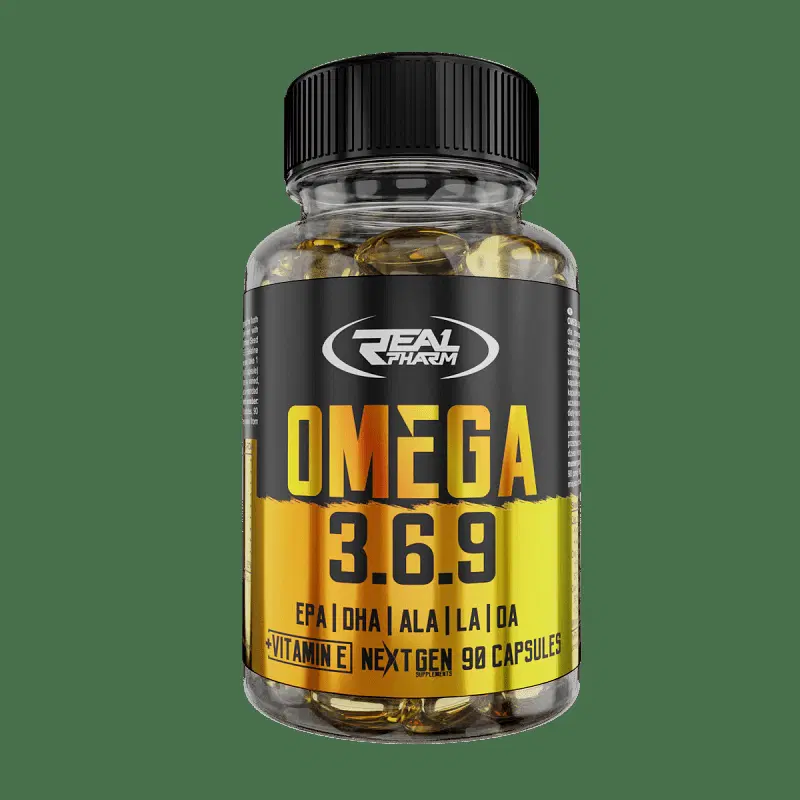
Walnuts contain plant-based ALA Omega-3, which is a precursor to EPA and DHA. The conversion is low (5-10%), so they supplement but do not completely replace fish oil for athletes with high DHA needs.
How many almonds should athletes eat daily?
Studies show that 60g of almonds daily (about two handfuls) significantly reduce markers of muscle damage after intense running. For most athletes, 30-60g daily is the optimal range.