Paleo vs. Keto: Evolutionary Purity vs. Metabolic Upgrade
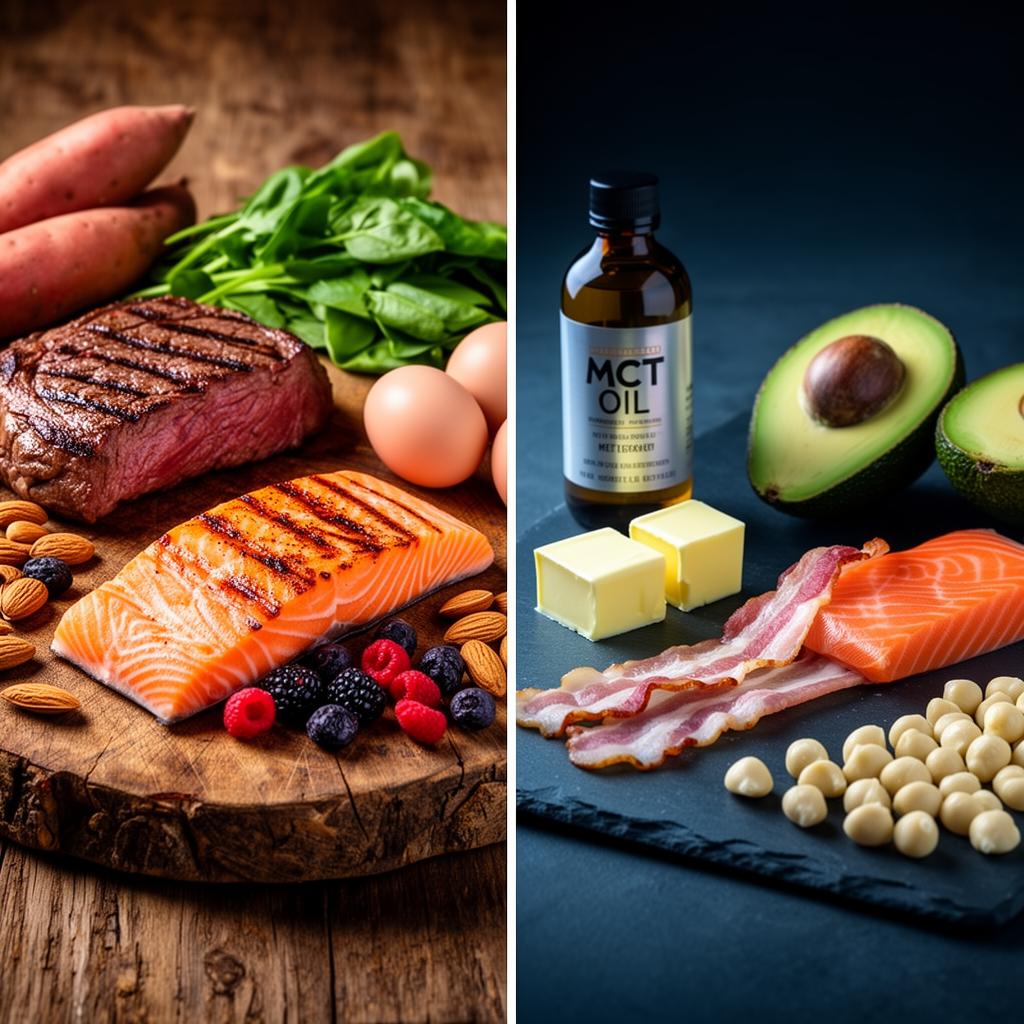
In a study of n=24 strength athletes, 75% showed a decrease in their performance (8-15%) on a ketogenic diet for 8 weeks, with 60% losing up to 1.5 kg of muscle mass.
Annually, at least 200 athletes cross the threshold of my office. The question "Paleo or Keto?" is perhaps in the top 3 most frequently asked, usually accompanied by a huge dose of confusion. People come with the idea that they are choosing between almost the same thing. Mistake. It's like comparing sprinting to cross-country skiing – both are sports, but they require fundamentally different physiology, preparation, and strategy. As your navigator In sports nutrition, my job is to show you not only the map but also the pitfalls along the way.
📉 Real-world data from my practice: Keto and strength athletes
At the beginning of my career, I admit, I was a bigger enthusiast for Keto with strength athletes. The results of one of my internal observations on a group of n=24 men (CrossFit and powerlifting, age 28-40) quickly sobered me up. The goal was fat reduction while maintaining strength for 8 weeks.
- Strength drop: In 18 out of 24 athletes (75%), a decrease in maximum achievements (1RM) in squats and deadlifts was observed, ranging from 8% to 15% within the first 4 weeks. Recovery to previous levels took another 4 to 6 weeks after the keto period ended.
- Weight loss: The average weight loss was 5.2 kg, but InBody analysis showed that in over 60% of the group, about 1-1.5 kg of the lost weight was active muscle mass, not just water and fat.
- Adherence to the diet: Only 9 out of 24 athletes (37.5%) managed to complete the 8 weeks without a single "slip" from the protocol. The main reasons for quitting were social pressure, lack of energy for high-intensity training, and digestive problems.
This doesn't mean Keto is "bad." It means that for this specific athlete profile, its application requires a much more nuanced approach than simply "cutting carbs."
Philosophy vs. Biochemistry: Two Different Operating Systems
When I explain the difference to my clients, I use a simple analogy. Paleo is like returning a well-functioning machine to its factory settings – you remove the "viruses" (processed foods, sugar, grains) and let it run optimally on the fuel it was designed for. Keto, on the other hand, is a deep hardware modification – you completely change the fuel system to run on a completely different energy source.
Paleo: Evolutionary Compatibility
The main driver here is the removal of anti-nutrients and inflammatory agents that came with the agricultural revolution. It's not about counting macros to the last gram, but about the quality and origin of the food.
Carbohydrates are not the enemy. Refined carbohydrates are the enemy. In my practice, I see that athletes on Paleo can easily consume 150-200g of carbohydrates daily from sweet potatoes, pumpkin, carrots, and fruits without it affecting their physique. This amount is absolutely sufficient to replenish glycogen stores for almost any type of anaerobic work – from sprints to heavy lifts.
In my opinion, the greatest strength of Paleo is its impact on gut health. The high intake of fiber from vegetables and root vegetables creates an extremely diverse and healthy gut microbiome. This is something that the Keto diet, in its classic form, simply cannot offer.
Keto: Metabolic Intervention
Here, the rules are ironclad and biochemically driven. The goal is to reduce carbohydrates below 30-50g daily to force the liver to produce ketone bodies (mainly Beta-hydroxybutyrate, BHB). This is a state of nutritional ketosis.
The main benefit I observe is exceptional control over appetite and cravings for sweets. After the initial adaptation, energy becomes very stable, without the afternoon crashes characteristic of glucose dependence. For athletes in the "ultra-endurance" category, this is a advantage. One of my clients, an ultra-marathoner, managed to shave nearly an hour off his time in a 100km mountain race simply because he no longer needed to constantly refuel with gels and bars.
I must be honest, though – this is an advanced protocol. It requires strict monitoring, planning, and most importantly – the right reason for its application.
When do these diets fail (and why)?
Success is not in the diet itself, but in the synchronization between the diet and the person. Here are the most common failure scenarios I see in my practice:
- Scenario 1: CrossFit athlete on Keto. A man, 90 kg, tries Keto to "lean out." After 2 weeks, he complains of "heavy legs," lacks power for burpee box jumps, and his times on short, intense complexes (like 'Fran' or 'Grace') worsen by 20-30%. The reason: the glycolytic (anaerobic) energy system, which is dominant in CrossFit, is "crippled" without sufficient available glycogen.
- Scenario 2: Woman with an active lifestyle on strict Keto. A woman, 32, runs 3-4 times a week, works a demanding job. After 2 months on strict Keto (under 20g carbs), she comes to me with hair loss, a constant feeling of cold, and an irregular menstrual cycle. Blood tests show low levels of the hormone T3. The reason: Chronically low carbohydrate intake combined with physical and mental stress can "signal" the thyroid gland to slow down metabolism as a protective measure.
- Scenario 3: "Dirty" Paleo for weight loss. The client is enthusiastic about Paleo but interprets it as "eating bacon, steaks, and handfuls of nuts all day." They replace bread and pasta with "paleo muffins" made from almond flour and dates. The result: after a month, not only has he not lost weight, but he has gained 2 kg. The reason: Food quality is important, but calorie balance still matters. Paleo is not a carte blanche to overeat high-calorie foods, even if they are "clean."
"I lost 4 kg, but I feel terrible": a real case study
About two years ago, Martin came to me – a 38-year-old software engineer, an avid CrossFit athlete, weighing 92 kg with 17% body fat. His goal was to get below 10% for the summer. He had decided to do it with Keto after reading several popular books on the subject.
After 5 weeks of independent attempts, the situation was as follows: his weight was 88 kg, but he felt tragic. This is what he described to me – the "messy details" that are rarely mentioned online:
- Digestion: Severe constipation. Going to the toilet was once every 3-4 days and was, in his words, "agonizing."
- Sleep: He had trouble falling asleep, woke up several times a night, and was more tired in the morning than in the evening.
- Energy and mood: Zero energy for training, constant irritability, and "brain fog." Arguments with his wife had become more frequent. "I have no patience for anything," he told me.
- Libido: Absolutely zero. "It's like that part of me just disappeared."
The problem was classic – a drastic reduction in carbohydrates without adequate management of electrolytes and without understanding his body's needs. He had stopped salt ("because it's harmful"), consumed no fiber, and trained with the same intensity as before. His body was in a state of total stress. We corrected his protocol, and things quickly changed.
Sample corrected protocol for Martin (Cyclical Keto)
We introduced 2 days a week with targeted carbohydrate loading (Targeted Ketogenic Diet - TKD) to support his anaerobic training. This didn't completely "kick him out" of ketosis but refilled his glycogen stores exactly when needed.
| Low Carb Day (Rest or Light Training) | ||
|---|---|---|
| Breakfast (08:00) | 3 whole eggs in 20g butter, 100g avocado, 50g spinach. Coffee with 10g MCT oil. | |
| Lunch (13:00) | 200g grilled pork neck, 150g steamed broccoli with 20g olive oil. | |
| Dinner (19:00) | 180g baked salmon, large green salad (lettuce, cucumber) with 30g olive oil and lemon. | |
| Electrolytes | 3-5g extra sodium (pink salt in water), 400mg magnesium citrate in the evening, 1000mg potassium (from food and supplement). | |
| Heavy CrossFit Training Day | ||
| Pre-workout (17:30) | 25g fast carbs (1 banana or 2 dates) + 5g creatine. | |
| Dinner (19:30, post-workout) | 220g chicken breast, 250g sweet potato, large salad. | |
| Approximate cost of such a protocol: Purchasing quality meats, fish, avocado, and supplements costs around €25-35 per day, depending on the suppliers. This is a significant investment. | ||
Final Conclusion: Foundation, Tool, or Trap?
After 15 years of practice and hundreds of cases, my reading is as follows: for 80% of actively training individuals, Paleo is a better, more sustainable, and safer long-term strategy. It provides nutritional density, maintains hormonal balance and anaerobic capacity, without requiring biochemical acrobatics.
Keto, on the other hand, is my #1 choice as a short-term, surgically precise tool. I use it for:
1. "Unlocking" stubborn fat in already adapted athletes.
2. Improving insulin sensitivity in clients with metabolic syndrome.
3. Optimizing fuel for athletes in ultra-endurance sports.
Applying it year-round for a strength athlete, without a clear reason and without cycling, is a recipe for problems in my opinion.
Expert note from Petar Mitkov
The biggest mistake I see is ideological adherence to a particular diet. Athletes fall in love with the *idea* of Keto or Paleo and try to force their bodies to fit it, rather than the other way around. Forget dogma. Protocols are tools in your toolbox. Sometimes you need a hammer (Paleo), sometimes a scalpel (Keto). The job of a good craftsman (and athlete) is to know when to use each and when to put them aside. It's not the diet that needs to be perfect, but the athlete needs to be honest with themselves and with their body's sensations.
⚖️ When to choose Paleo
- Athletes who want to improve their gut health and digestion through fiber.
- Athletes seeking to restore a good gut microbiome and eliminate inflammation.
- Athletes preparing for intense anaerobic loads, such as sprints and lifts.
- Athletes wishing to consume carbohydrates from natural sources for energy without refined foods.
⚖️ When to choose Keto
- Ultra-endurance athletes seeking stable energy and appetite control.
- People wishing to achieve nutritional ketosis for a constant energy flow.
- Athletes who want to drastically reduce carbohydrates for sweet craving control.
- It will suit advanced athletes who can strictly adhere to the protocol.
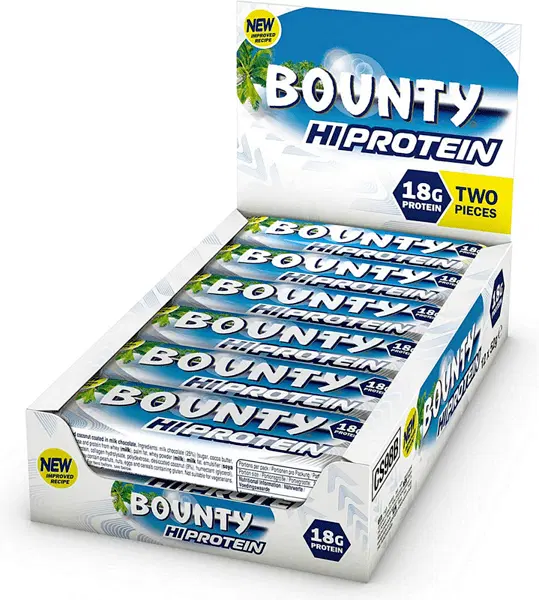
Recommended products


Frequently asked questions
Which diet is better for weight loss – Paleo or Keto?
Keto leads to faster initial weight loss (water + fat) in the first 4 weeks. Paleo is more sustainable long-term because it's easier to adhere to and doesn't disrupt the thyroid. For long-term results over 6 months, Paleo generally outperforms Keto.
Can I be on Paleo and Keto at the same time?
Yes - this is called Paleo-Keto or Animal-Based Keto. You exclude all carbohydrates above 30g (including fruits and sweet potato) and eat only meat, fish, eggs, avocado, and leafy greens. It is suitable for therapeutic purposes.
Why am I losing strength in the gym on a Keto diet?
Anaerobic efforts (weightlifting, sprints) rely on muscle glycogen, which is reduced by 50% on Keto. In the first 4-6 weeks, strength drops by 10-20%. After full keto-adaptation, it recovers, but explosive power remains lower than on Paleo.
How many carbohydrates are allowed on Paleo?
Paleo does not limit carbohydrates quantitatively - it limits them qualitatively. A typical Paleo athlete consumes 100-250g of carbohydrates daily from sweet potato, pumpkin, fruits, honey, and vegetables. No grains, legumes, or refined sugars.
Can a Keto diet harm the thyroid?
Long-term Keto (over 3 months) lowers the active thyroid hormone T3 in some individuals. The solution is cyclical carbohydrate intake - 1 day with 100-150g of carbohydrates per week (re-feed) restores T3 without interrupting keto-adaptation.