Whole Wheat vs. Gluten-Free Pasta: Glycemic Load and Nutrient Density
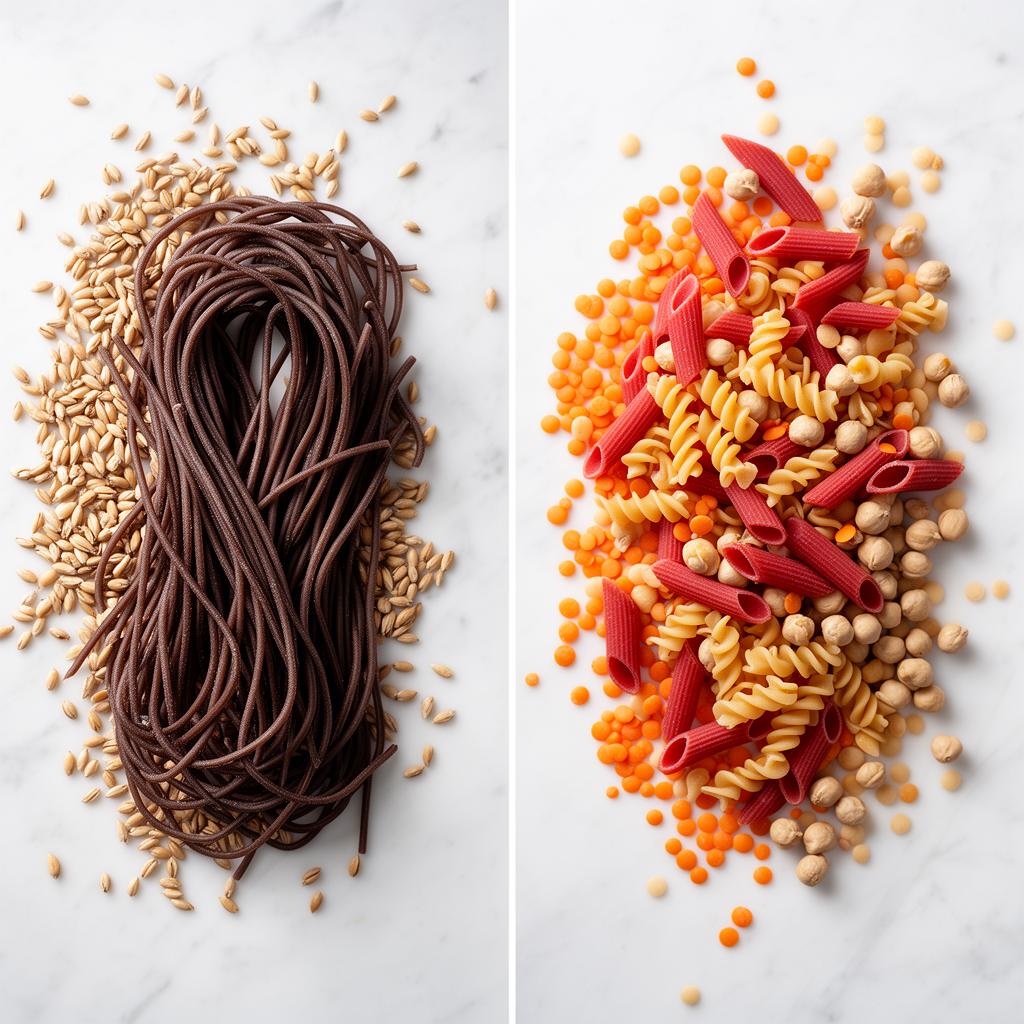
The question is not simply "should I eat gluten," but rather what is the nutrient density of your plate. While whole grain pasta retains its "protective package" of fiber and vitamins, many gluten-free options rely on refined starches with a glycemic index close to white sugar.
Why "Gluten-Free" Doesn't Always Mean "Dietary"
In modern nutraceuticals, the debate is shifting from the mere presence of gluten to the glycemic index (GI) and the degree of processing. While whole wheat pasta retains its "protective package" of fiber, many gluten-free options rely on refined starches that can trigger a stronger insulin response than white bread.
📊 Comparative Matrix: System Analysis
| Characteristic | Whole Wheat Pasta | Gluten-Free (Rice/Corn) | Legume Pasta (Lentil/Chickpea) |
|---|---|---|---|
| Primary Source | Whole wheat grain | White rice, Corn starch | Red lentils, Chickpeas, Peas |
| Glycemic Index | Medium (~48–55) | High (~70–80) | Low (~30–40) |
| Protein (per 100g) | ~12–14g | ~4–6g | ~20–25g |
| Fiber (per 100g) | ~7–9g | ~1–2g | ~8–15g |
| Micronutrients | B Vitamins, Magnesium, Selenium | Poor (if not fortified) | Iron, Potassium, Zinc |
| Biochemical Effect | Stable blood sugar | Rapid energy spike | High satiety and anabolism |
🧬 In-depth Analysis of Mechanisms
1. The Gluten Network and Glycemic Index
Gluten is not just an allergen—it plays a key role in the structure of pasta.
- Physical Barrier: In whole wheat pasta, the gluten network "traps" starch particles. This makes their digestion slower, as enzymes need more time to break them down.
- The Gluten-Free Trap: White rice or corn pasta lacks this network. The starch is easily accessible and converts to glucose almost immediately after consumption. This is why many "GF" products have a GI close to that of white sugar.
💬 Simply put: Gluten in wheat acts as a "net" that slows down starch breakdown. Without this net, the sugar from rice pasta enters the blood almost as quickly as from candy.
2. The Protein Revolution of Legumes
One of the most significant innovations in the food industry is the rise of legume-based pasta, supported by research in the Journal of Food Science and Technology.
- Amino Acid Profile: Chickpea or lentil pasta offers almost double the protein of wheat pasta. This makes it an ideal choice for vegans and athletes with high protein needs.
- Resistant Starch: Legume pasta is rich in resistant starch, which is not digested in the small intestine but serves as food for the gut microbiome in the large intestine, producing beneficial short-chain fatty acids (butyrate).
🛡️ The Marketing Trap: When "GF" is Harmful?
Many consumers choose gluten-free pasta for weight loss, but often achieve the opposite effect:
- Hidden Additives: To achieve the texture of wheat, gluten-free pasta often includes xanthan gum, guar gum, and refined sugars to compensate for the lack of flavor and elasticity.
- Nutritional Poverty: Pasta based solely on corn starch is devoid of the vitamins and minerals (like iron and folate) naturally found in the wheat bran.
💬 Simply put: Many "gluten-free" products on the shelf are just expensive corn starch disguised as a healthy alternative. Check the label—if the first ingredients are "rice," "corn," or "starch," you're getting fewer nutrients than from regular wheat pasta.
🛠️ Practical Selection Algorithm
🌾 Choose WHOLE WHEAT if:
- You do not have a diagnosed gluten intolerance.
- Your goal is long-term heart health and stable energy.
- You seek authentic "al dente" taste and texture.
💡 Look for "100% whole durum wheat semolina" label.
🌱 Choose LEGUME pasta if:
- You seek maximum protein and fiber with fewer carbs.
- You want to enrich your nutrient intake with iron and plant protein.
- You are on a blood sugar control diet (diabetes/insulin resistance).
🍚 Choose RICE/GF if:
- You have celiac disease or acute gluten sensitivity.
- You have an upset stomach and need a light, starchy food.
- You cannot tolerate legumes (bloating).
🎯 Support your diet with the right micronutrients:
→ 7Nutrition Magnesium Citrate + B6
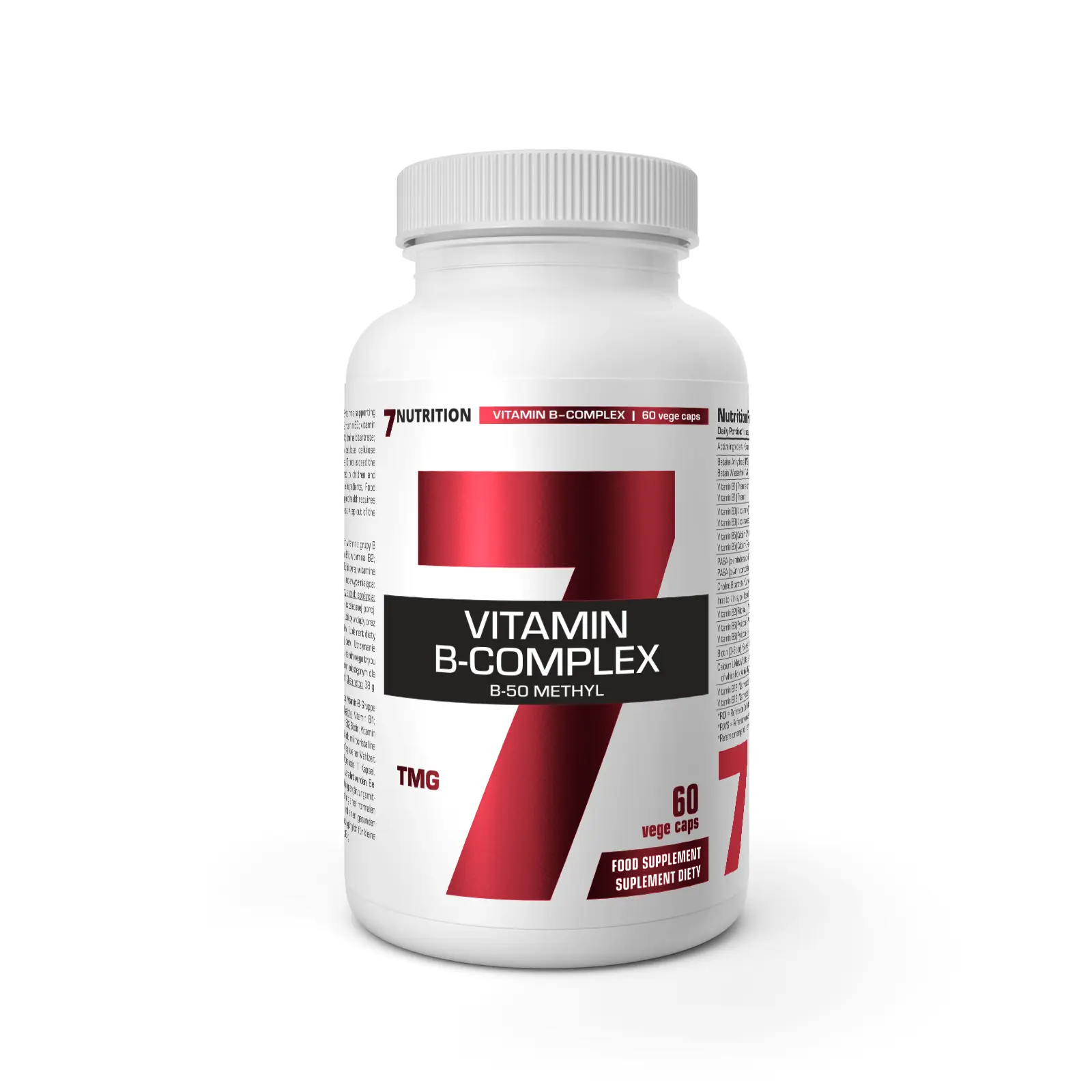
→ 7Nutrition Vitamin B-Complex B-50 Methyl
→ ProActive ZMB6 Zinc Magnesium Vit. B6
⚡ Combined Pasta Meal Protocol:
💡 The "cool and reheat" method increases resistant starch by up to 50%.
🧭 The "Pasta Master" Protocol (2026)
Optimize the nutritional value of pasta with the right technique:
- Cook "Al Dente": The less the pasta is cooked (even gluten-free), the lower its glycemic index remains. Overcooked pasta raises blood sugar significantly faster.
- The "Cool and Reheat" Method: Cook pasta in advance, let it cool completely in the refrigerator, and then reheat it. This increases the amount of resistant starch, which the body does not absorb as sugar.
- Acidic Component: Adding lemon juice or vinegar to the sauce can slow down carbohydrate absorption by up to 20%.
- Fats and Protein: Olive oil, avocado, or nuts combined with pasta reduce the GI by slowing gastric emptying.
The golden rule: Do not eat pasta alone. Always combine it with fats, protein, and fiber from vegetables—this reduces the overall glycemic load of the meal by 30–40%.
💬 Simply put: Resistant starch is like "food that passes through you, not for you, but for beneficial bacteria." It doesn't raise blood sugar, and the food industry calls it "a prebiotic on your plate."
- Jenkins D.J. et al. (1981). „Glycemic index of foods: a physiological basis for carbohydrate exchange.“ The American Journal of Clinical Nutrition, 34(3), 362–366.
- Marinangeli C.P. & House J.D. (2017). „Potential impact of the digestible indispensable amino acid score as a measure of protein quality on dietary regulations.“ Nutrition Reviews, 75(8), 658–667.
- Raigond P. et al. (2015). „Resistant starch in food: a review.“ Journal of the Science of Food and Agriculture, 95(10), 1968–1978.
- Harvard T.H. Chan School of Public Health (2023). „The Nutrition Source: Whole Grains.“ hsph.harvard.edu.
Recommended products
Frequently asked questions
Is gluten-free pasta healthier than whole wheat pasta?
Not automatically. Gluten-free pasta made from white rice or corn starch often has a higher glycemic index (70–80) than whole wheat pasta (48–55) and significantly less fiber and protein. An exception is legume pasta, which surpasses both in protein and fiber.
Which pasta is most suitable for athletes?
Whole wheat pasta is an excellent source of complex carbohydrates for endurance. For maximum protein without meat, lentil or chickpea pasta offers 20–25g of protein per 100g of dry pasta – almost double that of wheat pasta.
How can I reduce the glycemic index of pasta?
Three proven methods: 1) Cook al dente (less cooked = lower GI); 2) Cool and reheat (increases resistant starch); 3) Add acid (lemon/vinegar) or fat (olive oil) to the sauce – this slows down sugar absorption by up to 20%.
When is it truly necessary to eat gluten-free pasta?
Gluten-free pasta is a medical necessity for celiac disease (autoimmune disorder) and severe gluten sensitivity. In the absence of a diagnosis, whole wheat pasta is a more nutrient-rich choice with more fiber, B vitamins, and minerals.