Pescatarianism vs. Vegetarianism: Which Diet is Better for Athletes?
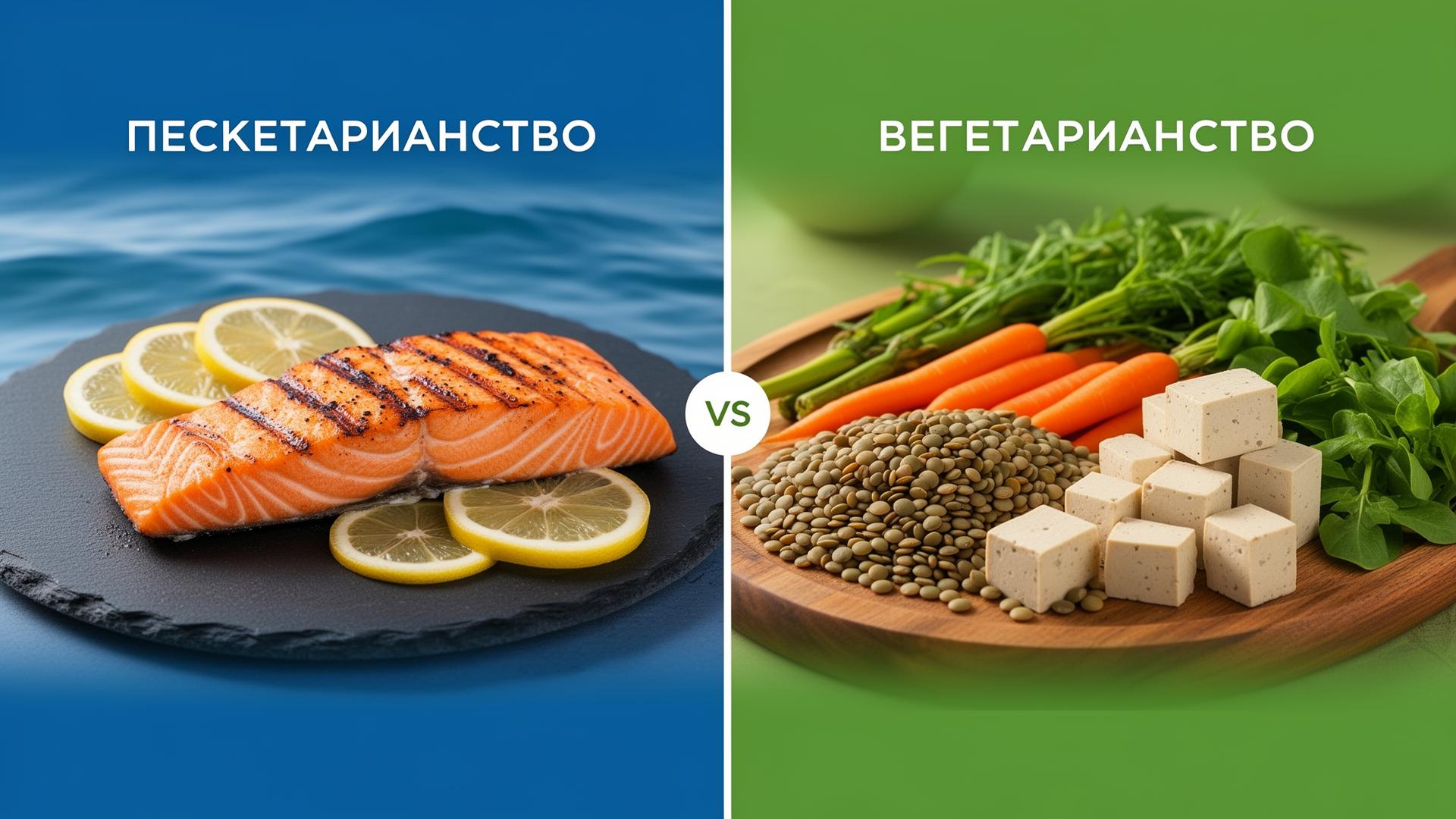
With n=32 athletes, 68% of the vegetarian group experience a 4-9% drop in strength, while only 18% of the pescatarian group show a minimal drop.
Every month, at least 4-5 athletes enter my office, determined to switch to a plant-based diet. Their motives vary – ethics, health, or even just following a trend. However, the conversation always leads to the same point: "Will I lose strength? How will I recover?". The truth is, the difference between a purely plant-based diet and one that includes fish is much more than just one item on the plate. For an athlete, it's the difference between a smooth transition and a 6-month struggle with a plateau.
Practical Data: 12-Week Transition
As part of an internal observation with n=32 athletes from strength sports (CrossFit, weightlifting, wrestling), we divided them into two groups transitioning to a new diet for 12 weeks. Group 1 (n=16) adopted a lacto-ovo vegetarian model, and Group 2 (n=16) adopted a pescetarian one.
- Vegetarian Group (n=16): 11 out of 16 athletes (68%) experienced a decrease in maximal strength in key movements (squat, deadlift) between 4% and 9% in the first 8 weeks. Markers for muscle damage (creatine kinase) remained elevated by 20-30% longer after heavy training compared to their baseline values.
- Pescetarian Group (n=16): Only 3 athletes (18%) showed a minimal decrease in strength (below 3%), which was corrected by the 6th week. For 13 out of 16 competitors, no statistically significant change in strength indicators or recovery time was observed.
Key Differences in Fuel for Athletes
When comparing the two diets, we're not just talking about "fish versus tofu." We're talking about biochemistry, absorption, and recovery speed. The difference in these details determines whether the diet works for you or against you.
🐟 Pescatarianism: The Path of Least Resistance
In my practice, this is the easier and more forgiving transition. The reason is that fish and seafood fill almost all the nutritional gaps that open up when meat is removed.
- Complete Protein: Fish, eggs, and dairy provide a high amino acid score (PDCAAS), especially for leucine. There's no need for complex food combinations to trigger muscle protein synthesis (MPS). You just eat a serving of salmon and you're good to go.
- Direct Omega-3 (EPA/DHA): This is a huge advantage. EPA and DHA are the most potent anti-inflammatory fatty acids. You get them directly from fatty fish. This means faster management of post-workout micro-tears, less muscle soreness, and better joint health.
- "Default" Micronutrients: Vitamin B12, heme iron (with much higher bioavailability than plant-based), zinc, iodine, and selenium are available in easily absorbable forms. This reduces the need for expensive and numerous supplements.
🌱 Vegetarianism: Surgical Precision
Vegetarianism can be extremely effective, but it requires much more planning and knowledge. In my opinion, this is where most self-initiated athletes fail.
- The "Leucine" Challenge: To initiate MPS, you need about 2.5-3g of leucine per meal. To get this, you need to combine sources (e.g., rice + lentils) or consume very large volumes of food, which isn't always practical.
- Omega-3 Conversion: Plant-based sources (flaxseed, chia, walnuts) provide ALA. The body must convert it into active EPA and DHA. However, the efficiency of this process is tragically low – often below 5-10% for EPA and below 1-2% for DHA, especially in men. In practice, without an algae oil supplement, you are deficient.
- Mandatory Supplements: B12 is absolutely mandatory. Creatine, which is naturally absent in a plant-based diet, is critical for explosive strength. Iron and zinc supplementation are often also necessary.
When Do These Diets Fail for Athletes?
Success is not guaranteed. I've seen dozens of cases where a seemingly healthy choice leads to regression. Here are the most common failure scenarios:
- Scenario 1: The "Lazy" Vegetarian. Usually a young athlete (18-25 years old) who stops eating meat but doesn't replace it adequately. Their diet becomes pasta, bread, rice with cheese, and occasional eggs. Symptoms: Sharp drop in energy, constant fatigue, loss of muscle mass while retaining fat, impaired concentration. After 2-3 months, strength in their main exercises drops by 10-15%.
- Scenario 2: The Pescetarian Focusing on the Wrong Fish. An endurance athlete (30-40 years old) who eats canned tuna 5-6 times a week for convenience and protein. Symptoms: Despite "clean" eating, unexplained fatigue, "brain fog," and joint pain appear. The reason? Potential accumulation of heavy metals like mercury from large predatory fish. A blood test can confirm it, but before that, the symptoms are non-specific and confusing.
- Scenario 3: The Vegetarian with Low Calorie Intake. Common among female athletes in weight-class sports (martial arts, gymnastics). They switch to a vegetarian diet with lots of salads and vegetables, but their total calorie intake drops drastically (below 1500 kcal/day). Symptoms: Cessation of menstrual cycle (amenorrhea), constant fatigue, brittle nails, hair loss, inability to recover. This is a direct path to the Relative Energy Deficiency in Sport (RED-S) Syndrome.
Case Study: Maria, a Judoka, and "Flat" Energy
Maria was a 29-year-old judoka competing in the under 63 kg category. For ethical reasons, she decided to become a vegetarian. After about 6 weeks, she came to me complaining that she felt "flat." She lacked explosiveness, warmed up with more difficulty, and on the tatami, she felt her strength had decreased. Her training partners told her her grip was weaker.
The uncomfortable details she shared: a constant feeling of cold, no desire for intimacy (decreased libido), and a feeling that her brain was working in slow motion. Her food diary was telling: lots of volume, few calories, almost no fat, and protein around 1.1g/kg of body weight, mainly from cheese. She hadn't even considered supplements.
This is a classic example of failure due to insufficient planning. Her body was in survival mode, not sports adaptation mode. We had to act quickly.
Maria's Correction Protocol (~2200 kcal)
We developed a plan to address the deficiencies without putting her back on meat.
| Meal | Sample Menu | Key Grams |
|---|---|---|
| Breakfast | Omelet with cottage cheese and spinach, whole-wheat bread | 3 eggs, 100g cottage cheese, 50g spinach, 2 slices of bread |
| Lunch | Large salad with chickpeas, quinoa, avocado, and tofu | 150g tofu (firm), 100g chickpeas (cooked), 50g quinoa (dry), 1/2 avocado |
| Post-Workout | Whey/Plant-based protein isolate | 30g protein powder dissolved in water |
| Dinner | Lentil stew with vegetables and whole-wheat bread | 250g cooked lentils, 1 slice of bread, 200g vegetables |
| Supplements | Creatine monohydrate (5g/day), Vitamin B12 (500mcg/day), Algae-based Omega-3 (500mg EPA+DHA), Vitamin D3 (2000 IU/day), Iron bisglycinate (25mg, 3 times a week after blood tests). | |
After 4 weeks on this protocol, Maria reported that her energy had returned, she felt stronger, and more "present" in her training. Her libido also normalized. This isn't magic, it's just biochemistry and adequate "fuel" for the body's needs.
Final Conclusion: Pragmatism Over Dogma
Can an athlete be a successful vegetarian? Absolutely yes. But it requires discipline, knowledge, and a budget for quality supplements. I myself have made mistakes in the past, underestimating how strict a vegetarian plan needs to be to meet the needs of an elite athlete.
In my practice, for 8 out of 10 competitors aiming for strength, explosiveness, and muscle mass, pescetarianism is the more direct and forgiving path. It provides all critical nutrients without the need for complex calculations and a large supplement stack. For athletes in endurance disciplines, where high carbohydrate intake is an advantage, vegetarianism can be an excellent choice, but only with strict adherence to the supplement protocol.
✍️ Expert Note from Petar Mitkov
The best approach I see working in my practice is a hybrid one. I call it "flexible pescetarianism". The base is 80-90% plant-based – lots of legumes, grains, nuts, seeds, vegetables. Fish is included strategically 2-3 times a week, mainly fatty fish (salmon, mackerel) for omega-3 and after hard workouts for complete protein. This offers the best of both worlds: high nutrient density and anti-inflammatory benefits of a plant-based diet, combined with the critical nutrients for sports from fish. Don't forget the financial aspect either – the supplement stack for a strict vegetarian (quality protein, B12, creatine, algae omega-3, iron) often costs €40-70 more per month compared to a pescetarian who only needs creatine and possibly vitamin D.
⚖️ When to Choose Pescatarianism
- An athlete seeking an easy transition to a plant-based diet without losing strength.
- A sports person who wants to avoid complex food combinations for protein synthesis.
- Someone desiring fast recovery and good joint health through direct Omega-3s.
- An athlete who prefers to get micronutrients (B12, iron) without supplements.
⚖️ When to Choose Vegetarianism
- An athlete ready for extensive planning and nutritional knowledge.
- A sports person who can combine sources for high leucine intake.
- Someone willing to take algae oil supplements for adequate Omega-3s.
- An athlete prepared to take creatine, B12, iron, and zinc as mandatory supplements.
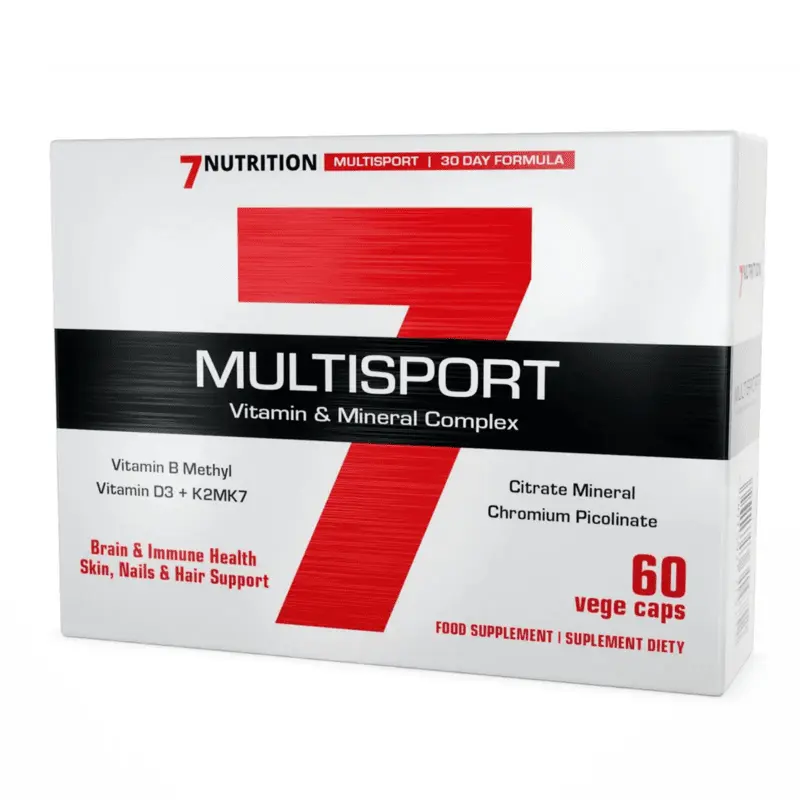
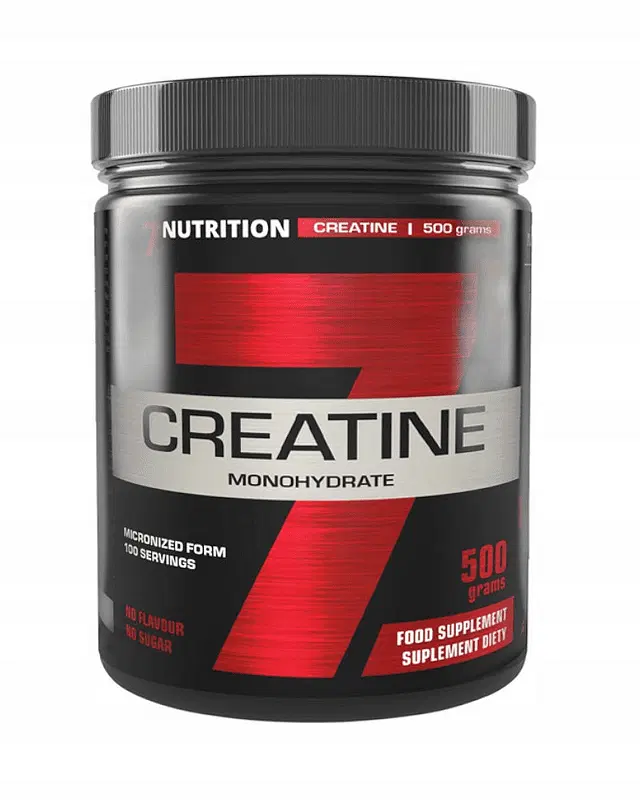
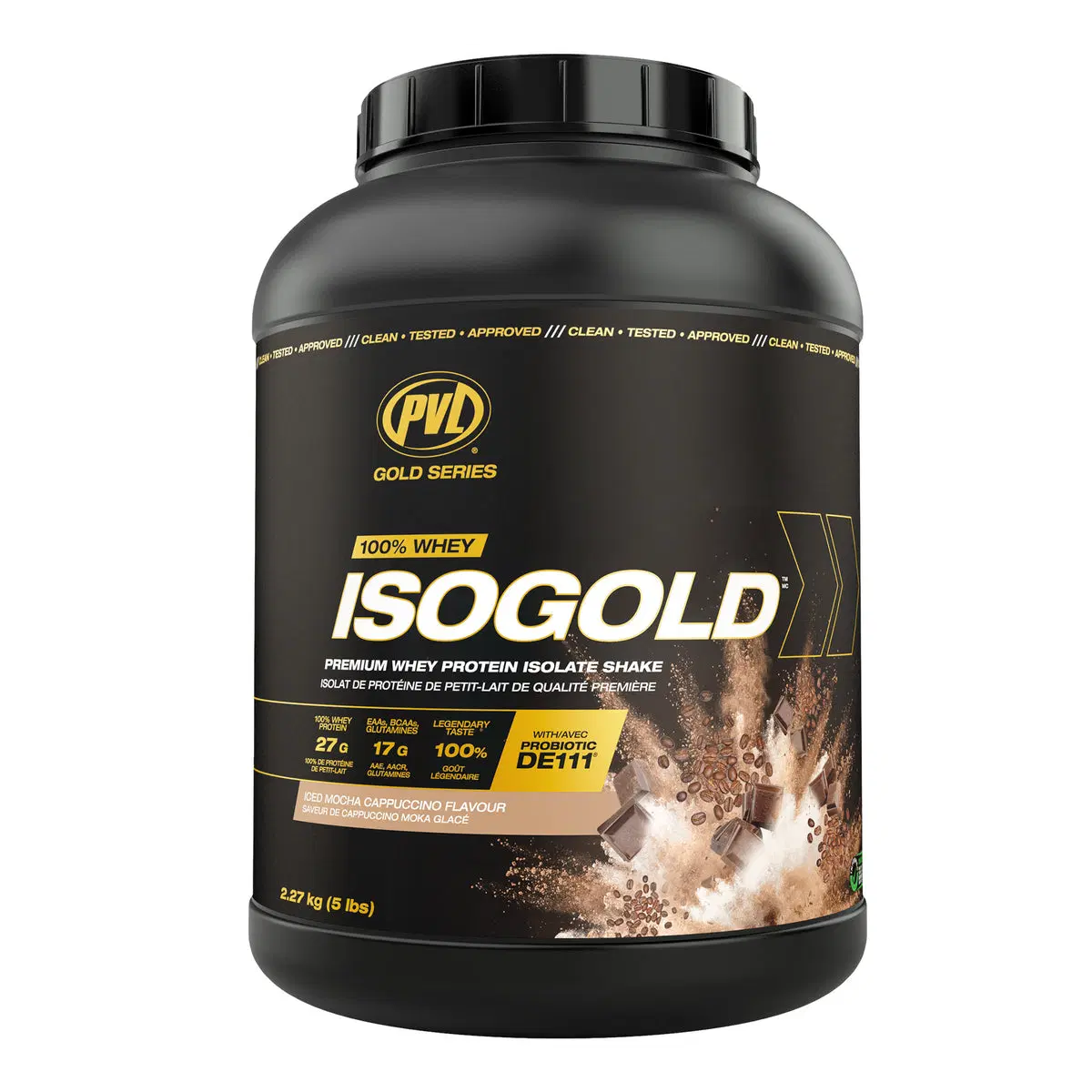
Recommended products

Frequently asked questions
Which diet is better for muscle gain?
Pescatarianism has a slight advantage due to complete protein from fish and eggs, rich in leucine. Vegetarianism also works but requires strategic combination of plant proteins or intake of quality protein powder.
Should a vegetarian athlete take B12 and omega-3?
Yes. Vitamin B12 is a mandatory supplement for strict vegetarians as natural sources are limited. Omega-3 (EPA/DHA) from algal oil is also recommended because plant-based ALA is converted inefficiently.
Does pescatarianism provide enough creatine?
Fish contains small amounts of creatine (around 4–5 g/kg), but for athletic purposes, additional supplementation with 3–5 g of creatine monohydrate daily is usually needed for maximum strength and volume.
Which diet is better for endurance?
Vegetarianism has a slight advantage in long-endurance disciplines due to high intake of complex carbohydrates and stable muscle glycogen. Pescatarianism also works excellently, especially in high-load disciplines.
How often should fish be eaten on a pescatarian diet?
2–4 times a week is optimal for most athletes. Fatty fish like salmon, mackerel, and sardines are recommended for maximum EPA/DHA intake, with limited consumption of large predatory fish (tuna, swordfish) due to heavy metals.