Chicken vs. Beef: Protein Precision vs. Anabolic Capacity
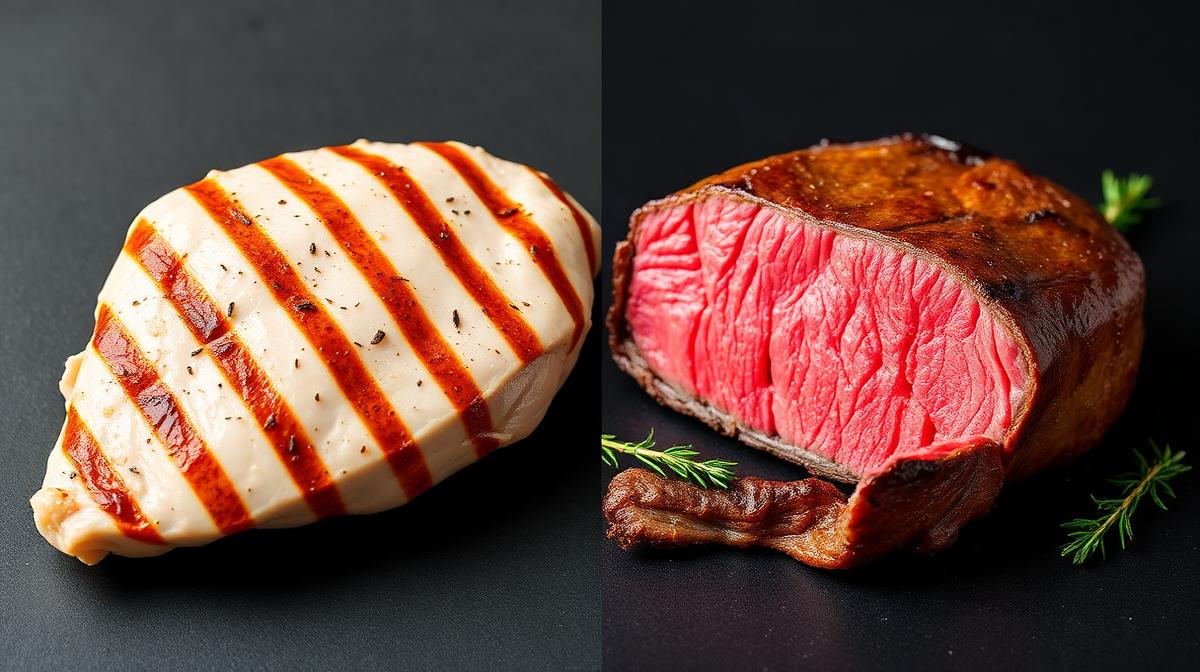
The choice between chicken and beef shouldn't be random. While chicken is the champion of calorie control, beef offers a "metabolic package" of nutrients that optimize the hormonal environment for muscle growth.
This comparison places us at the heart of a classic bodybuilding regimen: "Lean Efficiency" versus "Metabolic Power." Within the body's systemic architecture, Chicken is the precision scalpel for sculpting the physique, while Beef is the heavy engineering that delivers the raw materials for strength and mass.
📊 Comparative Matrix: Nutritional Density & Micronutrients
| Characteristic | Chicken Breast (Lean) | Beef (Sirloin) |
|---|---|---|
| Biological Value | ~79 | ~80–90 |
| Protein per 100g | ~31g (Highest) | ~26g |
| Creatine | Minimal | Natural Source (~4–5g per kg) |
| Iron (Heme Iron) | ~1.0 mg | ~2.7 mg (For Energy) |
| Zinc (Immunity/T-levels) | ~1.0 mg | ~4.8 mg (Crucial for Growth) |
| Selenium (Antioxidant) | High | Moderate |
| Digestion | Fast and Light | Slow (High Satiety) |
🧬 In-depth Mechanism Analysis
1. Chicken: The "Pure Amino Acid Shot"
Chicken (especially breast) is the closest source to pure protein powder.
- Niacin (Vitamin B3): Chicken is exceptionally rich in B3, which helps the body convert carbohydrates into energy. This makes it perfect for pre-workout nutrition.
- Low Inflammation: Due to extremely low saturated fat levels, chicken does not strain the cardiovascular system and is less likely to trigger systemic inflammatory responses compared to red meats.
2. Beef: Nature's "Anabolic Stack"
Beef isn't just protein; it's a complex supplement.
- Creatine & L-Carnitine: Beef contains the highest levels of L-carnitine among meats, which aids fat metabolism and recovery from stress. Natural creatine, in turn, increases muscle cell volume.
- Mineral Bioavailability: The iron and zinc in beef are in "heme" form, which the body recognizes and absorbs instantly, supporting testosterone levels and oxygen transport.
🛡️ Fat and Cholesterol Management
Lipid Profile: Chicken is a rich source of unsaturated fats (especially if home-raised), while beef contains more saturated fats. Excessive beef consumption can elevate "bad" LDL cholesterol levels in genetically predisposed individuals.
Cut Selection: The difference between 100g of chicken and 100g of beef sirloin is barely 50-80 calories. The myth that beef is a "fatty food" is debunked if you choose lean cuts or ground beef with under 10% fat content.
🛠️ Practical Selection Algorithm
🟢 Choose CHICKEN if:
- You are in a strict diet phase (Cutting) and need to conserve every calorie.
- You have a sensitive stomach or digestive issues (chicken is the "lightest" meat).
- You are looking for a budget-friendly way to meet your daily protein needs of 150-200g.
- You aim for heart health and minimal saturated fat intake.
🔵 Choose BEEF if:
- Your primary goal is strength and muscle mass (Bulking).
- You suffer from mild anemia or feel fatigued after intense workouts.
- You want to naturally maintain optimal testosterone levels.
- You utilize intermittent fasting – beef provides satiety for a much longer duration.
🧭 Synergy Protocol (2026): "The Smart Rotation"
🟣 Metabolic Rotation
The best athletes utilize both through metabolic rotation:
- Training Days (High Energy): Beef. Creatine and zinc will support strength performance and the hormonal peak post-workout.
- Cardio or Rest Days: Chicken. Allows the body to recover without adding unnecessary calories that won't be burned.
- Culinary Tip: Avoid frying. Steamed chicken and grilled beef (medium-rare) retain up to 95% of their B vitamins.
Conclusion
In the battle between chicken and beef, there is no loser. Chicken is the king of caloric efficiency, providing pure building material. Beef is the king of nutritional functionality, delivering micronutrients that supplements often try to mimic. The ideal regimen includes 70% chicken for a base and 30% beef for a mineral "reboot".
🧭 When to choose which?
- Choose Chicken, if you are looking for a lean protein source that is versatile for any dietary needs and preparation methods.
- Choose Beef, if you aim for maximum anabolic potential, enrichment with iron and creatine, especially during periods of intense muscle mass training.
- Combine Both, if you desire a balanced protein intake, incorporating the advantages of both types of meat, for optimal recovery and muscle growth.
- Choose Chicken, if you need a fast and easily digestible protein source after a workout.
📖 What is Chicken and Beef?
Chicken meat is a low-fat source of protein, rich in amino acids, supporting muscle growth and recovery. Beef is a dense source of protein, containing creatine, iron, and B vitamins, which contribute to energy and muscle strength.
⚖️ Pros and Cons
| ✅ Pros | ❌ Cons |
|---|---|
|
|
🗣️ Explained simply
Chicken protein is like a finely tuned engine – it gives you protein that your body immediately recognizes and uses to build muscle. Beef, on the other hand, is like a powerful turbo engine – besides protein, it offers other things that can give you more strength and energy for growth.
Recommended products
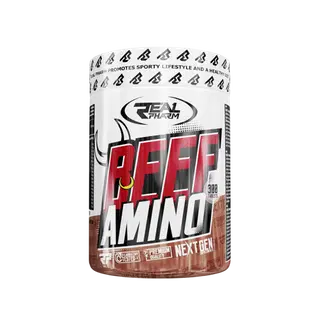
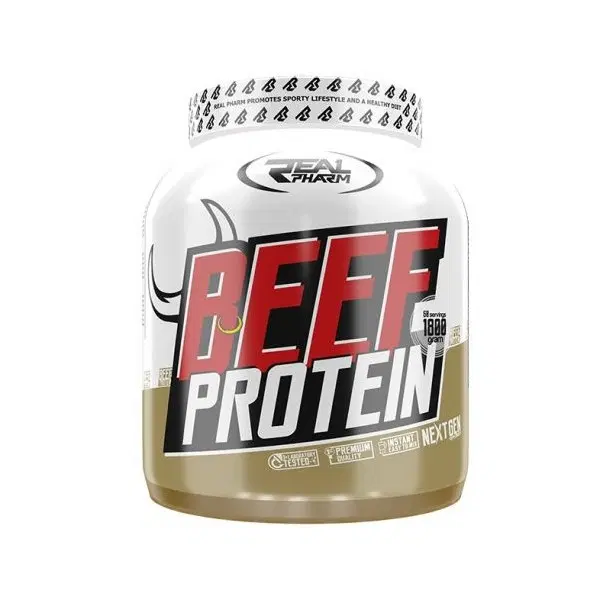
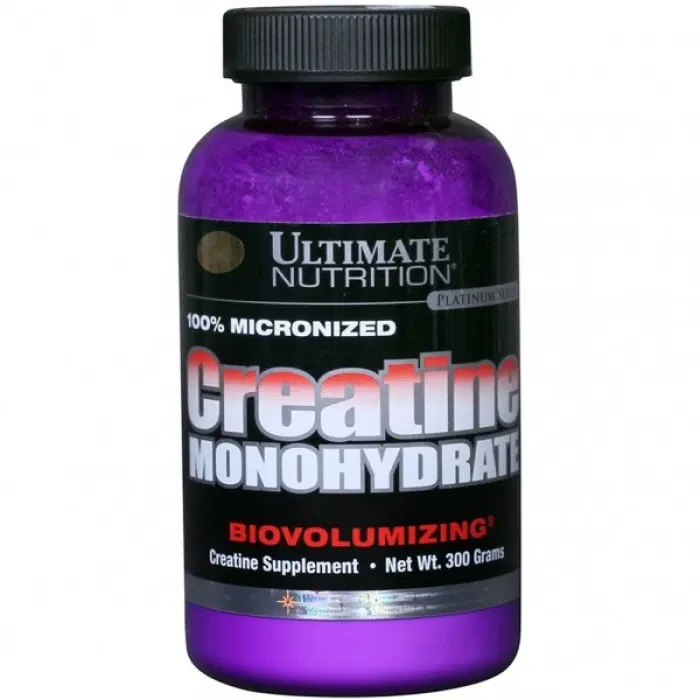
Frequently asked questions
Which meat is better for quick post-workout recovery?
Chicken is digested faster and lighter, making it suitable for protein loading immediately after training. Beef also aids recovery through its natural creatine and L-carnitine.
Is there a difference in benefit for muscle growth between chicken and beef?
Beef is more strongly anabolic due to its high content of creatine, iron, and zinc, which support strength and hormonal environment. Chicken provides lean protein for muscle building.
Can I eat both chicken and beef within the same week?
Yes, top athletes combine both through metabolic rotation. Beef is recommended on high-energy and heavy training days, while chicken is for cardio or rest days.
Which meat is more suitable for people aiming for weight loss?
Chicken is the better choice for strict diets (cutting) as it is lower in calories and helps conserve every calorie. It provides lean protein without excess fat.