PPL (Push/Pull/Legs) — A Complete Hypertrophy Program
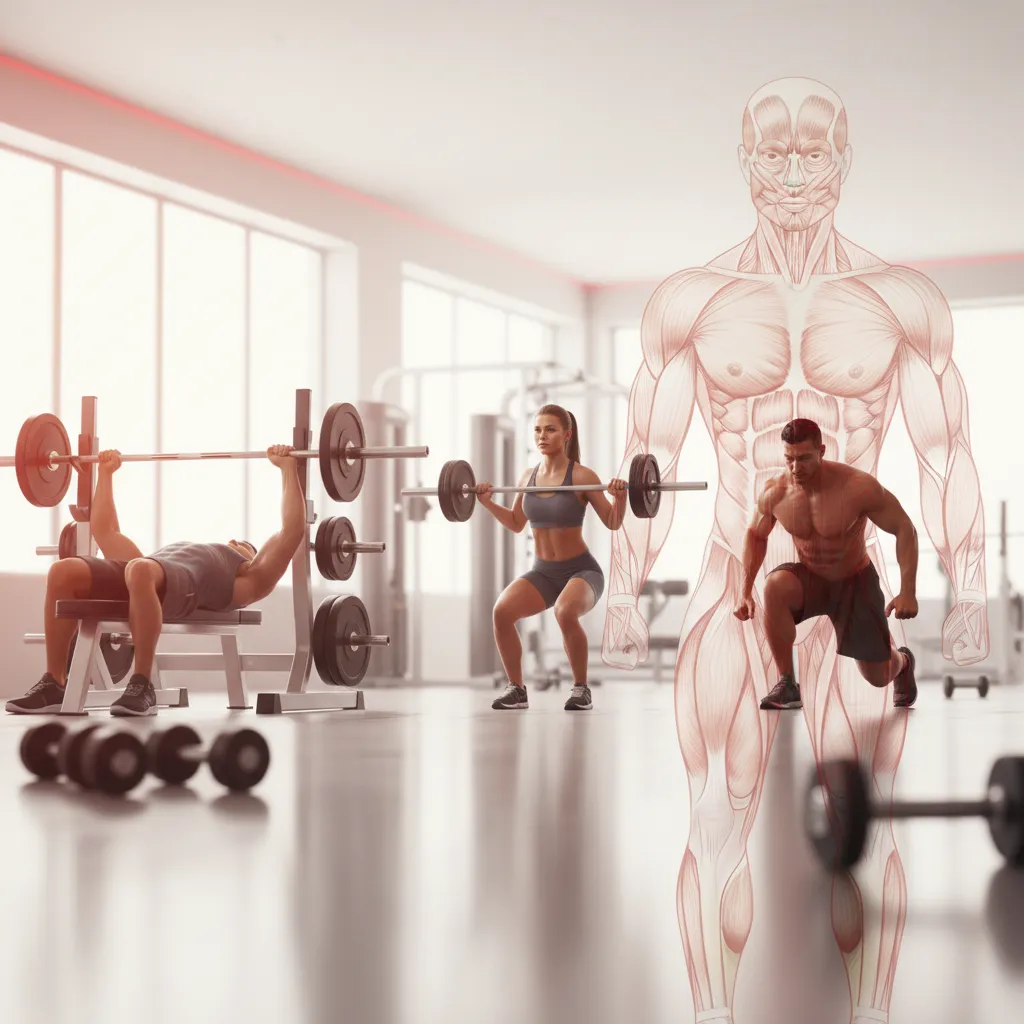
This article presents a detailed PPL (Push/Pull/Legs) program for hypertrophy, optimized for a 6-day split. It covers principles, exercises, per-muscle-group volume, and progression strategies to help you achieve maximum muscle growth.
PPL (Push/Pull/Legs) is a training split that divides muscle groups into three main categories: Push (chest, shoulders, triceps), Pull (back, biceps, rear delts), and Legs (quads, hamstrings, glutes, calves). This structure allows each muscle group to be trained twice a week, which is optimal for hypertrophy according to current scientific data.
The 6-day PPL program is one of the most popular and effective for building muscle mass, especially for advanced beginners and intermediates. It combines high training volume with adequate frequency, while also providing enough recovery time between individual muscle groups.
Why is PPL so effective for hypertrophy?
💬 Simply put: PPL is a workout where you push, pull, or train legs on different days, which helps you build muscle faster.
The effectiveness of the PPL split lies in several key principles of training science:
- High Frequency: Each muscle group is trained twice a week. Research, including meta-analyses by Brad Schoenfeld and colleagues, shows that training with high frequency (2-3 times per week) is more effective for hypertrophy than training once a week.
- Optimal Volume: The PPL program allows for the distribution of weekly training volume into two sessions per muscle group. This means you can perform more working sets without overtraining in a single session. For hypertrophy, the optimal volume is between 10 and 20 working sets per muscle group per week for most people.
- Synergistic Muscle Action: Grouping muscles by function (push, pull, legs) is intuitive and allows for efficient energy utilization. For example, during chest, shoulder, and triceps training, these muscles work together in most movements, increasing the overall stress on them and stimulating growth.
- Focus and Recovery: A six-day split means you have only one rest day per week, but each muscle group gets about 72 hours to recover before its next workout. This is sufficient for most people, especially if nutrition and sleep are adequate.
PPL Program Basics (6-Day Split)
The classic 6-day PPL split looks like this:
- Day 1: Push - Chest, Shoulders, Triceps
- Day 2: Pull - Back, Biceps, Rear Delts
- Day 3: Legs - Quads, Hamstrings, Glutes, Calves
- Day 4: Rest (or active recovery like light cardio)
- Day 5: Push - Chest, Shoulders, Triceps (second workout)
- Day 6: Pull - Back, Biceps, Rear Delts (second workout)
- Day 7: Legs - Quads, Hamstrings, Glutes, Calves (second workout)
This is just one option; others prefer 3 days of training, 1 day of rest, repeat. The choice depends on your schedule and preferences.
Intensity and Volume
- Intensity: Work in the 6-12 rep range for most hypertrophy exercises. Experiment with weight so that you feel significant effort in the last few reps (RPE 7-9 or 1-3 reps shy of failure). For some isolation exercises, you can use a higher rep range (12-15+).
- Volume (Weekly):
- Chest: 10-16 working sets
- Back: 10-18 working sets (split into vertical and horizontal pulls)
- Shoulders: 8-14 working sets (front, side, rear delts)
- Quads: 8-14 working sets
- Hamstrings/Glutes: 8-14 working sets
- Triceps: 6-10 working sets
- Biceps: 6-10 working sets
- Calves/Abs: 4-8+ working sets
- Rest between sets: 60-120 seconds for isolation and 2-3 minutes for main compound exercises.
Sample PPL Program for Hypertrophy (6-Day Split)
This is a sample program. Always adapt it to your individual needs, experience, and available equipment. If you are an absolute beginner, start with a beginner program and gradually transition to PPL.
Workout #1: Push A
| Exercise | Sets | Reps | Notes |
|---|---|---|---|
| Barbell Bench Press | 3-4 | 6-10 | Main chest exercise |
| Incline Dumbbell Press | 3 | 8-12 | Upper chest |
| Barbell Overhead Press | 3 | 6-10 | Front and side delts |
| Lateral Raises | 3 | 10-15 | Side delts |
| Triceps Pushdowns | 3 | 10-15 | Triceps isolation |
| Overhead Triceps Extension | 3 | 10-15 | Long head of triceps |
Workout #2: Pull A
| Exercise | Sets | Reps | Notes |
|---|---|---|---|
| Pull-ups or Lat Pulldowns | 3-4 | 6-12 | Vertical back pull |
| Barbell Rows | 3-4 | 6-10 | Horizontal back pull |
| Seated Cable Rows | 3 | 8-12 | Mid-back |
| Face Pulls | 3 | 12-15 | Rear delts, rotator cuff |
| Barbell/Dumbbell Curls | 3 | 8-12 | Biceps |
| Hammer Curls | 3 | 10-15 | Brachialis, brachioradialis |
Workout #3: Legs A
| Exercise | Sets | Reps | Notes |
|---|---|---|---|
| Barbell Squat | 3-4 | 6-10 | Main for quads and glutes |
| Leg Press | 3 | 8-12 | Quads |
| Romanian Deadlift | 3 | 8-12 | Hamstrings, glutes, lower back |
| Leg Curls | 3 | 10-15 | Hamstring isolation |
| Standing Calf Raises | 3-4 | 10-20 | Gastrocnemius muscle |
Next is rest, followed by repeating the program - Push B, Pull B, Legs B workouts. It's important to vary the exercise variations in the A and B days to ensure muscles are stimulated from different angles and to prevent adaptation. You can swap main and accessory exercises or change angles.
Workout #5: Push B
| Exercise | Sets | Reps | Notes |
|---|---|---|---|
| Dumbbell Bench Press | 3-4 | 8-12 | More stability, balance |
| Dips or Cable Crossovers | failure / 3 | max reps / 10-15 | Lower chest / Isolation |
| Seated Dumbbell Shoulder Press | 3 | 8-12 | Overall shoulder |
| Front Raises | 3 | 10-15 | Front delts |
| Single Arm Overhead Extension | 3 | 10-15 (per arm) | Long head of triceps |
| Close-Grip Bench Press | 3 | 8-12 | Compound for triceps and chest |
Workout #6: Pull B
| Exercise | Sets | Reps | Notes |
|---|---|---|---|
| Deadlift or Weighted Hyperextensions | 2-3 | 5-8 | Compound, full body, emphasis on back/hamstrings. Perform heavy sets only if you don't have a heavy deadlift on leg day. |
| Neutral Grip Pull-ups or Wide Grip Lat Pulldowns | 3-4 | 6-12 | Different variation of vertical pull |
| One-Arm Dumbbell Rows | 3 | 8-12 (per arm) | Unilateral back work |
| Reverse Pec Deck Fly / Bent Over Lateral Raises | 3 | 12-15 | Rear delts |
| Preacher Curls | 3 | 8-12 | Biceps focus |
| Concentration Curls | 3 | 10-15 | Additional isolation |
Workout #7: Legs B
| Exercise | Sets | Reps | Notes |
|---|---|---|---|
| Hack Squat or Front Squat | 3-4 | 8-12 | Alternative to back squat with quad emphasis |
| Dumbbell Lunges | 3 | 10-15 (per leg) | Quads, glutes, balance |
| Barbell Glute Bridges | 3 | 10-15 | Glute focused |
| Leg Extensions | 3 | 12-15 | Quad isolation |
| Seated Calf Raises | 3-4 | 15-20 | Soleus muscle |
Progressive Overload and Nutrition
To grow, you need to apply the principle of progressive overload. This means you must constantly challenge your muscles to work harder. Methods for progression include:
- Increasing weight: The primary method. When you can perform the upper end of the rep range with ease, increase the weight.
- More reps: Perform more reps with the same weight.
- More sets: Add sets to exercises, but be careful not to overdo it.
- Decreasing rest time: Makes the workout more intense.
- Improved technique: Better form often means more effective loading of the target muscles.
- Slower tempo: Longer time under tension (TUT) can stimulate hypertrophy.
Nutrition is just as important as training. For hypertrophy, a calorie surplus is necessary (a slight calorie surplus of 200-500 calories above maintenance needs) and adequate protein intake (1.6-2.2 grams per kilogram of body weight). Ensure you also consume enough carbohydrates for energy and fats for hormonal health.
- High frequency of training per muscle group (twice a week), optimal for hypertrophy.
- Allows for high weekly volume, distributed more effectively.
- Logical grouping of muscles by function, optimizing synergistic action.
- Effective for advanced beginners and intermediates.
- Opportunity to vary exercises between A and B days.
- Requires serious commitment and 6 training days per week.
- May be too much for absolute beginners or those with limited time.
- Insufficient recovery if nutrition, sleep, and stress are not managed.
- Can lead to overtraining if volume and intensity are not regulated properly.
- Less schedule flexibility compared to 3-4 day splits.
Important Tips for Successful PPL Program Execution
- Warm-up and stretching: Always start with 5-10 minutes of light cardio and dynamic stretching. Include specific warm-up sets with light weights for the workout.
- Cool-down and stretching: At the end of the workout, spend 5-10 minutes on static stretching of the trained muscles.
- Rest and sleep: Ensure 7-9 hours of quality sleep each night. Without it, recovery and muscle growth will be compromised.
- Hydration: Drink enough water throughout the day, especially during workouts.
- Listen to your body: If you experience severe fatigue, pain, or a drop in performance, take an extra rest day or reduce volume/intensity. Overtraining is the enemy of progress.
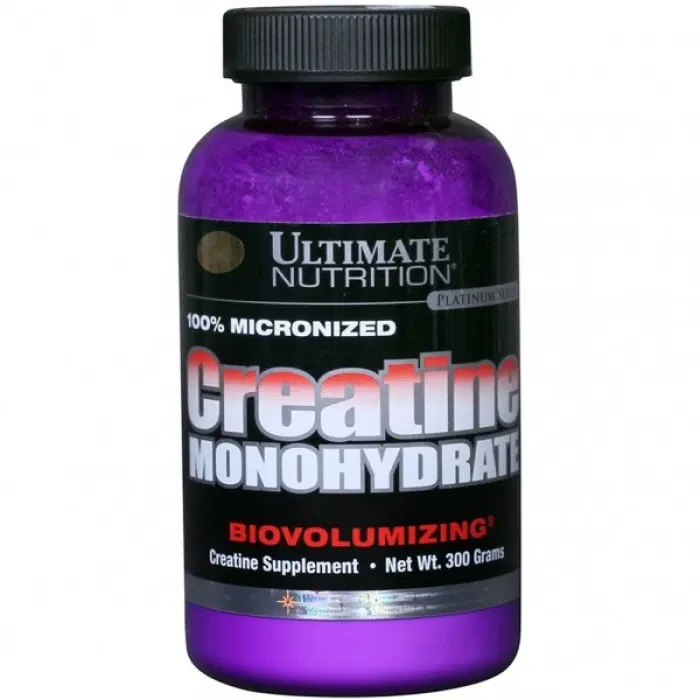
- Supplements: Not mandatory, but creatine monohydrate, whey protein, and omega-3s can be useful additions to a well-balanced diet.
- Periodization: You don't need to be in a state of maximum volume and intensity all the time. Cycle phases of higher and lower volume/intensity to maintain progress and prevent plateaus.
See more in the fitness guides at Sport Zona Academy.
📚 Scientific Sources
- How Many Times Per Week Should a Muscle Be Trained to Maximize Muscle Hypertrophy? A Systematic Review and Meta-Analysis of Studies Investigating the Effects of Resistance Training Frequency., 2019
- Effects of Resistance Training Frequency on Measures of Muscle Hypertrophy: A Systematic Review and Meta-Analysis., 2016
- A dose-response relationship between weekly resistance training volume and increases in muscle mass: a systematic review and meta-analysis., 2017
🔬 Expert Note from Sport Zona
In over 12 years of working with Bulgarian athletes, I've noticed that PPL is one of the most successful programs for intermediates. Many achieve significant muscle growth, especially when they combine proper nutrition with this structure. If you follow everything strictly and recover adequately, the results will not be long in coming.
See more in the fitness guides of Sport Zona Academy.
Recommended products

Frequently asked questions
How long should I rest between sets?
For compound exercises like presses and squats, rest for 2-3 minutes to fully recover. For isolation exercises, 60-90 seconds is sufficient. The goal is to perform each set with optimal effort, not to exhaust yourself prematurely.
Can I do cardio with the PPL program?
Yes, light cardio (20-30 minutes) can be done after strength training or on rest days to improve recovery and cardiovascular function. Avoid overly intense cardio that might compromise recovery from strength training.
What should I do if I can't train 6 days a week?
If you cannot commit to 6 days, PPL can be adapted to a 3 or 4-day split (e.g., PPL, rest, PPL, rest, rest). This will reduce frequency and volume per muscle group but can still be effective for hypertrophy, especially for beginners. Another option is to use a less frequent split like Full Body 3 times a week.
How often should I change exercises in the PPL program?
You don't need to change exercises too often. Stick to the main exercises and aim for progression in them. You can change exercise variations (A and B days) every 6-8 weeks or when you feel your progress has stalled, but always focus on the main movements – squat, deadlift, presses, and rows.