4-Week Beginner Boxing Bag Workout Program | Sport-Zona
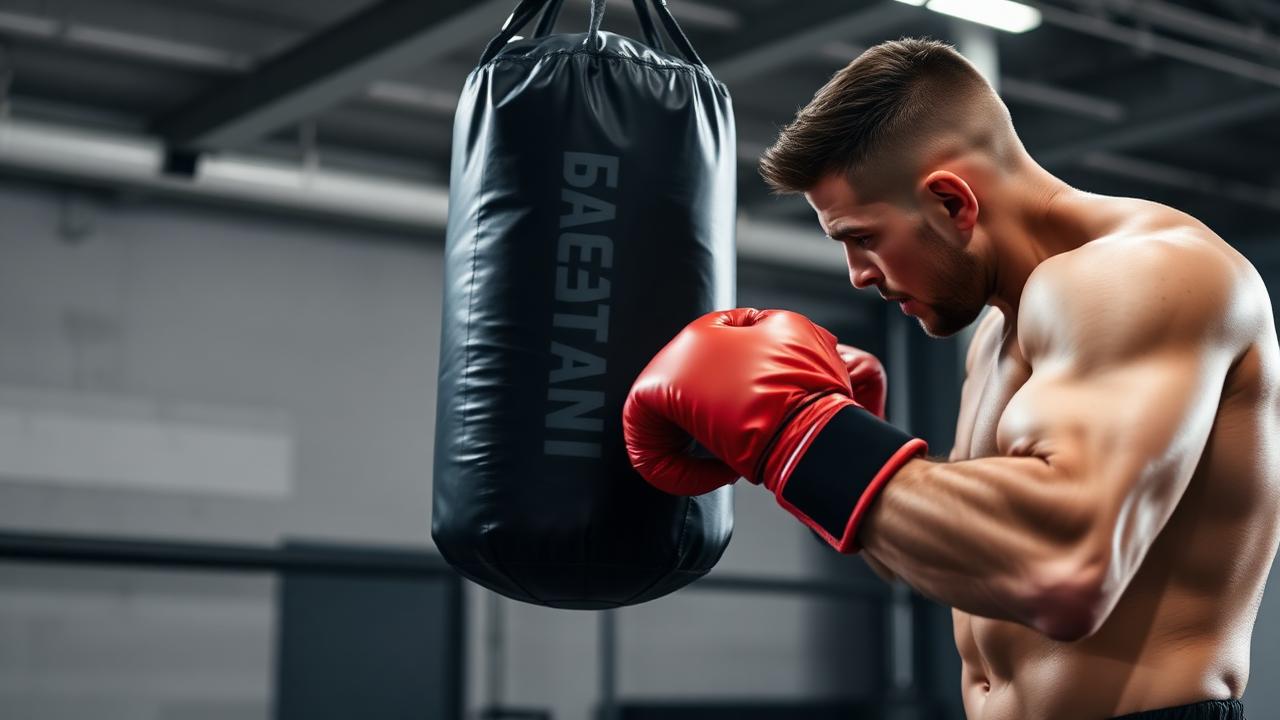
Want to train on a heavy bag but don't know where to start? This 4-week program guides you step-by-step from basic punches to intense conditioning rounds.
The feeling of landing a clean, powerful punch on a heavy bag is unparalleled—a combination of strength, technique, and complete stress relief. But behind the apparent simplicity lies a science. This 4-week program is your step-by-step guide, taking you from an absolute beginner to a fighter with good technique, conditioning, and confidence in front of the bag. Forget chaotic hitting; it's time to learn how to punch correctly, effectively, and safely.
Why is heavy bag work more than just hitting?
Heavy bag training is one of the most comprehensive and effective cardio activities. Unlike running on a treadmill, here you engage the entire body—legs for stability and power, core and waist for rotation and energy transfer, and the upper body for the punch itself. Each session is an intense cardio workout that burns hundreds of calories (up to 500-600 per hour), improves heart health, and increases lung capacity.
Besides the physical benefits, working the bag is also a powerful tool for mental release. Focusing on combinations, movement, and rhythm detaches the mind from daily problems. The controlled release of aggression and accumulated tension in a safe environment has a proven therapeutic effect, reducing stress levels and improving mood and concentration.
What is the mandatory safety equipment?
Before you throw even a single punch, you must take care of your most important tool—your hands. Never hit the bag with bare hands. The mandatory equipment includes two main components: hand wraps and boxing gloves. Hand wraps (preferably 4.5 meters) are long strips of cloth that are wrapped around the wrists, palms, and knuckles.
Their role is critical in preventing injuries. Here's why they are so important:
- Wrist Stabilization: They support the wrist in the correct position during a punch and prevent sprains or fractures.
- Knuckle Compression: They keep the small bones in the hand tight together, distributing the impact force evenly.
- Sweat Absorption: They absorb sweat and protect the inside of your gloves, extending their life.
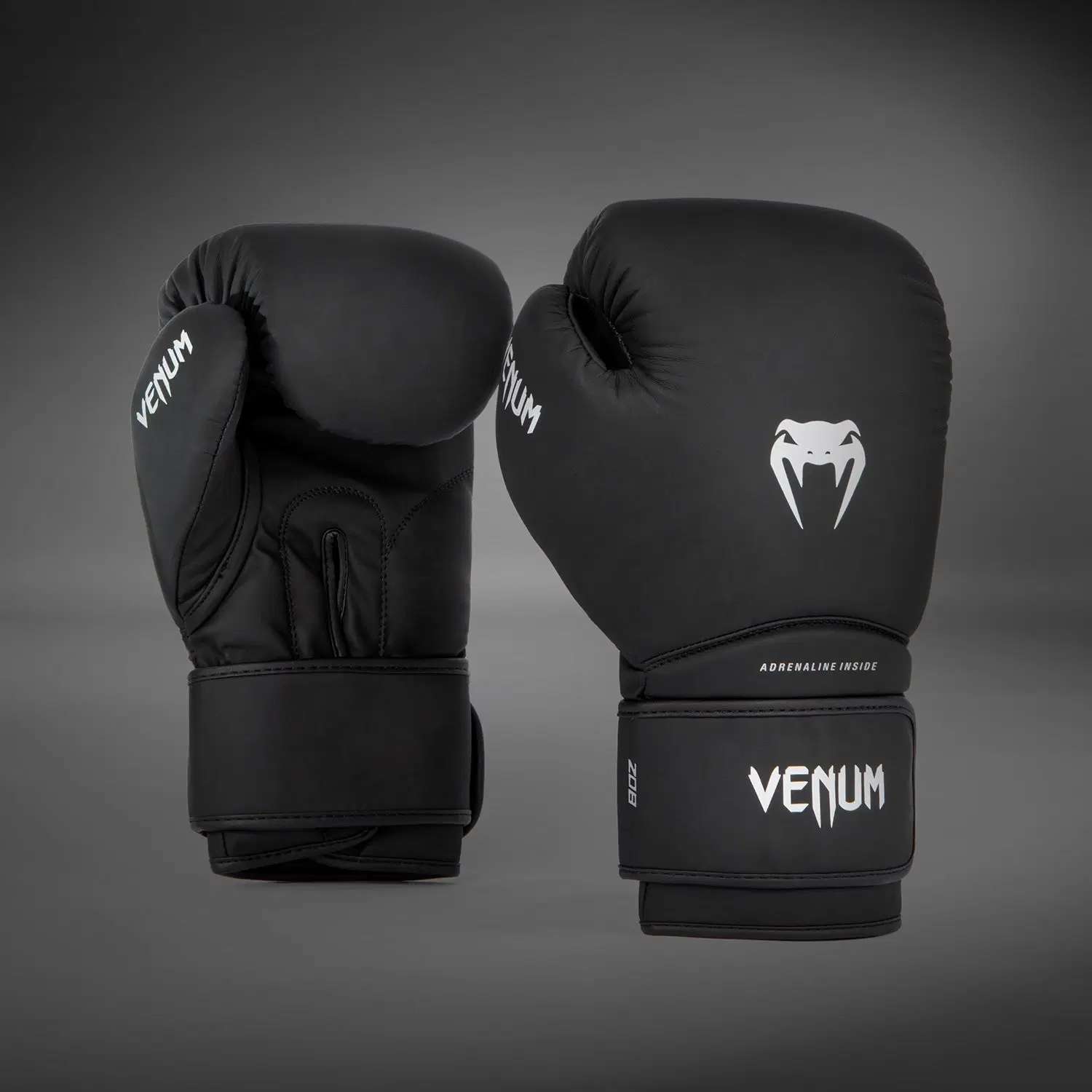
Boxing gloves (12 to 16 ounces for heavy bag training) provide cushioning for your knuckles and add weight, which makes the workout harder and more effective for building strength and endurance in the shoulders. Heavier gloves (14-16 oz) offer more protection and are an ideal choice for beginners.
How to properly stand and hold your guard?
The foundation of every punch is the correct stance. It provides balance, allows for power generation from the ground up, and facilitates defense. Stand with your feet shoulder-width apart. If you are right-handed (orthodox stance), step forward with your left foot; if you are left-handed (southpaw), step forward with your right. The back foot is slightly turned outward, and its heel is slightly raised, ready for rotation. The weight is distributed approximately 60/40 on the back leg.
The knees are slightly bent, and the body is slightly turned sideways to present a smaller target. Raise your hands so that your fists are at cheek level, protecting your chin. The elbows are tucked into the body to protect the ribs. The chin is slightly tucked towards the chest. Your gaze is directed forward, over your fists. This position is your 'fortress'—every attack starts from it, and you return to it after every punch.
What are the basic punches and how to execute them technically?
In boxing, there are four basic punches. Initially, focus on form, not power. Power comes from the rotation of the hips and torso, not from the arms.
- 1. Jab: A quick, sharp punch with the lead hand. It's used to measure distance, set up combinations, and score points. The arm extends straight forward, with the shoulder rotating slightly to protect the chin.
- 2. Cross: Your power punch. It is executed with the rear hand, while simultaneously the rear foot pivots (as if squashing a cigarette), and the hip and torso rotate powerfully forward.
- 3. Hook: A power punch from the side, aimed at the head or body. The elbow is kept bent at about 90 degrees, and the power again comes from the body's rotation.
- 4. Uppercut: A bottom-to-top punch, effective at close range. Slightly bend your knees, drop your shoulder, and drive the punch upward, using power from your legs and torso.
How is the 4-week beginner program structured?
The program is divided into four weeks with progressively increasing difficulty. Train 3 times a week, leaving at least one day of rest between workouts (e.g., Monday, Wednesday, Friday). Every workout should start with a warm-up and end with a cool-down.
Week 1: Technique Fundamentals
The goal is to learn and automate the basic punches and defensive stance.
| Exercise | Focus | Duration |
|---|---|---|
| Movement and Stance | Moving forward, backward, and sideways without crossing feet. | 3 rounds x 2 min |
| 1 (Jab) | Speed, returning hand to guard. | 3 rounds x 2 min |
| 2 (Cross) | Rotation of back foot and hip. | 3 rounds x 2 min |
| 3 (Hook) | Elbow at fist level. | 3 rounds x 2 min |
| 4 (Uppercut) | Power from the legs. | 3 rounds x 2 min |
Week 2: Combination Basics
We start connecting the punches into fluid and logical combinations.
| Combination | Focus | Duration |
|---|---|---|
| 1-2 (Jab-Cross) | Connecting a fast punch with a power punch. | 5 rounds x 2 min |
| 1-1-2 (Jab-Jab-Cross) | Rhythm and maintaining distance. | 5 rounds x 2 min |
| 1-2-3 (Jab-Cross-Hook) | Weight transfer during rotation. | 5 rounds x 2 min |
What are conditioning rounds and HIIT workouts?
Once you've built a technical foundation, it's time to increase the intensity to improve your endurance and cardio. 3-minute rounds simulate an amateur boxing match and teach you to manage your energy. HIIT (High-Intensity Interval Training) is a method of alternating short, explosive high-intensity intervals with brief rest periods. This is an extremely effective way to burn fat and improve anaerobic endurance.
Week 3: Endurance Rounds
Work freely, applying the learned punches and combinations in 3-minute rounds.
| Round | Work | Rest | Intensity (RPE 1-10) |
|---|---|---|---|
| 3 rounds | 3 min | 1 min | 6/10 (moderate pace) |
| 2 rounds | 3 min | 1 min | 7/10 (slightly increased pace) |
Week 4: HIIT and Conditioning
The goal here is maximum intensity. We also add head movement and footwork.
| Exercise | Work (seconds) | Rest (seconds) | Number of rounds |
|---|---|---|---|
| Fast straight punches (non-stop) | 30 | 15 | 5 |
| Power punches (Cross/Hook) | 30 | 15 | 5 |
| Footwork around the bag + Jab | 60 | 30 | 4 |
| Head Movement (slips and rolls) | 60 | 30 | 4 |
How to warm up before and cool down after a workout?
Never skip the warm-up and cool-down. They are just as important as the main part of the workout for preventing injuries and aiding recovery.
Warm-up (10-15 minutes): The goal is to raise your body temperature and prepare your joints and muscles for the load.
- 5 minutes of jump rope or jumping jacks.
- Dynamic stretches: arm circles, torso twists, lunges, high knees.
- 2-3 minutes of shadow boxing without gloves, focusing on lightness and technique.
Cool-down (5-10 minutes): Helps clear lactic acid and return muscles to their normal state. Hold each stretch for 20-30 seconds.
- Chest and shoulder stretches (e.g., clasping hands behind your back).
- Back and lat stretches.
- Triceps and biceps stretches.
- Calf and hamstring stretches.
Recommended products

Frequently asked questions
What gloves do I need for heavy bag training?
For heavy bag training, gloves from 12 to 16 ounces (oz) are recommended. Heavier gloves (14-16 oz) provide more padding and protection for your hands, which is ideal for beginners.
Can I train without hand wraps?
No, absolutely not. Hand wraps (preferably 4.5m) are mandatory. They stabilize the many small bones and joints in your wrist and hand, protecting against sprains and fractures.
How often should I do this program?
The program is designed for 3 workouts per week. This provides an optimal balance between load and recovery time for your muscles and nervous system between sessions.
Should I hit hard from the very beginning?
No, in the beginning, the absolute priority is technique, not power. Focus on executing punches correctly with body rotation. Power will come naturally as your form improves.
What does RPE mean in the workout table?
RPE (Rate of Perceived Exertion) is a scale of perceived effort, usually from 1 to 10. It helps you subjectively gauge the intensity of your workout without needing a heart rate monitor.