Mass Gain Program

Mass Gain Program — Complete Guide with Types, Benefits, Dosages, and Expert Recommendations. Everything in One Place from SportZone.
Mass Gaining Program: The Complete Guide to Supplements and Optimal Intake
What are Mass Gaining Supplements and Why Are They Important for Athletes?
Mass gaining supplements are specialized nutritional products designed to support the process of hypertrophy – the increase in muscle fiber size. They are important for athletes and individuals aiming for greater muscle mass, as they provide concentrated doses of nutrients that are often difficult to obtain solely through diet in the quantities needed for optimal growth. These supplements work by optimizing conditions for muscle synthesis, reducing muscle breakdown, improving recovery, and increasing energy levels during workouts.
🔬 From SportZone's Experience
In our work with over 50,000 clients, we've observed that the most common mistake in mass gaining is underestimating total caloric intake and irregular supplement consumption. Many users expect results solely from protein, forgetting about adequate carbohydrates and fats in their diet. We often see improvement when clients start following a consistent strategy that includes both supplements and a strict nutrition and training regimen.
At the core of muscle growth lie positive nitrogen balance and sufficient intake of calories and protein. Supplements play a key role in achieving these goals by offering a convenient and effective way to supplement the diet. They can help overcome plateaus, accelerate recovery after intense workouts, and provide the necessary "building blocks" for new muscle fibers. Without adequate nutritional support, gym efforts may yield no desired results, making supplements a valuable tool in the arsenal of anyone aiming for significant muscle mass gains.
What Types of Mass Gaining Supplements Exist and How Do We Differentiate Them?
The market for mass gaining supplements is extremely rich and diverse, with each category having its specific functions and benefits. Differentiating them is key to choosing the most suitable ones for individual goals. Here are the main types:
📚 Scientific Sources
- Morton, R. W., et al. (2017). Protein Supplementation Aided by a Combined Exercise Program Enhances Muscle Hypertrophy. Journal of Applied Physiology, 122(3), 519–529. (DOI: 10.1152/japplphysiol.00693.2016)
- Buford, T. W., et al. (2007). International Society of Sports Nutrition position stand: creatine supplementation and exercise. Journal of the International Society of Sports Nutrition, 4(1), 6. (DOI: 10.1186/1550-2783-4-6)
- Kerksick, C. M., et al. (2018). International Society of Sports Nutrition Position Stand: nutrient timing. Journal of the International Society of Sports Nutrition, 15(1), 38. (DOI: 10.1186/s12970-018-0242-y)
- Phillips, S. M., & Van Loon, L. J. C. (2011). Dietary protein for athletes: from requirements to optimum adaptation. Journal of Sports Sciences, 29(sup1), S29-S38. (DOI: 10.1080/02640414.2011.619204)
- Whey Protein: One of the most popular and fast-absorbing protein sources, ideal for post-workout intake for rapid recovery and muscle synthesis.
- Casein: A slow-digesting protein that provides a sustained release of amino acids, making it an excellent choice before sleep or between meals.
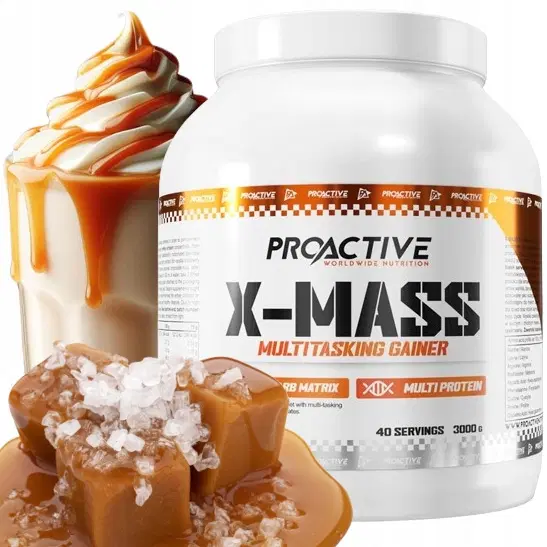
- Mass Gainer: A combination of carbohydrates, proteins, and fats designed for individuals who struggle to consume enough calories for weight and muscle mass gain.
- Creatine: A proven effective supplement that increases strength, power, and muscle volume by enhancing ATP production.
- BCAA (Branched-Chain Amino Acids): Includes leucine, isoleucine, and valine, which are important for muscle protein synthesis, reducing muscle breakdown, and aiding recovery.
- EAA (Essential Amino Acids): All nine essential amino acids that the body cannot produce on its own, critical for complete muscle growth and recovery.
- L-Glutamine: The most abundant amino acid in the body, important for immune function, recovery, and can reduce muscle fatigue.
- HMB (Beta-Hydroxy-Beta-Methylbutyrate): A metabolite of leucine that can reduce muscle breakdown and support recovery, especially during intense training.
- Beta-Alanine: Improves endurance by increasing carnosine levels in muscles, which buffers lactic acid and delays fatigue.
- Dextrose: A fast-acting carbohydrate that is absorbed immediately, ideal for replenishing glycogen stores after training and for transporting other nutrients.
- Betaine: Supports strength and power by participating in metabolic processes and can improve cell hydration.
How to Choose the Right Mass Gaining Supplements for Our Goals?
The choice of the right supplements depends entirely on individual goals, training regimen, and dietary habits. Here is a decision-making matrix:
- For Muscle Growth: Opt for Whey Protein, Creatine, and EAA. They provide the necessary building blocks and energy for new muscle fiber synthesis.
- For Endurance: Beta-Alanine and Dextrose can significantly improve your ability to train longer and more intensely by reducing fatigue and maintaining energy levels.
- For Recovery: L-Glutamine, BCAA, and Casein are excellent for accelerating recovery, reducing muscle soreness, and preventing catabolism.
- For Fat Loss: Although the main goal of this page is mass gain, Whey Protein can also be beneficial for fat loss, as it helps maintain muscle mass during a calorie deficit and increases satiety.
- For Beginners: Start with foundational supplements like Whey Protein and Creatine. They offer the best value for money and are scientifically proven for effectiveness in increasing muscle mass and strength.
How and When to Take Mass Gaining Supplements for Maximum Results?
Proper timing and dosage are just as important as choosing the supplements themselves. To get the most out of each supplement, it's important to adhere to general principles tailored to the body's physiological processes.
- Pre-Workout: Taking certain supplements before training can increase energy, focus, and reduce fatigue. Beta-Alanine is great for boosting endurance. Creatine can also be taken pre-workout to support strength and power.
- Post-Workout: This period is critical for recovery and muscle growth. Whey Protein is ideal due to its rapid absorption, providing amino acids for repair. Combining it with a fast carbohydrate like Dextrose can accelerate glycogen replenishment and improve protein utilization. BCAA and L-Glutamine are also recommended for reducing catabolism and aiding recovery.
- Daily: Some supplements require consistent intake for cumulative effects. Creatine is taken daily (even on rest days) to maintain saturated muscle stores. Casein is excellent for pre-sleep intake, providing a slow and steady release of amino acids throughout the night, which protects muscles from breakdown. EAA can be taken anytime during the day to ensure a constant supply of essential amino acids. HMB and Betaine are also taken daily for optimal results.
What Supplement Combinations (Stacks) for Mass Gaining Work Best?
Combining supplements, or "stacking," can lead to a synergistic effect that is greater than the sum of their individual actions. Here are some effective combinations:
- Basic Muscle Growth Stack: Whey Protein + Creatine. This combination is the gold standard for beginners and advanced users, providing building blocks and increasing strength.
- Maximum Recovery and Growth Stack: Whey Protein + Creatine + BCAA / EAA + L-Glutamine. This stack covers all aspects – protein synthesis, strength, catabolism reduction, and immune support.
- Volume and Strength Stack: Mass Gainer (for those who struggle to gain weight) + Creatine + Beta-Alanine. Focuses on providing a caloric surplus, increasing strength, and endurance.
- Anti-Catabolism and Muscle Maintenance Stack: Casein (before sleep) + BCAA (during workout) + HMB. This combination is ideal during periods of more intense training or slight calorie deficit when the goal is to preserve muscle mass.
What Are the Most Common Mistakes Made When Taking Mass Gaining Supplements?
Even the best supplements can be ineffective if not taken correctly. Common mistakes can compromise results:
- ❌ Neglecting Diet and Training: Supplements are merely an addition to a well-balanced diet and an effective training program. They cannot compensate for poor eating habits or lack of sufficient exertion. Optimize the fundamentals first, then consider supplements.
- ❌ Incorrect Dosage and Timing: Taking too little or too much of a supplement, or taking it at the wrong time, can reduce its effectiveness. Always follow the dosage recommendations on the packaging or from a specialist.
- ❌ Expecting Quick, Magical Results: Supplements are not magic pills. They support the process but require time and consistency to show their full effect. Be realistic in your expectations.
- ❌ Insufficient Water Intake: Many supplements, especially Creatine, require adequate water intake to function optimally and prevent adverse side effects. Dehydration can reduce effectiveness and lead to problems.
- ❌ Not Researching Supplements: Taking supplements without understanding what they are, how they work, and their potential benefits and risks is a major mistake. Always research and consult with experts.
What Should We Know Briefly About Mass Gaining Supplements?
| Supplement | Primary Benefit | Typical Dosage | Optimal Timing |
|---|---|---|---|
| Whey Protein | Rapid muscle synthesis and recovery | 20-30g | Post-workout |
| Casein | Sustained amino acid release | 20-30g | Before sleep, between meals |
| Creatine | Increases strength, power, and muscle volume | 3-5g | Daily (post-workout or morning) |
| BCAA | Reduces muscle breakdown, aids recovery | 5-10g | Pre, intra, or post-workout |
| EAA | Full spectrum essential amino acids for muscle growth | 5-10g | Pre, intra, or post-workout |
| L-Glutamine | Recovery, immune function | 5-10g | Post-workout, before sleep |
| HMB | Reduces muscle breakdown, aids recovery | 1-3g | Daily, split doses |
| Beta-Alanine | Improves endurance, reduces fatigue | 2-5g | Pre-workout |
| Dextrose | Rapid glycogen replenishment, nutrient transport | 20-60g | Post-workout |
| Mass Gainer | Provides caloric surplus for mass gain | As needed (high calorie) | Between meals, post-workout |
| Betaine | Improves strength and power, cell hydration | 1.25-2.5g | Pre-workout, daily |
Recommended products
Frequently asked questions
What is a mass-gaining program?
The mass-gaining program is a comprehensive approach that includes specific training regimens, a nutrition plan, and possibly supplements, aimed at increasing muscle mass and strength.
What are the main components of a successful mass-gaining program?
The main components include progressive overload in training, sufficient caloric intake with an emphasis on protein, healthy fats, and complex carbohydrates, as well as adequate recovery through sleep and rest.
What is the role of nutrition in a mass-gaining program?
Nutrition is key to providing the energy and building blocks necessary for muscle growth. It is important to consume more calories than you burn, focusing on high-quality proteins and sufficient carbohydrates.
What are the most important supplements for gaining muscle mass?
The most important supplements are usually protein powders (like whey protein) for easily increasing protein intake, creatine for improving strength and energy, and sometimes amino acids (BCAAs) to aid recovery.
How long does it usually take to see results from a mass-gaining program?
Results vary depending on individual factors such as genetics, training experience, and adherence to nutrition. Typically, the first visible changes can be noticed after a few weeks to a few months of consistent adherence to the program.