Protein vs. Amino Acids: When to Choose Which?
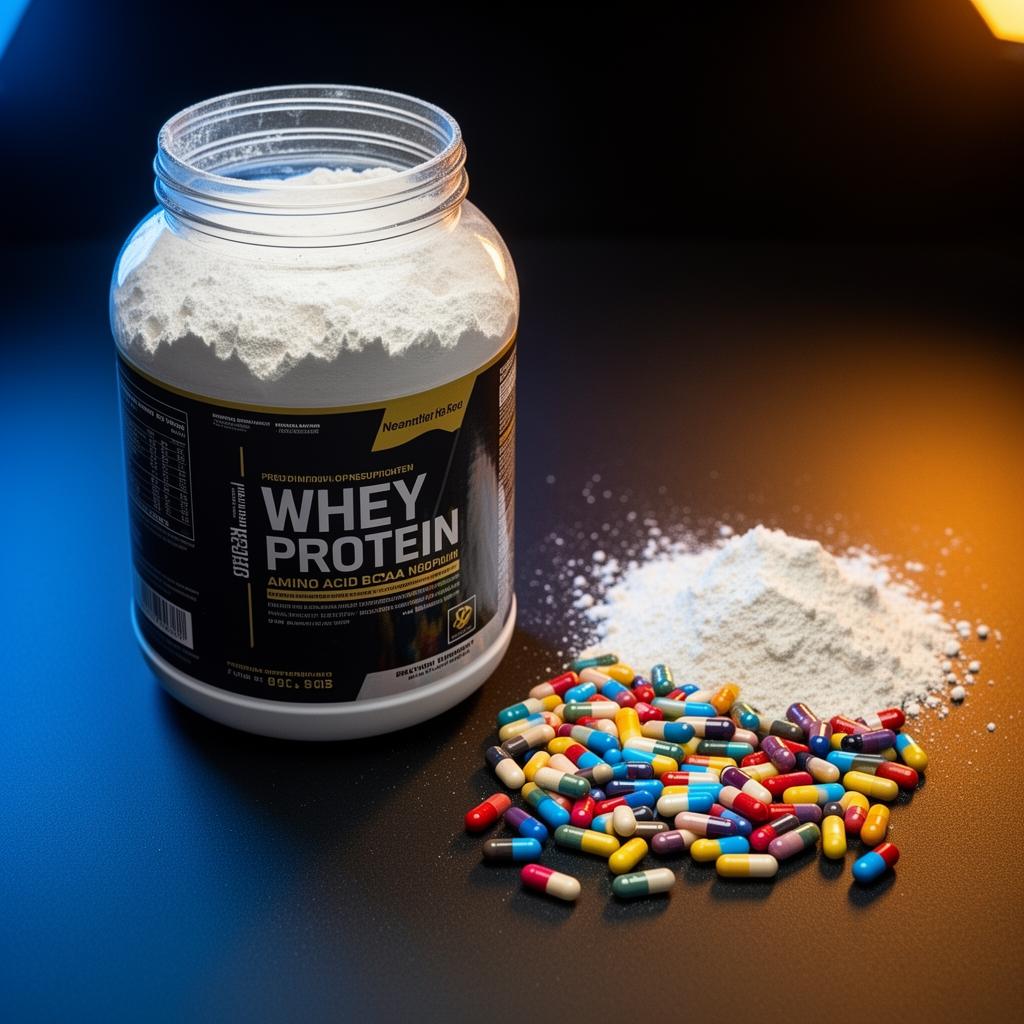
Understand the difference between whey protein and free-form amino acids (EAA/BCAA) – absorption rate, functionality, and when each is more effective.
The choice between whey protein and free-form amino acids (EAA/BCAA) depends on digestive capacity and specific metabolic needs timing. While protein delivers a full spectrum of nutrients, amino acids provide direct delivery to the muscle cell.
Comparison Table
| Parameter | Whey Protein | Amino Acids (EAA/BCAA) |
|---|---|---|
| Biological Status | Whole food (macronutrient) | Pre-digested metabolites |
| Absorption Speed | 30–60 minutes (requires digestion) | 15–30 minutes (direct diffusion) |
| Metabolic Cost | Requires energy for breakdown | Minimal digestive cost |
| Insulin Index | Moderate to High | Low |
| Functionality | Overall recovery and satiety | Intra-workout protection and anabolic signaling |
Whey Protein: A Complete Matrix
Whey is not just a collection of amino acids – it's a complex biological matrix with added benefits:
- Immune Support: Contains lactoferrin and immunoglobulins that support the body's defenses – something pure amino acids do not offer.
- Bioactive Peptides: Support blood flow (vasodilation) and gut health.
- Satiety: Stimulates the release of peptide YY hormone, signaling to the brain that the body is full.
Amino Acids (EAA/BCAA): Precision Delivery
Consuming free-form amino acids bypasses stomach digestion, ensuring almost immediate action:
- Anabolic Signal: Concentrated Leucine directly activates the mTOR pathway – the primary mechanism for initiating muscle growth.
- Energy Support: During intense exercise, the body can oxidize BCAAs for energy, protecting muscle tissue from breakdown.
When to Choose Whey Protein
- Meeting Daily Intake: An easy way to reach 1.8–2.2 g of protein per kg of body weight.
- Weight Management: A satiating snack that prevents unnecessary calorie intake.
- Post-Workout Recovery: The full spectrum of amino acids is optimal after a strenuous session.
When to Choose Amino Acids
- Fasted Workouts: For early morning workouts without breakfast – protects muscles without interrupting fat burning.
- During Workouts: A hydrating drink with metabolic value during exercise.
- Digestive Comfort: For heavy leg or back workouts when a full stomach might cause nausea.
Combined Approach
Science confirms that combining both supplements can be more effective than either alone. Adding 5 g of EAA to a standard protein dose overcomes the leucine threshold more effectively, significantly enhancing muscle protein synthesis.
Tip: If budget allows for only one supplement, choose whey protein (WPI/WPC) – it's more versatile. However, if you are on a low-calorie diet or training twice a day, EAAs become an important tool for preserving muscle mass.
🔬 Scientific Perspective
A study by Church et al. (2020) in Nutrients demonstrated that whey protein stimulates longer muscle synthesis (up to 5 hours) compared to an equivalent dose of free EAAs (up to 2 hours). This is because whey releases amino acids gradually, keeping plasma levels above the anabolic threshold for a longer period.
Conversely, research by Moberg et al. (2016) showed that EAAs induce a faster and higher peak of Leucine in the blood, which can be advantageous for fasted training when digestion time is limited.
⚠️ Common Mistakes
- BCAAs as the Sole Source: Isolated intake of BCAAs without other essential amino acids can reduce overall protein synthesis – the body "steals" from muscles to supplement missing amino acids.
- Amino Acids Instead of Food: Free-form amino acids lack micronutrients, bioactive peptides, and fiber. They are not a substitute for whole protein.
- Taking Amino Acids with Food: Protein from food already provides all amino acids. Additional intake is only justified for fasted training or long breaks between meals.
🧭 Practical Protocol
| Situation | Best Choice | Dosage |
|---|---|---|
| Post-Workout (with food) | Whey Protein | 25–40 g |
| Fasted Workout | EAA | 10–15 g |
| Between Meals (4+ hours) | EAA or BCAA | 5–10 g |
| Before Bed | Casein (Protein) | 30–40 g |
Key Principle: Protein is the foundation. Amino acids are a tactical addition for specific situations, not a replacement.
💡 Expert Conclusion
Whey protein is the more versatile choice for most people. EAA supplements become valuable for fasted training, low-calorie diets, or when food intake doesn't meet needs. If you consume enough protein from food, additional free-form amino acids are rarely necessary.
🧭 When to choose which?
- Choose Protein if your goal is comprehensive support for muscle growth and recovery after training, as well as if you prefer a more palatable product.
- Choose Amino Acids if your goal is rapid absorption for maximally effective recovery, reduction of muscle fatigue, or if you have digestive issues with protein powders.
- Choose Amino Acids if you want to optimize muscle tissue breakdown during prolonged training or periods of caloric deficit.
- Combine Both if you are looking for maximum synergy and targeted acceleration of recovery and muscle synthesis, with protein providing the full spectrum of building blocks and amino acids providing a quick start.
📖 What is the difference between protein and amino acids?
Protein is a complex molecule made of chains of amino acids, while amino acids are the basic building blocks of proteins. The body breaks down proteins into amino acids to use them.
⚖️ Pros and Cons: Protein vs. Amino Acids
| ✅ Pros | ❌ Cons |
|---|---|
|
|
🗣️ Simply explained
Protein is like a whole set of "building elements" that your muscles use to recover and grow. Amino acids are the "elements" themselves within that set. If your body needs a quick "snack" after a workout, concentrated protein (like whey) is excellent. If you want to make sure you're delivering "bricks" to your muscles all day long, you can also take individual amino acids.
Recommended products


Frequently asked questions
Can whey protein and amino acids be combined?
Yes, combining whey protein with a few extra grams of amino acids can be more effective for stimulating muscle growth. This provides both the comprehensive benefits of protein and a rapid anabolic signal from amino acids.
When is the best time to take whey protein?
Whey protein is an excellent choice for meeting your daily protein intake, for weight management as a filling snack, and for post-workout recovery. It provides a complete amino acid profile and additional bioactive components.
When are free-form amino acids (EAA/BCAA) more suitable?
Amino acids are ideal for fasted training, for muscle maintenance during long breaks, or during intense workouts when stomach digestion may be an issue. They provide rapid building blocks for muscles.
Are there side effects from taking BCAAs as a sole source?
Taking BCAAs alone without the other essential amino acids can be inefficient and even counterproductive. The body may pull amino acids from muscles to compensate for the missing ones, which reduces overall protein synthesis.