Fresh Milk vs. Nut-Based Drinks: Biological Value and Metabolic Response
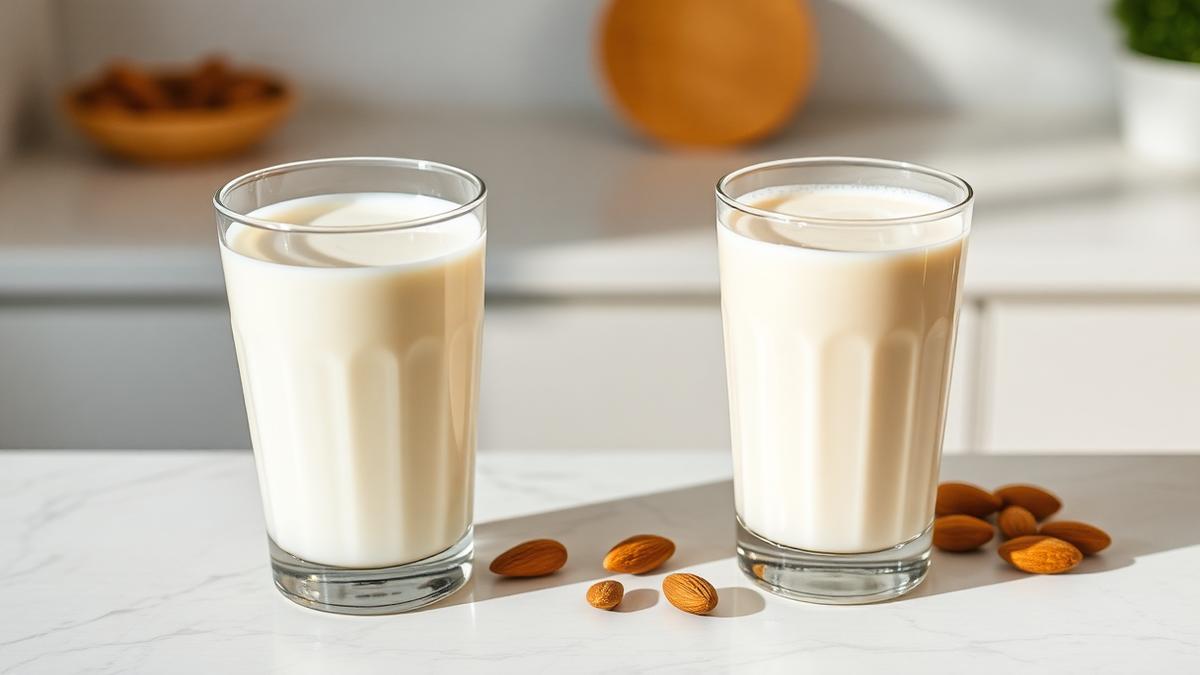
Why choosing a liquid base can speed up or slow down your fitness results. Learn the differences in IGF-1, insulin index, antioxidant capacity, and practical protocols for mass and definition.
By 2026, the debate is no longer just "lactose vs. lactose-free." Science focuses on IGF-1 (Insulin-like Growth Factor 1), fatty acid profile, and impact on gut permeability. For the athlete, cow's milk is "liquid food," while nut milk (almond, hazelnut, walnut) is "functional water."
📊 Comparative Matrix: System Analysis (per 240ml / 1 cup)
| Characteristic | Cow's Milk (2% Fat) | Nut Milk (Unsweetened) |
|---|---|---|
| Protein | ~8.0g (Complete Profile) | ~1.0 – 1.5g (Incomplete) |
| Carbohydrates | ~12.0g (Lactose) | ~1.0 – 2.0g |
| Fats | ~5.0g (Saturated + CLA) | ~2.5 – 3.5g (Omega Fats) |
| Bioactive Factors | IGF-1, Casein, Whey | Phytonutrients, Vitamin E |
| Calcium Bioavailability | High (Natural) | Variable (Added/Fortified) |
| Insulin Impact | High (Insulinogenic) | Low (Stabilizing) |
🧬 In-depth Analysis of Mechanisms for Athletes
1. Cow's Milk: The Anabolic Matrix
Milk is not just protein; it's evolutionarily designed for rapid tissue growth.
- Protein Synergy: The combination of 20% whey (fast) and 80% casein (slow) makes milk superior for post-workout protein synthesis.
- Electrolyte Champion: Studies published in the British Journal of Nutrition show that milk hydrates the body more effectively than water or isotonic drinks due to its sodium and potassium content, which retain fluids within cells.
2. Nut Milks: The Metabolic Optimizer
Nut milks (especially almond and walnut) are a filtrate of nuts, retaining some of their fat profiles.
- Antioxidant Capacity: Almond milk is rich in Alpha-tocopherol (Vitamin E), which reduces oxidative muscle damage after heavy lifting sets.
- Low Systemic Inflammation: Unlike dairy products, which can increase mucus and systemic inflammation levels in some athletes, nut alternatives are alkalizing and gentle on the digestive system.
🛡️ Hidden Risks and "Dirty" Ingredients
- Milk's Insulin Index: Although cow's milk has a low Glycemic Index, its Insulin Index is extremely high. This means it causes a significant insulin spike, which is great for muscle growth but hinders fat burning.
- Additives in Nut Milks: Many commercial brands use carrageenan and gums as thickeners, which, according to the International Journal of Molecular Sciences, can disrupt gut flora.
- Antinutrients: Plant-based milks can contain phytates, which block the absorption of calcium and zinc.
🛠️ Practical Algorithm for Selection in Sports Nutrition
✅ Choose COW'S MILK if:
- Your goal is maximum mass gain (Bulking) and muscle hypertrophy.
- You need effective recovery immediately after training (Post-workout).
- You are looking for a budget-friendly and accessible source of high-quality protein and Vitamin D.
Recommended products
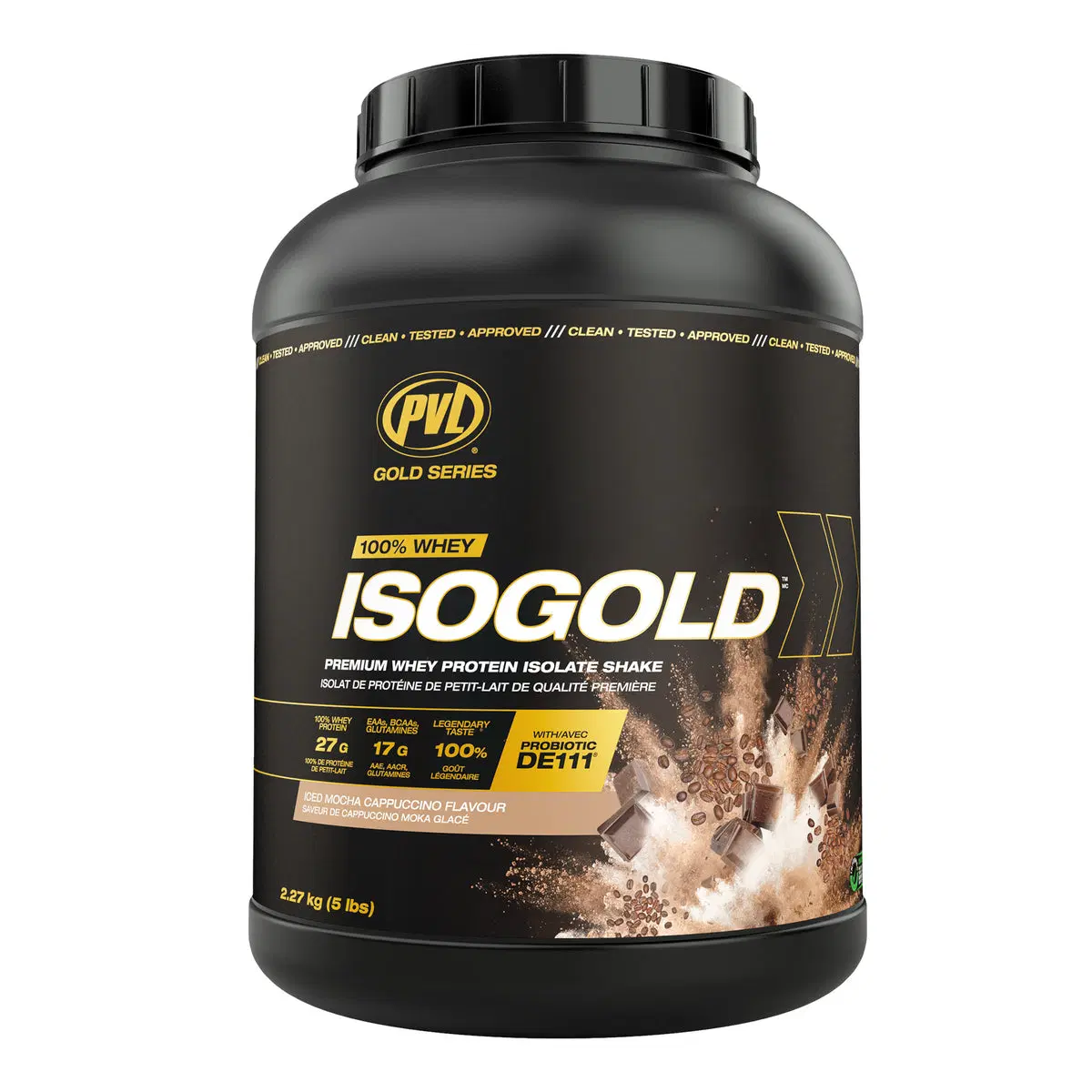 IsoGold Whey Protein Isolate 2.27 kg135.00 €
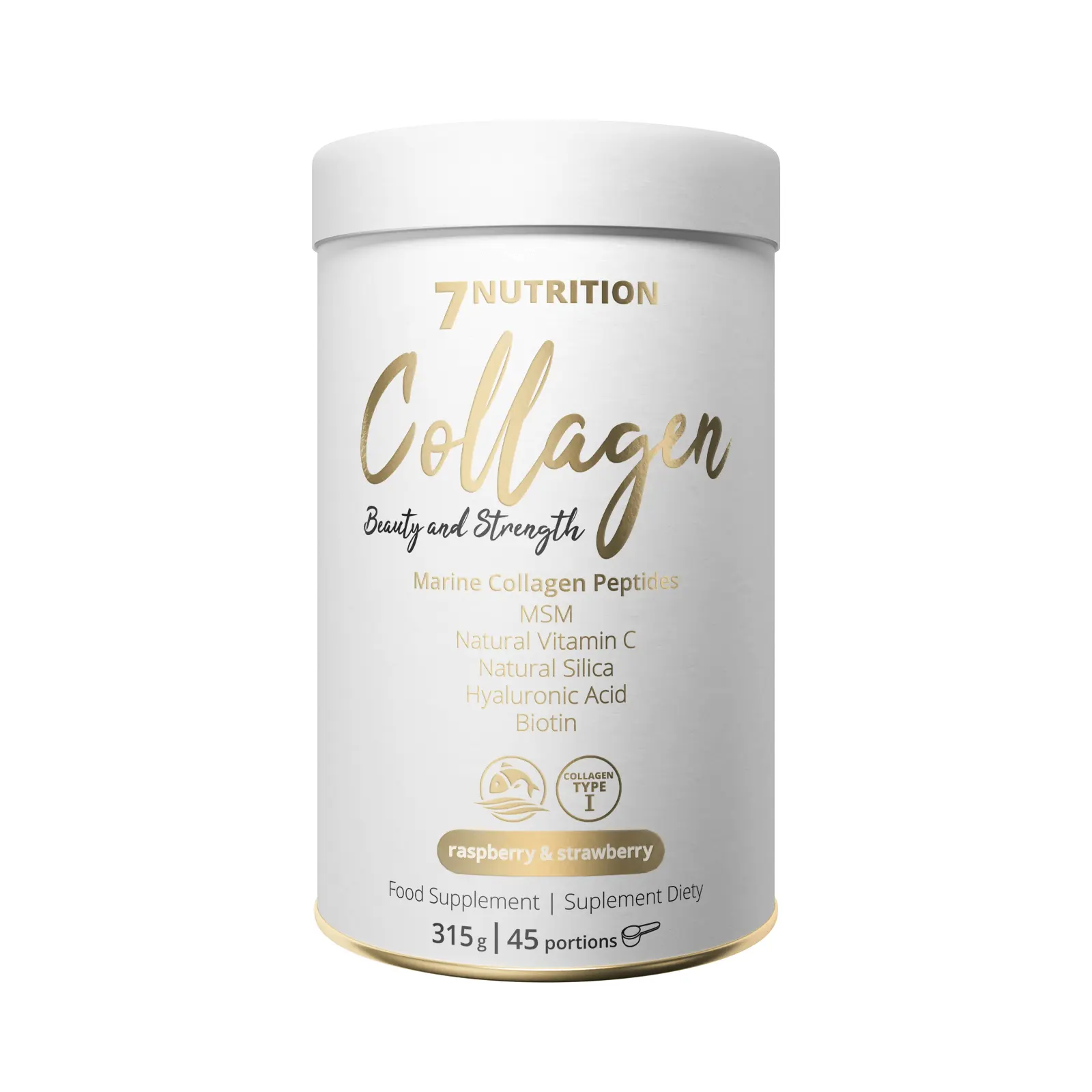 7Nutrition - MARINE COLLAGEN 315 g40.90 €
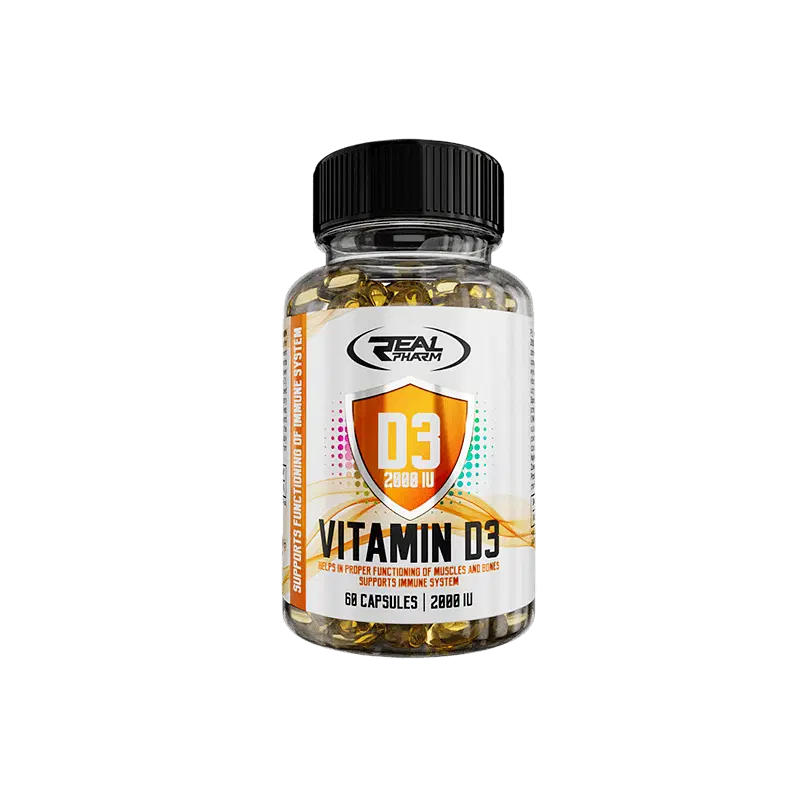 Vitamin D3 2000 Real Pharm 60 capsules6.65 €
Frequently asked questions
Which milk is better for gaining muscle mass?
Fresh milk is significantly more effective for muscle hypertrophy due to its 8g of complete protein (whey + casein), high insulin index, and IGF-1, which stimulate protein synthesis.
Can I use nut milk as a base for a protein shake?
Yes, almond or nut milk is an excellent low-calorie base (30–40 kcal per cup) that adds healthy fats without insulin spikes — ideal during cutting phases.
What are the risks of additives in commercial nut milks?
Many brands use carrageenan and gums for thickening, which can disrupt gut flora. Look for products with a clean label and minimal ingredients.
What is A2 milk and who is it suitable for?
A2 milk contains only A2 beta-casein (instead of A1), making it easier to digest for people with mild intolerance to conventional milk, without losing anabolic benefits.