Turkey vs. Chicken: Nutrient Density and Neuroendocrine Response
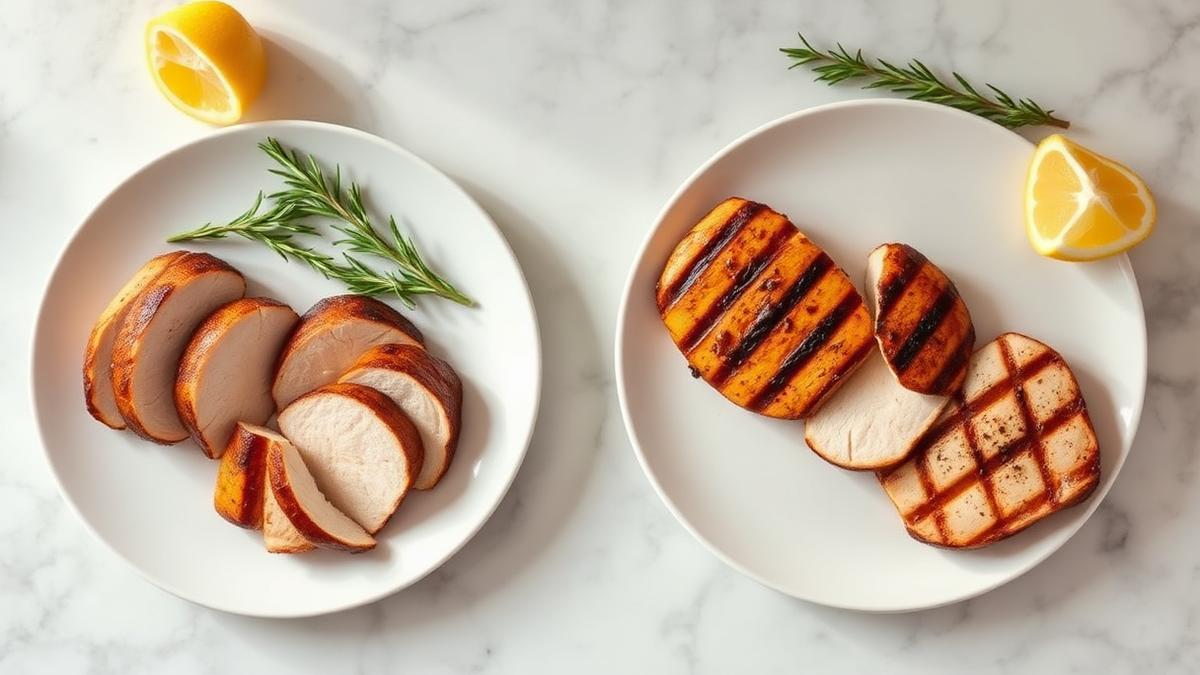
Why turkey is the secret weapon for elite athletes' recovery. Learn the differences in tryptophan, selenium, calories, and practical protocols for sleep and muscle growth.
In 2026, sports science views turkey and chicken not just as sources of macronutrients, but as carriers of specific amino acids like Tryptophan and minerals like Selenium. The calorie difference may be small, but the difference in biochemical signaling to the nervous system is significant.
📊 Comparative Matrix: System Analysis (per 100g cooked product)
| Characteristic | Chicken Breast (Fillet) | Turkey Fillet (Breast) |
|---|---|---|
| Protein | 31.0 g | 32.0 g |
| Total Fat | 3.6 g | 1.5 – 2.1 g |
| Calories | 165 kcal | 135 – 145 kcal |
| Tryptophan | 350 mg | 410 – 450 mg |
| Selenium (% of DV)* | 35% | 45 – 50% |
| Vitamin B6 (% of DV)* | 30% | 35% |
| Iron (% of DV)* | 6% | 8% |
*Percentage of Daily Value (DV) for active adults.
🧬 In-depth Analysis of Mechanisms for Athletes
1. Turkey: The Night Guardian of Recovery
Turkey meat is world-renowned for its high concentration of L-tryptophan.
- Serotonin and Melatonin: Tryptophan is a precursor to serotonin (the happiness hormone) and melatonin (the sleep hormone). Consuming turkey in the evening improves sleep quality, which is the most critical period for muscle recovery and growth hormone secretion.
- Immunomodulation: High selenium levels support cellular antioxidant defense, reducing oxidative stress accumulated during training.
2. Chicken: The Practical Anabolic Engine
Chicken meat remains a standard due to its bioavailability and branched-chain amino acid (BCAA) profile.
- Niacin (B3) and Energy: Chicken is exceptionally rich in niacin, which is key for converting food into cellular energy (ATP). This makes it the ideal "fuel" for lunch, before an intense evening workout.
- Glycemic Neutrality: Due to its lean structure and lack of strong flavor, chicken easily pairs with any complex carbohydrates (rice, oats, sweet potatoes), ensuring a stable insulin response.
🛡️ Hidden Aspects: Source Quality and "Dry Meat" Syndrome
- Sodium Injection: Many turkey producers "pump" the meat with saline solution to retain its juiciness. This can lead to hidden water retention. Check: Always read the label for sodium content exceeding 100 mg per 100g.
- Antibiotics: Mass-produced chicken meat is often treated with growth factors. For athletes, this can affect hormonal balance. Choosing "Free-range" poultry is an investment in endocrine health.
- Thermal Shock: Turkey fillet has less intramuscular fat than chicken, making it prone to drying out. Cooking above 74°C internal temperature turns it into "rubber," losing some water-soluble vitamins.
🛠️ Practical Algorithm for Selection in Sports Nutrition
✅ Choose TURKEY fillet if:
- You are in a Strict Cutting phase – turkey offers the best protein/calorie ratio.
- You have sleep problems or high stress levels (due to tryptophan).
- Your goal is to
Recommended products
Frequently asked questions
Is it true that turkey causes drowsiness?
Yes, turkey contains 410–450 mg of tryptophan per 100 g — 28% more than chicken. Tryptophan is a precursor to serotonin and melatonin, which improves sleep quality, especially when consumed in the evening.
Which meat is better for weight loss — turkey or chicken?
Turkey fillet is slightly leaner (135–145 kcal vs. 165 kcal for chicken per 100 g), making it a better choice for a strict calorie deficit. However, the difference is small.
Why does turkey dry out more easily when cooked?
Turkey fillet has less intramuscular fat. Cooking above 74°C internal temperature makes it dry. Use brining or sous-vide to retain juiciness.
Can chicken completely replace turkey?
Not entirely. Turkey offers unique advantages — more tryptophan for sleep, more selenium for immunity, and a lower calorie profile. The optimal approach is strategic alternation.