Rapeseed vs. Sunflower Oil: Lipid Optimization and Inflammatory Response

How the fatty acid profile determines your muscle recovery rate. Canola oil offers an ideal Omega-6:Omega-3 ratio of 2:1, while sunflower oil is the leader in Vitamin E (41 mg/100g), but with a pro-inflammatory ratio exceeding 70:1.
In 2026, sports nutrition views cooking fats as "inflammatory modulators." The choice between them is not merely culinary but strategic – it determines whether your diet suppresses inflammation (Canola) or requires additional Omega-3 intake to compensate for an Omega-6 load (Sunflower).
📊 Comparative Matrix: System Analysis (per 100g)
| Characteristic | Canola Oil | Sunflower Oil (Standard) |
|---|---|---|
| Omega-3 (ALA) | ~9 – 11% (High) | < 1% (Negligible) |
| Omega-6 (Linoleic Acid) | ~19% | ~65% (Extremely High) |
| Omega-6: Omega-3 Ratio | ~2:1 (Ideal) | > 70:1 (Pro-inflammatory) |
| Vitamin E (mg/100g) | ~17 mg | ~41 mg (Leader) |
| Smoke Point (Refined) | ~242°C | ~225 – 232°C |
| Monounsaturated Fats (O9) | ~63% | ~20% |
🧬 In-depth Analysis of Mechanisms for Athletes
1. Canola Oil: The "Anti-inflammatory Regulator"
Canola oil (especially low erucic acid varieties) is the only widely available oil that offers a significant amount of Alpha-Linolenic Acid (ALA) – plant-based Omega-3.
💬 Simply put: Imagine your muscles as race cars. Canola oil is like high-quality fuel that ensures smooth recovery after a race, while sunflower oil is like fuel that can cause the engine to overheat.
❤️ ALA and Cardiac Adaptation
Omega-3 fatty acids improve arterial elasticity and reduce blood viscosity. For endurance athletes, this means better microcirculation and oxygen delivery to the muscles.
🏋️ Metabolic Neutrality
With the lowest saturated fat content (~7%) among common oils, it is the "lightest" fuel for the liver, minimizing the risk of steatosis during a caloric surplus (Bulking).
🫒 Specific Tolerance
Its high Omega-9 (oleic acid) content makes it metabolically similar to olive oil, but with a more neutral taste that doesn't alter the flavor of sports dishes.
2. Sunflower Oil: The "Antioxidant Shield and Omega Risk"
Sunflower oil is a concentrate of alpha-tocopherol (Vitamin E) but requires caution due to its Omega profile.
💬 Simply put: Think of the Omega-6 to Omega-3 ratio as the balance between attacking and defending players on a soccer team. Canola oil keeps this balance ideal for recovery, while sunflower oil has too many attacking players, which can lead to "injuries" (inflammation).
Recommended products
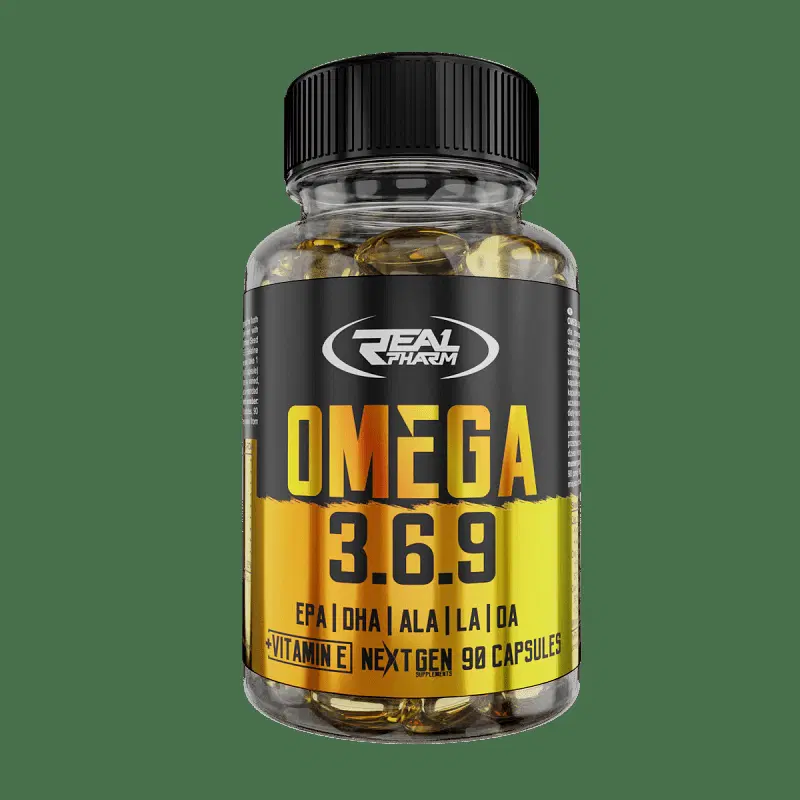 Omega 3 6 9 Real Pharm 90 capsules9.71 €
 Real Pharm Vitamin C Forte 90 tablets8.18 €
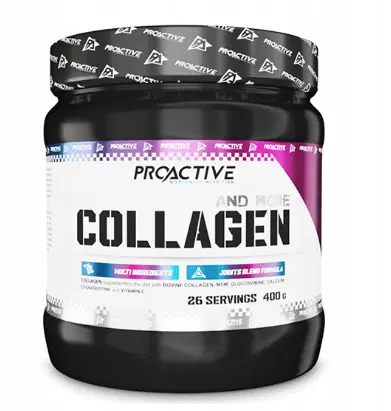 ProActive Collagen and More 400g Lemon19.43 €
Frequently asked questions
Why is rapeseed oil better for athletes than sunflower oil?
Rapeseed oil has an Omega-6:Omega-3 ratio of 2:1 (ideal for inflammation control), while sunflower is over 70:1 – pro-inflammatory. For athletes battling muscle soreness (DOMS), rapeseed oil is the smarter choice.
What is High Oleic sunflower oil?
This is a selected variant containing up to 80% Omega-9 (oleic acid) and very little Omega-6. It is thermodynamically more stable and healthier – ideal for frying without the inflammatory risk of standard oil.
Is rapeseed oil safe for high-heat cooking?
Yes – refined rapeseed oil has a smoke point of ~242°C, making it suitable for oven baking and sautéing. Important: never reuse the oil, as Omega-3 oxidizes upon reheating.
Should I worry about GMOs with rapeseed oil?
A large portion of the world's rapeseed is GMO. If you monitor food purity, look for Organic or Non-GMO Project Verified certifications. For cooking, the difference in nutritional value is minimal.