Plant Protein vs. Beta-Alanine: Plant Foundation vs. Carnosine Deficiency
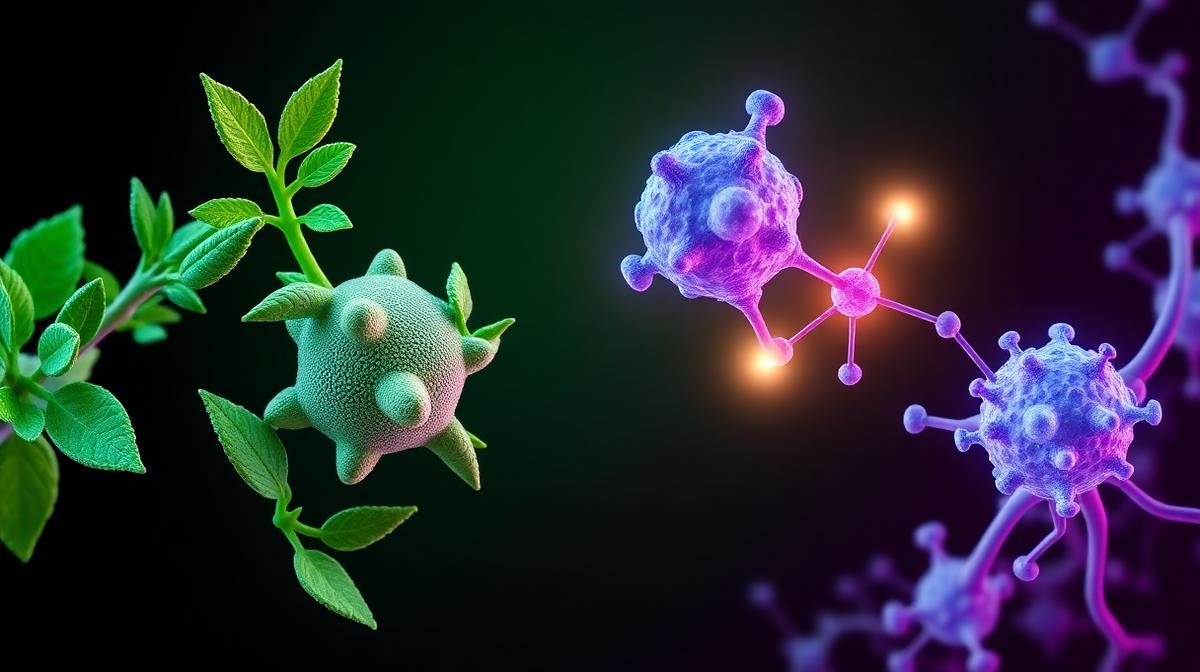
For athletes on a plant-based diet, combining these two resources is not just an option, but a strategy for leveling the physiological capacity with that of meat-eaters. The difference is between filling structural gaps and removing metabolic barriers.
Short answer: Plant protein fills the structural amino acid deficit in vegans, and beta-alanine is critical for restoring carnosine, which is ~50% lower without meat. Together, they equalize physiological capacity with that of meat-eating athletes.
This comparison presents us with the choice between "Ethical Amino Acid Architecture" and "Metabolic Buffer for Endurance". In the body's system architecture, Plant Protein provides the structural software (EAAs) that is often deficient in vegan diets, while Beta-Alanine is the critical update that restores Carnosine levels, naturally low in the absence of meat.
For a broader perspective, check out the complete guide to sports supplements — over 270 expertly verified articles by Petar Mitkov and the Sport Zona team.
What is the Vegan Comparison Matrix?
The Vegan Comparison Matrix is a systematic analysis that examines key characteristics of plant protein (isolate) and beta-alanine (CarnoSyn), presenting their biological status, critical roles, specifics for vegans, time horizon for action, impact on fatigue, and biochemical "ace".
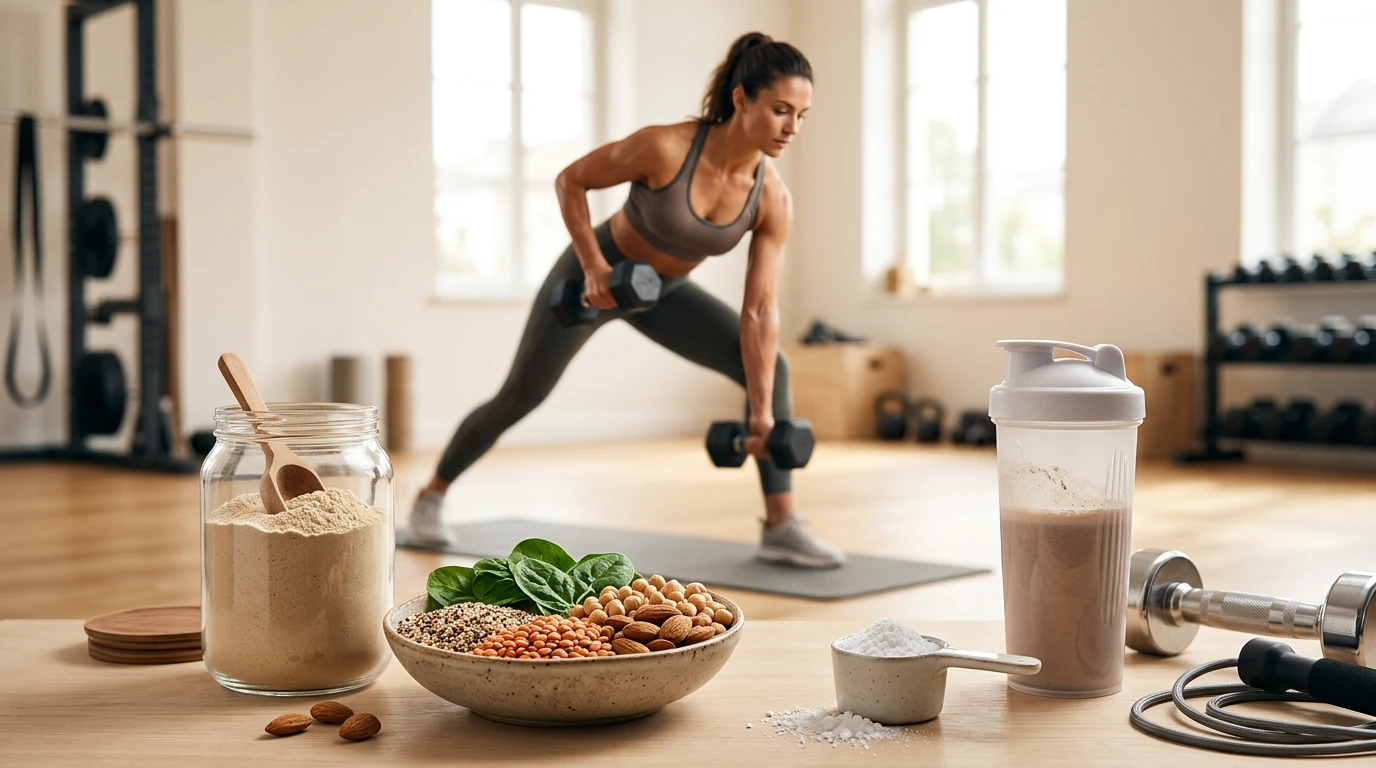
What is the In-Depth Analysis of Mechanisms?
1. Plant Protein: The "Bottleneck" Problem
The in-depth analysis of mechanisms involves a detailed examination of biological processes, such as establishing that plant proteins (pea, rice, hemp) often have a lower amino acid score compared to whey.
Simply put: This section examines exactly how things work in the body on a chemical and biological level, as if we were disassembling a clock to see every gear.
Scientific Sources
- Solomons, N. W., & Allen, L. H. (1998). The interaction of high-quality protein and micronutrients in the metabolism of muscle. The American Journal of Clinical Nutrition, 68(suppl_4), 932S-939S. (PMID: 9701192)
- Saunders, B., et al. (2017). β-alanine supplementation to improve exercise capacity and performance: a systematic review and meta-analysis. British Journal of Sports Medicine, 51(3), 164-165. (DOI: 10.1136/bjsports-2016-096082)
- Rogerson, D. (2017). Vegan diets: practical advice for athletes and exercisers. Journal of the International Society of Sports Nutrition, 14(1), 36. (DOI: 10.1186/s12970-017-0184-9)
- Baguet, A., et al. (2009). Carnosine loading and washout in human skeletal muscles. Journal of Applied Physiology, 106(3), 837-842. (DOI: 10.1152/japplphysiol.91357.2008)
We see that vegans often overlook the complex amino acid profile, relying on only a single source of plant protein. A common mistake is to expect the same results in recovery and endurance as from people consuming meat, without emphasizing the missing components like beta-alanine.
- Leucine Threshold: To initiate muscle synthesis, about 2.5–3g of leucine are needed. Since plant sources are lower in it, consuming a larger amount of isolate (30–40g) is essential for an anabolic effect.
- Bioavailability: Isolates are purified from antinutrients (phytates) that otherwise block protein absorption, making them more effective than regular legumes.
2. Beta-Alanine: The Missing Link for Vegans
Carnosine (a dipeptide of beta-alanine and histidine) is found almost exclusively in animal tissues. Vegans do not consume carnosine through their diet.
- Higher Sensitivity: Since vegan muscles are "starved" for carnosine, they respond much more dramatically to beta-alanine supplementation compared to meat-eating athletes.
- "Sponge" Mechanism: Beta-alanine synthesizes carnosine, which neutralizes hydrogen ions accumulated during intense work. This prevents a drop in pH and the cessation of muscle function.
Why are Plant Protein and Beta-Alanine an Effective Tandem?
The "plant protein and beta-alanine" tandem is an essential combination for the vegan athlete, as it provides the necessary building blocks for muscle growth and recovery, combined with increased endurance and reduced fatigue through carnosine synthesis.
- Eliminating Weaknesses: Protein repairs the structural deficit, and beta-alanine repairs the metabolic one.
- Greater Work Capacity: Beta-alanine allows you to train with the same intensity as a meat-eating athlete, creating the necessary stimulus for muscle growth.
- Optimized Recovery: Vegan diets are often rich in antioxidants, which work together with carnosine (synthesized from beta-alanine) for faster clearance of oxidative stress after training.
Recommended Stack
For good effect in vegans, we recommend a combination of Plant Protein Blend (25-30g post-workout), providing a complete amino acid profile, and Beta-Alanine (3.2g daily, split into 2 doses), to maintain high carnosine levels and improve endurance.
When to Choose Plant Protein?
Plant protein should be your primary supplement if your goals are muscle mass building and recovery, optimizing your diet for a vegan or vegetarian lifestyle, or seeking an alternative to animal proteins with a lower allergenic potential.
- You find it difficult to obtain the required grams of protein (1.6g – 2g per kg of body weight) solely through food.
- Your goal is muscle hypertrophy and quality tissue recovery.
- You need an easily digestible source of amino acids without lactose and cholesterol.
Choose BETA-ALANINE if:
- You have been on a plant-based diet for more than 6 months (your carnosine levels have surely dropped).
- You train at high intensity (CrossFit, sprints, strength sets over 10 repetitions).
- You want to eliminate the sensation of early muscle fatigue and burning.
💜 Protocol for 2026: "The Plant-Powered Edge"
- Daily (Mandatory): 3.2g – 4.8g Beta-Alanine. Vegans need a longer saturation phase (at least 6–8 weeks) to reach proper carnosine levels.
- Immediately After Training: 35g Pea Protein Isolate. Add 3–5g of Creatine Monohydrate, as it is also missing from the plant-based diet.
- Timing: Take beta-alanine with your main meal (e.g., beans, lentils, or quinoa) – carbohydrates stimulate insulin, which helps transport amino acids into the muscles.
Expert Conclusion
If you feel the "needles" (paresthesia) too strongly, don't worry – it's a sign the supplement is working. In vegans, this effect might be slightly more pronounced initially due to higher receptor sensitivity. For best results, split the daily dose of beta-alanine into 2–3 servings with meals.
🧭 When to Choose What?
- Choose Plant Protein if your goal is to increase overall protein intake, support muscle growth and recovery, especially if you are vegetarian, vegan, or simply looking for an alternative to animal products.
- Choose Beta-Alanine if your goal is to improve athletic performance in high-intensity, short-duration activities, reduce muscle fatigue, and increase work capacity.
- Combine Both if you aim for both adequate muscle growth and recovery through sufficient protein intake, as well as increased endurance and performance during intense workouts.
📖 What are Plant Protein and Beta-Alanine?
Plant proteins are proteins derived from plants (like pea, rice, soy) that provide amino acids for muscle regeneration and growth, but are often incomplete due to the lack of certain essential amino acids. Beta-alanine is an amino acid that binds with histidine to form carnosine, which acts as a buffer, reducing muscle fatigue.
⚖ Pros and Cons
| Pros | Cons |
|---|---|
|
|
🗣 Simply Explained
Plant protein is like the building blocks for your body. Beta-alanine, on the other hand, is a supplement that helps your muscles work more sustainably, especially during intense workouts. One builds, the other enhances endurance.
Choose the right product for your goal:
→ Plant Protein
→ Beta-Alanine (part of amino acids)
→ Whey Protein or Complex Amino Acids
Combined protocol for maximum effectiveness:
Combining products increases effectiveness. According to Sport Zona practice data.
⚖ When to Choose Plant Protein
- The athlete finds it difficult to obtain 1.6g – 2g of protein per kg of body weight solely through food.
- The athlete aims for muscle hypertrophy and quality tissue recovery.
- The athlete needs easily digestible protein without lactose and cholesterol.
- A vegan athlete who relies on a single source of plant protein.
⚖ When to Choose Beta-Alanine
- The athlete has been on a plant-based diet for more than 6 months.
- The athlete trains at high intensity (CrossFit, sprints, strength sets over 10 reps).
- The athlete wants to eliminate early muscle fatigue and burning sensations.
- A vegan athlete whose muscles are "starved" for carnosine and respond dramatically to the supplement.
Expert Note from Sport Zona
From our many years of working with Bulgarian athletes, we observe that a significant portion of athletes with predominantly vegan diets often underestimate the need for adequate intake of essential amino acids. At the same time, for them, the benefits of beta-alanine supplementation are almost always noticeably more pronounced in the context of improving endurance, especially in high-intensity training. We see this as a key strategy for compensating for dietary gaps.
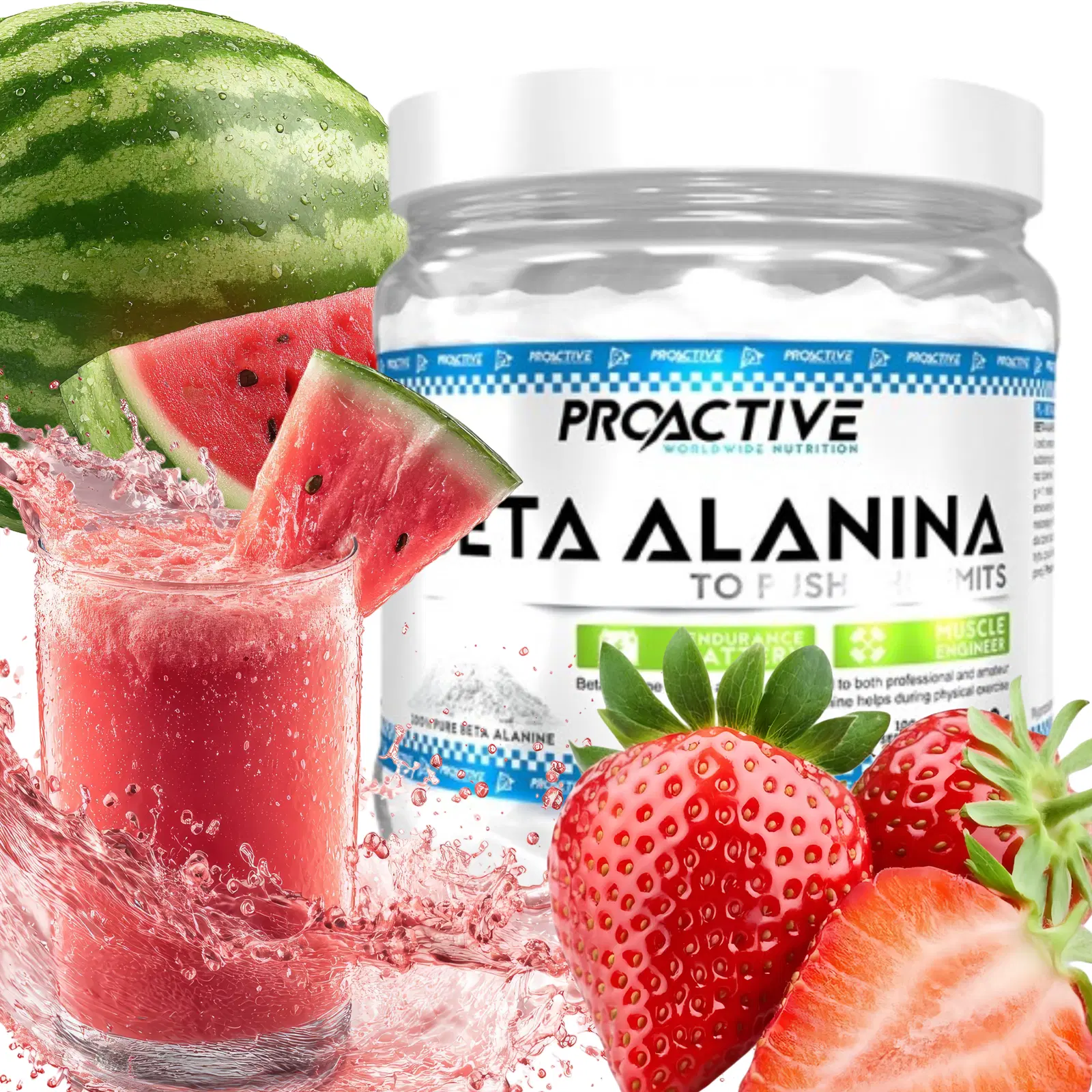
Recommended products

Frequently asked questions
Can plant-based protein and beta-alanine be taken together by vegan athletes?
Yes, combining them is a strategy to fill structural gaps (protein) and remove metabolic barriers (beta-alanine), which supports overall performance.
Which is better for beginners - plant-based protein or beta-alanine?
For beginners aiming for muscle growth and recovery, plant-based protein is a good start. Beta-alanine is more suitable for athletes with at least 6 months on a vegan diet and high-intensity training.
When is the best time to take these supplements?
Plant-based protein should be taken immediately after training for optimal recovery. Beta-alanine is best taken with a main meal to stimulate its absorption.
Are there any side effects from taking beta-alanine?
The most common side effect is a 'pins and needles' sensation (paresthesia), which is a normal signal that the supplement is working. For vegans, this effect might be more pronounced initially.