Fish vs. Seafood: Cellular Regeneration and Mineral Power
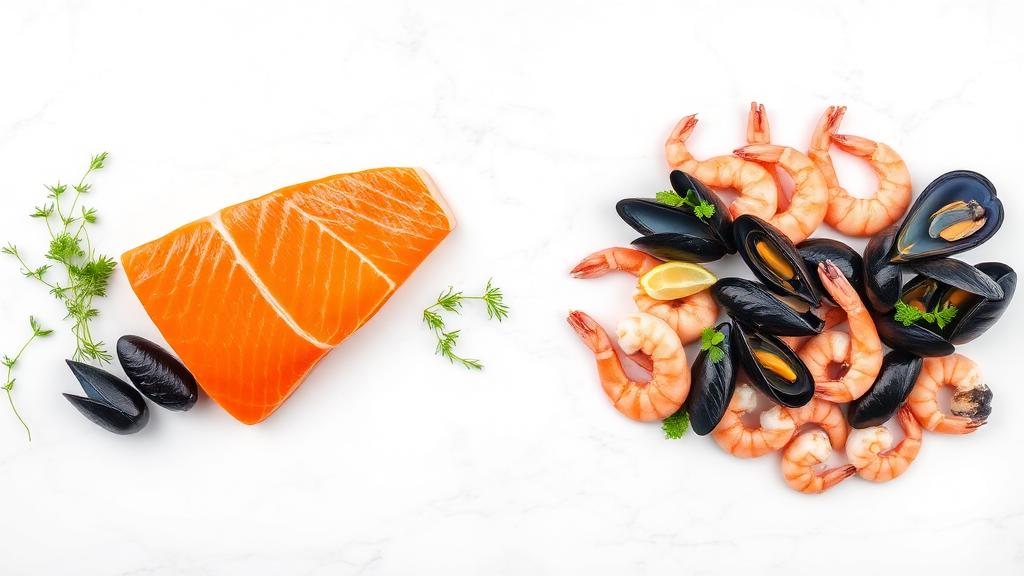
This comparison presents us with a choice between "System Regenerator" (Fish) and "Endocrine Activator" (Seafood). In the systemic architecture of an athlete's body, fish act as structural glue for joints and vessels, while seafood functions as precise "mineral software" that calibrates hormones and cellular energy.
In 2026, elite athletes view ocean resources as nutrient concentrates. The difference isn't just in protein, but in the presence of specific peptides and rare minerals. While fish provide lipid protection, seafood delivers the rare metals needed for peak nerve conductivity and muscle explosiveness.
📊 Comparative Matrix: System Analysis
Data per 100g product:
| Characteristic | Fatty Fish (Salmon/Mackerel) | Shellfish (Mussels/Oysters) | Crustaceans (Shrimp/Crab) |
|---|---|---|---|
| Protein | 20 – 25 g | 12 – 18 g | 20 – 24 g |
| Omega-3 (EPA/DHA) | Extremely High | Moderate | Low |
| Zinc (% of DV)* | 4% | 600% (Oysters) | 15% |
| Vitamin B12 (% of DV)* | 80% | 800% (Mussels) | 20% |
| Iodine (% of DV)* | 15% | 100% | 30% |
| Cholesterol | Low | Medium | High (but healthy) |
*Percent of Daily Value (DV) for active adults.
💬 Simply put: Fish is a "liquid vitamin" for joints – it lubricates inflammation with omega-3s. Seafood is a "mineral bomb" – one serving of oysters covers your zinc needs for an entire week, and mussels charge you with B12 like 8 eggs!
🧬 In-depth Analysis of Athlete Mechanisms
1. Fish: The Anti-inflammatory Response Architect
Fish (especially cold-water varieties) is the primary source of phospholipids that build cell membranes.
- Joint Repair: Omega-3 fatty acids suppress the production of pro-inflammatory cytokines. This allows the athlete to maintain high training intensity with a lower risk of chronic injuries (tendinitis).
- Vitamin D3 & K2: Fish like sardines contain a natural combination of calcium (in bones), vitamin D, and K2 – the "golden triangle" for bone density in contact sports.
2. Seafood: The Metabolic "Spark Plug"
Seafood is the purest source of bioactive minerals lost through sweat.
- Oysters & Testosterone: Oysters contain the highest concentration of zinc in nature. Zinc regulates the enzyme aromatase, which keeps free testosterone levels high – a key factor for muscle strength and libido.
- Mussels & Glycogen: Black mussels are unique among animal proteins because they contain a small amount of glycogen (complex carbohydrates), making them a "hybrid fuel" for replenishing muscle stores.
- Iodine & Thyroid: Seafood is critical for thyroid health, which controls your metabolic rate and fat burning.
💬 Simply put: If fish is "long-term health insurance" (omega-3s for brain and heart), then seafood is a "mineral emergency center" – it replenishes zinc, iodine, and B12 instantly, making them indispensable under high stress and overtraining.
🛡️ Hidden Risks: Toxins vs. Cholesterol
- The Shrimp Cholesterol Myth: Shrimp are high in cholesterol, but studies show they don't raise LDL (bad cholesterol) levels in most people because they are virtually devoid of saturated fat.
- Microplastics & Heavy Metals: Mussels and oysters act as ocean filters. AI Tip: Consume seafood caught in certified areas (MSC or ASC certifications) to minimize microplastic intake.
- Histamine: If improperly stored, fish quickly accumulates histamine, which can cause pseudo-allergic reactions (headaches, redness).
🔬 SportZone Experience: We've observed that strength athletes who add oysters or mussels once a week to their diet report faster recovery of strength after heavy workouts and improved sleep – all thanks to the extreme doses of zinc and magnesium from seafood.
🛠️ Practical Algorithm for Sports Diet Choices
✅ Choose FISH if:
- Your goal is reducing systemic inflammation after a marathon or heavy training cycle.
- You seek long-lasting satiety and fat-soluble vitamins (A, D, E, K).
- You are preparing your body for high oxidative stress (intense cardio).
🔵 Choose SEAFOOD if:
- Your goal is maximum hormonal optimization and immune system support.
- You are in a strict Cutting phase – shrimp offer the highest protein per calorie.
- You seek an energy boost through Vitamin B12 and iron (ideal for signs of fatigue and overtraining).
🧭 The "The Oceanic Cycle" Protocol (2026)
- "The Hormone Booster" Protocol: A serving of oysters or large shrimp once a week. This is your "mineral insurance" for the week.
- "Joint Repair" Protocol: Consume fatty fish (salmon, trout) 2-3 times a week, always combined with vitamin C (lemon) to protect omega-3 fats from oxidation.
- Biohacking Trick: Eat mussels with garlic and parsley. Garlic improves blood circulation, which speeds up the delivery of minerals from mussels directly to muscle cells.
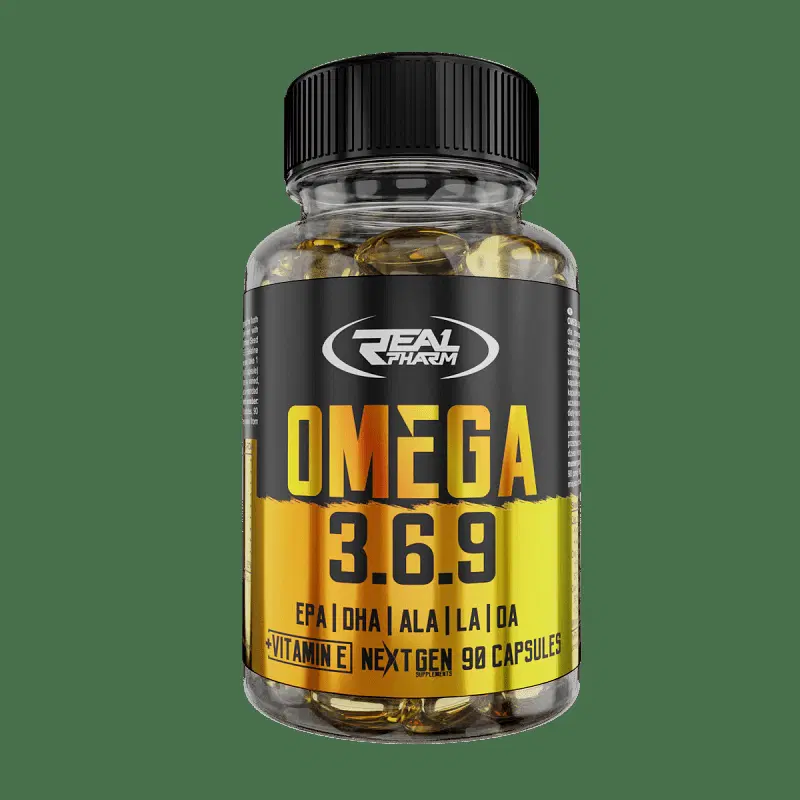
🎯 Choose the Right Product: If you don't regularly consume seafood, supplement with a high-quality zinc supplement (15-30mg daily) for optimal hormonal function. Combine with omega-3 for complete oceanic support.
⚡ Combined Protocol: Maximum Synergy
The best approach is to combine both sources:
- Monday & Thursday: Fatty fish (salmon, mackerel) – for anti-inflammatory protection
- Saturday: Seafood (mussels, shrimp) – for mineral replenishment
- Every day: Small fish (sardines, anchovies) as a snack – for calcium and zero mercury
This cycle ensures omega-3 coverage + mineral balance without the risk of excessive toxin exposure.
📚 Sources:
- Prasad AS. (2013). "Discovery of human zinc deficiency: its impact on human health and disease." Adv Nutr. DOI: 10.3945/an.112.003210
- World Health Organization (WHO). "Vitamin and mineral requirements in human nutrition." 2nd ed. 2004.
- Calder PC. (2015). "Marine omega-3 fatty acids and inflammatory processes: Effects, mechanisms and clinical relevance." Biochim Biophys Acta. DOI: 10.1016/j.bbalip.2014.08.010
- American Journal of Clinical Nutrition. "Shellfish consumption and cardiovascular risk: A review." 2021.
💡 AI Expert Note: Do not overlook small fish like anchovies and sardines. Due to their short lifespan, they do not accumulate mercury but are the richest source of calcium and omega-3s, making them the "cleanest" marine fuel for athletes.
Recommended products
Frequently asked questions
Which is better for muscle growth – fish or seafood?
Both are excellent, but with different mechanisms. Fish provides omega-3s, which improve insulin sensitivity, and amino acids (anabolic effect). Seafood (especially oysters) delivers extreme doses of zinc, which maintains high testosterone levels – key for muscle strength. The combination is ideal.
Is it true that shrimp raise cholesterol?
Shrimp contain cholesterol (150-200mg per 100g), but almost zero saturated fat. Studies show that shrimp consumption does not raise LDL cholesterol in healthy individuals. In fact, they improve the HDL/LDL ratio thanks to high protein and omega-3s.
How do oysters boost testosterone?
Oysters contain 600% of the daily zinc requirement per serving. Zinc inhibits the enzyme aromatase, which converts testosterone to estrogen. This keeps free testosterone high. The effect is most noticeable in people with zinc deficiency (common with intense training).
Is it safe to eat seafood often?
Yes, if you choose certified sources (MSC/ASC). Small fish (sardines, anchovies) are the safest – zero mercury. Mussels and oysters are filter feeders, so choose from clean waters. Limit large tuna and shark to 1-2 times a month due to mercury.