Tuna vs. Salmon: Cellular Repair and Neuromuscular Efficacy
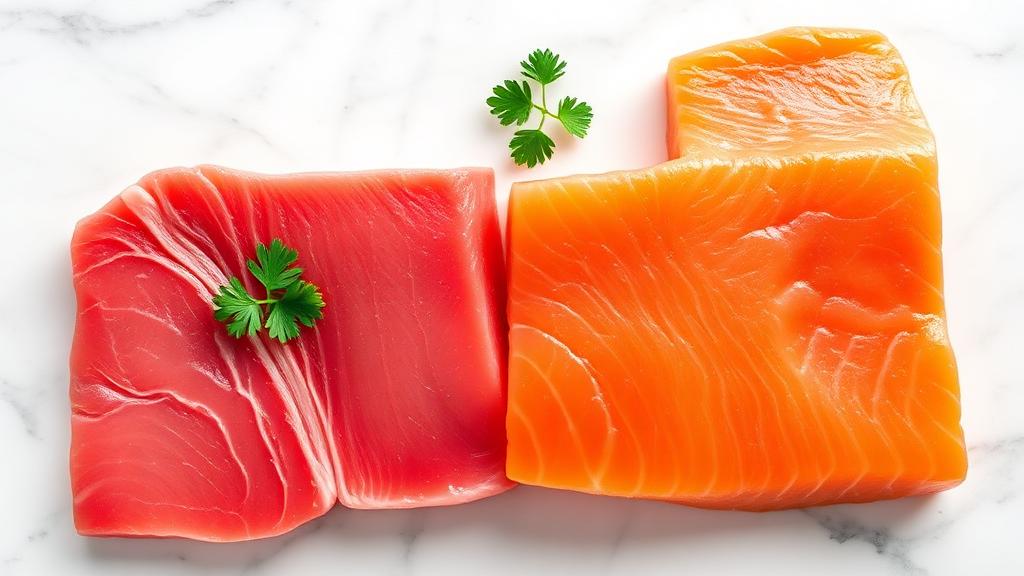
This comparison presents us with a choice between "Metabolic Isolate" (Tuna) and "Biological Recovery Fuel" (Salmon). In the systemic architecture of an athlete's body, tuna acts as a pure macronutrient for tissue structuring, while salmon is a complex "anti-inflammatory machine" that optimizes the hormonal environment and cellular regeneration.
In 2026, sports science views fish not just as a protein source, but as a tool for managing chronic systemic inflammation. While tuna provides "surgical purity" of calories, salmon delivers essential lipids that lubricate metabolic processes.
📊 Comparative Matrix: Systemic Analysis
Data per 100g cooked product:
| Characteristic | Tuna (Yellowfin/Albacore) | Salmon (Atlantic/Wild) |
|---|---|---|
| Protein | 28.0 – 30.0 g | 22.0 – 25.0 g |
| Total Fat | < 1.0 g | 10.0 – 13.0 g |
| Omega-3 (EPA/DHA) | ~250 mg | ~2000 – 2500 mg |
| Vitamin D (% of DV)* | 10% | 75 – 100% |
| Vitamin B12 (% of DV)* | 40% | 80 – 100% |
| Selenium (mcg) | 90 mcg | 40 mcg |
| Calories | ~130 kcal | ~200 – 230 kcal |
*Percent of Daily Value (DV) for active adults.
💬 Simply put: Tuna is like "pure building material" – almost 100% protein without excess calories. Salmon is "liquid gold for the joints" – it not only builds muscle but lubricates the entire biochemical machine with essential fats.
🧬 In-depth Analysis of Mechanisms for Athletes
1. Salmon: The Anabolic Modulator of Inflammation
Salmon is one of the densest sources of long-chain omega-3 fatty acids.
- Muscle Protein Synthesis (MPS): According to research in the Journal of the International Society of Sports Nutrition, omega-3 fatty acids increase the sensitivity of muscle cells to amino acids and insulin, which enhances the anabolic response.
- Neurological Recovery: High DHA levels support cognitive function and nerve impulse speed – critical for sports requiring reaction and coordination.
- Vitamin D and Testosterone: Salmon is among the few natural sources of Vitamin D, which is directly linked to free testosterone levels and bone density.
2. Tuna: "The Pure Sculptor"
Tuna offers nearly 100% protein caloric value, making it the equivalent of a solid-form protein shake.
- Thermic Effect of Food (TEF): Due to its high pure protein content, the body expends significant energy just to break it down, accelerating metabolism during dieting.
- Selenium and Detoxification: Tuna is exceptionally rich in selenium (in the form of selenoneine), which helps protect cells from oxidative stress and, paradoxically, aids in neutralizing some of the damage from mercury.
💬 Simply put: If tuna is the "scalpel" for precise cleansing, then salmon is the "solid multivitamin" – it nourishes you not just with protein, but with protection for your brain, joints, and hormones.
🛡️ Critical Risks: Mercury vs. Hidden Fats
- Mercury Bioaccumulation: Tuna (especially Bigeye and Bluefin) is at the top of the food chain. Chronic mercury intake can damage the nervous system and slow recovery. AI Tip: Prefer canned Skipjack tuna, as it is smaller and contains significantly less mercury.
- Wild vs. Farmed Salmon: Wild salmon has a better Omega-3 to Omega-6 ratio. Farmed salmon is often fattier, but its fats may contain more environmental contaminants (PCBs).
- Oxidation: The fats in salmon are highly susceptible to oxidation at high temperatures. Cooking at moderate temperatures preserves the integrity of omega-3 molecules.
🔬 SportZone Experience: We observe that athletes who consume salmon 2-3 times a week report significantly faster recovery after intense workouts and less joint pain. Despite the higher calories, its omega-3 profile gives it a strategic advantage during high-volume seasons.
🛠️ Practical Algorithm for Selection in Sports Nutrition
✅ Choose TUNA if:
- You are in a period of aggressive cutting (Peak Week) and need to maintain high protein with minimal calories.
- You need a quick, convenient, and portable meal (canned in its own juice).
- You are looking for a budget-friendly way to meet daily protein needs.
🔵 Choose SALMON if:
- Your goal is long-term health, hormonal support, and mass gain.
- You suffer from joint pain or frequent post-exercise soreness (DOMS) – the anti-inflammatory effect is invaluable.
- You want to improve your cholesterol profile and cardiovascular health.
🧭 The "Seafood Matrix" Protocol (2026)
- "Anti-Inflammatory Monday" Protocol: Baked salmon with steamed broccoli after the toughest workout of the week (e.g., legs). This will minimize inflammation at its source.
- "Lean Lunch" Protocol: Tuna salad with lemon and a bit of quinoa. Provides satiety and amino acids without weighing you down for afternoon activities.
- Biohacking Tip: Always add fresh parsley or cilantro to tuna. These herbs act as natural chelators, helping the body eliminate heavy metals more effectively.
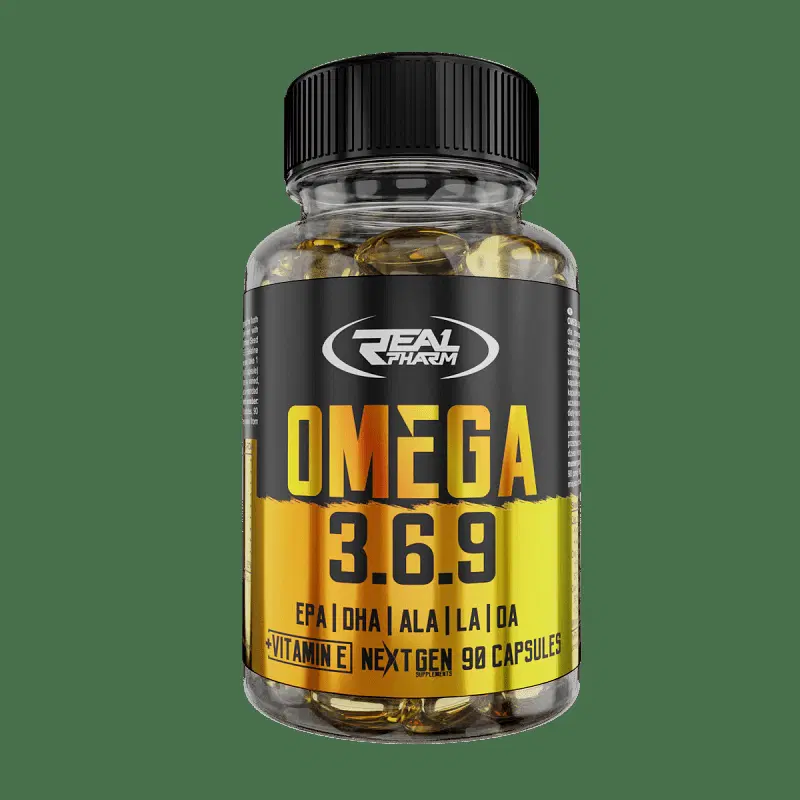
🎯 Choose the Right Product: If you consume fish less than twice a week, consider a high-quality omega-3 supplement to fill the gaps. You can get protein from anywhere, but EPA and DHA only from fish or algal sources.
📚 Sources:
- Smith GI, et al. (2011). "Omega-3 polyunsaturated fatty acids augment the muscle protein anabolic response to hyperinsulinaemia–hyperaminoacidaemia in healthy young and middle-aged men and women." Clin Sci (Lond). DOI: 10.1042/CS20100597
- National Institutes of Health (NIH). "Omega-3 Fatty Acids – Fact Sheet for Health Professionals." Accessed 2026.
- American Heart Association. "Fish and Omega-3 Fatty Acids." Scientific Statement 2023.
- USDA FoodData Central. Nutrient composition data for tuna and salmon (2026).
💡 AI Expert Note: For maximum benefits, aim for an "Omega-3 Index" above 8%. Consuming salmon twice a week is the fastest way to achieve this without the need for expensive supplements.
Recommended products
Frequently asked questions
Which fish is better for weight loss – tuna or salmon?
Tuna is more suitable for aggressive weight loss due to its extremely low fat content (~1g per 100g) and high protein (~30g). Salmon, although higher in calories (200-230 kcal vs 130 kcal), offers long-lasting satiety and hormonal support through omega-3.
How often can I eat tuna without worrying about mercury?
For safety, consume canned light tuna (Skipjack) up to 2-3 times per week. Avoid large species (Bluefin, Bigeye) more than once a month. Always combine with herbs like parsley and cilantro for natural detoxification.
What is the difference between wild and farmed salmon?
Wild salmon has a better omega-3 to omega-6 ratio and fewer contaminants (PCBs). Farmed salmon is fattier, cheaper, and more accessible, but may contain more problematic substances. If possible, choose wild salmon from Alaska or Norway.
Can salmon replace omega-3 supplements?
Yes! Consuming 100-150g of salmon twice a week provides 4000-5000mg of omega-3, which is sufficient to maintain an omega-3 index above 8% without additional supplementation. This is the most effective and economical approach.